

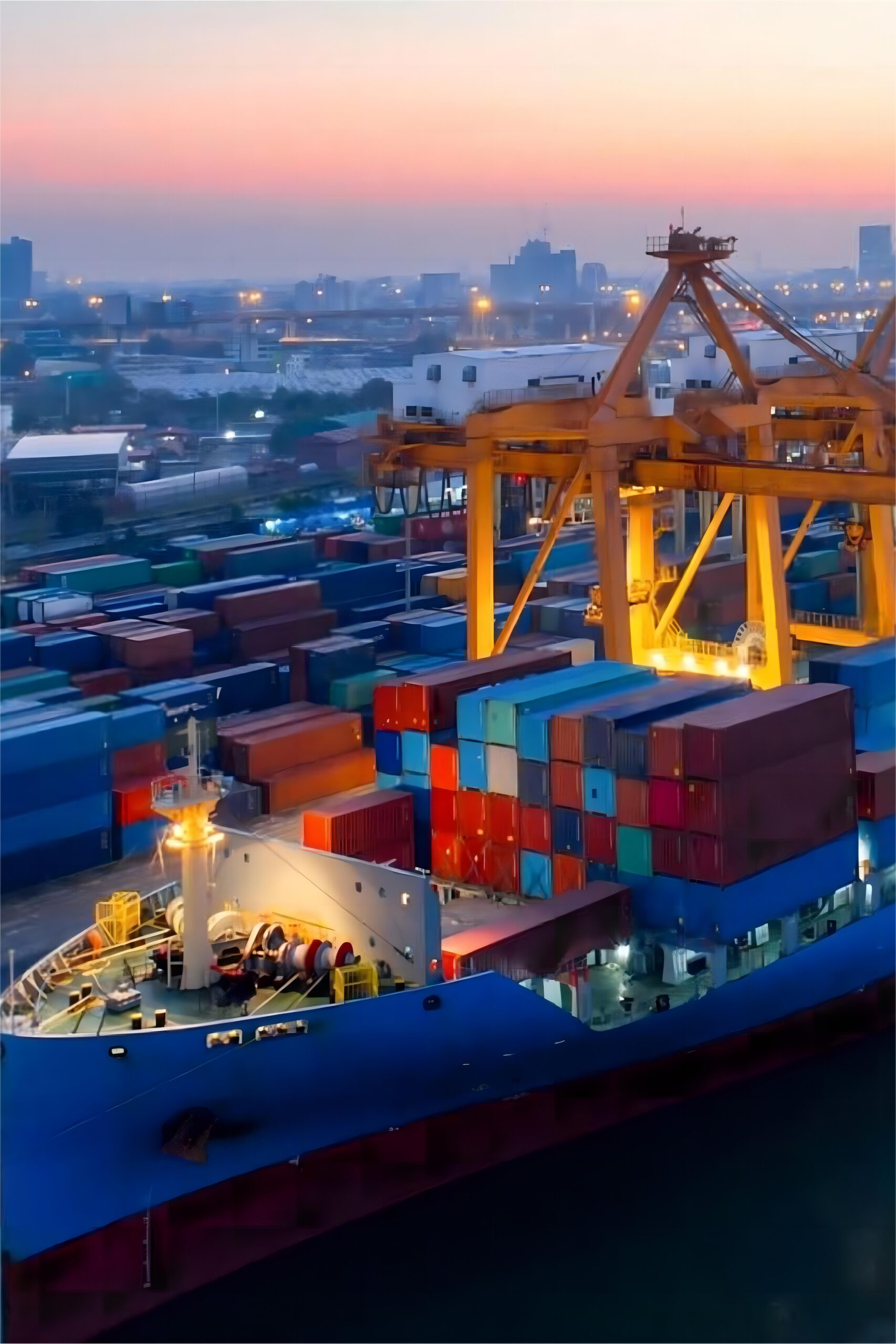
40HQ FCL Transit Time for Solar Panels from China to New York
Shipping renewable energy equipment requires precision and reliable logistics partners. When calculating the 40HQ FCL transit time for solar panels from China to New York, businesses must account for various logistical variables. At TJ China Freight, we specialize in streamlining these complex international routes for our global clients. Understanding the duration of ocean transport is essential for maintaining a healthy supply chain and meeting project deadlines.

Understanding the 40HQ FCL Transit Time for Solar Panels from China to New York
The standard 40HQ FCL transit time for solar panels from China to New York typically ranges between 30 and 45 days. However, this duration depends heavily on the specific route and the carrier selected for the journey. Most shipments departing from major hubs like Shanghai or Ningbo will travel through the Panama Canal or around the Cape of Good Hope.
Choosing sea freight is the most cost-effective method for transporting large volumes of PV modules. Consequently, it remains the industry standard for large-scale solar installations in the United States. Moreover, the 40HQ container is preferred because it maximizes the vertical space required for palletized solar panels.
Weather conditions and port congestion can occasionally extend these timelines by several days. Therefore, importers should always build a buffer into their installation schedules to account for unforeseen delays. Indeed, proactive planning is the key to successful international trade.
How Does Sea Freight Compare to Other Shipping Options?
While sea freight is the primary choice, it is helpful to compare it against alternative methods for the China to New York route. Each mode of transport offers different trade-offs regarding speed, cost, and reliability. For instance, air freight is significantly faster but comes at a much higher price point.
In contrast, rail freight is often used for inland destinations but is not a direct option for the trans-Pacific journey to the East Coast. Consequently, sea freight remains the dominant force for high-volume solar panel logistics.
| Shipping Method | Cost Range | Transit Time | Best For |
|---|---|---|---|
| 40HQ FCL Sea | $4,500 – $6,000 | 30 – 45 Days | Bulk Solar Projects |
| LCL Sea Freight | $80 – $150/CBM | 35 – 50 Days | Small Replacements |
| Air Freight | $15,000 – $25,000 | 5 – 10 Days | Urgent Repairs |
Which Option Should You Choose?
Budget priority: If your primary goal is to minimize costs, then the 40HQ FCL sea freight option is the clear winner. This method provides the lowest cost per unit for solar panels. Furthermore, it offers better protection for the fragile glass components compared to LCL shipping.
Speed priority: If you are facing a strict project deadline, you might consider a sea-air hybrid solution. While more expensive, this can shave a week off the total transit time. However, most solar companies stick to pure sea freight due to the heavy weight of the cargo.
Volume thresholds: Once your shipment exceeds 15 cubic meters, switching from LCL to a full container becomes economically advantageous. At this point, the 40HQ FCL transit time for solar panels from China to New York becomes the most relevant metric for your planning.

Key Factors Influencing Your Delivery Schedule
Port selection in China plays a major role in the initial departure speed. Ports like Shenzhen and Shanghai offer more frequent sailings to the US East Coast. Consequently, cargo might sit in the warehouse for less time before being loaded onto a vessel.
The choice of carrier also impacts the total duration of the voyage. Some carriers offer direct services to New York, while others include multiple transshipment stops in Southeast Asia or the Caribbean. In addition, using a professional customs brokerage service can prevent delays during the import process.
Seasonal demand is another critical factor to monitor. During the peak season from August to October, port congestion in New York can lead to vessels waiting at anchor for several days. Therefore, shipping during the off-peak months can often result in faster door-to-door delivery.
Alternative Strategies for Solar Panel Logistics
One alternative strategy is to ship to the West Coast and use intermodal rail to reach New York. While the sea transit to Los Angeles is only 14-18 days, the subsequent rail journey adds another 7-10 days. This can sometimes be faster than the all-water route through the Panama Canal.
Another approach involves utilizing door to door services to simplify the entire process. This strategy allows the freight forwarder to manage every step, from the factory floor in China to the job site in New York. As a result, the importer can focus on project management rather than logistics details.
For companies shipping to multiple locations, shipping from China to North America via a central hub can also be effective. This allows for bulk ocean transit followed by regional distribution via trucking or rail.
Real-World Case Studies: China to New York
Case Study 1: Large Scale Utility Project. Route: Shanghai to New York. Cargo: 1,200 Solar Panels, 75 CBM. Container: 2 x 40HQ. Shipping Details: Direct sea freight via Panama Canal. Ocean Freight: $5,200 per container. Sea Transit: 32 days. Total Door-to-Door: 42 days. Key Insight: Booking 3 weeks in advance secured a lower rate and a direct vessel.
Case Study 2: Residential Distributor. Route: Ningbo to New York. Cargo: 400 Solar Panels, 28 CBM. Container: 1 x 40HQ. Shipping Details: Transshipment via Busan. Ocean Freight: $4,800. Sea Transit: 38 days. Total Door-to-Door: 50 days. Key Insight: Transshipment was cheaper but added 6 days to the schedule compared to direct routes.

Based on Q1 2025 market rates, these examples reflect typical costs and durations. Note: Freight rates are subject to change based on fuel costs, carrier capacity, and seasonal demand. Contact us for a current quote tailored to your specific shipment.
Final Thoughts on Solar Panel Shipping Timelines
Navigating the 40HQ FCL transit time for solar panels from China to New York requires a balance of timing, cost management, and carrier selection. While the average journey takes about 35 days, various factors can shift this window in either direction. By understanding the nuances of the route and working with experienced partners, importers can ensure their renewable energy projects stay on track.
Ultimately, the goal is to minimize risks while maximizing efficiency. Whether you choose a direct all-water route or an intermodal alternative, staying informed about market trends is vital. We encourage you to reach out to our team for the most up-to-date information and competitive freight rates.
Ready to streamline your logistics?
Ready to optimize your solar supply chain? Contact TJ China Freight today for a customized quote on your 40HQ FCL transit time for solar panels from China to New York. Visit our website to send an inquiry and get started with our expert logistics team. Send Inquiry: https://bestchinafreight.com/
Request Quote