

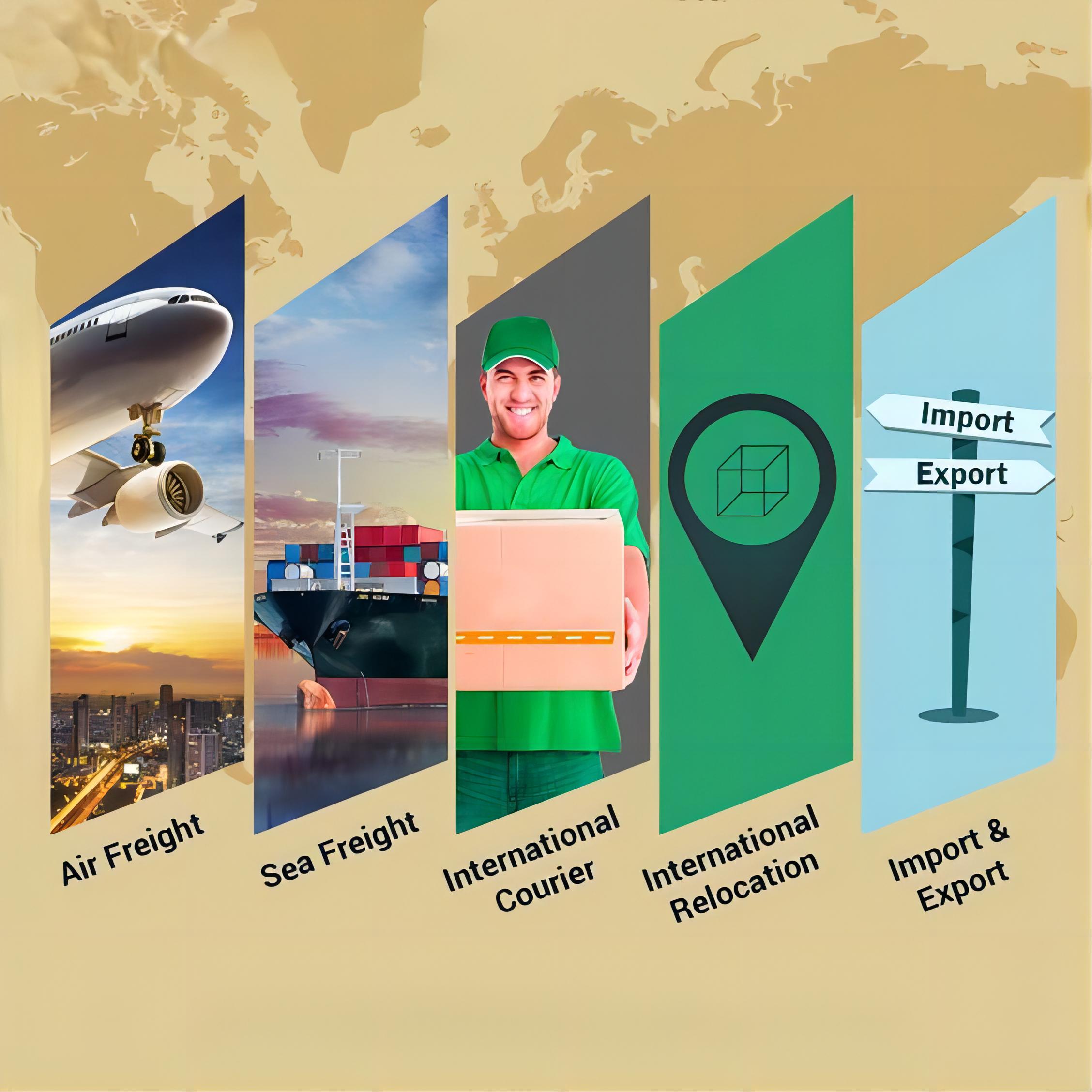
Customs Clearance Agent in China for Export: A Complete Guide
Navigating the complexities of international trade requires a professional partner who understands the nuances of local regulations and global logistics. Selecting the right customs clearance agent in china for export is a critical decision that directly impacts your supply chain efficiency, duty costs, and overall project timeline. Whether you are moving high-volume industrial goods or sensitive electronics, partnering with Best China Freight (Homepage: https://Best China Freight.net/) ensures your shipments avoid common pitfalls like port delays, unexpected surcharges, or regulatory holds. Our team provides the expertise needed to manage intricate paperwork and compliance hurdles at every major Chinese port. By leveraging localized knowledge and a robust network of carriers, we turn complex regulatory requirements into a streamlined shipping process. Published by Best China Freight (Homepage: https://Best China Freight.net/) logistics research team.

What Is customs clearance agent in china for export and Who Is It For?
A customs clearance agent in China for export is a licensed professional responsible for managing the legal and administrative requirements for goods leaving Chinese borders. These agents act as the intermediary between the exporter and Chinese Customs, ensuring that all declarations, permits, and documentation meet the rigorous standards of the General Administration of Customs of China (GACC). Their primary role involves classifying goods, calculating duties, and verifying that export licenses are in order before cargo is cleared for departure.
This service is essential for manufacturers, trading companies, and e-commerce brands that frequently export goods from China. Without a qualified agent, businesses often face significant risks, including cargo seizures, heavy fines, or indefinite delays at the port of exit. By outsourcing this function, exporters can focus on production and sales while leaving the regulatory heavy lifting to specialists who understand the ever-changing landscape of international trade laws and regional port policies.
For companies scaling their operations, a dedicated agent provides more than just administrative support; they offer strategic guidance on how to optimize shipping routes and minimize potential bottlenecks. Whether you are shipping via Sea Freight or looking for specialized support, having a partner on the ground in China is the difference between a smooth transition and a logistics nightmare. Their expertise ensures that your goods reach their destination on schedule, maintaining your competitive edge in the global marketplace.
Logistics Mode Comparison
| Shipping Mode | Cost Benchmark | Est. Transit Time | Best Suited For |
|---|---|---|---|
| Sea Freight | Low | 20-40 Days | Large volume bulk |
| Air Freight | High | 3-7 Days | Urgent/High value |
| Express Service | Premium | 2-5 Days | Small parcels |
Transport Mode Selection and Route Gateway Logic for customs clearance agent in china for export
Selecting the right transport mode is as crucial as finding the right agent. Your choice depends on the nature of your cargo, your budget, and the urgency of the delivery. For heavy, non-perishable goods, sea freight remains the most cost-effective option, utilizing major ports like Ningbo, Shanghai, or Shenzhen. These gateways are equipped with high-capacity infrastructure to handle massive throughput while maintaining strict compliance protocols.
If you are dealing with time-sensitive inventory, Air Freight becomes the logical choice. While more expensive, it provides unparalleled speed and security. For businesses looking for a balance between cost and time, modern logistics solutions often involve multi-modal transport, such as sea-air combinations or specialized Door to Door delivery services that simplify the entire supply chain by centralizing the responsibility under one provider.
Understanding gateway logic is essential for optimizing transit. Choosing the port closest to your production site in China can significantly reduce inland trucking costs and minimize the risk of damage during transit. Your customs agent will evaluate the specific requirements of your destination, such as North America regional mandates, to ensure the chosen route is not only fast but also compliant with both origin and destination regulations.
Gateway Efficiency Matrix
| Route | Primary Port | Transit Focus | Key Advantage |
|---|---|---|---|
| Ocean | CNSHA | Volume | Economies of scale |
| Air | CNPVG | Urgency | Rapid turnaround |
| Multi-modal | CNSZX | Flexibility | Cost-time balance |
FCL vs LCL and Cargo Configuration Breakdown
When planning your export, the decision between Full Container Load (FCL) and Less than Container Load (LCL) is fundamental. FCL is generally preferred for large shipments because it offers dedicated space, reducing the risk of cargo damage and allowing for faster loading and unloading processes. For businesses working with smaller quantities, LCL provides a more economical solution by allowing multiple shippers to share the container space, thereby reducing the cost per unit.
However, LCL shipping requires more careful coordination. Because your cargo shares space with other goods, your customs agent must ensure that all documentation is perfectly aligned to avoid delays caused by issues with a co-loader’s cargo. This is where professional brokerage, such as our Customs Brokerage services, becomes invaluable. We manage the consolidation and deconsolidation processes, ensuring that your goods remain secure and compliant throughout the journey.
For specialized needs like Amazon FBA, precise cargo configuration is mandatory. Requirements for labeling, packaging, and palletization are strict, and any failure to adhere to these can result in your shipment being rejected at the destination warehouse. Working with an experienced agent ensures that your cargo is prepared exactly to the specifications required by the destination, mitigating the risk of costly re-processing or storage fees.
Cargo Configuration Guide
| Type | Capacity | Best For | Risk Level |
|---|---|---|---|
| FCL | Full | Bulk/High Value | Low |
| LCL | Partial | Small Batches | Medium |
| Express | Small | Samples/Docs | Negligible |
Transit-Time Architecture and Port-to-Port Delivery Matrix
Transit time is not merely a function of the vessel speed; it is an architecture of port handling, customs processing, and inland distribution. A professional agent helps you understand the realistic lead times, accounting for potential congestion at major hubs like Shanghai or Shenzhen. By analyzing historical data and current port performance, we provide accurate estimates that help you manage your inventory cycles effectively.
Effective transit management also requires proactive communication. We monitor your shipment from the moment it leaves the factory to its arrival at the destination port. This transparency allows you to stay informed about the status of your goods, enabling you to adjust your internal operations if delays occur due to weather, labor strikes, or sudden regulatory shifts. This level of oversight is vital for maintaining customer trust and operational stability.
For businesses utilizing Rail Freight, transit times are generally faster than sea while remaining more economical than air. This mode is particularly effective for regions with established rail infrastructure. Regardless of the mode, the key to a successful delivery matrix is the early and accurate submission of all customs documentation, which prevents your cargo from sitting in a holding area, thereby avoiding demurrage and detention charges.

Landed Cost Anatomy and Destination Port Surcharges
The landed cost of your goods includes more than just the freight rate. It encompasses the total expenditure incurred to get the product from the factory floor to the final destination, including duties, taxes, insurance, and handling fees. A customs clearance agent helps you break down these costs, ensuring there are no hidden surprises that erode your profit margins.
Destination port surcharges are often a significant, yet overlooked, component of the landed cost. These can include terminal handling charges (THC), documentation fees, and inland delivery costs. By having a clear understanding of these fees upfront, you can accurately price your products and maintain healthy margins. We provide a comprehensive cost analysis, allowing you to see the full financial picture before the shipment even departs.
Managing these costs effectively requires constant vigilance. Market conditions, fuel price fluctuations, and changes in trade policy can all affect your final costs. Our team monitors these variables, providing you with the intelligence needed to make informed decisions about your shipping strategy. By optimizing your cargo configuration and choosing the right combination of services, you can significantly reduce your total landed cost.
Customs Clearance, Regulatory Compliance, and Required Documents
Compliance is the backbone of international trade. Chinese export regulations are stringent, requiring precise documentation for every shipment. From the Commercial Invoice and Packing List to the Bill of Lading and specific Export Licenses, every document must be accurate and consistent. A slight discrepancy can lead to significant delays or even legal repercussions for the exporter.
Your customs clearance agent plays a pivotal role in verifying these documents. They ensure that your HS codes are correct, as these determine the export duty and regulatory requirements for your specific product category. Furthermore, they stay updated on any changes in export laws, such as new environmental standards or safety certifications that might apply to your goods. This proactive approach is essential for maintaining compliance.
We also assist with special documentation for specific industries, such as hazardous materials or food-grade products. These categories require additional certificates and inspections that must be handled with extreme care. By relying on our expertise, you ensure that your documentation is not only compliant but also optimized for the fastest possible clearance, allowing your business to operate without the fear of regulatory interruptions.
Seasonality, Carrier GRI, and Peak Disruption Management
The shipping industry is highly seasonal, with peak periods often leading to significant capacity constraints and price hikes. Understanding when these cycles occur—such as before the Lunar New Year or the holiday shopping season—allows you to plan your shipments in advance. Booking your space early and having a clear contingency plan can save you from the volatility of peak season pricing.
General Rate Increases (GRI) are a standard feature of the industry, often implemented by carriers to manage rising operational costs. Being aware of these increases and their timing enables you to negotiate better rates or adjust your shipping schedule to avoid impact. Our team helps you navigate these rate changes, ensuring that you are always getting the most competitive pricing available for your shipping corridor.
In the event of disruptions, such as port closures or labor issues, having a flexible logistics provider is essential. We maintain relationships with multiple carriers, providing us with the ability to reroute shipments if necessary. By proactively managing these risks, we ensure that your supply chain remains resilient even when faced with unexpected global logistics challenges.
Step-by-Step Logistics SOP: From Factory Booking to Final Delivery
A standardized operating procedure (SOP) is the foundation of a reliable supply chain. Our process begins with a detailed assessment of your cargo, followed by the booking of the most appropriate shipping mode. We coordinate with your factory to ensure that goods are ready for pickup and that all necessary documentation is prepared in advance, minimizing the time spent in the warehouse.
Once the cargo is picked up, it is transported to the port of export. Here, our agents oversee the clearance process, ensuring that all declarations are filed correctly and that the cargo is loaded onto the vessel or plane as scheduled. We track the movement of your goods throughout the international journey, providing you with regular updates on its progress and any factors that might impact the delivery timeline.
Upon arrival at the destination, we manage the final customs clearance and coordinate the last-mile delivery to your specified location. This end-to-end management ensures that you have a single point of contact for all your logistics needs, simplifying your operations and providing peace of mind. By following this rigorous SOP, we guarantee a consistent and professional level of service for every shipment.
Partnering for Success
Finding a reliable customs clearance agent in China for export is a strategic investment in your business’s future. By prioritizing compliance, logistics efficiency, and professional oversight, you can navigate the complexities of international trade with confidence. Our team is dedicated to providing the support you need to ensure your shipments are successful, timely, and cost-effective.
We invite you to reach out and discuss your specific shipping needs with our experts. Whether you are a first-time exporter or a seasoned global business, we have the experience and the network to help you reach your goals. Let us handle the logistics so you can focus on what you do best: growing your business.
Need a tailored shipping solution?
If you are ready to streamline your export operations, please provide your shipment details, including total weight, volume in CBM, commodity type, HS code, and the origin and destination terminals to receive a comprehensive all-in freight quote.