

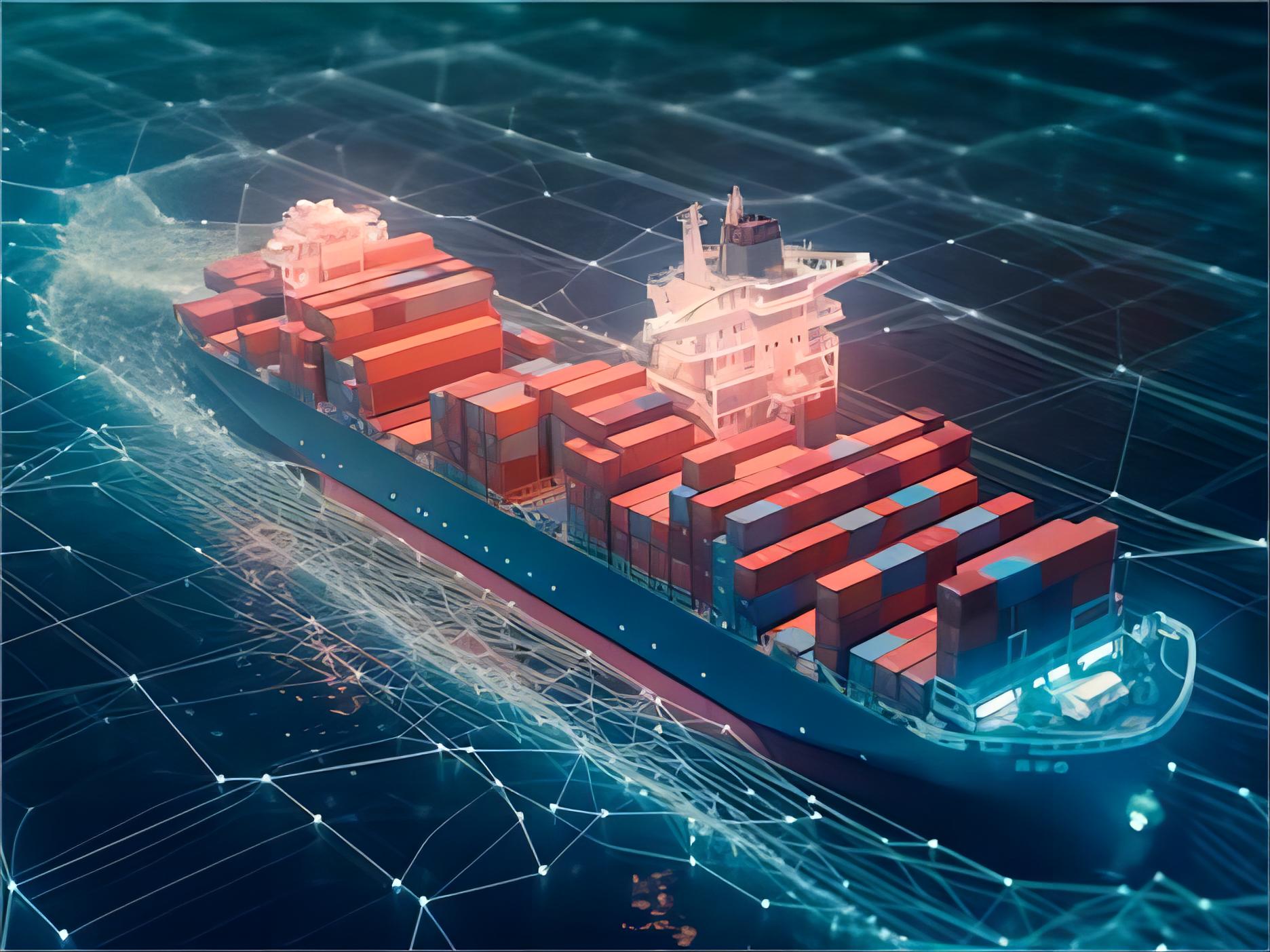
40HQ FCL Shipping from China to Seattle: 2025 Logistics Guide
40HQ FCL shipping from China to Seattle serves as a vital artery for businesses importing high-volume goods into the Pacific Northwest. Navigating the complexities of trans-Pacific logistics requires a deep understanding of container specifications, port operations, and fluctuating market rates. Consequently, many successful importers rely on TJ China Freight to manage their supply chain from major Chinese hubs to the Port of Seattle. This guide provides an in-depth analysis of the costs, timelines, and strategic decisions involved in moving a 40ft High Cube container across the ocean.

What is 40HQ FCL Shipping from China to Seattle?
FCL stands for Full Container Load, meaning you occupy the entire space of a container for your shipment. Specifically, a 40HQ or 40ft High Cube container offers significant advantages for lightweight but bulky cargo. This container type provides an extra foot of vertical height compared to standard 40GP containers, totaling approximately 76 cubic meters of space.
Choosing sea freight for your 40HQ container is generally the most cost-effective method for large inventories. Because the Port of Seattle is one of the closest major US ports to Asia, it often serves as the primary entry point for goods destined for Washington, Oregon, and Idaho. Furthermore, using a 40HQ container allows you to maximize your shipping budget by fitting more units into a single shipment.
Importers often prefer this method because it reduces the risk of damage associated with handling multiple smaller shipments. However, you must ensure your supplier can properly load the container to utilize the extra height effectively. Therefore, understanding the internal dimensions and weight limits of a 40HQ container is crucial before booking your freight.
How Does 40HQ FCL Compare to Other Shipping Options?
Evaluating different shipping methods is essential for optimizing your logistics strategy. While 40HQ FCL is ideal for large volumes, other options might suit specific business needs or urgent timelines. For instance, smaller shipments under 15 cubic meters often benefit more from LCL, or Less than Container Load, services.
Air freight offers the fastest transit times but comes with a significantly higher price tag. In contrast, sea freight via 40HQ containers provides a balance of high capacity and lower per-unit costs. Moreover, rail-sea hybrid solutions are occasionally used for inland North American destinations, though Seattle remains a primarily sea-driven port.
The following table provides a comparison of the most common shipping methods for the China to Seattle route. This analysis helps you determine which strategy aligns best with your budget and delivery requirements.
| 40HQ FCL | $2,800 – $3,800 | 14 – 18 Days | Bulk goods, high volume |
| LCL Shipping | $50 – $90 per CBM | 20 – 25 Days | Small shipments < 15 CBM |
| Air Freight | $5 – $9 per kg | 3 – 7 Days | Urgent, high-value cargo |
| Express | $8 – $12 per kg | 2 – 5 Days | Samples and documents |
Why Seattle is a Strategic Gateway for North America?
The Port of Seattle is a critical hub within the Northwest Seaport Alliance, offering streamlined access to North America markets. Because of its northern latitude, the sailing distance from ports like Shanghai or Ningbo is shorter than the route to Los Angeles or Long Beach. Consequently, transit times are often more predictable and slightly faster for West Coast deliveries.
Additionally, Seattle features advanced intermodal connections that link the port directly to major rail lines and interstate highways. This infrastructure allows for efficient movement of 40HQ containers from the dock to regional distribution centers. Meanwhile, the port has invested heavily in modernizing its terminals to handle the newest generations of ultra-large container vessels.
Importers also benefit from less congestion compared to Southern California ports during peak seasons. Nevertheless, you should still plan for potential seasonal delays during the Lunar New Year or the Q4 holiday rush. Indeed, choosing Seattle as your port of discharge can significantly improve your overall supply chain reliability.

Average Costs and Pricing Factors for 40HQ FCL
Understanding the cost structure of 40HQ FCL shipping from China to Seattle is vital for accurate budgeting. Freight rates are not static and fluctuate based on fuel surcharges, carrier capacity, and seasonal demand. Typically, a 40HQ container costs slightly more than a 40GP container, but the extra volume often results in a lower cost per cubic meter.
Market data suggests that as of early 2025, ocean freight rates have stabilized, though they remain sensitive to global economic shifts. In addition to the base ocean freight, you must account for origin charges, destination fees, and trucking costs. Furthermore, General Rate Increases (GRI) are often implemented by carriers during peak periods, which can impact your final invoice.
The table below outlines the typical price ranges for different container sizes on the China to Seattle route. Note: Freight rates are subject to change based on fuel costs, carrier capacity, and seasonal demand. Contact us for a current quote tailored to your specific shipment.
| 20GP Container | 33 CBM | $1,500 – $2,200 | 14 – 18 Days |
| 40GP Container | 67 CBM | $2,500 – $3,500 | 14 – 18 Days |
| 40HQ Container | 76 CBM | $2,800 – $3,800 | 14 – 18 Days |
Estimated Transit Times for 40HQ FCL Shipments
Transit time is a major consideration for businesses managing tight inventory cycles. The sea journey from China to Seattle is one of the fastest trans-Pacific routes available. For example, direct sailings from Shanghai or Ningbo typically take between 14 and 16 days to reach the terminal.
However, the total door-to-door time is longer because it includes inland transport, port loading, and customs clearance. Many importers choose door to door services to ensure a seamless transition between these stages. Consequently, you should expect a total timeline of 25 to 35 days from the time your goods leave the factory in China to their arrival at your Seattle warehouse.
Delays can occur due to weather conditions, port labor issues, or customs inspections. Therefore, it is wise to build a buffer into your delivery schedule, especially during the busy autumn months. Additionally, choosing a reliable freight forwarder can help you secure space on faster vessels with fewer transshipment stops.

Key Documentation for 40HQ FCL Shipping to Seattle
Proper documentation is the backbone of a successful import process. Missing or incorrect paperwork can lead to significant delays and expensive storage fees at the port. Specifically, the Bill of Lading, Commercial Invoice, and Packing List are the most critical documents required for every shipment.
Furthermore, US Customs requires an Importer Security Filing (ISF) to be submitted at least 24 hours before the vessel departs from China. Failure to file the ISF on time can result in heavy fines and mandatory cargo inspections. Consequently, working with an experienced customs brokerage is highly recommended to navigate these regulatory requirements.
The following checklist summarizes the essential documents you will need for your 40HQ FCL shipment. Ensuring these are ready well in advance will help you avoid unnecessary complications during the clearance process.
| Bill of Lading | Title of goods | Carrier | At departure |
| Commercial Invoice | Value declaration | Supplier | Before shipping |
| Packing List | Contents detail | Supplier | Before shipping |
| ISF (10+2) | Security filing | Importer/Broker | 24h before loading |
Case Studies: Real-World Examples of 40HQ FCL Success
Examining real-world scenarios provides valuable insight into the practicalities of 40HQ FCL shipping from China to Seattle. These cases highlight how different businesses optimize their costs and timelines based on their specific cargo needs.
The following examples represent typical shipments managed during the 2024-2025 period. They illustrate the importance of planning and the impact of choosing the right container size for high-volume goods.
+———————————————————+ | Case Study 1: Office Furniture Bulk Import | | Route: Ningbo, China to Seattle, USA | | Cargo: Ergonomic Chairs, 68 CBM, 12,000 kg | | Container: 40HQ | | | | Shipping Details: | | – Carrier/Service: Major trans-Pacific carrier | | – Port of Loading: Ningbo | | – Port of Discharge: Seattle | | – Route Type: Direct | | | | Cost Breakdown: | | – Ocean Freight: $3,150 | | – Origin Charges: $450 | | – Destination Charges: $600 | | – Customs and Duties: $1,200 | | – Total Landed Cost: $5,400 | | | | Timeline: | | – Booking to Loading: 5 days | | – Sea Transit: 15 days | | – Customs Clearance: 3 days | | – Total Door-to-Door: 28 days | | | | Key Insight: Using a 40HQ allowed the importer to fit | | 15% more chairs than a standard 40GP, reducing the | | per-unit shipping cost significantly. | +———————————————————+
+———————————————————+ | Case Study 2: Consumer Electronics Distribution | | Route: Shenzhen, China to Seattle, USA | | Cargo: Smart Home Devices, 65 CBM, 8,500 kg | | Container: 40HQ | | | | Shipping Details: | | – Carrier/Service: Premium Express Sea Service | | – Port of Loading: Shenzhen | | – Port of Discharge: Seattle | | – Route Type: Direct | | | | Cost Breakdown: | | – Ocean Freight: $3,600 | | – Origin Charges: $500 | | – Destination Charges: $750 | | – Customs and Duties: $4,500 | | – Total Landed Cost: $9,350 | | | | Timeline: | | – Booking to Loading: 4 days | | – Sea Transit: 17 days | | – Customs Clearance: 2 days | | – Total Door-to-Door: 26 days | | | | Key Insight: Based on Q3 2024 market rates, the | | importer opted for a premium service to ensure | | availability during the peak season rush. | +———————————————————+
Strategic Tips for Reducing Shipping Costs to Seattle
Reducing your 40HQ FCL shipping from China to Seattle expenses requires proactive planning and market intelligence. One of the most effective strategies is to book your shipments at least 3-4 weeks in advance. This allows you to lock in better rates and ensures container availability during busy periods.
Moreover, consider shipping during the ‘off-peak’ months of March through June to avoid high seasonal surcharges. Additionally, optimizing your packaging to utilize every inch of the 40HQ container can lower your landed cost per unit. For e-commerce sellers, leveraging Amazon FBA preparation services in China can also save on labor costs compared to US-based processing.
Negotiating with multiple carriers or working with a freight forwarder who has high-volume contracts can also yield significant savings. Meanwhile, always verify the weight of your cargo, as exceeding the legal limits for US road transport can lead to expensive transloading fees. Indeed, a well-optimized shipment is often the difference between a profitable quarter and a loss.
Which Shipping Option Should You Choose?
Determining the best shipping method depends on your specific priorities regarding cost, speed, and volume. If your primary goal is to minimize costs for a large inventory, 40HQ FCL is almost always the superior choice. However, if you are testing a new product with low volume, LCL might be a safer initial investment.
For those with urgent inventory needs, air freight is the only viable option despite its high cost. On the other hand, businesses looking for a balance of speed and cost should explore premium sea freight services that offer guaranteed loading and faster discharge. Specifically, consider your cargo type; high-value electronics may justify the cost of air, while furniture and textiles are best suited for 40HQ containers.
Ultimately, your decision should be based on a thorough analysis of your supply chain requirements. By evaluating the trade-offs between different methods, you can select a strategy that supports your business growth. If you are unsure, consulting with a logistics expert can provide the clarity needed to make an informed choice.

Final Thoughts on Shipping to Seattle
Successfully managing 40HQ FCL shipping from China to Seattle involves more than just finding the lowest price. It requires a comprehensive approach that considers transit times, customs compliance, and container utilization. By understanding the unique advantages of the Port of Seattle and the specifications of the 40HQ container, you can build a more resilient and cost-effective supply chain.
As market conditions continue to evolve in 2025, staying informed and adaptable is key to maintaining a competitive edge. Whether you are a seasoned importer or new to the industry, the right logistics partner can make all the difference. Start planning your next 40HQ FCL shipment today to ensure your goods arrive on time and within budget.
Ready to streamline your logistics?
Ready to optimize your supply chain? Contact TJ China Freight today for a customized quote on 40HQ FCL shipping from China to Seattle and experience hassle-free logistics.
Request Quote