

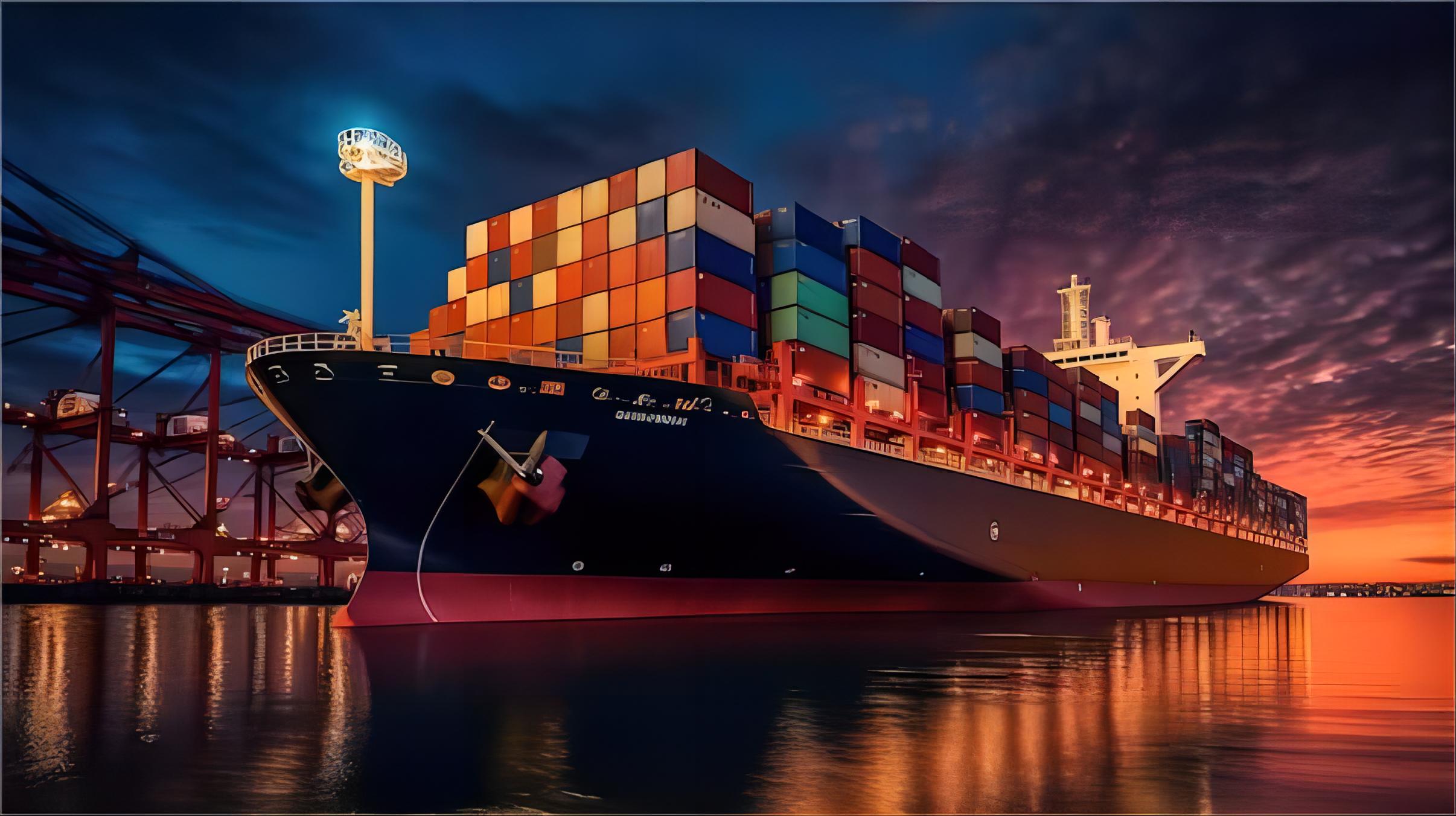
20GP FCL Shipping from China to Portugal: Your Ultimate Guide
Understanding the complexities of international freight can be challenging, especially when dealing with 20GP FCL shipping from China to Portugal. This guide simplifies the process, offering insights into optimizing your logistics. We address common pain points and provide practical solutions for efficient cargo movement.

What is 20GP FCL Shipping and Why Choose it for Portugal?
A 20GP, or 20-foot General Purpose container, is a standard shipping unit roughly 6 meters long. It offers a capacity of approximately 33 CBM (cubic meters), making it suitable for a wide range of goods. FCL stands for Full Container Load, meaning your cargo occupies the entire container, providing security and efficiency.
Choosing FCL for your shipments from China to Portugal offers significant advantages. Primarily, it ensures your goods are not mixed with others, reducing handling and potential damage. Furthermore, it often results in faster transit times compared to LCL (Less than Container Load) as there’s no need for consolidation or deconsolidation at various hubs.
For businesses with sufficient volume to fill or nearly fill a 20GP container, this method is typically more cost-effective. It provides better control over your delivery schedule and simplifies the customs clearance process. Therefore, it’s a preferred choice for many importers.

How Does 20GP FCL Shipping Compare to Other Options?
When importing from China to Portugal, understanding your shipping alternatives is crucial. While 20GP FCL offers distinct benefits, other methods might suit different needs. Evaluating cost, speed, and cargo type helps in making informed decisions.
Sea freight remains the most economical option for large volumes, albeit with longer transit times. Air freight provides speed but at a significantly higher cost. Rail freight, while viable for Central Europe, typically requires onward trucking to Portugal, adding complexity and cost.
Ultimately, the best choice depends on your specific business requirements and priorities. Consider the urgency of your shipment and the value of your goods when making a selection.
| Shipping Method | Cost Range (20GP Equivalent) | Transit Time (Days) | Best For | Limitations |
|---|---|---|---|---|
| 20GP FCL Sea Freight | $1,800 – $2,500 | 28 – 35 | Large volumes, cost-efficiency | Longer transit times, port congestion |
| LCL Sea Freight | $80 – $120/CBM | 30 – 40 | Smaller shipments (under 15 CBM) | More handling, potential delays, higher per CBM cost |
| Air Freight | $6 – $12/kg (chargeable weight) | 5 – 9 | Urgent, high-value, small shipments | Very high cost, volume/weight restrictions |
| Rail Freight (China to Europe) | $6,000 – $8,000 (40HQ) | 18 – 25 (to Germany/Poland) | Faster than sea, less costly than air (to central Europe) | Requires onward trucking to Portugal, not direct, limited capacity |
Optimizing Your Shipping Route and Transit Times
The journey from China to Portugal involves several key ports and routes. Major Chinese ports like Shanghai, Ningbo, Shenzhen, and Guangzhou are common departure points. In Portugal, the primary ports of entry are Lisbon (Lisboa) and Leixoes (Porto).
Direct routes offer the fastest sea transit, typically taking 28-35 days. However, transshipment through major European hubs like Rotterdam or Valencia can sometimes be more cost-effective. While this adds a few days to the transit, it can reduce overall freight rates, especially during peak seasons.

Seasonal variations significantly impact transit times and costs. For instance, the Golden Week holiday in October and Chinese New Year cause port closures and backlogs. Planning your shipments around these periods can help avoid delays and surcharges. Moreover, peak seasons from August to October often see rates increase by 15-25% due to higher demand.
| Origin Port (China) | Destination Port (Portugal) | Typical Sea Transit Time (Days) | Key Considerations |
|---|---|---|---|
| Shanghai | Lisbon | 30-35 | Major global hub, high frequency |
| Ningbo | Leixoes | 28-33 | Efficient port, good for Eastern China cargo |
| Shenzhen | Lisbon | 29-34 | Southern China hub, good for electronics |
| Qingdao | Leixoes | 32-37 | Northern China, may involve transshipment |
Understanding Customs and Documentation for Portugal Imports
Importing goods into Portugal requires meticulous attention to customs regulations and documentation. Proper preparation prevents costly delays and ensures a smooth clearance process. Therefore, working with an experienced customs brokerage service is highly recommended.
Essential documents include the Commercial Invoice, Packing List, Bill of Lading (or Air Waybill), and Certificate of Origin. Depending on the goods, additional permits or licenses may be necessary. For example, certain food products or electronics have specific import requirements.
Portugal, as an EU member, adheres to the Union Customs Code. This means goods cleared in Portugal can move freely within the EU. Understanding HS codes is critical for correct duty and tax assessment. Incorrect classification can lead to penalties or delays. Furthermore, VAT (Value Added Tax) is applied to most imports.
| Document | Purpose | Notes |
|---|---|---|
| Commercial Invoice | Details of sale, value, buyer/seller | Accurate description and value are crucial |
| Packing List | Contents of each package/container | Matches invoice, helps with physical inspection |
| Bill of Lading (B/L) | Contract of carriage, title to goods | Issued by carrier, essential for release of cargo |
| Certificate of Origin | Country where goods were produced | May be required for preferential tariffs or specific goods |
| Import License/Permit | Required for controlled goods | e.g., certain chemicals, pharmaceuticals, or agri-food products |
Cost Factors and Freight Rates for 20GP FCL Shipments
Several factors influence the overall cost of sea freight from China to Portugal. These include the base ocean freight rate, which fluctuates based on supply and demand, fuel costs, and carrier capacity. As of Q1 2025, freight rates from China to Europe have stabilized after the 2024 Red Sea disruptions, but remain subject to geopolitical events.
Beyond the ocean freight, various surcharges contribute to the total cost. These include Bunker Adjustment Factor (BAF) for fuel, Currency Adjustment Factor (CAF), and Peak Season Surcharges (PSS). Terminal Handling Charges (THC) at both origin and destination ports are also standard fees. Moreover, Value Added Tax (VAT) in Portugal (currently 23% for most goods) and customs duties must be factored in.
Market data suggests that typical rates for a 20GP FCL from major Chinese ports to Lisbon or Leixoes range from $1,800 to $2,500 for ocean freight. However, this excludes origin and destination charges, which can add another $500 to $1,000. It is always advisable to obtain a comprehensive quote that includes all charges from door-to-door. This helps in managing your overall door-to-door logistics costs effectively.
Note: Freight rates are subject to change based on fuel costs, carrier capacity, and seasonal demand. Contact us for a current quote tailored to your specific shipment.

Case Studies: Real-World 20GP FCL Shipments to Portugal
Examining real-world scenarios provides practical insights into the complexities and solutions for FCL shipping. These case studies highlight typical challenges and successful strategies for importers. They demonstrate how different factors impact the overall logistics process.
Case Study 1: Apparel Import for a Fashion Retailer
| Detail | Description |
|---|---|
| Route | Shanghai, China -> Lisbon, Portugal |
| Cargo | Seasonal apparel (textiles), 30 CBM, 8,000 kg |
| Container | 20GP FCL |
| Shipping Details | Carrier: COSCO, Port of Loading: Shanghai, Port of Discharge: Lisbon, Route Type: Direct |
| Cost Breakdown | Ocean Freight: $2,100, Origin Charges: $350, Destination Charges: $450, Customs & Duties (estimated): $1,200, Total Landed Cost: $4,100 |
| Timeline | Booking to Loading: 5 days, Sea Transit: 32 days, Customs Clearance: 3 days, Total Door-to-Door: 40 days |
| Key Insight | Smooth customs clearance due to accurate documentation and pre-cleared HS codes. Early booking avoided peak season surcharges. |
Case Study 2: Furniture Components for a Manufacturer
| Detail | Description |
|---|---|
| Route | Ningbo, China -> Leixoes, Portugal |
| Cargo | Wooden furniture components (MDF panels), 32 CBM, 10,000 kg |
| Container | 20GP FCL |
| Shipping Details | Carrier: MSC, Port of Loading: Ningbo, Port of Discharge: Leixoes, Route Type: Transshipment via Valencia |
| Cost Breakdown | Ocean Freight: $1,950, Origin Charges: $380, Destination Charges: $500, Customs & Duties (estimated): $950, Total Landed Cost: $3,780 |
| Timeline | Booking to Loading: 7 days, Sea Transit: 35 days, Customs Clearance: 4 days, Total Door-to-Door: 46 days |
| Key Insight | Opting for transshipment via Valencia offered a lower ocean freight rate, despite adding a few days to transit. Proactive communication with the consignee regarding delivery schedule was crucial. |
Which Option Should You Choose for Your Portugal Shipments?
Selecting the right shipping method depends on a careful assessment of your priorities. Consider your budget, the urgency of your goods, and their specific characteristics. Each option has its trade-offs, making a tailored approach essential for successful logistics.
If budget is your primary concern and you have ample lead time, sea freight via 20GP FCL is almost always the most economical choice. It’s ideal for non-perishable goods and bulk items. However, if speed is paramount for high-value or time-sensitive inventory, air freight is indispensable.
For cargo volumes under 15 CBM, LCL (Less than Container Load) might be more cost-effective than a 20GP FCL, as you only pay for the space you use. Nevertheless, LCL involves more handling and potentially longer transit times. Hybrid solutions, like sea-air for urgent components, can also offer a balance of speed and cost for specific supply chain needs.
Maximizing Efficiency with a Reliable Freight Partner
Navigating the complexities of international shipping from China to Europe requires expertise. A professional freight forwarder can significantly streamline your supply chain. They handle everything from booking and documentation to customs clearance and final delivery.
A reliable partner offers crucial insights into current market trends and potential challenges. They can advise on optimal routes, consolidate shipments, and negotiate favorable rates. This expertise is particularly valuable for businesses seeking to reduce express service costs and improve delivery schedules. Furthermore, they provide peace of mind, allowing you to focus on your core business operations.
Choosing a forwarder with a strong network in both China and Portugal ensures seamless coordination. They can provide real-time tracking and proactive communication. Consequently, this helps in managing expectations and mitigating potential disruptions. This partnership is vital for consistent and reliable shipping performance.
Seamless 20GP FCL Shipping from China to Portugal
Effectively managing 20GP FCL shipping from China to Portugal is crucial for international trade. By understanding the nuances of container types, customs, and various shipping methods, businesses can make informed decisions. Partnering with an experienced freight forwarder further simplifies this complex process, ensuring timely and cost-efficient delivery.
Ultimately, a well-planned logistics strategy minimizes risks and maximizes profitability. Focus on clear communication, thorough documentation, and leveraging expert advice. This approach ensures your cargo reaches Portugal smoothly and efficiently.
Start Your Shipment
Ready to optimize your 20GP FCL shipping from China to Portugal? Contact our experts today for a personalized quote and discover how we can streamline your logistics. We are committed to providing efficient and cost-effective solutions for your unique shipping requirements.
Request Quote