

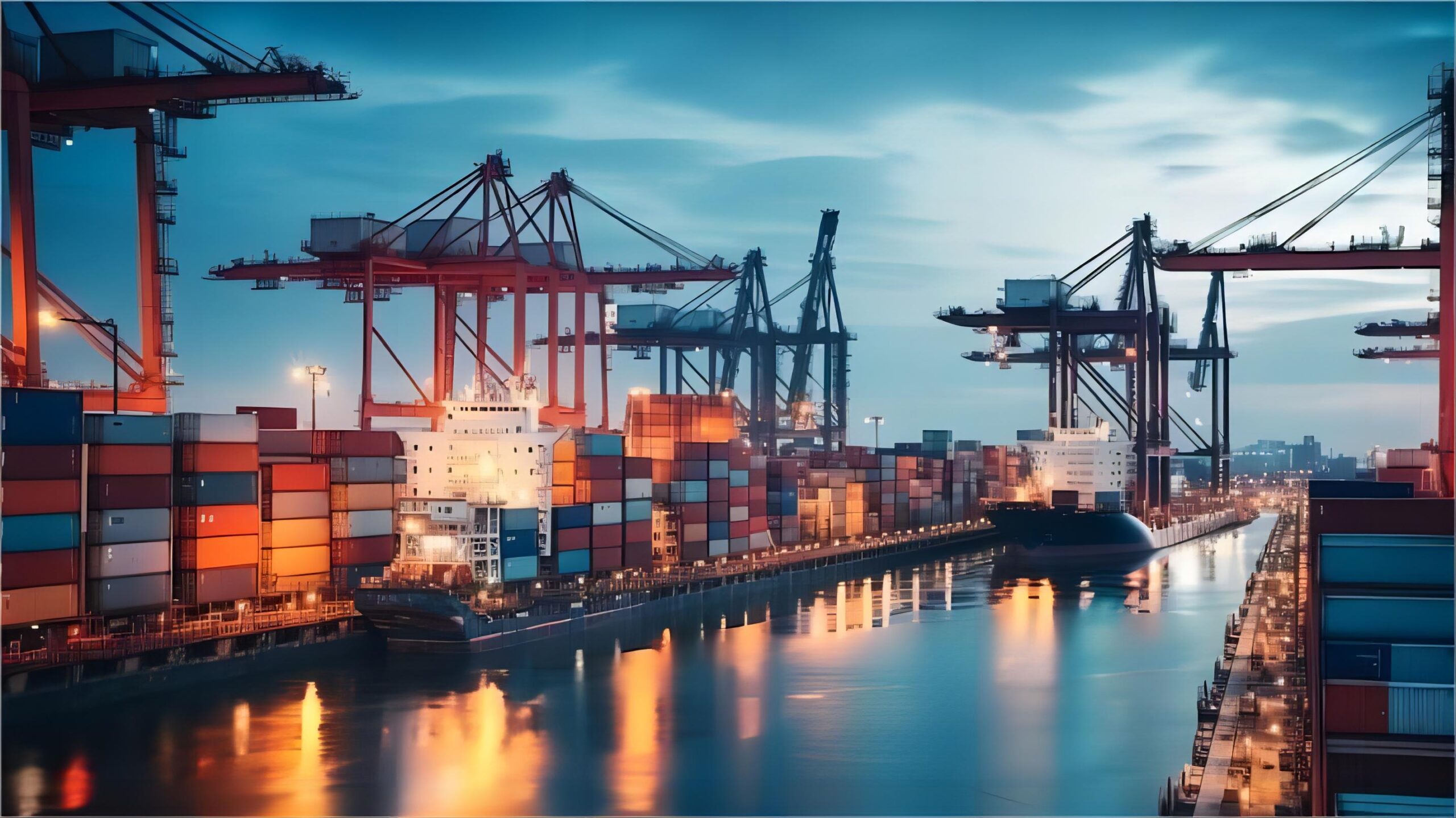
20GP FCL Sailing Schedule for Medical Equipment to Miami
“Navigating the logistics of importing medical equipment from China to Miami requires precise planning, especially concerning the 20GP FCL sailing schedule. This guide offers essential insights for ensuring timely and cost-effective delivery of your sensitive cargo. Discover how TJ China Freight streamlines your supply chain challenges.”

Understanding 20GP FCL for Medical Equipment Shipments
❖A 20GP (General Purpose) Full Container Load (FCL) offers dedicated space for your medical equipment, ensuring security and minimizing handling. This method is ideal for medium-sized shipments that require exclusive container use. Moreover, FCL reduces the risk of damage or contamination, which is crucial for sensitive medical devices.
Choosing FCL provides greater control over your cargo’s environment and transit. Therefore, it is often preferred for high-value or fragile medical supplies. Learn more about comprehensive sea freight solutions tailored for your specific needs.
Typical 20GP FCL Sailing Schedules to Miami
❖The sailing schedule for a 20GP FCL from major Chinese ports to Miami typically ranges from 30 to 35 days. This duration can vary based on the specific port of loading, carrier, and transshipment points. For instance, direct services are faster but may be less frequent.
Key ports like Shanghai, Ningbo, and Shenzhen offer regular departures to Miami. Consequently, understanding these schedules is vital for efficient inventory management. Always confirm current transit times with your freight forwarder due to potential port congestion or unforeseen delays.
| Origin Port (China) | Destination Port (Miami) | Average Transit Time (Days) | Frequency |
|---|---|---|---|
| Shanghai | Miami | 30-34 | Weekly |
| Ningbo | Miami | 32-35 | Weekly |
| Shenzhen | Miami | 30-33 | Weekly |
| Qingdao | Miami | 33-36 | Bi-Weekly |
How Does Sea Freight Compare to Other Shipping Options?
❖Comparing sea freight with other options is essential for optimizing your logistics strategy. While air freight offers speed, sea freight provides significant cost savings, especially for larger volumes. However, transit times are considerably longer via ocean.
For urgent medical supplies, air freight remains the fastest option. Nevertheless, its higher cost often makes it impractical for routine, large-volume shipments. Considering the cargo’s urgency and budget helps in making an informed decision.
| Shipping Method | Cost Range (20GP Eq.) | Transit Time (Days) | Best For | Limitations |
|---|---|---|---|---|
| FCL Sea Freight | $2,500 – $3,500 | 30-35 | Large volume, non-urgent | Longer transit time |
| LCL Sea Freight | $500 – $1,500 | 35-45 | Small volume, non-urgent | More handling, potential delays |
| Air Freight | $15,000 – $25,000 | 5-7 | Urgent, high-value, small | High cost, volume restrictions |

When to Consider Air Freight
Air freight is suitable for high-value, low-volume, or time-critical medical equipment. If a piece of equipment is needed for an immediate medical procedure, the higher cost of air shipping is justified. Transit times are typically 5-7 days from China to Miami.
Is LCL an Option for Medical Equipment?
Less than Container Load (LCL) can be cost-effective for very small shipments. However, LCL involves more handling and consolidation, increasing potential risks for delicate medical devices. Thus, FCL is generally recommended for medical equipment to ensure cargo integrity.
Navigating Customs and Regulations for Medical Devices
❖Importing medical equipment into the USA involves strict FDA regulations and customs clearance procedures. Accurate documentation, including import permits and product specifications, is paramount. Moreover, missteps can lead to significant delays and penalties.
Engaging a reliable customs brokerage service is crucial for seamless entry. They ensure compliance with all import laws and expedite the clearance process. This minimizes the risk of your 20GP FCL medical equipment shipment being held at port.
Real-World Scenarios: Medical Equipment Shipments to Miami
❖Understanding practical applications helps illustrate the complexities and solutions in shipping medical equipment. These scenarios highlight typical challenges and successful strategies. Indeed, each shipment presents unique logistical requirements.
Case Study 1: Large Volume Medical Consumables
| Detail | Description |
|---|---|
| Route | Shanghai, China -> Miami, USA |
| Cargo | Disposable surgical masks and gloves, 28 CBM, 4,500 kg |
| Container | 20GP FCL |
| Shipping Details | Carrier: COSCO, Port of Loading: Shanghai, Port of Discharge: Miami, Route Type: Direct |
| Cost Breakdown (Estimated) | Ocean Freight: $2,800, Origin Charges: $350, Destination Charges: $400, Customs & Duties: $250, Total Landed Cost: $3,800 |
| Timeline | Booking to Loading: 5 days, Sea Transit: 32 days, Customs Clearance: 3 days, Total Door-to-Door: 40 days |
| Key Insight | Timely documentation and pre-clearance reduced port delays. Rates based on Q4 2024 market conditions. |

Case Study 2: High-Value Diagnostic Equipment
| Detail | Description |
|---|---|
| Route | Shenzhen, China -> Miami, USA |
| Cargo | Ultrasound machines (2 units), 20 CBM, 2,800 kg |
| Container | 20GP FCL |
| Shipping Details | Carrier: Maersk, Port of Loading: Shenzhen, Port of Discharge: Miami, Route Type: Transshipment via Panama |
| Cost Breakdown (Estimated) | Ocean Freight: $3,200, Origin Charges: $400, Destination Charges: $450, Customs & Duties: $800, Total Landed Cost: $4,850 |
| Timeline | Booking to Loading: 7 days, Sea Transit: 35 days, Customs Clearance: 4 days, Total Door-to-Door: 46 days |
| Key Insight | Utilized specialized crating and door to door service for fragile items. Slight delay due to transshipment port congestion. |
Optimizing Your Medical Equipment Supply Chain
❖Effective supply chain management is vital for medical equipment importers. Planning ahead, especially during peak seasons, can mitigate risks and control costs. Consider flexible shipping strategies, including potential use of express service for urgent, smaller components.
Furthermore, establishing strong relationships with experienced freight forwarders can provide valuable market insights and logistical support. This ensures your 20GP FCL sailing schedule for medical equipment from China to Miami remains efficient and reliable. Note: Freight rates are subject to change based on fuel costs, carrier capacity, and seasonal demand. Contact us for a current quote tailored to your specific shipment.
Ensuring Smooth Sailing for Your Medical Equipment
Securing a reliable 20GP FCL sailing schedule for medical equipment from China to Miami requires careful planning and expert execution. By understanding transit times, navigating customs, and choosing the right shipping partner, you can ensure your vital cargo arrives safely and on time. Proactive logistics management is key to success in this specialized sector.
Ready to streamline your logistics?
Ready to streamline your medical equipment imports? Contact us today for a personalized quote and expert guidance on your 20GP FCL sailing schedule from China to Miami. Our team is prepared to offer efficient and reliable solutions for your critical cargo needs.
Request Quote