

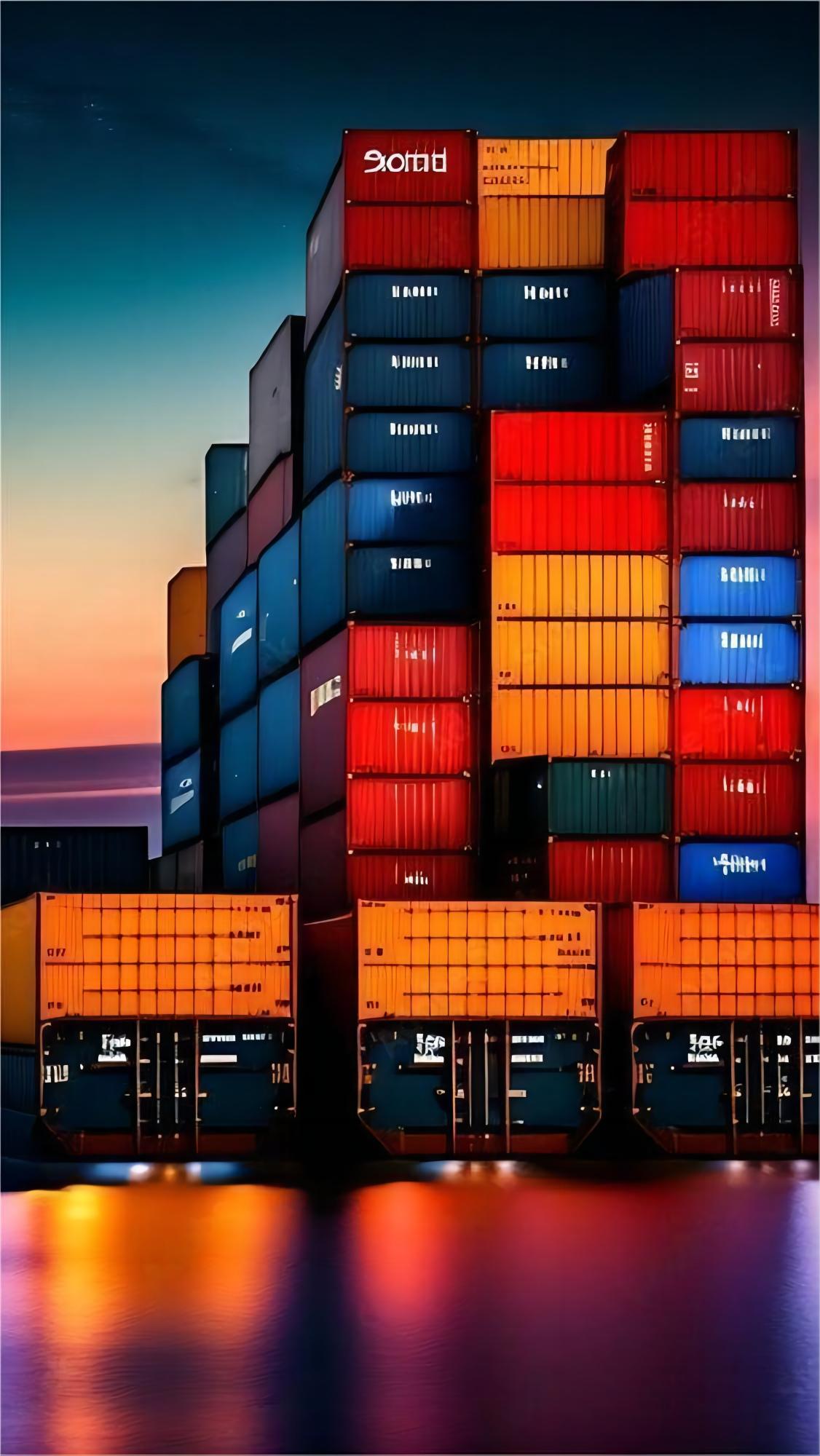
Reefer FCL Shipping Cost for Machinery from China to New York
Transporting specialized machinery from China to New York demands careful planning, especially when temperature control is essential. Reefer FCL (Full Container Load) shipping offers a precise solution for sensitive equipment, ensuring optimal conditions throughout transit. Understanding the intricacies of reefer FCL shipping cost for machinery from China to New York is crucial for a successful and cost-effective import. TJ China Freight specializes in managing these complex logistics.

What Exactly is Reefer FCL Shipping for Machinery?
Reefer FCL shipping involves using a refrigerated container to transport temperature-sensitive cargo. While commonly associated with perishables, it is indispensable for certain types of advanced machinery. This method ensures that sensitive components are protected from extreme heat, cold, or humidity fluctuations.
Precision engineering equipment, medical devices, and specific electronic components can degrade or malfunction if exposed to uncontrolled environments. Therefore, a reefer FCL provides the stable climate necessary for preserving their integrity. This specialized service prevents costly damage and ensures machinery arrives in optimal working condition.
Key Factors Influencing Reefer FCL Shipping Cost for Machinery from China to New York
Many variables contribute to the overall reefer FCL shipping cost for machinery from China to New York. Understanding these elements helps importers budget accurately and anticipate expenses. Fuel surcharges and equipment availability significantly impact the final price.
Moreover, the specific type of reefer container (e.g., standard reefer, super freezer) affects pricing due to varying operational costs and technological demands. Seasonal demand also plays a substantial role, with peak seasons often driving rates higher. Port congestion and unforeseen global events can introduce additional surcharges.
| Cost Factor | Description | Impact on Cost |
|---|---|---|
| Ocean Freight Base Rate | Cost for container space on the vessel. | Primary cost; varies by carrier, route, and season. |
| Fuel Surcharges (BAF/EBS) | Bunker Adjustment Factor (BAF) for fuel price fluctuations. | Fluctuates monthly, adds significant variable cost. |
| Reefer Surcharges | Additional charges for power and temperature monitoring. | Specific to reefer containers, covers specialized equipment use. |
| Origin Charges | Terminal Handling Charges (THC), documentation, trucking to port. | Fixed costs at the China port of loading. |
| Destination Charges | THC, drayage, customs clearance fees in New York. | Fixed costs at the New York port of discharge. |
| Customs Duties & Taxes | Import tariffs and taxes based on machinery’s HS code. | Can be substantial; depends on machinery type and value. |
Understanding Transit Times and Routes for Machinery to New York
The transit time for reefer FCL shipping from China to New York typically ranges from 30 to 35 days for direct services. This duration can vary based on the specific port of origin in China and the chosen shipping line. Major departure ports include Shanghai, Ningbo, Shenzhen, and Qingdao.
Furthermore, some routes may involve transshipment through intermediary ports, which can extend the overall transit time by several days. While direct routes are generally faster, they might sometimes be more expensive. Careful planning is essential for managing your delivery schedule effectively.

Typical Transit Times (China to New York)
Here’s a general overview of transit times for FCL shipments from key Chinese ports to New York, assuming direct routes. These times are for port-to-port and do not include inland transportation or customs clearance processes.
Understanding these estimates helps in forecasting your supply chain logistics. Always confirm current transit times with your freight forwarder, as they can change due to weather or port conditions.
| Origin Port (China) | Destination Port (New York) | Estimated Sea Transit Time |
|---|---|---|
| Shanghai | New York (NY/NJ) | 30-34 days |
| Ningbo | New York (NY/NJ) | 32-36 days |
| Shenzhen | New York (NY/NJ) | 28-32 days |
| Qingdao | New York (NY/NJ) | 33-37 days |
Customs Clearance and Documentation for Specialized Machinery Imports
Navigating customs clearance is a critical aspect of importing machinery into New York. Proper documentation and adherence to regulations are paramount to avoid delays and penalties. Incorrect classification or missing permits can significantly impact your delivery schedule and costs.
Importers must accurately classify their machinery using the Harmonized System (HS) code. This code determines applicable duties and taxes. Additionally, certain specialized machinery may require specific import permits or certifications from U.S. regulatory bodies, such as the EPA or FDA. This process can be complex, so expert assistance is often recommended.
Essential Documents for Machinery Imports
A comprehensive set of documents is required for smooth customs processing. Ensuring all paperwork is accurate and complete beforehand will expedite the clearance process. This preparation minimizes potential hold-ups at the port of entry.
For complex industrial equipment, additional technical specifications or safety certifications might be necessary. Working with an experienced customs brokerage service is invaluable for managing these requirements.
| Document | Purpose | Notes |
|---|---|---|
| Commercial Invoice | Details of goods, value, buyer/seller. | Crucial for customs valuation and duties. |
| Packing List | Itemized list of contents, weights, dimensions. | Aids in cargo inspection and handling. |
| Bill of Lading (BOL) | Contract of carriage, title to goods. | Issued by carrier; proof of shipment. |
| Certificate of Origin | Confirms country of manufacture. | May affect duty rates under trade agreements. |
| Import License/Permits | Required for controlled or restricted goods. | Specific to certain machinery types or industries. |
| Technical Specifications | Detailed info for specialized equipment. | Supports HS classification and regulatory compliance. |
How Does Reefer FCL Compare to Other Shipping Options?
When shipping machinery from China to New York, businesses have several options, each with distinct advantages and drawbacks. Reefer FCL is ideal for temperature-sensitive equipment, but other methods might suit different cargo types or budget constraints. Evaluating these alternatives helps in making informed logistics decisions.
For instance, while sea freight is generally the most cost-effective for large volumes, the choice between FCL and LCL, or even air freight, depends heavily on cargo characteristics and urgency. This comparison highlights the trade-offs involved in selecting the appropriate transport mode.
Shipping Method Comparison: China to New York
This table provides a comprehensive overview of the main shipping methods. It considers cost, transit time, and suitability for various types of machinery. The optimal choice balances budget, speed, and cargo specific needs.
Note: Freight rates are subject to change based on fuel costs, carrier capacity, and seasonal demand. Contact us for a current quote tailored to your specific shipment.
| Shipping Method | Cost Range (40HQ) | Transit Time | Best For | Limitations |
|---|---|---|---|---|
| Reefer FCL Sea Freight | $4,500-$6,000+ | 30-35 days | Temperature-sensitive, high-value machinery | Higher cost, requires specialized equipment. |
| Standard FCL Sea Freight | $4,000-$5,500 | 30-35 days | Large, non-sensitive, heavy machinery | Not suitable for temperature-sensitive items. |
| LCL Sea Freight | $50-$80/CBM | 35-45 days | Smaller machinery, less than 15 CBM | Longer transit, higher risk of damage, more handling. |
| Air Freight (Cargo) | $15,000-$25,000+ | 5-7 days | Urgent, high-value, lightweight machinery | Very high cost, limited by size/weight, less capacity. |
| Sea-Air Hybrid | $8,000-$15,000 | 15-20 days | Moderately urgent, lower volume, non-sensitive | Combination of costs and risks. |

Which Option Should You Choose?
Selecting the best shipping method hinges on your specific priorities and the nature of your machinery. Consider your budget, urgency, and the cargo’s vulnerability to environmental factors. A detailed assessment prevents costly mistakes and ensures efficient logistics.
For budget-conscious shipments where speed is not critical, standard FCL sea freight is often preferred. However, for machinery requiring strict environmental control, the added expense of reefer FCL is a necessary investment. Urgent or extremely high-value items might justify the premium of air freight.
Optimizing Your Reefer FCL Shipping Costs and Efficiency
Effectively managing the reefer FCL shipping cost for machinery from China to New York requires strategic planning. Several approaches can help mitigate expenses while maintaining service quality. Proactive measures lead to significant savings and smoother operations.
Consolidating shipments, when feasible, can reduce per-unit costs. Furthermore, negotiating favorable rates with carriers and freight forwarders is key. Flexible shipping schedules, avoiding peak seasons, can also result in lower freight charges. Exploring door-to-door services can simplify logistics and sometimes offer bundled savings.
Cost-Saving Strategies for Reefer Machinery Transport
Several practical strategies can help reduce the overall expenditure on specialized machinery shipping. These methods require careful consideration but can yield substantial financial benefits. Implementing these tips can optimize your supply chain.
Consider engaging a freight forwarder early in your planning process. Their expertise can help identify the most economical routes and carriers for your specific machinery. They often have access to better rates and can navigate complex logistics more efficiently. Furthermore, ensuring accurate documentation from the outset prevents costly delays and demurrage charges.
Real-World Case Studies: Machinery Shipping to New York
Examining real-world scenarios provides practical insights into the complexities and costs associated with reefer FCL shipping for machinery. These examples highlight the various factors at play and demonstrate effective logistics solutions. Each case illustrates different challenges and successful outcomes.
Based on Q3 2024 market rates, these case studies offer realistic perspectives on shipping temperature-sensitive industrial equipment. They underscore the importance of choosing the right partner and planning meticulously for international freight.
Case Study 1: High-Precision Robotic Arm
A client needed to transport a delicate robotic arm for advanced manufacturing, requiring precise temperature and humidity control. The machinery was critical for a new production line, demanding careful handling and a reliable transit schedule.
This shipment showcased the necessity of reefer containers for high-value, sensitive equipment. The continuous monitoring prevented any environmental damage, ensuring the robotic arm was ready for immediate installation upon arrival.
| Detail | Description |
|---|---|
| Route | Shanghai, China New York, USA |
| Cargo | High-precision Robotic Arm, 28 CBM, 4,500 kg |
| Container | 40HQ Reefer |
| Shipping Details | Carrier: COSCO, Port of Loading: Shanghai, Port of Discharge: New York/New Jersey (NY/NJ), Route Type: Direct |
| Cost Breakdown | Ocean Freight: $5,200, Origin Charges: $650, Destination Charges: $700, Customs & Duties (estimated): $1,200, Total Landed Cost: $7,750 |
| Timeline | Booking to Loading: 5 days, Sea Transit: 32 days, Customs Clearance: 3 days, Total Door-to-Door: 40 days |
| Key Insight | Temperature control was paramount; continuous monitoring ensured zero damage to sensitive electronics. Proactive communication with the sea freight carrier was crucial. |
Case Study 2: Medical Imaging Equipment
A medical distributor required the shipment of advanced imaging equipment, which was highly susceptible to condensation and temperature extremes. The delivery had a strict deadline for a hospital installation project.
This case highlights the importance of timely and secure transport for critical medical devices. The choice of reefer FCL ensured the equipment remained stable, avoiding any calibration issues or operational failures due to environmental stress.
| Detail | Description |
|---|---|
| Route | Ningbo, China New York, USA |
| Cargo | Medical Imaging Equipment, 22 CBM, 3,800 kg |
| Container | 40GP Reefer |
| Shipping Details | Carrier: MSC, Port of Loading: Ningbo, Port of Discharge: New York/New Jersey (NY/NJ), Route Type: Transshipment via Busan |
| Cost Breakdown | Ocean Freight: $4,800, Origin Charges: $600, Destination Charges: $680, Customs & Duties (estimated): $1,050, Total Landed Cost: $7,130 |
| Timeline | Booking to Loading: 7 days, Sea Transit: 35 days, Customs Clearance: 4 days, Total Door-to-Door: 46 days |
| Key Insight | Slightly longer transit due to transshipment, but cost savings were achieved. Rigorous pre-shipment checks prevented humidity issues inside the container. |

Case Study 3: Industrial Control Panels
An industrial client needed to import a batch of sophisticated control panels for a factory upgrade. These panels contained delicate electronic components that could be compromised by fluctuating temperatures during transit.
The success of this shipment underlined the value of specialized reefer services for even seemingly robust industrial components. Protecting these panels from environmental stress avoided expensive replacements and project delays.
| Detail | Description |
|---|---|
| Route | Shenzhen, China New York, USA |
| Cargo | Industrial Control Panels, 20 CBM, 3,000 kg |
| Container | 20GP Reefer |
| Shipping Details | Carrier: Maersk, Port of Loading: Shenzhen, Port of Discharge: New York/New Jersey (NY/NJ), Route Type: Direct |
| Cost Breakdown | Ocean Freight: $3,200, Origin Charges: $550, Destination Charges: $600, Customs & Duties (estimated): $900, Total Landed Cost: $5,250 |
| Timeline | Booking to Loading: 4 days, Sea Transit: 30 days, Customs Clearance: 3 days, Total Door-to-Door: 37 days |
| Key Insight | Efficient direct route minimized transit time. Comprehensive customs brokerage ensured rapid clearance of electronic components. |
Navigating Reefer FCL Shipping for Machinery with Confidence
The process of determining the reefer FCL shipping cost for machinery from China to New York involves numerous factors, from freight rates and surcharges to customs duties and transit times. While complex, understanding these elements is vital for successful international trade. Partnering with an experienced freight forwarder simplifies this journey significantly.
Indeed, selecting a reliable logistics partner like TJ China Freight ensures your temperature-sensitive machinery arrives safely and efficiently. Their expertise in specialized cargo handling and regulatory compliance provides peace of mind. Ultimately, this partnership allows you to focus on your core business, knowing your valuable assets are in capable hands.
Ready to streamline your logistics?
Planning your next reefer FCL shipment for machinery from China to New York? Do not leave your valuable equipment to chance. Contact TJ China Freight today for a personalized quote and expert guidance on navigating complex international logistics. We are ready to assist you.
Request Quote