

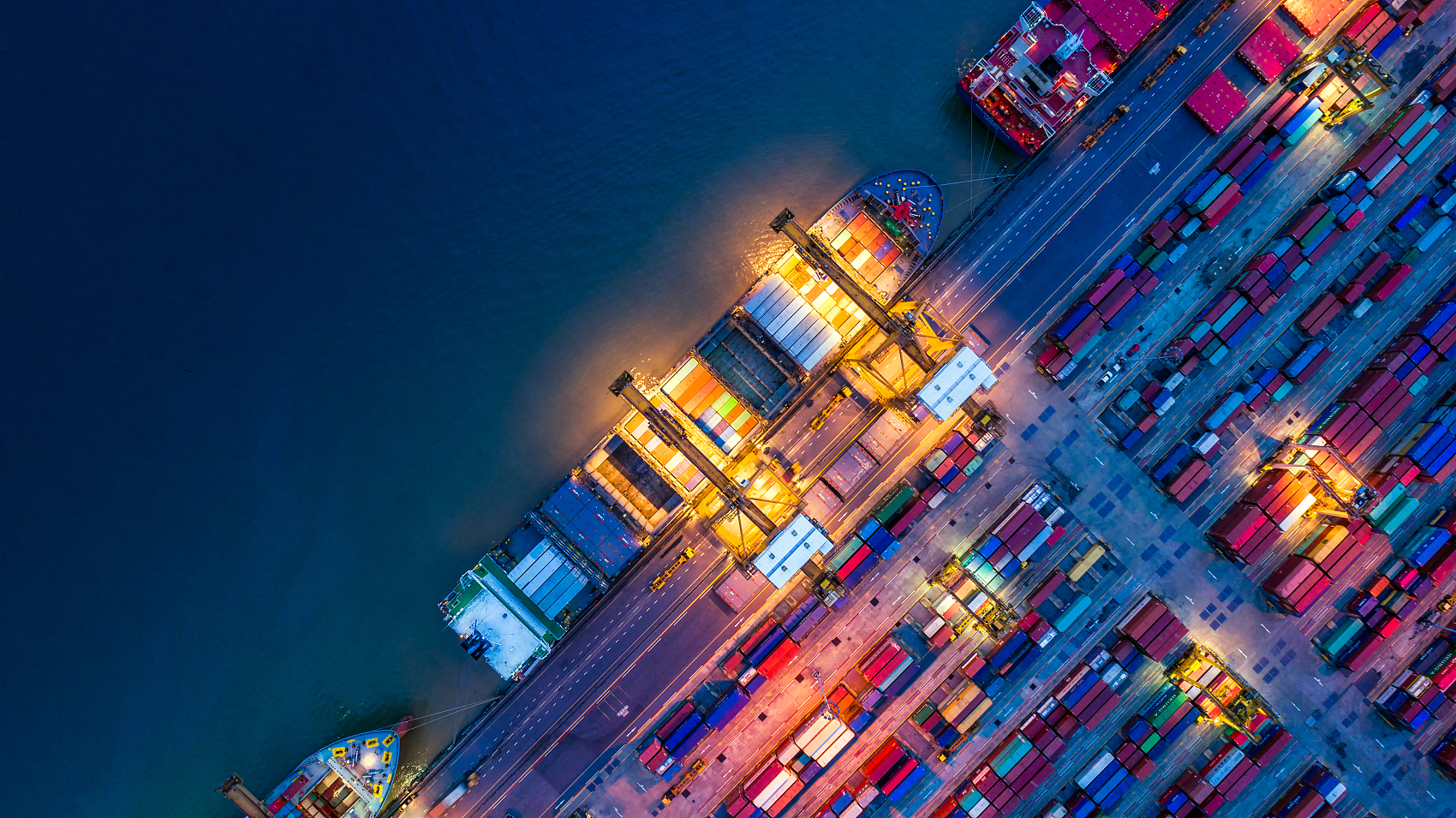
Reefer FCL Booking: Medical Equipment China to Netherlands
Shipping sensitive medical equipment from China to the Netherlands demands a specialized approach, particularly when temperature control is paramount. Navigating the intricate Reefer FCL booking process for medical equipment from China to Netherlands requires expert knowledge to ensure product integrity and regulatory compliance. This comprehensive guide will walk you through every critical step, from initial planning to final delivery, helping you safeguard your valuable cargo.
✦
Understanding Reefer FCL for Medical Equipment
Reefer FCL, or Refrigerated Full Container Load, is essential for transporting temperature-sensitive goods, including a wide array of medical equipment. This method utilizes specialized containers equipped with refrigeration units, maintaining precise temperature ranges throughout the entire journey. Therefore, it is crucial for preserving the efficacy and safety of pharmaceuticals, diagnostic kits, and other critical medical devices.
Furthermore, the integrity of the cold chain is non-negotiable for medical equipment. Any deviation from the specified temperature range can lead to product degradation, rendering the equipment unusable or unsafe. Consequently, choosing Reefer FCL ensures that your valuable cargo remains within optimal conditions from the moment it leaves the manufacturing facility in China until it reaches its destination in the Netherlands.
Key Steps in the Reefer FCL Booking Process
Successfully managing the Reefer FCL booking process for medical equipment from China to Netherlands involves several meticulous stages. Each step requires careful attention to detail to prevent costly delays or damage. Ultimately, a well-executed plan minimizes risks and ensures a smooth supply chain.

Indeed, navigating these complexities often benefits from an experienced logistics partner. They can provide invaluable guidance and support throughout the entire shipping journey, ensuring compliance and efficiency.
1. Pre-Shipment Planning and Preparation
Initiating the process involves a thorough assessment of your medical equipment’s specific requirements. This includes determining the precise temperature range needed, humidity control, and any other environmental specifications. Moreover, proper packaging is vital; specialized thermal packaging or insulated containers within the reefer can provide an additional layer of protection. Always confirm the cargo’s dimensions and weight to select the appropriate container size.
Additionally, consider the route and potential transit times. Different routes may have varying temperature fluctuations, which can impact the overall cold chain integrity. Planning ahead for potential delays is also a prudent measure.
2. Choosing the Right Reefer Container
Selecting the correct reefer container type is fundamental for medical equipment transport. Standard reefer containers typically maintain temperatures between -25°C and +25°C. However, some specialized reefers offer ultra-low temperature capabilities or enhanced humidity control. Therefore, match the container’s specifications precisely to your product’s needs.
Furthermore, consider the power supply at both origin and destination ports, as well as during transit. Most reefers require continuous power, so ensure the carrier can provide this throughout the entire journey. Always verify the container’s condition and calibration records before loading.
3. Documentation and Compliance
Medical equipment shipments are subject to stringent regulatory requirements in both China and the Netherlands (EU). Consequently, comprehensive and accurate documentation is paramount. This includes commercial invoices, packing lists, certificates of origin, and product-specific permits or licenses. Engaging a reliable customs brokerage service is highly recommended to ensure all paperwork is in order.
Moreover, specific health certificates or Good Distribution Practice (GDP) compliance documentation might be necessary for certain medical devices or pharmaceuticals. Failure to comply can result in significant delays, fines, or even cargo seizure. Therefore, meticulous preparation of these documents is critical.
| Document | Purpose | Notes |
|---|---|---|
| Commercial Invoice | Details of goods, value, seller/buyer | Used for customs valuation |
| Packing List | Itemized list of contents, weight, dimensions | Aids customs inspection and cargo handling |
| Bill of Lading (B/L) | Contract of carriage, title to goods | Issued by carrier, crucial for cargo release |
| Certificate of Origin | Proves country of manufacture | May impact import duties and tariffs |
| Health/Sanitary Certificate | Ensures product safety and quality | Required for certain medical devices/pharmaceuticals |
| Import License/Permit | Authorization to import specific goods | Issued by Dutch regulatory bodies if applicable |
| Temperature Log/Recorder | Records temperature throughout transit | Proof of cold chain integrity |
4. Booking and Carrier Selection
Once all preparations are complete, the next step is to book your Reefer FCL with a suitable carrier. Consider factors such as transit time, reputation for handling sensitive cargo, and their track record with cold chain logistics. Furthermore, compare freight rates from multiple providers. Be sure to clarify all surcharges, including fuel, port, and reefer-specific fees.
Additionally, confirm the availability of suitable reefer containers and the carrier’s ability to maintain the required temperature settings throughout the voyage. A reliable carrier will offer transparent tracking and communication, providing peace of mind during transit.
5. Monitoring and Cold Chain Management
Continuous monitoring is a hallmark of effective cold chain management. Modern reefer containers often come equipped with remote monitoring systems, allowing real-time tracking of temperature and humidity. Therefore, ensure your chosen logistics partner provides access to such data. This proactive approach allows for immediate intervention if any temperature deviations occur.
Furthermore, upon arrival, a thorough inspection of the reefer container and its contents is essential. Verify that temperature logs are consistent with requirements and that there are no signs of compromise. This final check is crucial for confirming the integrity of the medical equipment before distribution.
Critical Considerations for Medical Equipment Shipments
Beyond the standard shipping protocols, medical equipment logistics present unique challenges. These include strict regulatory frameworks, specialized packaging needs, and the imperative of robust cargo insurance. Addressing these aspects proactively is vital for a successful shipment.
Moreover, understanding the nuances of these requirements can significantly mitigate risks and ensure compliance with international and national health standards.

Regulatory Compliance and GDP
The European Union, including the Netherlands, has stringent regulations for medical devices and pharmaceuticals, notably the Medical Device Regulation (MDR) and In Vitro Diagnostic Regulation (IVDR). Good Distribution Practice (GDP) guidelines are also critical for maintaining product quality and integrity throughout the supply chain. Consequently, all parties involved, from manufacturers to freight forwarders, must adhere to these standards.
Furthermore, documentation proving GDP compliance, cold chain validation, and product traceability are often required. Working with a logistics provider experienced in pharmaceutical logistics and medical device transport to Europe is essential for navigating these complex requirements successfully.
Specialized Packaging and Handling
The packaging for medical equipment in a reefer container must do more than just protect against physical damage. It must also contribute to temperature stability. This often involves using insulated liners, phase change materials (PCMs), or gel packs within the primary packaging. Therefore, these supplementary measures act as a buffer against minor temperature fluctuations.
Additionally, proper labeling, including ‘Fragile,’ ‘Temperature Sensitive,’ and ‘Do Not Freeze’ indicators, is crucial. Training for all personnel involved in handling is equally important to prevent mishandling. This ensures that the delicate nature of the cargo is respected at every touchpoint.
Cargo Insurance for High-Value Goods
Given the high value and critical nature of medical equipment, comprehensive cargo insurance is not merely an option but a necessity. Standard carrier liability is often insufficient to cover the full value of the goods in case of loss or damage, especially for temperature excursions. Therefore, investing in ‘all-risk’ cargo insurance with specific cold chain coverage is highly recommended.
Furthermore, review the policy details thoroughly to understand what is covered, including temperature deviations, mechanical breakdowns of the reefer unit, and potential delays. This foresight protects your financial interests against unforeseen circumstances.
How Does Reefer FCL Compare to Other Shipping Options?
While Reefer FCL is often the preferred choice for temperature-sensitive medical equipment, it’s beneficial to understand its advantages and disadvantages relative to other modes. Different scenarios might call for alternative or hybrid solutions. Consequently, evaluating all options helps in making an informed decision.
Indeed, balancing speed, cost, and cargo integrity is key to optimal logistics planning for your medical supply chain.
| Shipping Method | Cost Range (40HQ Eq.) | Transit Time (China to NL) | Best For | Limitations |
|---|---|---|---|---|
| Reefer FCL (Sea) | $3,000 – $6,000 | 30-40 days | Large volume, non-urgent, strict temperature control, cost-effective | Slower transit, port congestion risk |
| Reefer LCL (Sea) | $80 – $150 per CBM | 35-45 days | Smaller shipments (under 15 CBM), temperature control needed, budget-conscious | Slightly longer transit, less control over container environment |
| Air Cargo (Temp. Controlled) | $15,000 – $30,000 | 3-7 days | Urgent, high-value, smaller volume, very strict temperature control | High cost, limited volume, potential for temperature excursions during ground handling |
| Rail Freight (Temp. Controlled) | $8,000 – $12,000 | 18-25 days | Time-sensitive but not urgent, high-value, mid-volume, specific routes | Limited routes, still significantly pricier than sea, capacity constraints |
Optimizing Your Reefer FCL Logistics: Case Studies
Real-world examples illustrate the nuances and successful strategies in managing the Reefer FCL booking process for medical equipment from China to Netherlands. These case studies highlight various challenges and effective solutions in cold chain logistics. Therefore, they offer valuable insights for your own shipments.
Based on typical market rates as of early 2025, these scenarios reflect common shipping situations and their outcomes.
Case Study 1: Urgent Diagnostic Kits to Rotterdam
| Detail | Value |
|---|---|
| Route | Shanghai, China Rotterdam, Netherlands |
| Cargo | Diagnostic Kits, 25 CBM, 4,500 kg |
| Container | 40HQ Reefer (set to +4°C) |
| Shipping Details | Major carrier (e.g., Maersk) |
| Port of Loading | Shanghai |
| Port of Discharge | Rotterdam |
| Route Type | Direct |
| Ocean Freight | $4,800 |
| Origin Charges (THC, documentation) | $350 |
| Destination Charges | $450 |
| Customs & Duties (estimated) | $1,200 |
| Total Landed Cost (estimated) | $6,800 |
| Booking to Loading | 5 days |
| Sea Transit | 32 days |
| Customs Clearance | 3 days |
| Total Door-to-Door | 40 days |
| Key Insight | Direct service minimized transit time and transshipment risks, ensuring cold chain integrity for sensitive kits. |

Case Study 2: Bulk Medical Consumables to Amsterdam
| Detail | Value |
|---|---|
| Route | Ningbo, China Amsterdam (via Rotterdam), Netherlands |
| Cargo | Temperature-sensitive medical consumables, 55 CBM, 10,000 kg |
| Container | 2 x 40HQ Reefer (set to +15°C) |
| Shipping Details | Major carrier (e.g., COSCO) |
| Port of Loading | Ningbo |
| Port of Discharge | Rotterdam, then trucked to Amsterdam |
| Route Type | Transshipment via Singapore |
| Ocean Freight | $7,200 (for 2 containers) |
| Origin Charges (THC, documentation) | $700 |
| Destination Charges | $900 |
| Customs & Duties (estimated) | $2,500 |
| Total Landed Cost (estimated) | $11,300 |
| Booking to Loading | 7 days |
| Sea Transit | 38 days |
| Customs Clearance | 4 days |
| Total Door-to-Door | 49 days |
| Key Insight | Opting for transshipment offered a more economical rate for bulk volume, with careful monitoring during the transfer. |
Case Study 3: High-Value Vaccine Components to Utrecht
| Detail | Value |
|---|---|
| Route | Qingdao, China Utrecht (via Rotterdam), Netherlands |
| Cargo | Vaccine components, 20 CBM, 3,000 kg |
| Container | 40GP Reefer (set to -20°C) |
| Shipping Details | Specialized cold chain carrier (e.g., MSC Pharma) |
| Port of Loading | Qingdao |
| Port of Discharge | Rotterdam, then specialized cold truck to Utrecht |
| Route Type | Direct |
| Ocean Freight | $5,500 |
| Origin Charges (THC, documentation) | $400 |
| Destination Charges | $600 |
| Customs & Duties (estimated) | $1,800 |
| Total Landed Cost (estimated) | $8,300 |
| Booking to Loading | 6 days |
| Sea Transit | 35 days |
| Customs Clearance | 3 days |
| Total Door-to-Door | 44 days |
| Key Insight | Choosing a carrier with dedicated pharma services ensured specialized handling and continuous -20°C temperature adherence for critical components. |
Navigating Customs and Import Regulations in the Netherlands
Importing medical equipment into the Netherlands, as an EU member state, involves adherence to complex customs procedures and regulations. Proper classification of goods, accurate valuation, and payment of duties and taxes are essential. Consequently, any misstep can lead to significant delays and additional costs.
For seamless entry, utilizing a comprehensive door-to-door service that includes customs clearance is highly advantageous. This approach offloads the burden of navigating intricate paperwork and local regulations to experts. Moreover, a proficient logistics partner will ensure compliance with all EU and Dutch specific import requirements, including VAT and EORI numbers.
Customs Duties and VAT
Medical equipment imported into the Netherlands is subject to customs duties, which vary based on the Harmonized System (HS) code of the specific product. Additionally, Value Added Tax (VAT) is levied on imports. Therefore, accurately classifying your goods is crucial for calculating these costs. Consulting with a customs expert can help optimize these charges.
Furthermore, some medical devices may qualify for reduced duties or exemptions under specific trade agreements between China and the EU. Researching these possibilities can lead to significant cost savings. Always account for these financial aspects in your overall budget.
EU Regulatory Frameworks
Beyond customs, medical equipment must comply with EU directives and regulations. This includes CE marking, demonstrating conformity with health, safety, and environmental protection standards. Without proper CE marking and supporting technical documentation, your goods will not be allowed entry. Hence, ensuring compliance at the manufacturing stage in China is paramount.
Additionally, the importer or authorized representative in the EU bears significant responsibility for ensuring ongoing compliance. This extends to post-market surveillance and reporting. Therefore, choosing a logistics partner with a deep understanding of EU medical device regulations is invaluable.
Choosing a Reliable Logistics Partner
The complexity of the Reefer FCL booking process for medical equipment from China to Netherlands necessitates partnering with an experienced and reliable freight forwarder. A specialist in cold chain logistics understands the unique challenges of transporting sensitive cargo. Therefore, they can offer tailored solutions.
When selecting a partner, look for proven expertise in medical equipment logistics, a strong network in both China and the Netherlands, and robust cold chain management protocols. A transparent communication channel and comprehensive tracking capabilities are also non-negotiable for peace of mind. TJ China Freight, for instance, offers extensive experience in these specialized shipments.
Market Trends and Pricing Factors
Freight rates for Reefer FCL shipments from China to the Netherlands are subject to various market dynamics. As of Q1 2025, freight rates from China to Europe have stabilized somewhat after the significant fluctuations caused by global events and the 2024 Red Sea disruptions. However, capacity management and regional demand still influence pricing. Therefore, staying informed about these trends is crucial for budgeting.
Indeed, seasonal patterns also play a significant role. Rates typically increase 15-25% during August-October peak season due to higher demand leading up to holidays. Additionally, fuel surcharges, port congestion fees, and equipment availability can impact the final cost. Market data suggests that early booking can often secure better rates and container availability.
Note: Freight rates are subject to change based on fuel costs, carrier capacity, and seasonal demand. Contact us for a current quote tailored to your specific shipment.
Conclusion
The <a href=”https://bestchinafreight.com/shipping-from-china-to-europe/”>Reefer FCL booking process for medical equipment from China to Netherlands</a> is a complex undertaking, demanding meticulous planning, strict adherence to cold chain protocols, and comprehensive regulatory compliance. From selecting the right container to navigating customs and ensuring continuous monitoring, each step is vital for safeguarding sensitive cargo. By understanding these intricacies and partnering with an experienced logistics provider like TJ China Freight, businesses can ensure the safe, efficient, and compliant delivery of their critical medical supplies. Proactive management and expert guidance are key to overcoming logistics challenges in this specialized sector.