

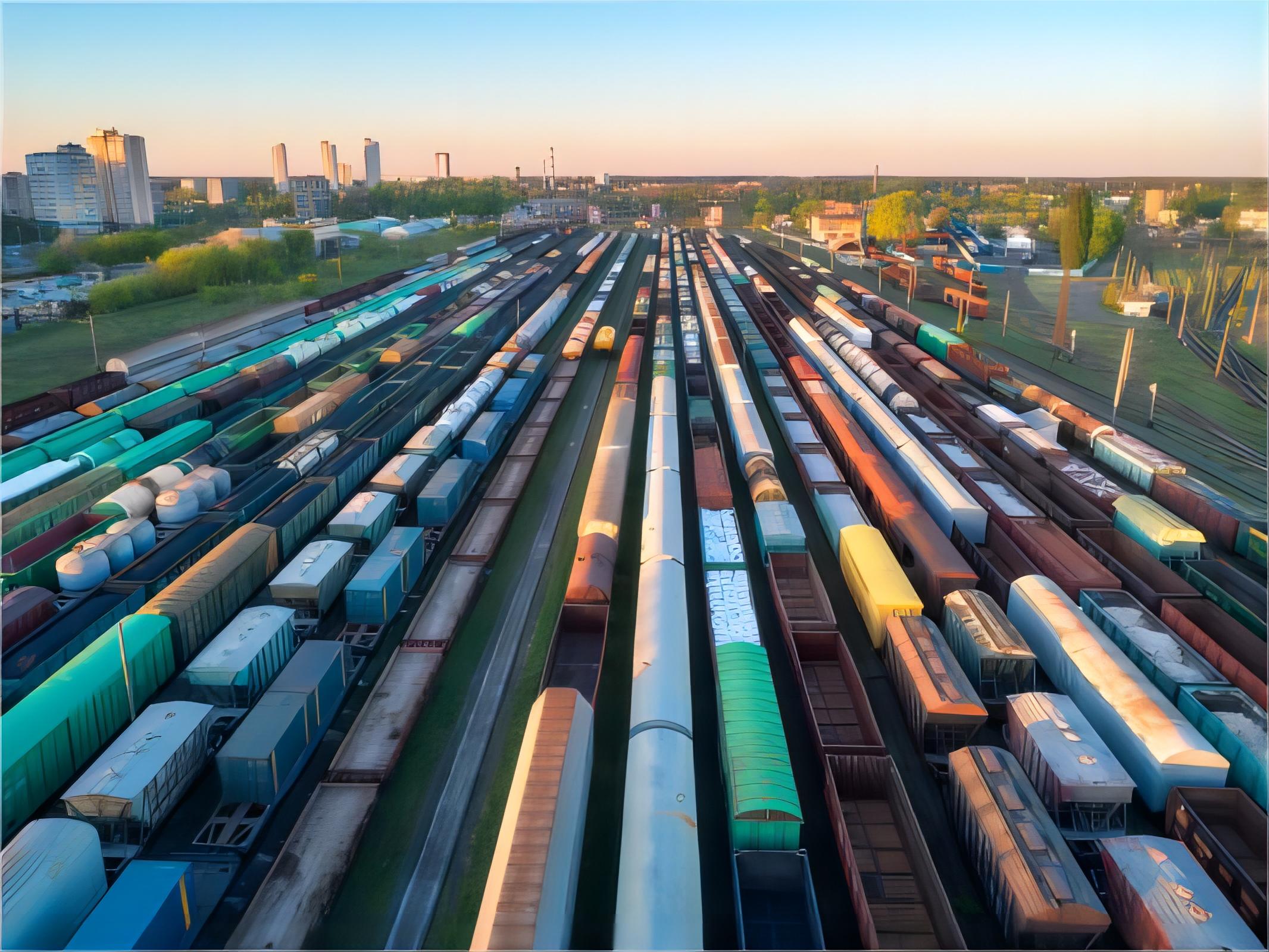
Open Top FCL Transit Time for Electronics from China to Los Angeles
Determining the Open Top FCL transit time for electronics from China to Los Angeles is a critical step for businesses importing oversized or high-value technical equipment. Many importers face challenges with specialized cargo, ranging from port congestion to specific handling requirements that can delay a shipment by several days. By working with a dedicated partner like TJ China Freight, you can navigate these complexities and secure a predictable delivery schedule for your most sensitive electronics.

What Influences Open Top FCL Transit Time for Electronics from China to Los Angeles?
Several factors play a pivotal role in determining the speed of your shipment when moving goods across the Pacific. Primarily, the choice of departure port in China significantly impacts the total duration of the voyage. For instance, shipments leaving from Shenzhen or Guangzhou typically reach the West Coast faster than those departing from northern ports like Tianjin.
Furthermore, the type of vessel and the specific carrier service selected can alter the timeline by several days. Direct services are always preferable for electronics because they minimize handling and reduce the risk of damage. Consequently, choosing sea freight options that avoid transshipment hubs like Busan or Yokohama will ensure your cargo arrives on schedule.
Weather conditions and seasonal demand also contribute to fluctuations in transit times throughout the year. During the peak season, which usually runs from August to October, port congestion in Los Angeles can add a week or more to the total lead time. Therefore, planning your shipments well in advance of major holidays is essential for maintaining supply chain stability.
Port Selection and Its Impact
Selecting the right port of loading is a strategic decision that affects both cost and speed. Southern Chinese ports offer high frequency and shorter routes to the United States. In contrast, using inland ports may require additional barge transit time before the ocean leg begins.
Why Choose Open Top Containers for Electronics Shipping?
Open top containers are specifically designed for cargo that is too tall to fit into standard dry vans or requires loading via a crane. Many large-scale electronic components, such as industrial server racks or precision medical machinery, fall into this category. Because these items are often sensitive to vibration and tilt, the top-loading capability provides a safer handling environment.
Additionally, using a customs brokerage service during the planning phase ensures that your oversized cargo meets all regulatory requirements before it arrives. This proactive approach prevents administrative delays that could otherwise extend the transit time significantly. Moreover, specialized containers like the 40-foot open top (40OT) offer the necessary volume for complex technical installations.
However, shippers must remember that open top containers are in shorter supply than standard 40HQ units. This limited availability means that booking should occur at least two to three weeks before the desired sailing date. Failure to secure equipment early can lead to missed departures and subsequent delays in your production cycle.
How Does Open Top FCL Compare to Other Shipping Options?
Evaluating the Open Top FCL transit time for electronics from China to Los Angeles requires a clear comparison with alternative methods. While ocean freight is the most common choice for large volumes, other strategies might be better suited for urgent or smaller shipments. Specifically, air freight offers unmatched speed but comes at a significantly higher price point.
On the other hand, traditional FCL (Full Container Load) using standard containers is cheaper but lacks the flexibility needed for oversized electronics. If your equipment can be disassembled to fit a standard 40HQ, you might save on both equipment surcharges and transit time. Nevertheless, the specialized nature of electronics often mandates the use of open top or flat rack containers.
| Shipping Method | Cost Range | Transit Time | Best For |
|---|---|---|---|
| Open Top FCL | $3,200 – $4,800 | 14-22 Days | Oversized/Tall Tech |
| Standard FCL | $2,500 – $3,800 | 14-18 Days | General Electronics |
| LCL Shipping | $80 – $150/CBM | 20-28 Days | Small Batches |
| Air Freight | $5 – $9/KG | 3-7 Days | Urgent Components |

Which Option Should You Choose for Your Electronics?
Choosing the right shipping strategy depends on your budget, the dimensions of your cargo, and your required delivery date. If speed is your absolute priority, air freight is the logical choice despite the increased cost. For most commercial electronics shipments, however, the balance of cost and capacity makes sea freight the standard.
When planning shipping to North America, you should consider the following criteria to make an informed decision. Firstly, assess whether the equipment can be safely crated for standard containers. Secondly, calculate the total landed cost including any specialized handling fees for open top units.
Indeed, many successful importers utilize a hybrid approach. They might ship the bulk of their components via Open Top FCL while sending critical sensors or control boards via express service. This strategy ensures that assembly can begin as soon as the main units arrive at the destination.
Current Market Trends Affecting Transit Times in 2025
As of early 2025, the logistics landscape between China and the US West Coast has stabilized after several years of volatility. Port efficiency in Los Angeles has improved due to new automated handling systems and better chassis availability. Consequently, the average Open Top FCL transit time for electronics from China to Los Angeles has become more predictable.
Moreover, carriers are introducing more direct strings from Ningbo and Shanghai to cater to the growing demand for technical goods. These direct routes often shave three to five days off the traditional schedules that involved multiple stops. Additionally, the integration of real-time tracking allows shippers to monitor their cargo with greater precision than ever before.
Nevertheless, environmental regulations and fuel surcharges continue to influence freight rates and vessel speeds. Slow-steaming practices, adopted by some carriers to reduce emissions, can add a day or two to the ocean leg. Therefore, always verify the specific transit time with your freight forwarder before finalizing your purchase orders.
Real-World Case Studies: China to Los Angeles
Analyzing actual shipments provides valuable insight into what you can expect during the shipping process. These examples reflect realistic market conditions and show how different variables impact the final outcome. In each case, the use of professional door to door service helped mitigate potential risks.
Case Study 1: Industrial Server Racks Route: Shenzhen, China to Los Angeles, USA Cargo: Enterprise Server Racks, 28 CBM, 12,000 kg Container: 40OT (Open Top) Shipping Details: – Carrier/Service: COSCO Direct – Port of Loading: Yantian – Port of Discharge: Los Angeles – Route Type: Direct Cost Breakdown: – Ocean Freight: $3,450 – Origin Charges: $450 – Destination Charges: $600 – Customs and Duties: $1,200 – Total Landed Cost: $5,700 Timeline: – Booking to Loading: 4 days – Sea Transit: 16 days – Customs Clearance: 2 days – Total Door-to-Door: 22 days Key Insight: Using a direct service from Yantian saved nearly a week compared to transshipment routes.
Case Study 2: Precision Medical Imaging Equipment Route: Shanghai, China to Los Angeles, USA Cargo: MRI Components, 15 CBM, 8,500 kg Container: 20OT (Open Top) Shipping Details: – Carrier/Service: Maersk – Port of Loading: Shanghai – Port of Discharge: Long Beach – Route Type: Direct Cost Breakdown: – Ocean Freight: $2,100 – Origin Charges: $380 – Destination Charges: $550 – Customs and Duties: $950 – Total Landed Cost: $3,980 Timeline: – Booking to Loading: 6 days – Sea Transit: 15 days – Customs Clearance: 3 days – Total Door-to-Door: 24 days Key Insight: Early booking was essential as 20-foot open top containers were in high demand during the Q1 period.

Cost-Saving Strategies for Open Top FCL Shipments
Reducing your logistics expenses without compromising on the Open Top FCL transit time for electronics from China to Los Angeles is possible with the right tactics. One effective method is to consolidate multiple small oversized items into a single 40OT rather than using multiple 20OT units. This consolidation often results in lower per-unit freight costs and reduced documentation fees.
Furthermore, negotiating long-term contracts with carriers can provide more stable pricing during peak seasons. If your volume is consistent, these agreements protect you from the sudden rate hikes often seen in the spot market. Additionally, ensuring that your packing list and commercial invoice are 100% accurate will prevent costly storage fees at the port.
Finally, consider the timing of your shipment very carefully. Rates typically increase by 15-25% during the August to October peak season. If your production schedule allows, shipping in the shoulder seasons of March through May can yield significant savings. Note: Freight rates are subject to change based on fuel costs, carrier capacity, and seasonal demand. Contact us for a current quote tailored to your specific shipment.
Mastering Your Electronics Logistics
In summary, understanding the nuances of Open Top FCL transit time for electronics from China to Los Angeles is essential for any modern importer. By considering port selection, container availability, and market trends, you can build a more resilient supply chain. While challenges like port congestion and equipment shortages exist, they are manageable with professional guidance and proactive planning.
Ultimately, the goal is to balance cost and speed to meet your business objectives. Whether you are shipping server racks or delicate medical tech, the right logistics strategy will protect your investment and keep your customers satisfied. Partner with experts who understand the unique requirements of electronics to ensure a smooth journey from the factory floor to the Los Angeles warehouse.

Ready to streamline your logistics?
Ready to optimize your electronics supply chain? Contact TJ China Freight today to receive a customized quote for your Open Top FCL transit time for electronics from China to Los Angeles. Our team of experts is standing by to ensure your high-value cargo arrives safely and on time. Visit our website or send an inquiry to get started with the most reliable logistics partner in the industry.
Request Quote