

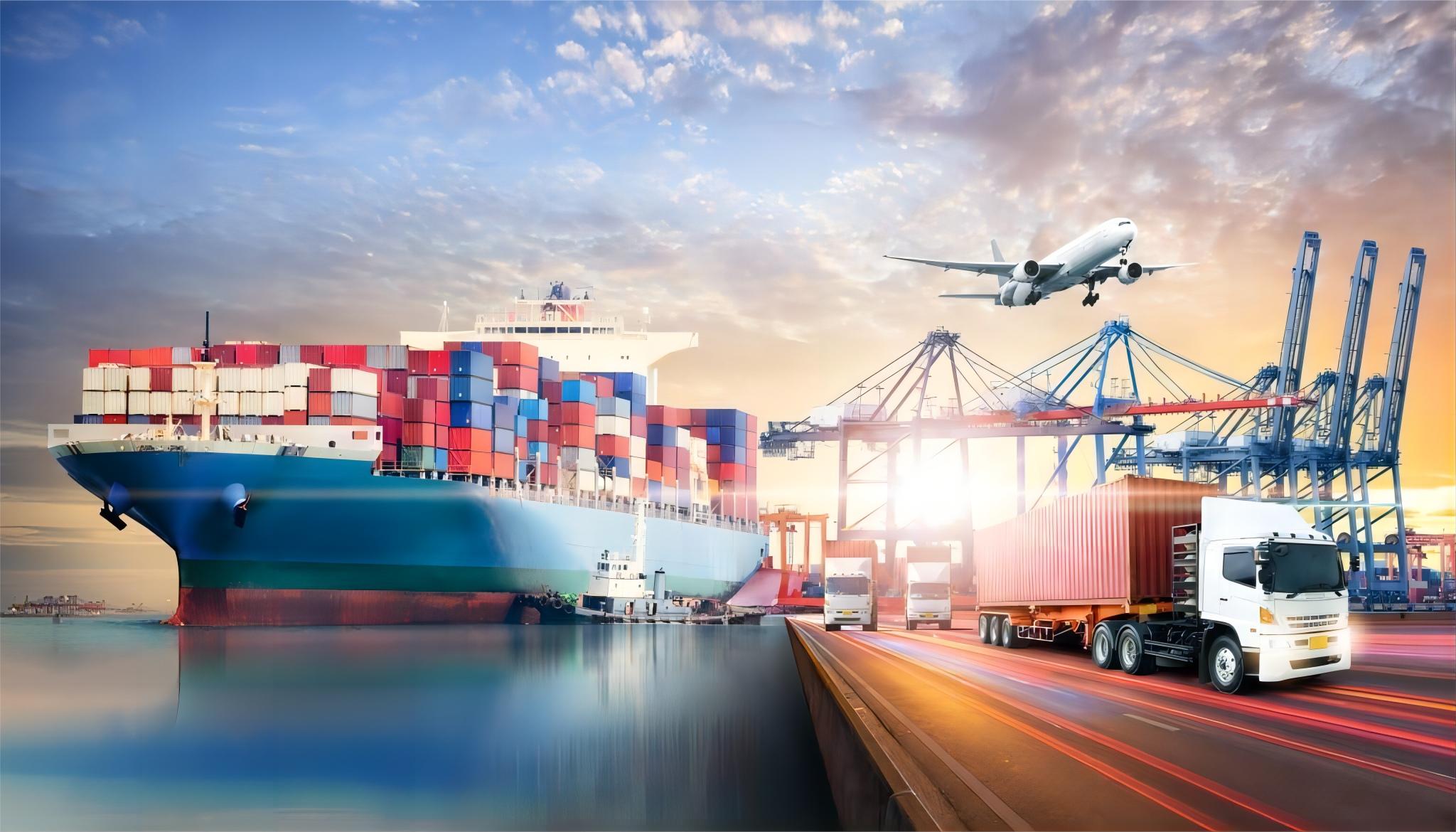
Open Top FCL Detention Prevention for Auto Parts from China to Portugal
“Shipping auto parts from China to Portugal often involves unique challenges, particularly when utilizing Open Top FCL containers for oversized or heavy cargo. Preventing costly detention and demurrage charges is paramount for maintaining profitability and efficient supply chain management. This article delves into practical strategies to ensure a smooth, cost-effective shipping process for your valuable auto components with TJ China Freight.”

Understanding Open Top FCL and Detention in Auto Parts Shipping
❖Open Top Full Container Load (FCL) containers are indispensable for shipping oversized auto parts like large engine blocks, chassis frames, or heavy machinery components from China to Portugal. Unlike standard containers, their removable tarpaulin roof allows for cargo loading from the top, which is crucial for items that cannot fit through conventional doors. Consequently, understanding their specific handling requirements is vital for preventing delays.
However, these specialized shipments come with potential pitfalls, notably detention and demurrage charges. Detention refers to fees incurred when the consignee holds the container beyond the free time allowed outside the port, impacting the carrier’s equipment utilization. Demurrage, conversely, applies to charges for holding the container inside the port terminal beyond the free period, leading to port congestion and operational inefficiencies. Preventing both is key to managing overall shipping costs.
Key Factors Contributing to Detention Charges for Auto Parts
❖Several factors commonly contribute to detention charges for auto parts shipments. Foremost among these are customs delays, often stemming from incorrect or incomplete documentation, which can halt cargo movement for days or even weeks. Furthermore, unforeseen port congestion at the destination can significantly delay vessel berthing and container offloading.
Moreover, the consignee’s preparedness for receiving oversized cargo plays a critical role. If the necessary specialized equipment or warehouse space is not ready upon arrival, the container may sit idle, accruing charges. Poor communication between all parties in the supply chain, including the shipper, forwarder, and consignee, can exacerbate these issues, leading to preventable delays and increased shipping costs.

Proactive Strategies for Open Top FCL Detention Prevention
❖Implementing proactive measures is essential for effective Open Top FCL detention prevention for auto parts from China to Portugal. This involves meticulous planning, precise documentation, and strategic partner selection. By addressing potential bottlenecks before they arise, businesses can significantly reduce their exposure to unexpected costs and maintain a smooth logistics flow.
Furthermore, a robust understanding of the entire shipping lifecycle, from origin loading to final delivery, empowers shippers to anticipate and mitigate risks. This comprehensive approach minimizes delays, thereby protecting profit margins and enhancing supply chain reliability for valuable vehicle components.
Meticulous Documentation and Customs Preparation
Accurate and complete documentation is the bedrock of preventing customs-related delays. Shippers must ensure that commercial invoices, packing lists, and bills of lading precisely match the cargo details. Additionally, providing all necessary certificates, such as origin certificates or specific product certifications required by Portuguese authorities, well in advance is crucial.
Early submission of all required documents to both the freight forwarder and the customs broker allows for pre-clearance procedures. This proactive step helps identify and rectify any discrepancies before the vessel even arrives, significantly streamlining the import process into Portugal. Consequently, this careful preparation minimizes the risk of the container being held up.
| Document Type | Purpose | Key Details |
|---|---|---|
| Commercial Invoice | Value declaration for customs | Accurate value, Incoterms, currency |
| Packing List | Details of goods in container | Weight, dimensions, quantity, marks |
| Bill of Lading (B/L) | Contract of carriage | Shipper, consignee, notify party, port info |
| Certificate of Origin | Country of manufacture | Required for tariffs/preferential duties |
| Import License/Permit | Specific goods regulation | If required for auto parts in Portugal |
| Insurance Certificate | Cargo protection | Coverage details, policy number |
Optimized Loading and Unloading Logistics
Efficient loading at the origin and swift unloading at the destination are paramount for Open Top FCL detention prevention. At the loading port in China, ensuring the correct heavy-lifting equipment is available and the cargo is secured properly within the open top container prevents transit damage and facilitates quicker offloading. Effective pre-planning with the origin warehouse is therefore critical.
At the Portugal destination, coordinating with the consignee for immediate offloading is equally vital. This includes confirming the availability of cranes or specialized forklifts and sufficient warehouse space before the container’s arrival. Clear communication regarding the estimated time of arrival (ETA) allows the consignee to prepare adequately, thus avoiding costly delays.
Strategic Carrier and Route Selection
Choosing a reliable shipping carrier and an optimized route significantly impacts transit times and detention risks. Opting for carriers with a strong track record of punctuality and efficient port operations in both China and Portugal is advisable. Furthermore, direct sea freight routes, while sometimes slightly more expensive, can drastically reduce transit times and the likelihood of delays associated with transshipment hubs.
Experienced freight forwarders, like TJ China Freight, offer valuable insights into carrier performance and route efficiency. They advise on the best options for your specific auto parts, considering factors like seasonal port congestion and carrier capacity, which directly affect delivery schedules and potential detention accrual.
Leveraging Technology for Visibility
Modern logistics technology offers unparalleled visibility into your shipment’s journey, which is crucial for Open Top FCL detention prevention. Utilizing advanced tracking systems provides real-time updates on container location, vessel status, and estimated arrival times. This transparency allows for proactive management and immediate response to any unforeseen deviations from the planned schedule.
Furthermore, integrating these tracking capabilities with your internal supply chain management systems enables better inventory planning and operational coordination. Consequently, stakeholders can anticipate arrivals more accurately, prepare for unloading tasks, and effectively communicate any changes, thus minimizing idle container time and associated charges.
How Does Open Top FCL Compare to Other Shipping Options?
❖When shipping auto parts from China to Portugal, Open Top FCL is often chosen for its specialized capabilities with oversized cargo. However, it’s essential to understand its position relative to other viable shipping methods. Each option presents different trade-offs in terms of speed, cost, and cargo suitability, impacting overall logistics trends and supply chain optimization.
For instance, while Open Top FCL excels with large, heavy items, standard FCL might be sufficient for palletized auto components. Conversely, air freight offers speed but at a significantly higher cost, while Less than Container Load (LCL) provides flexibility for smaller volumes but can introduce more transshipment points and potential delays.
| Shipping Method | Cost Range (40HQ equivalent) | Transit Time (Days) | Best For | Limitations |
|---|---|---|---|---|
| Open Top FCL | $3,000 – $5,500 | 30 – 40 | Oversized, heavy auto parts, high volume | Higher specialized equipment costs, limited availability |
| Standard FCL | $2,800 – $4,800 | 30 – 38 | Large volume, standard-sized auto parts, palletized goods | Not suitable for cargo exceeding height/width |
| LCL (Sea Freight) | $60 – $100 per CBM | 35 – 45 | Small to medium volume, lower urgency auto parts | Longer transit, more handling, potential for delays |
| Air Freight | $15,000 – $25,000+ | 5 – 10 | Urgent, high-value, small volume auto parts | Very high cost, limited by weight/volume, fuel surcharges |

Which Option Should You Choose?
The optimal shipping method for your auto parts largely depends on your priorities. If budget is the primary concern and transit time is flexible, standard FCL or even LCL for smaller volumes generally offers the most cost-effective solution. However, for critical, oversized components, Open Top FCL is often indispensable despite its slightly higher specialized cost.
Conversely, if speed is paramount for urgent spare parts or high-value components, air freight becomes the preferred choice, despite its significantly higher freight rates. For a balanced approach, consider hybrid solutions, such as shipping urgent smaller components by air while larger, less time-sensitive parts travel via Open Top FCL sea freight. This strategy optimizes overall shipping costs and delivery schedules.
Real-World Case Studies in Open Top FCL Detention Prevention
❖Understanding theoretical strategies is one thing; seeing them applied in real-world scenarios provides invaluable insight. These case studies highlight successful Open Top FCL detention prevention for auto parts from China to Portugal, demonstrating how meticulous planning and expert execution can mitigate common challenges. They illustrate the importance of robust customs brokerage and strong logistical partnerships.
Each example showcases different aspects of effective supply chain management, from handling unique cargo dimensions to navigating complex import regulations. Consequently, these insights can inform your own shipping strategies, helping you achieve similar efficiencies and cost savings for your valuable vehicle components.
Case Study 1: Large Engine Blocks to Lisbon
| Detail | Value |
|---|---|
| Route | Shanghai, China -> Lisbon, Portugal |
| Cargo | 10 Large Engine Blocks, 25 CBM, 18,000 kg |
| Container | 1 x 40′ Open Top FCL |
| Shipping Details | |
| – Carrier/Service | COSCO |
| – Port of Loading | Shanghai |
| – Port of Discharge | Lisbon |
| – Route Type | Direct |
| Cost Breakdown (Based on Q3 2024 market rates) | |
| – Ocean Freight | $4,100 |
| – Origin Charges | $450 |
| – Destination Charges | $580 |
| – Customs & Duties (estimated) | $1,200 |
| – Total Landed Cost | $6,330 |
| Timeline | |
| – Booking to Loading | 7 days |
| – Sea Transit | 32 days |
| – Customs Clearance | 2 days |
| – Total Door-to-Door | 41 days |
| Key Insight | Pre-cleared customs documentation submitted 10 days before vessel arrival prevented any port delays, ensuring swift container release upon discharge. |

Case Study 2: Chassis Frames to Porto
| Detail | Value |
|---|---|
| Route | Ningbo, China -> Porto, Portugal |
| Cargo | 8 Oversized Chassis Frames, 28 CBM, 15,000 kg |
| Container | 1 x 40′ Open Top FCL |
| Shipping Details | |
| – Carrier/Service | Maersk |
| – Port of Loading | Ningbo |
| – Port of Discharge | Porto |
| – Route Type | Transshipment via Valencia |
| Cost Breakdown (Typical rates as of early 2025) | |
| – Ocean Freight | $3,850 |
| – Origin Charges | $400 |
| – Destination Charges | $520 |
| – Customs & Duties (estimated) | $1,100 |
| – Total Landed Cost | $5,870 |
| Timeline | |
| – Booking to Loading | 6 days |
| – Sea Transit | 38 days |
| – Customs Clearance | 3 days |
| – Total Door-to-Door | 47 days |
| Key Insight | Close coordination with the consignee regarding specialized unloading equipment availability ensured zero detention days despite a transshipment route. |
Case Study 3: Multiple Auto Components to Setubal
| Detail | Value |
|---|---|
| Route | Shenzhen, China -> Setubal, Portugal |
| Cargo | Mixed Auto Components (including gearboxes, body panels), 22 CBM, 12,000 kg |
| Container | 1 x 20′ Open Top FCL |
| Shipping Details | |
| – Carrier/Service | MSC |
| – Port of Loading | Shenzhen |
| – Port of Discharge | Setubal |
| – Route Type | Direct |
| Cost Breakdown (Based on Q4 2024 peak season rates) | |
| – Ocean Freight | $3,200 |
| – Origin Charges | $380 |
| – Destination Charges | $490 |
| – Customs & Duties (estimated) | $950 |
| – Total Landed Cost | $5,020 |
| Timeline | |
| – Booking to Loading | 8 days |
| – Sea Transit | 35 days |
| – Customs Clearance | 2 days |
| – Total Door-to-Door | 45 days |
| Key Insight | Leveraging a door-to-door services provider ensured seamless handoff and reduced the risk of delays during the final leg of delivery, even during peak season. |
Enhancing Your Auto Parts Supply Chain to Portugal
❖For businesses regularly importing auto parts from China to Portugal, establishing a robust and resilient supply chain is crucial. This involves not only managing individual shipments but also optimizing the entire logistics network. Partnering with an experienced freight forwarder who specializes in shipping to Europe offers significant advantages.
Such a partner can provide end-to-end solutions, from pre-shipment inspections and cargo handling in China to efficient customs clearance and final delivery in Portugal. This comprehensive approach ensures that all aspects of your logistics are expertly managed, thereby minimizing risks and consistently achieving Open Top FCL detention prevention for your valuable auto parts.
Conclusion
In summary, mastering Open Top FCL detention prevention for auto parts from China to Portugal requires a multi-faceted approach. From meticulous documentation and strategic carrier selection to optimized loading and leveraging technology, every step contributes to a smoother, more cost-effective shipping process. Proactive planning and strong partnerships are indispensable.
Ultimately, by implementing these strategies, businesses can significantly reduce their exposure to unforeseen costs and maintain the integrity of their supply chain. This ensures timely delivery of critical auto components, reinforcing profitability and operational efficiency in the competitive automotive market.
Ready to streamline your logistics?
Are you ready to optimize your auto parts supply chain from China to Portugal and effectively prevent Open Top FCL detention charges? Contact TJ China Freight today for a personalized consultation. Our experts are prepared to provide tailored logistics solutions and competitive quotes for your next shipment.
Request Quote