

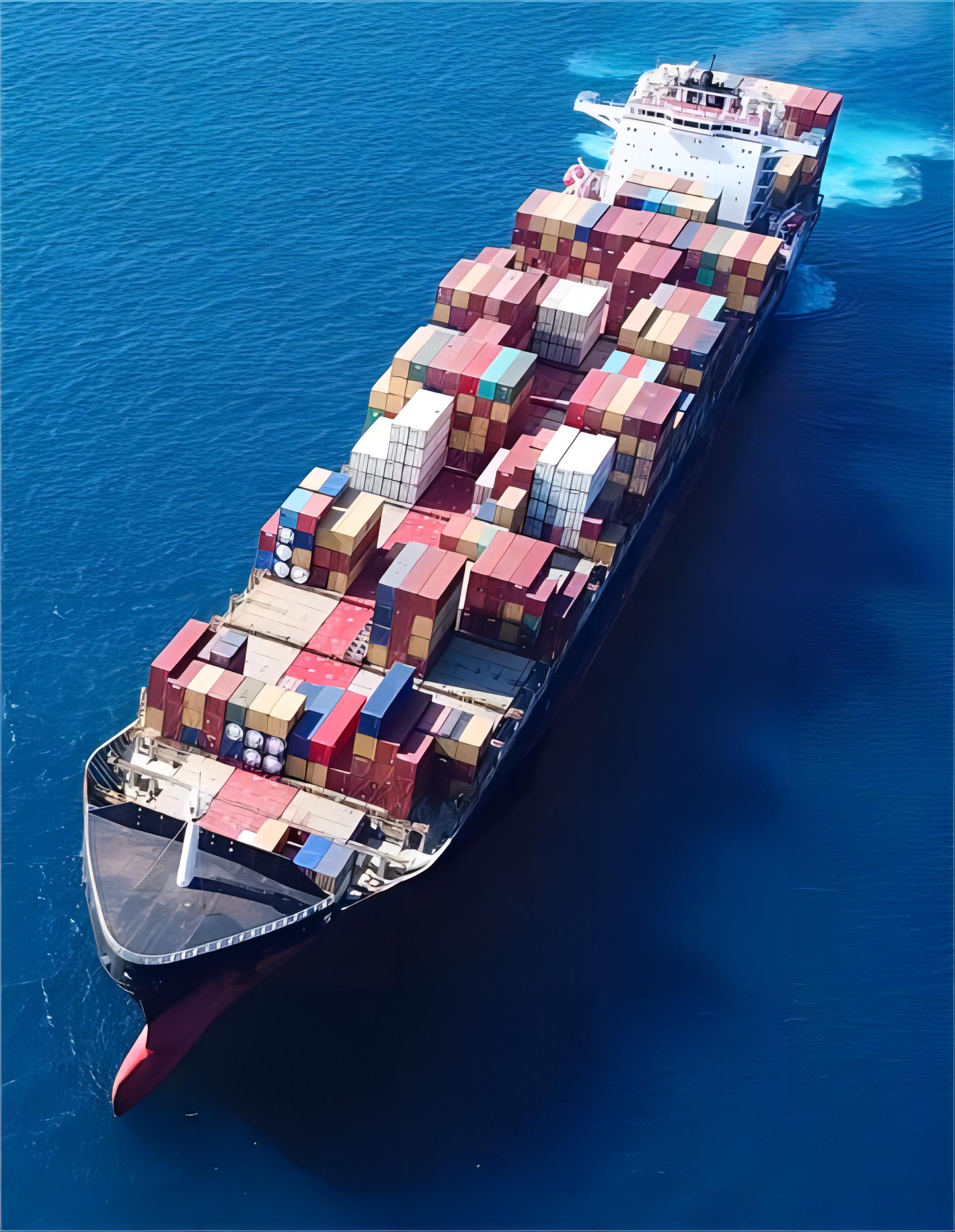
Open Top FCL Demurrage Prevention for Machinery from China to France
Shipping oversized or heavy machinery from China to France using Open Top FCL presents unique challenges. Without careful planning, businesses often face significant demurrage charges, impacting profitability and project timelines. This comprehensive guide from TJ China Freight offers proven strategies to navigate these complexities and ensure smooth, cost-effective delivery.

Understanding Open Top FCL and Demurrage Fundamentals
Open Top FCL (Full Container Load) is a specialized shipping solution. It involves containers with a removable tarpaulin roof, designed for cargo that is too tall to fit through a standard container door. This method is crucial for transporting large industrial machinery, construction equipment, or oversized components.
Conversely, demurrage refers to the charges levied by shipping lines when a container remains at the port of discharge beyond the allotted free time. These charges can accumulate rapidly, translating into substantial, unexpected shipping costs. For high-value machinery, even minor delays can trigger expensive penalties.
Preventing demurrage is therefore paramount, especially for complex international routes like China to France. Efficient cargo handling and meticulous planning are essential. Understanding these fundamentals forms the basis of a successful shipping strategy.
What are the Primary Causes of Open Top FCL Demurrage?
Several factors can contribute to demurrage for Open Top FCL shipments. Port congestion is a frequent culprit, particularly at busy hubs, causing delays in offloading and container movement. Additionally, unforeseen weather conditions or labor disputes can halt operations, pushing containers beyond their free time.
Moreover, incomplete or incorrect documentation is a leading cause of customs delays. Any discrepancy can lead to holds, inspections, and subsequent demurrage charges. Proper customs brokerage is vital to mitigate this risk.
Finally, poor coordination between consignees, customs agents, and trucking companies at the destination port often results in delays. Without a clear pickup schedule and ready transport, containers can sit idle, incurring daily penalties. Identifying these common reasons for demurrage allows for proactive avoidance.
Proactive Strategies for Effective Demurrage Prevention
Implementing a robust strategy is key to avoiding costly demurrage. Firstly, meticulous pre-shipment planning cannot be overstated. This includes confirming all cargo dimensions, weight, and specific handling requirements well in advance. Ensuring accurate details prevents last-minute issues.
Secondly, comprehensive and accurate documentation is absolutely critical. All permits, licenses, invoices, and packing lists must be prepared flawlessly and submitted promptly. Consider leveraging pre-clearance options with customs authorities in France to expedite the process upon arrival.
Furthermore, establishing clear communication channels with all parties involved is essential. This encompasses the supplier in China, the shipping carrier, customs brokers, and the consignee in France. Regular updates and proactive problem-solving can avert many potential delays. This approach enhances overall supply chain efficiency.
Optimizing Your Shipping Schedule and Route for Machinery
Choosing the right shipping schedule and route significantly impacts demurrage prevention. Booking your Open Top FCL shipment well in advance allows for better planning and secures preferred vessel space. This foresight helps avoid peak season surcharges and capacity shortages.
Consider the transit time carefully when selecting a carrier and service. While faster routes might seem appealing, ensure they align with your destination port’s capabilities and your receiving schedule. Sometimes a slightly longer, more reliable transit can prevent demurrage by avoiding rushed offloading.
Moreover, explore different ports of discharge in France, such as Le Havre, Marseille, or Fos-sur-Mer. Some ports may experience less congestion or offer better infrastructure for oversized cargo, potentially reducing the risk of delays. A flexible delivery schedule can also provide a buffer against minor unforeseen issues.
How Does Open Top FCL Compare to Other Shipping Options?
When shipping machinery from China to France, Open Top FCL is often the go-to for oversized items, but alternatives exist. Understanding these options is crucial for making informed decisions and potentially reducing overall shipping costs and transit time. Each method has distinct advantages and limitations.
For smaller or less urgent machinery, standard FCL or even LCL (Less than Container Load) might be considered. However, these are generally unsuitable for items exceeding standard container dimensions. LCL shipping for complex machinery is rarely advisable due to increased handling risks and potential for damage.
Air freight offers unparalleled speed but at a significantly higher cost, typically reserved for very high-value, time-critical, or lighter machinery. Rail freight, while a viable option for some routes to Europe, is less common for oversized Open Top cargo directly to France, often requiring specialized services or intermodal transfers. Therefore, the choice depends heavily on cargo specifics, budget, and urgency.
Note: Freight rates are subject to change based on fuel costs, carrier capacity, and seasonal demand. Contact us for a current quote tailored to your specific shipment.
| Shipping Method | Cost Range (40′ equivalent) | Transit Time (China to France) | Best For | Limitations |
|---|---|---|---|---|
| Open Top FCL (Sea) | $3,000 – $5,000 | 28 – 35 days | Oversized, heavy machinery; Cost-effective | Slower, risk of demurrage, weather dependent |
| Standard FCL (Sea) | $2,800 – $4,200 | 28 – 35 days | Standard-sized machinery, large volumes | Not for oversized cargo, same demurrage risks |
| LCL (Sea) | $50 – $80 / CBM | 35 – 45 days | Small, non-urgent machinery (<15 CBM) | Increased handling, longer transit, higher damage risk |
| Air Freight | $15,000 – $25,000+ | 5 – 7 days | High-value, urgent, lighter machinery | Very high cost, volume/weight restrictions |
| Rail Freight (Intermodal) | $6,000 – $9,000 | 18 – 25 days | Mid-size machinery, faster than sea, cheaper than air | Limited direct routes to France, transshipment needed, less capacity for oversized |

Case Studies: Successful Open Top FCL Demurrage Prevention
Examining real-world examples illustrates how effective planning can avert demurrage. These case studies highlight the importance of detailed coordination and expert logistics management for complex machinery shipments from China to France.
Based on Q3 2024 market rates, these examples showcase typical scenarios and solutions. They demonstrate the value of partnering with experienced freight forwarders to navigate potential pitfalls and ensure smooth delivery.
Case Study 1: Large Industrial Press from Shanghai to Le Havre
| Detail | Description |
|---|---|
| Route | Shanghai, China -> Le Havre, France |
| Cargo | Industrial Hydraulic Press, 28 CBM, 18,500 kg |
| Container | 1 x 40′ Open Top FCL |
| Shipping Details | |
| – Carrier/Service | COSCO (Direct Service) |
| – Port of Loading | Shanghai |
| – Port of Discharge | Le Havre |
| – Route Type | Direct |
| Cost Breakdown (Estimated) | |
| – Ocean Freight | $3,850 |
| – Origin Charges | $480 |
| – Destination Charges | $620 |
| – Customs & Duties (estimated) | $1,200 (approx. 5% of cargo value) |
| – Total Landed Cost | $6,150 |
| Timeline | |
| – Booking to Loading | 5 days |
| – Sea Transit | 30 days |
| – Customs Clearance | 2 days (pre-cleared) |
| – Total Door-to-Door | 37 days |
| Key Insight | Proactive customs pre-clearance and pre-arranged inland transport ensured zero demurrage despite minor port congestion. The client utilized door-to-door service. |

Case Study 2: Construction Equipment from Ningbo to Marseille
| Detail | Description |
|---|---|
| Route | Ningbo, China -> Marseille, France |
| Cargo | Mini Excavator, 22 CBM, 12,000 kg |
| Container | 1 x 20′ Open Top FCL |
| Shipping Details | |
| – Carrier/Service | MSC (Transshipment via Singapore) |
| – Port of Loading | Ningbo |
| – Port of Discharge | Marseille |
| – Route Type | Transshipment via Singapore |
| Cost Breakdown (Estimated) | |
| – Ocean Freight | $3,100 |
| – Origin Charges | $450 |
| – Destination Charges | $580 |
| – Customs & Duties (estimated) | $950 (approx. 4% of cargo value) |
| – Total Landed Cost | $5,080 |
| Timeline | |
| – Booking to Loading | 7 days |
| – Sea Transit | 35 days |
| – Customs Clearance | 3 days |
| – Total Door-to-Door | 45 days |
| Key Insight | Choosing a less congested port in France and having all documents ready mitigated transshipment risks. Timely notification of arrival allowed for prompt pickup, preventing any demurrage charges. |
Case Study 3: Specialized Manufacturing Unit from Shenzhen to Lyon
| Detail | Description |
|---|---|
| Route | Shenzhen, China -> Lyon, France (via Fos-sur-Mer) |
| Cargo | Automated Assembly Line Module, 35 CBM, 25,000 kg |
| Container | 1 x 40′ Open Top FCL |
| Shipping Details | |
| – Carrier/Service | Maersk (Direct Service to Fos-sur-Mer) |
| – Port of Loading | Shenzhen |
| – Port of Discharge | Fos-sur-Mer |
| – Route Type | Direct to Fos-sur-Mer, then rail/truck to Lyon |
| Cost Breakdown (Estimated) | |
| – Ocean Freight | $4,200 |
| – Origin Charges | $500 |
| – Destination Charges | $650 |
| – Inland Transport (Fos-Lyon) | $1,100 |
| – Customs & Duties (estimated) | $1,500 (approx. 6% of cargo value) |
| – Total Landed Cost | $7,950 |
| Timeline | |
| – Booking to Loading | 6 days |
| – Sea Transit | 32 days |
| – Customs Clearance | 2 days |
| – Total Door-to-Door | 40 days |
| Key Insight | Utilizing a direct service to a well-equipped port like Fos-sur-Mer, combined with efficient onward rail freight to Lyon, minimized port dwell time. Clear communication with the local agent was crucial for seamless transfer. |
Leveraging Technology and Expert Partnerships for Logistics
In today’s dynamic logistics landscape, technology plays a pivotal role in demurrage prevention. Digital platforms offer real-time tracking and visibility of your Open Top FCL shipment. This transparency allows for proactive management and quick responses to potential delays, helping to adjust plans as needed.
Moreover, partnering with an experienced freight forwarder is invaluable. A reputable partner like TJ China Freight possesses in-depth knowledge of international shipping regulations, port procedures, and customs requirements for destinations like Europe. Their expertise can significantly streamline the entire process.

They can also provide crucial insights into current logistics trends, freight rates, and potential choke points, offering alternative solutions. Their strong network of carriers and agents ensures priority handling and efficient resolution of any issues. This collaboration is a strategic advantage for complex machinery imports.
Which Option Should You Choose for Your Machinery Shipment?
Deciding on the best shipping method for your machinery from China to France requires careful consideration of several factors. Your budget priority will often guide the choice; if cost is paramount, Open Top FCL by sea is usually the most economical option. However, this necessitates meticulous planning to avoid demurrage.
If speed is your highest priority, air freight offers the fastest transit, but at a premium cost. This method is typically reserved for critical, high-value components where downtime is extremely expensive. It is important to weigh the cost-benefit analysis carefully.
Cargo type considerations are also crucial. Oversized or unusually shaped machinery almost always requires Open Top FCL. For standard dimensions, a regular FCL might suffice. Furthermore, volume thresholds for switching methods play a role; larger volumes inherently benefit from FCL options, while very small, non-urgent items might fit LCL.
Ultimately, the best shipping method for heavy equipment depends on a tailored assessment of your specific needs. Consulting with logistics experts can help you calculate shipping costs accurately and choose the most suitable solution to prevent Open Top FCL demurrage.
Mastering Open Top FCL Demurrage Prevention for Seamless Shipments
Successfully shipping machinery from China to France via Open Top FCL demands a proactive and informed approach. By understanding the causes of demurrage, implementing robust prevention strategies, and choosing the right shipping partners, businesses can significantly reduce risks and costs.
The strategies outlined, from meticulous documentation to leveraging expert freight forwarding services, are vital for a smooth supply chain. Prioritizing efficiency and clear communication will ensure your valuable machinery arrives on schedule and within budget. Ultimately, preventing Open Top FCL demurrage is achievable with the right expertise.
Need a tailored shipping solution?
Ready to ship your machinery from China to France without the worry of demurrage? Contact TJ China Freight today for a personalized consultation. Our experts will help you navigate the complexities of Open Top FCL shipping and provide a tailored, competitive quote.