

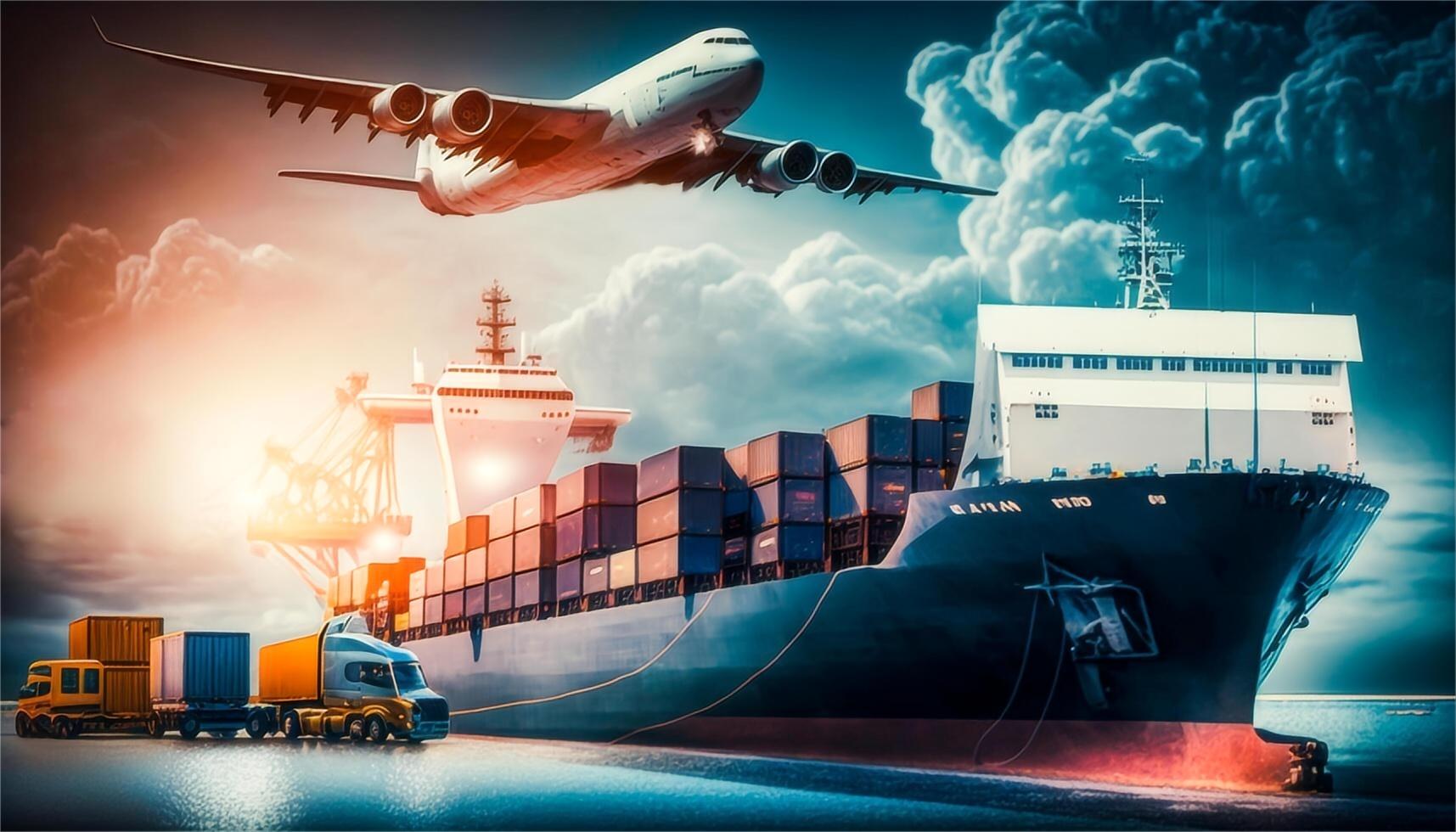
20GP FCL Freight Rate for Machinery from China to Poland: Your Comprehensive Guide
Navigating international logistics for industrial equipment can be complex, particularly when seeking a competitive 20GP FCL freight rate for machinery from China to Poland. Businesses frequently face challenges like fluctuating costs, extensive transit times, and intricate customs procedures. This guide aims to demystify the process, offering insights into optimizing your shipping strategy for heavy machinery and ensuring a smooth, cost-effective journey. For expert assistance with your international shipping needs, visit TJ China Freight.
✦
What Factors Influence the 20GP FCL Freight Rate for Machinery?
Many variables contribute to the overall 20GP FCL freight rate for machinery from China to Poland. Firstly, the origin port in China, such as Shanghai or Ningbo, and the destination port in Poland, like Gdynia or Gdansk, significantly impact pricing. Moreover, the specific type and dimensions of your machinery also play a crucial role, affecting handling requirements and potential surcharges.
Furthermore, seasonal demand and global market conditions, including fuel prices and carrier capacity, heavily influence current freight rates. For instance, peak seasons like before Chinese New Year or during Q3 (August-October) typically see higher costs due to increased shipping volume. Understanding these elements is key to securing a favorable rate for shipping industrial equipment from China to Europe.

How Does Sea Freight Compare to Other Shipping Options for Machinery?
When transporting heavy machinery, sea freight is generally the most economical choice, especially for a 20GP FCL shipment. However, it is not the only option available. Other methods like rail freight and air freight offer different trade-offs in terms of speed and cost.
Considering your specific needs is therefore vital for selecting the optimal logistics solution. While sea freight offers significant cost savings for large volumes, faster alternatives might be necessary for time-sensitive projects. Let us explore the differences in more detail.
| Shipping Method | Cost Range (20GP) | Transit Time | Best For | Limitations |
|---|---|---|---|---|
| Sea Freight (FCL) | $1,800-2,500 (ocean freight only) | 28-35 days | Heavy, bulky machinery; cost-sensitive shipments | Slowest transit; port congestion |
| Rail Freight | $4,000-6,000 | 16-22 days | Medium-sized machinery; faster than sea, cheaper than air | Limited routes; capacity issues; not for all cargo types |
| Air Freight | $15,000-25,000 (for comparable volume) | 5-7 days | Urgent, high-value, smaller machinery | Very expensive; volume/weight restrictions |
What Are the Typical Transit Times and Routes from China to Poland?
The transit time for a 20GP FCL freight rate for machinery from China to Poland primarily depends on the chosen shipping method and specific route. For standard sea freight, the journey typically takes between 28 and 35 days from major Chinese ports like Shanghai, Ningbo, or Shenzhen to Polish ports such as Gdynia or Gdansk.
Conversely, rail freight offers a considerably faster option, with transit times ranging from 16 to 22 days. This route often utilizes the New Silk Road railway, passing through Central Asia and Eastern Europe. Although faster, rail freight for heavy machinery can be more expensive than ocean transport and has specific cargo handling requirements. For urgent shipments, air freight is an option, delivering in 5-7 days, but at a premium cost.

Navigating Customs, Documentation, and Import Regulations in Poland
Importing machinery into Poland requires meticulous attention to customs procedures and documentation. Firstly, you will need a commercial invoice, packing list, bill of lading (for sea freight) or air waybill (for air freight), and a certificate of origin. Furthermore, depending on the machinery type, specific technical specifications, CE conformity declarations, and import licenses may be required. Engaging a reliable customs brokerage service is highly recommended to ensure compliance.
Moreover, Poland, as part of the European Union, adheres to EU import regulations. This means that VAT and customs duties will be levied based on the Harmonized System (HS) code of your machinery. Understanding these regulations beforehand can prevent costly delays and penalties. Many importers also opt for door-to-door service to streamline the entire process, including customs clearance.
Case Study 1: Shipping CNC Milling Machine to Warsaw
This case illustrates the successful shipment of a CNC milling machine, highlighting the importance of careful planning and carrier selection for a competitive 20GP FCL freight rate for machinery from China to Poland.
| Detail | Description |
|---|---|
| Route | Shanghai, China -> Warsaw, Poland |
| Cargo | CNC Milling Machine, 28 CBM, 12,000 kg |
| Container | 20GP FCL |
| Shipping Details | Carrier: COSCO, Port of Loading: Shanghai, Port of Discharge: Gdansk, Route Type: Direct |
| Cost Breakdown (Q3 2024) | Ocean Freight: $2,100; Origin Charges: $450; Destination Charges: $600; Customs & Duties (est): $1,800; Total Landed Cost: $4,950 |
| Timeline | Booking to Loading: 5 days; Sea Transit: 30 days; Customs Clearance: 3 days; Total Door-to-Door: 38 days |
| Key Insight | Leveraged off-peak season rates to secure competitive ocean freight. Pre-cleared customs documentation accelerated delivery. |
Optimizing Your 20GP FCL Freight Rate for Machinery: Cost-Saving Strategies
Several strategies can help you reduce the 20GP FCL freight rate for machinery from China to Poland. Firstly, booking in advance, especially outside of peak seasons, can lead to significant savings. Moreover, consolidating multiple smaller items into one 20GP container maximizes space utilization, making the shipment more cost-effective per unit.
Negotiating with freight forwarders is another vital step. Comparing quotes from several providers ensures you get the best possible rate. Additionally, understanding Incoterms (International Commercial Terms) like FOB (Free On Board) or EXW (Ex Works) can help you control costs by defining responsibilities and risk at different stages of the shipping process. Always request a detailed breakdown of all charges to avoid hidden fees.
Which Shipping Option Should You Choose for Your Machinery Import?
Deciding on the best shipping option for your machinery from China to Poland hinges on several critical factors. Your budget, urgency, and the specific characteristics of your cargo will guide this decision. Understanding these priorities ensures you select the most appropriate and efficient method.
Consider the following framework to help make an informed choice. Each scenario presents unique challenges and opportunities, requiring a tailored approach to logistics planning. Therefore, careful evaluation is essential.
Budget Priority: Cost-Effectiveness
If budget is your primary concern, sea freight via FCL is almost always the most economical choice for machinery. The cost per unit volume is significantly lower compared to rail or air, making it ideal for non-urgent, heavy, or bulky items. However, be prepared for longer transit times.
Speed Priority: Time-Sensitive Shipments
For time-critical machinery or production deadlines, rail freight offers a compelling balance of speed and cost. It is considerably faster than sea freight and more affordable than air freight. This option is particularly suitable when a few weeks’ difference in transit time is crucial but air freight costs are prohibitive. For extremely urgent, smaller components, express service or air freight might be necessary.
Cargo Type Considerations: Size and Value
The size and value of your machinery also dictate the best shipping method. Large, heavy industrial equipment is typically best suited for 20GP FCL sea freight or possibly rail. High-value, delicate, or smaller components might warrant air freight to minimize transit risk and speed up delivery. Always ensure proper packaging and cargo handling regardless of the chosen method.
Case Study 2: Urgent Production Line Component via Rail
This example demonstrates how a faster, albeit more expensive, option was chosen for a critical component, illustrating a different approach to the 20GP FCL freight rate for machinery from China to Poland.
| Detail | Description |
|---|---|
| Route | Chongqing, China -> Lodz, Poland |
| Cargo | Specialized Press Die, 15 CBM, 8,000 kg |
| Container | 20GP FCL (Rail) |
| Shipping Details | Carrier: China Railway Express, Port of Loading: Chongqing, Port of Discharge: Malaszewicze (border), Route Type: Rail (New Silk Road) |
| Cost Breakdown (Q1 2025) | Rail Freight: $4,800; Origin Charges: $350; Destination Charges: $550; Customs & Duties (est): $1,500; Total Landed Cost: $7,200 |
| Timeline | Booking to Loading: 3 days; Rail Transit: 18 days; Customs Clearance: 2 days; Total Door-to-Door: 25 days |
| Key Insight | Faster transit of rail freight justified the higher cost for an urgent production component, minimizing downtime for the client. |
Market Trends and Future Outlook for China-Poland Freight Rates
As of Q1 2025, freight rates from China to Europe, including Poland, have seen some stabilization following the disruptions of late 2023 and 2024, particularly related to Red Sea rerouting. However, geopolitical events and fuel price volatility continue to introduce uncertainties. Staying informed about these global logistics trends is crucial for planning your machinery shipments.
Industry experts predict that while sea freight capacity remains robust, minor fluctuations are still possible due to port congestion and carrier blank sailings. Furthermore, the increasing popularity of rail freight as a middle-ground option may lead to more competitive pricing and improved service reliability. Always consult with your freight forwarder for the most up-to-date market intelligence when planning your next shipment of industrial equipment.

Final Thoughts on Your China-Poland Machinery Shipment
Securing an optimal 20GP FCL freight rate for machinery from China to Poland requires a strategic approach. Considering factors like market conditions, transit times, and customs regulations is paramount. By understanding the nuances of sea, rail, and even air freight, businesses can make informed decisions that balance cost-effectiveness with delivery speed. Always partner with experienced logistics providers to navigate these complexities seamlessly and ensure your machinery arrives safely and on schedule.
Note: Freight rates are subject to change based on fuel costs, carrier capacity, and seasonal demand. Contact us for a current quote tailored to your specific shipment.