

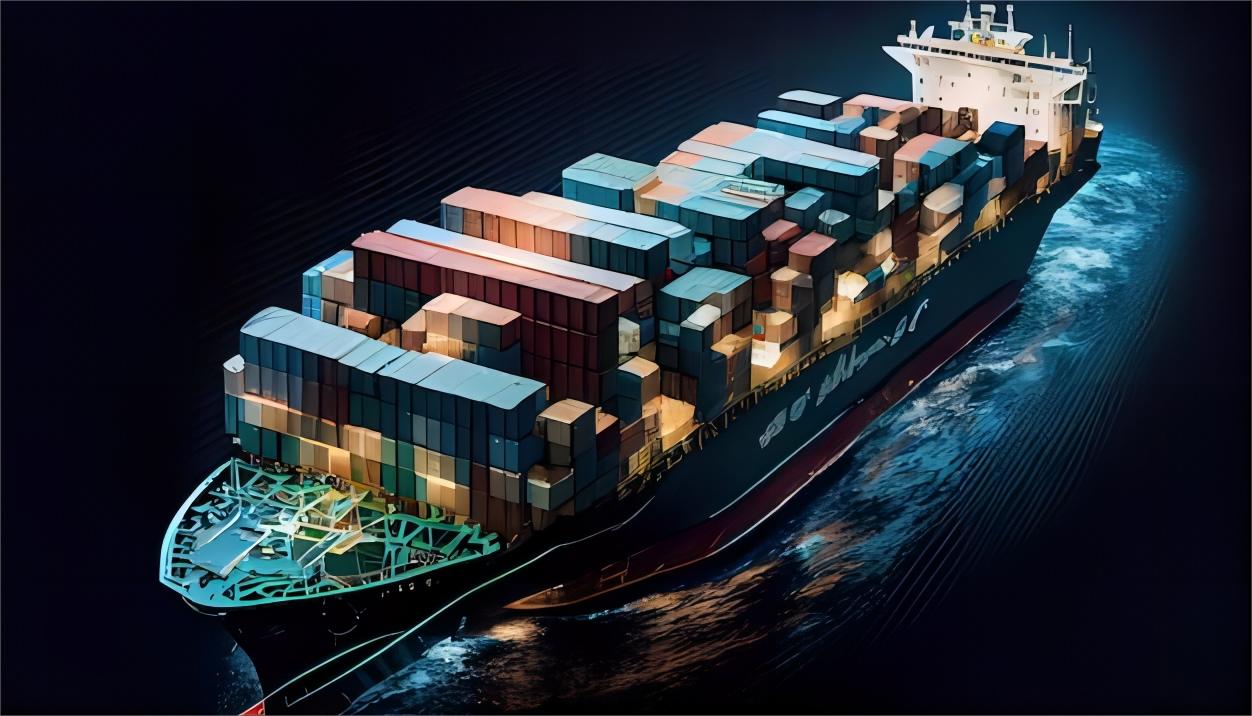
FCL shipping for toys from China to Norway: The Complete Guide
Navigating the complexities of international logistics requires a reliable partner for your business growth. If you are planning to utilize TJ China Freight for your cargo needs, understanding the nuances of FCL shipping for toys from China to Norway is essential. This guide provides actionable insights into optimizing your supply chain and reducing total landed costs.

Why Choose FCL Shipping for Toys from China to Norway?
Full Container Load (FCL) shipping remains the gold standard for toy importers who prioritize safety and volume. Consequently, choosing this method ensures that your fragile or high-value toy products are not co-loaded with other shippers’ goods. Moreover, FCL offers better security because the container is sealed at the factory and only opened upon arrival at your warehouse in Norway.

Importers often find that container shipping rates for toys are more predictable when booking a whole unit. Therefore, you can manage your inventory levels more effectively while avoiding the handling delays associated with Less than Container Load (LCL) shipments. Additionally, the risk of physical damage decreases significantly when cargo is handled fewer times throughout the journey.
How Does FCL Compare to Other Shipping Options?
Evaluating different transport modes is vital for maintaining a competitive edge in the Norwegian retail market. While sea freight is the most economical choice for large volumes, air freight serves as a faster alternative for seasonal peaks. However, the cost difference between these methods is substantial, especially for bulky toy items that occupy significant space.
Choosing between FCL and LCL depends largely on your total volume and budget constraints. For instance, if your shipment exceeds 15 cubic meters, a 20GP container often becomes more cost-effective than paying for individual CBM rates in LCL. Furthermore, direct sea routes offer more stability compared to multi-modal solutions that involve multiple transshipment points.
| Shipping Method | Cost Range (USD) | Transit Time | Best For |
|---|---|---|---|
| FCL (20GP) | $1,800 – $2,600 | 32-40 Days | Bulk toy orders |
| LCL (per CBM) | $60 – $110 | 38-45 Days | Small inventory |
| Air Freight | $5.50 – $8.50/kg | 5-8 Days | Urgent samples |
| Rail Freight | $2,200 – $3,100 | 18-24 Days | Mid-range speed |
What are the Transit Times for FCL Shipping for Toys from China to Norway?
Sea freight transit times to Norway vary depending on the specific port of loading in China and the final destination in Scandinavia. Typically, shipments departing from major hubs like Shanghai or Ningbo take approximately 35 to 42 days to reach Oslo. Nevertheless, weather conditions and port congestion in Northern Europe can occasionally influence these delivery schedules.
Direct routes are generally preferred to minimize the duration of the voyage and reduce potential risks. Accordingly, most carriers will transit through the Suez Canal before heading north towards the North Sea. In contrast, choosing a route with multiple stops in Mediterranean ports might add another week to your total transit time.
Understanding Toy Safety Regulations and Customs in Norway
Navigating the regulatory landscape is a critical step when importing toys from China to Norway. Since Norway is part of the EEA, it strictly follows EU safety standards, including REACH and CE marking requirements. Therefore, you must ensure that your manufacturer provides all necessary test reports before the cargo leaves the Chinese port.
Utilizing a professional customs brokerage service can prevent costly delays at the Norwegian border. Indeed, incorrect documentation is one of the leading causes of container detention and extra storage fees. Furthermore, you should be aware of the specific toy import duties Norway applies to different categories of playthings.
Customs officials in Norway pay close attention to chemical composition and small parts that could pose choking hazards. Consequently, maintaining a detailed technical file for every product line is a mandatory requirement for serious importers. Additionally, ensure your labels are translated into Norwegian or another Scandinavian language to comply with local consumer laws.
| Document Name | Responsibility | Importance | Timeline |
|---|---|---|---|
| Bill of Lading | Carrier | Critical | At Departure |
| CE Declaration | Manufacturer | Mandatory | Before Loading |
| Packing List | Supplier | High | At Departure |
| Commercial Invoice | Supplier | High | At Departure |
Can Rail Freight be an Alternative for Toy Shipments?
Innovative logistics solutions for toy importers now include the Trans-Eurasian rail network as a viable middle ground. While rail freight is more expensive than sea transport, it offers significantly faster transit times to Northern Europe. As a result, many businesses use rail to bridge the gap between slow sea freight and expensive air transport.
Containers traveling by rail usually arrive in hubs like Duisburg or Hamburg before being trucked to Norway. This hybrid approach allows for a door-to-door delivery schedule that is much faster than traditional maritime routes. However, you must account for the slightly higher vibration levels during rail transport by improving your inner packaging.
Calculating the Total Landed Cost of Your Toy Shipment
Managing your budget effectively requires a deep dive into every cost component of the shipping process. Beyond the base ocean freight rate, you must account for terminal handling charges, documentation fees, and inland haulage. Moreover, maritime logistics for toy retailers often involve seasonal surcharges during the peak months of August through October.
Effective door to door services provide a simplified pricing structure that includes all these variables. Therefore, you can avoid unexpected invoices from local agents upon the container’s arrival in Oslo or Bergen. In addition, always factor in the cost of cargo insurance for toy shipments to protect your investment against unforeseen maritime accidents.
Note: Freight rates are subject to change based on fuel costs, carrier capacity, and seasonal demand. Contact us for a current quote tailored to your specific shipment.

Case Studies: FCL Shipping for Toys from China to Norway
Case Study 1: Educational Toy Bulk Order. Route: Ningbo, China to Oslo, Norway. Cargo: Wooden educational toys, 28 CBM, 4,500 kg. Container: 20GP. Shipping Details: Direct service via major carrier. Cost Breakdown: Ocean Freight $2,100, Origin Charges $350, Destination Charges $450, Total Landed Cost $2,900. Timeline: 38 days door-to-door. Key Insight: Early booking during Q3 avoided the 20% peak season price hike.
Case Study 2: Electronic Toy Distribution. Route: Shenzhen, China to Bergen, Norway. Cargo: Remote control cars, 65 CBM, 8,200 kg. Container: 40HQ. Shipping Details: Transshipment via Rotterdam. Cost Breakdown: Ocean Freight $3,800, Origin Charges $500, Destination Charges $600, Total Landed Cost $4,900. Timeline: 44 days door-to-door. Key Insight: Using a 40HQ container reduced the cost per unit by 15% compared to two 20GP containers.
Which Shipping Option Should You Choose?
Deciding on the best logistics strategy depends on your specific business priorities and inventory cycles. If your primary goal is budget optimization, FCL sea freight is undoubtedly the most suitable choice for large toy volumes. On the other hand, if you are launching a new product line with tight deadlines, rail or air freight might be necessary.
High-volume importers should prioritize long-term contracts with freight forwarders to secure stable rates throughout the year. For instance, committing to a specific number of containers per month can help you avoid the volatility of the spot market. Furthermore, always consider the volume thresholds where switching from LCL to FCL becomes financially beneficial for your operations.
Final Thoughts on Toy Logistics
Successfully managing FCL shipping for toys from China to Norway requires a combination of strategic planning and regulatory compliance. By understanding the cost drivers and transit times, you can ensure your products reach the Norwegian market efficiently. Additionally, focusing on safety standards and proper documentation will prevent unnecessary delays at customs.
Reliable logistics partners play a vital role in navigating the challenges of international trade. Therefore, investing in a robust shipping strategy today will pay dividends in customer satisfaction and profit margins tomorrow. Always stay updated on the latest logistics trends to keep your toy business ahead of the competition.

Ready to streamline your logistics?
Streamline your supply chain today by partnering with experts in FCL shipping for toys from China to Norway. Our team provides transparent pricing and reliable schedules to help your business thrive. Visit our website to request a personalized quote and experience seamless logistics management for your toy imports. Send Inquiry: https://bestchinafreight.com/
Request Quote