

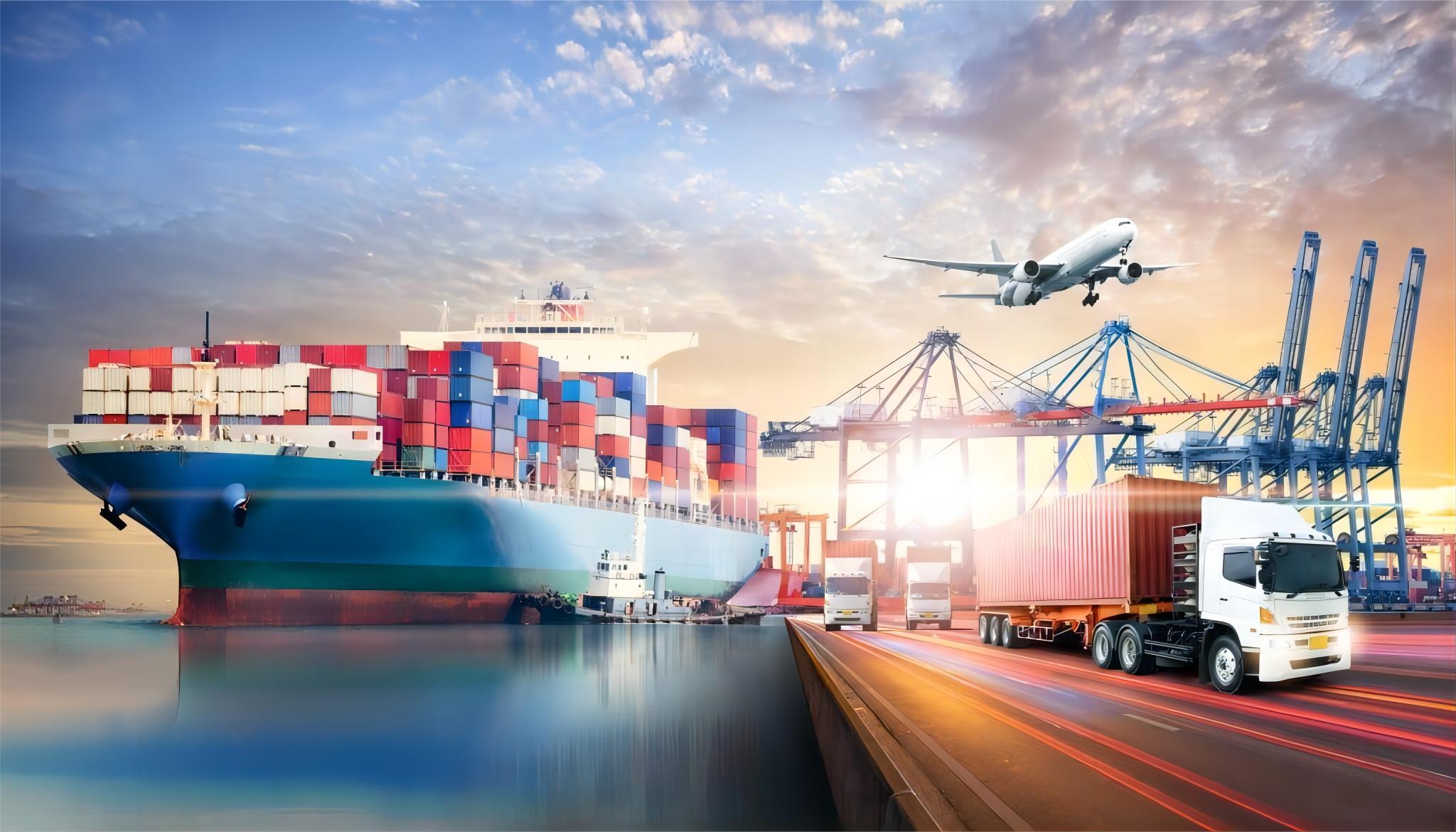
Flat Rack FCL Best Route for Hardware Tools from China to Germany
Finding the Flat Rack FCL best route for hardware tools from China to Germany requires a strategic approach to handle oversized industrial equipment. Many manufacturers struggle with the complexities of out-of-gauge cargo and international shipping regulations. TJ China Freight specializes in managing these challenging shipments by providing tailored logistics solutions. Consequently, businesses can ensure their heavy-duty hardware reaches German markets safely while maintaining cost efficiency and delivery schedules.

Why Choose Flat Rack FCL for Hardware Tools?
Shipping oversized hardware tools often exceeds the dimensions of standard dry van containers. Flat rack containers provide the necessary flexibility for loading wide or tall machinery from the top or sides. Using sea freight with flat rack equipment ensures that heavy industrial lathes, drill presses, and CNC machines remain secure during the long voyage. Furthermore, full container load (FCL) options offer dedicated space, which minimizes the risk of damage from other shippers’ cargo.
Moreover, flat rack containers are essential for items that cannot be dismantled easily. Manufacturers often prefer this method because it reduces the labor costs associated with reassembling complex hardware at the destination. Therefore, selecting the right container type is the first step in optimizing your supply chain for the German market.
What are the Primary Shipping Routes from China to Germany?
Major Chinese ports like Shanghai, Ningbo, and Shenzhen serve as the primary departure points for shipping to Europe. These hubs offer frequent departures and competitive freight rates for flat rack equipment. Typically, vessels travel through the South China Sea, across the Indian Ocean, and through the Suez Canal to reach Northern Europe. Indeed, the route to Hamburg or Bremerhaven remains the most efficient path for hardware distribution within Germany.
Additionally, some shippers explore alternative routes depending on current maritime conditions and port congestion levels. Direct services are generally preferred for heavy hardware to avoid the risks associated with multiple transshipments. Consequently, choosing a carrier with a strong presence in both China and Germany is vital for a smooth transit experience.
How Does Flat Rack FCL Compare to Other Shipping Options?
Evaluating different transportation modes is crucial for determining the most cost-effective strategy for your hardware tools. While air freight offers speed, the cost for heavy machinery is often prohibitive for standard business operations. On the other hand, rail freight provides a middle ground in terms of speed but has stricter dimensional limits than sea freight. Detailed analysis shows that sea-based flat rack FCL remains the gold standard for oversized hardware due to its high weight capacity and lower cost per unit.
To summarize the differences, consider the following comparison of common shipping methods used for China to Germany routes.
| Shipping Method | Cost Range | Transit Time | Best For |
|---|---|---|---|
| Sea Flat Rack FCL | $3,000 – $5,500 | 30-40 Days | Oversized/Heavy Tools |
| Rail Freight | $4,500 – $7,000 | 18-24 Days | Standard Pallets |
| Air Freight | $15,000+ | 5-7 Days | Urgent Spare Parts |
| Sea LCL | $100 – $200/CBM | 35-45 Days | Small Tool Sets |

Which Option Should You Choose for Your Tools?
Budget priority usually dictates that sea freight is the best choice for large-scale hardware tool shipments. If your cargo exceeds 2.3 meters in width or height, flat rack containers become a necessity rather than an option. Speed priority might suggest rail, but you must verify that your cargo fits within the rail gauge limits of the trans-Eurasian network. For instance, very heavy tools might face weight restrictions on rail lines that do not apply to ocean vessels.
Cargo type considerations also play a major role in the decision-making process. Sensitive electronic hardware tools may require the stability of a direct sea route to minimize vibrations and handling. In contrast, robust manual tools can handle more transit points without significant risk of calibration loss.
Case Study 1: Shipping an Industrial Lathe from Ningbo to Hamburg
Origin: Ningbo, China to Destination: Hamburg, Germany. Cargo: Industrial Lathe, 15 CBM, 8,500 kg. Container: 20ft Flat Rack FCL.
Shipping Details: Carrier: COSCO. Port of Loading: Ningbo. Port of Discharge: Hamburg. Route Type: Direct via Suez Canal.
Cost Breakdown: Ocean Freight: $3,200. Origin Charges: $450. Destination Charges: $600. Customs and Duties: $1,200. Total Landed Cost: $5,450.
Timeline: Booking to Loading: 5 days. Sea Transit: 32 days. Customs Clearance: 3 days. Total Door-to-Door: 40 days. Key Insight: Proper lashing and securing on the flat rack prevented any movement during peak season swells.
How Do Transit Times Vary by Destination Port?
Transit times are influenced by the specific port of discharge in Germany and the carrier’s rotation schedule. Hamburg usually offers the fastest access for northern and eastern German destinations. Meanwhile, Bremerhaven is an excellent alternative for cargo destined for western industrial clusters. Without a doubt, the choice of port can impact the final delivery time by several days depending on the inland trucking availability.
Based on current market rates and schedules for Q1 2025, here are the typical transit expectations for major routes.
| Origin Port | Destination Port | Average Transit | Frequency |
|---|---|---|---|
| Shanghai | Hamburg | 33 Days | Daily |
| Shenzhen | Bremerhaven | 30 Days | Weekly |
| Ningbo | Hamburg | 34 Days | Bi-weekly |
| Qingdao | Wilhelmshaven | 38 Days | Weekly |

What Are the Essential Customs and Documentation Requirements?
Importing hardware tools into Germany requires strict adherence to European Union customs regulations. You must provide a commercial invoice, a detailed packing list, and a Bill of Lading. Furthermore, hardware tools often require CE certification to prove they meet safety and environmental standards. Engaging a professional customs brokerage service can prevent costly delays at the border.
Specifically, the EORI number is mandatory for any business importing goods into Germany. Accurate HS codes for hardware tools must be used to determine the correct duty rates and avoid penalties. Consequently, double-checking all paperwork before the vessel leaves China is a critical step in the logistics process.
Case Study 2: Oversized Press Brake from Shenzhen to Bremerhaven
Route: Shenzhen, China to Bremerhaven, Germany. Cargo: Hydraulic Press Brake, 22 CBM, 12,000 kg. Container: 40ft Flat Rack FCL.
Shipping Details: Carrier: Maersk. Port of Loading: Yantian (Shenzhen). Port of Discharge: Bremerhaven. Route Type: Direct.
Cost Breakdown: Ocean Freight: $4,800. Origin Charges: $550. Destination Charges: $750. Customs and Duties: $2,100. Total Landed Cost: $8,200.
Timeline: Booking to Loading: 7 days. Sea Transit: 35 days. Customs Clearance: 4 days. Total Door-to-Door: 46 days. Key Insight: Utilizing a 40ft flat rack allowed for additional peripheral equipment to be shipped alongside the main unit, saving on total freight costs.
What Logistics Trends are Affecting China to Germany Routes in 2025?
Market data suggests that freight rates have stabilized in early 2025 following the disruptions seen in previous years. However, seasonal demand during the late summer months can still lead to capacity shortages for specialized equipment like flat racks. Indeed, many shippers are now booking at least four to six weeks in advance to secure equipment and space. Additionally, the industry is seeing a shift toward more sustainable shipping practices, with some carriers offering carbon-offsetting options for industrial cargo.
Moreover, digital tracking technology has become a standard requirement for high-value hardware shipments. Real-time visibility allows German importers to plan their warehouse labor and production schedules with greater precision. Therefore, staying informed about these trends is essential for maintaining a competitive edge in the hardware industry.
How to Optimize Costs for Flat Rack Shipments?
Reducing expenses for oversized cargo involves more than just finding the lowest freight rate. You should consider the total landed cost, which includes trucking, port fees, and customs duties. For instance, using a door-to-door service can often be more economical than managing each leg of the journey separately. This integrated approach reduces the administrative burden and minimizes the risk of unexpected storage fees at the port.
Furthermore, optimizing the dimensions of your hardware packaging can lead to significant savings. If a tool can be slightly modified to fit on a 20ft flat rack instead of a 40ft one, the freight cost can drop by nearly 40 percent. Note: Freight rates are subject to change based on fuel costs, carrier capacity, and seasonal demand. Contact us for a current quote tailored to your specific shipment.
Final Thoughts on Shipping Hardware Tools to Germany
Successfully navigating the Flat Rack FCL best route for hardware tools from China to Germany requires a combination of the right equipment, strategic port selection, and meticulous documentation. By choosing sea freight for your oversized cargo, you balance cost-effectiveness with the physical requirements of heavy machinery. Remember to plan for customs clearance well in advance and stay updated on market trends to avoid peak season surcharges. Partnering with an experienced freight forwarder ensures that your hardware tools arrive in Germany ready for operation, supporting your business growth in the European market.
Ready to streamline your logistics?
Ready to secure the Flat Rack FCL best route for hardware tools from China to Germany? Contact our expert logistics team today to receive a customized quote and streamline your supply chain.
Request Quote