

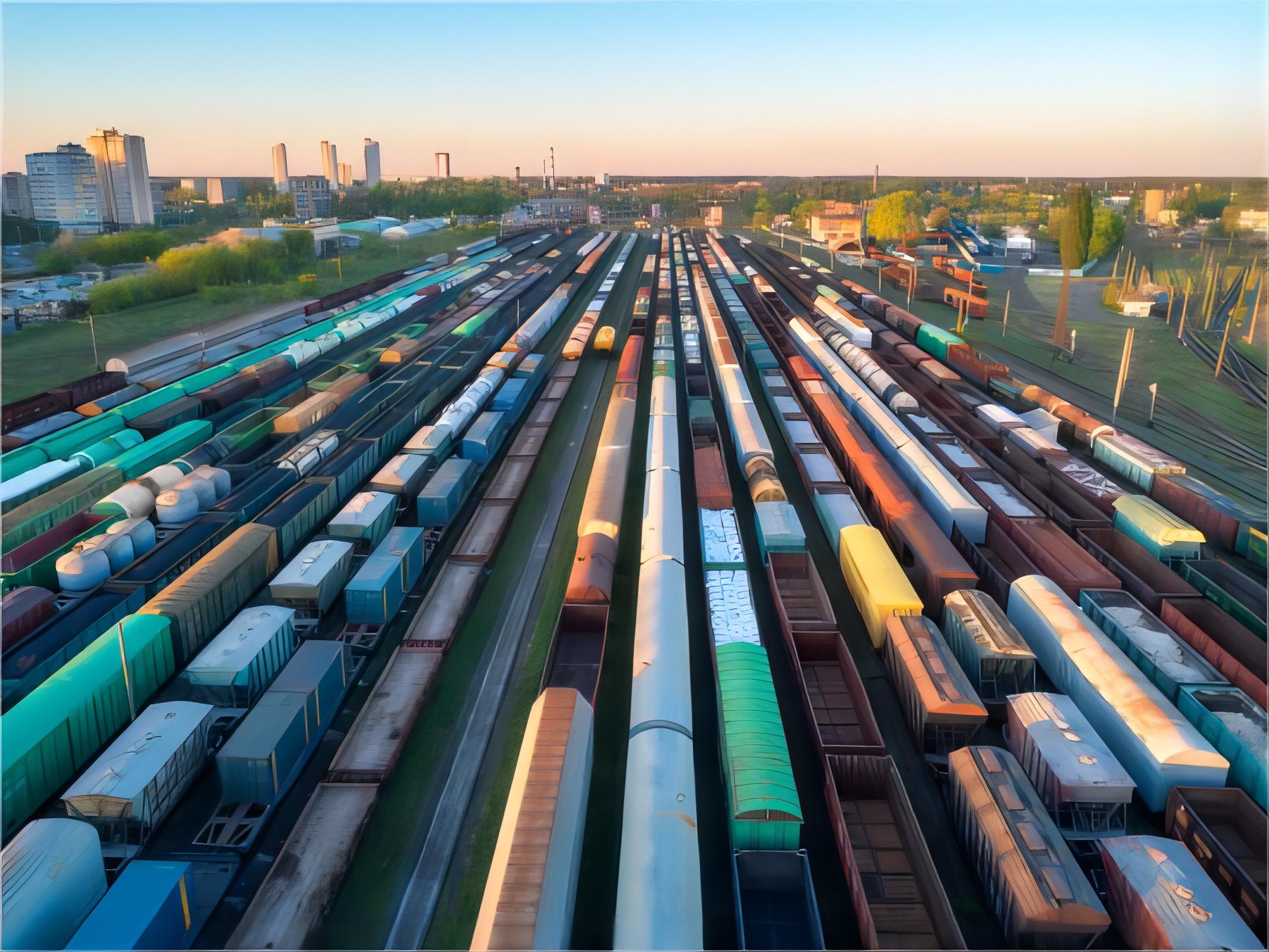
40HQ FCL Booking Process for Electronics from China to Europe
Navigating the 40HQ FCL booking process for electronics from China to Europe requires meticulous planning and a deep understanding of international logistics. Most businesses face challenges with fluctuating freight rates and complex customs regulations that can delay high-value shipments. By partnering with TJ China Freight, you can streamline your supply chain and ensure your electronic goods arrive safely and on schedule.
What is a 40HQ Container and Why is it Ideal for Electronics?
High Cube containers, commonly known as 40HQ, offer an additional foot of vertical space compared to standard 40-foot units. This extra height proves invaluable for electronics, which often have bulky, lightweight packaging that requires maximum volume. Consequently, shippers can fit more units per container, significantly reducing the landed cost per item.

Moreover, the structural integrity of a 40HQ container provides superior protection against external elements during long sea voyages. Electronics are sensitive to moisture and physical impact, making the secure environment of a Full Container Load (FCL) the preferred choice. Therefore, choosing FCL over LCL minimizes handling and reduces the risk of damage during transit.
Additionally, the standardized dimensions of these containers allow for seamless integration with European rail and trucking networks. Once the vessel arrives at a major port like Rotterdam or Hamburg, the container moves easily onto a chassis for final delivery. Indeed, this efficiency is why the 40HQ remains the workhorse of the global electronics supply chain.

The Step-by-Step 40HQ FCL Booking Process for Electronics from China to Europe
Initially, you must determine your total cargo volume to ensure a 40HQ container is the most cost-effective solution. You should request a detailed quote from a specialist in sea freight to compare current market rates and surcharges. Afterward, provide your freight forwarder with the exact pickup address in China and the final destination in Europe.
The next phase involves the issuance of a Booking Note by the shipping line once they confirm space availability. Your supplier in China will then coordinate with the forwarder to arrange for the empty container to be picked up from the port. Meanwhile, ensure all lithium battery declarations are completed if your electronics include integrated power sources.
Furthermore, the loading process must be supervised to ensure weight is distributed evenly and cargo is secured properly. Once the container is sealed, the trucking company delivers it to the terminal for export customs clearance. Finally, the shipping line issues the Bill of Lading, which serves as your title document for the goods.
How Does 40HQ FCL Compare to Other Shipping Options?
While 40HQ FCL is the most popular method, other logistics strategies might suit specific business needs. For instance, rail freight offers a middle ground between the speed of air and the low cost of sea. In contrast, air freight remains the only viable option for urgent product launches or high-value microchips despite its high cost.
Specifically, the price difference between sea and air can be staggering for large volumes. A 40HQ container might cost $4,000 to ship, whereas the same volume via air could exceed $50,000. Therefore, sea freight is almost always the better choice for bulk consumer electronics like televisions, kitchen appliances, or computer monitors.
However, you should consider the trade-offs in transit time when making your decision. Sea freight takes roughly 35 to 45 days, while rail can deliver in 18 to 22 days. Consequently, businesses must balance their inventory carrying costs against the higher freight rates of faster modes.
| Shipping Method | Cost Range (USD) | Transit Time | Best For |
|---|---|---|---|
| Sea FCL (40HQ) | $3,000 – $4,500 | 30 – 45 Days | Bulk Electronics |
| Rail Freight | $4,500 – $6,500 | 18 – 25 Days | Mid-value Goods |
| Air Freight | $15,000 – $30,000 | 5 – 10 Days | Urgent Shipments |
| Sea-Air Hybrid | $8,000 – $12,000 | 15 – 20 Days | Balanced Priority |
Which Option Should You Choose? Decision Framework
Choosing the right shipping method depends on your budget, lead times, and the specific nature of your electronic products. If your primary goal is cost minimization, the 40HQ FCL booking process for electronics from China to Europe is the gold standard. On the other hand, if you are facing a stock-out situation, the speed of express service might justify the premium price.
Volume thresholds also play a critical role in your decision-making process. For shipments exceeding 15 cubic meters, FCL is generally more economical than Less than Container Load (LCL). Furthermore, FCL reduces the risk of damage because your goods are not co-loaded with other shippers’ cargo.
Consider the destination infrastructure when selecting your route. Some inland European cities are better served by rail hubs, while coastal regions benefit from direct sea routes. Accordingly, you should consult with a logistics expert to map out the most efficient door-to-door path for your supply chain.
Essential Documentation and Customs Compliance
Successful importing into Europe requires strict adherence to customs documentation and product safety standards. You must ensure your products carry the CE mark and comply with WEEE and RoHS directives. Additionally, an accurate Commercial Invoice and Packing List are mandatory for customs brokerage to clear your goods without penalties.
Moreover, the European Union’s Import Control System 2 (ICS2) requires detailed cargo information before the vessel even departs China. Failure to provide this data can result in significant fines or cargo rejection at the port of entry. Therefore, working with an experienced forwarder is essential to manage these digital filings correctly.
Indeed, having a comprehensive insurance policy is another vital step in the documentation process. Electronics are high-value targets for theft and are susceptible to damage from moisture or rough handling. Consequently, securing ‘All Risks’ coverage provides peace of mind throughout the long journey from China to Europe.
| Document Type | Requirement | Purpose | Issuer |
|---|---|---|---|
| Bill of Lading | Mandatory | Title of Goods | Carrier |
| Commercial Invoice | Mandatory | Duty Valuation | Exporter |
| CE Certificate | Product Specific | Safety Compliance | Lab/Manufacturer |
| MSDS | For Batteries | Safety Handling | Manufacturer |
Real-World Case Studies for Electronics Shipping
Case Study 1: Shenzhen to Hamburg Route: Shenzhen, China to Hamburg, Germany Cargo: Consumer Tablets, 68 CBM, 14,000 kg Container: 40HQ FCL Shipping Details: – Carrier: COSCO Shipping – Port of Loading: Yantian (Shenzhen) – Port of Discharge: Hamburg – Route Type: Direct Cost Breakdown: – Ocean Freight: $3,450 – Origin Charges: $450 – Destination Charges: $550 – Customs & Duties: $2,200 – Total Landed Cost: $6,650 Timeline: – Booking to Loading: 5 days – Sea Transit: 32 days – Customs Clearance: 2 days – Total Door-to-Door: 39 days Key Insight: By using a direct route from Yantian, the shipper avoided transshipment delays in Singapore, ensuring the products reached German retailers before the holiday peak.
Case Study 2: Ningbo to Rotterdam Route: Ningbo, China to Rotterdam, Netherlands Cargo: LED Display Panels, 72 CBM, 11,500 kg Container: 40HQ FCL Shipping Details: – Carrier: Maersk Line – Port of Loading: Ningbo-Zhoushan – Port of Discharge: Rotterdam – Route Type: Transshipment via Algeciras Cost Breakdown: – Ocean Freight: $3,100 – Origin Charges: $400 – Destination Charges: $600 – Customs & Duties: $1,800 – Total Landed Cost: $5,900 Timeline: – Booking to Loading: 7 days – Sea Transit: 38 days – Customs Clearance: 3 days – Total Door-to-Door: 48 days Key Insight: Opting for a transshipment route saved the client $350 in freight costs, though it added 6 days to the total transit time compared to direct services.
Cost-Saving Strategies and Logistics Trends for 2025
As of early 2025, freight rates have stabilized, but seasonal fluctuations still impact the total cost of shipping. Shippers should book their containers at least 3 to 4 weeks in advance to avoid peak season surcharges during the Q3 rush. Furthermore, consolidating smaller orders into a single door to door shipment can reduce administrative fees.
Specifically, the trend toward ‘Green Logistics’ is influencing how electronics are moved across the globe. Many carriers now offer biofuel options or carbon offset programs to help companies meet their sustainability goals. While these options may carry a slight premium, they are becoming a requirement for many European corporate buyers.
Additionally, digital tracking technologies are now standard for high-value electronics shipments. You can monitor your 40HQ container in real-time, allowing for better inventory planning and more accurate delivery windows. Consequently, this transparency reduces the need for safety stock and improves overall supply chain efficiency.

Summary of Shipping Electronics via 40HQ FCL
To summarize, the 40HQ FCL booking process for electronics from China to Europe offers the best balance of cost, safety, and volume. By following a structured booking timeline and ensuring all compliance documentation is in order, you can avoid the common pitfalls of international trade. Remember to consider alternative modes like rail freight when speed is a priority, but rely on the 40HQ for your high-volume needs.
Ultimately, success in electronics logistics depends on choosing the right partners and staying informed about market trends. Whether you are shipping from Shenzhen to Hamburg or Ningbo to Rotterdam, meticulous planning is the key to a resilient supply chain. Trust in professional services to navigate the complexities of global shipping and keep your business moving forward.
Ready to streamline your logistics?
Managing the 40HQ FCL booking process for electronics from China to Europe does not have to be overwhelming. Our expert team provides end-to-end support to ensure your cargo arrives safely and cost-effectively. Contact TJ China Freight today for a customized quote and professional logistics advice. Send Inquiry: https://bestchinafreight.com/contact-us/
Request Quote