

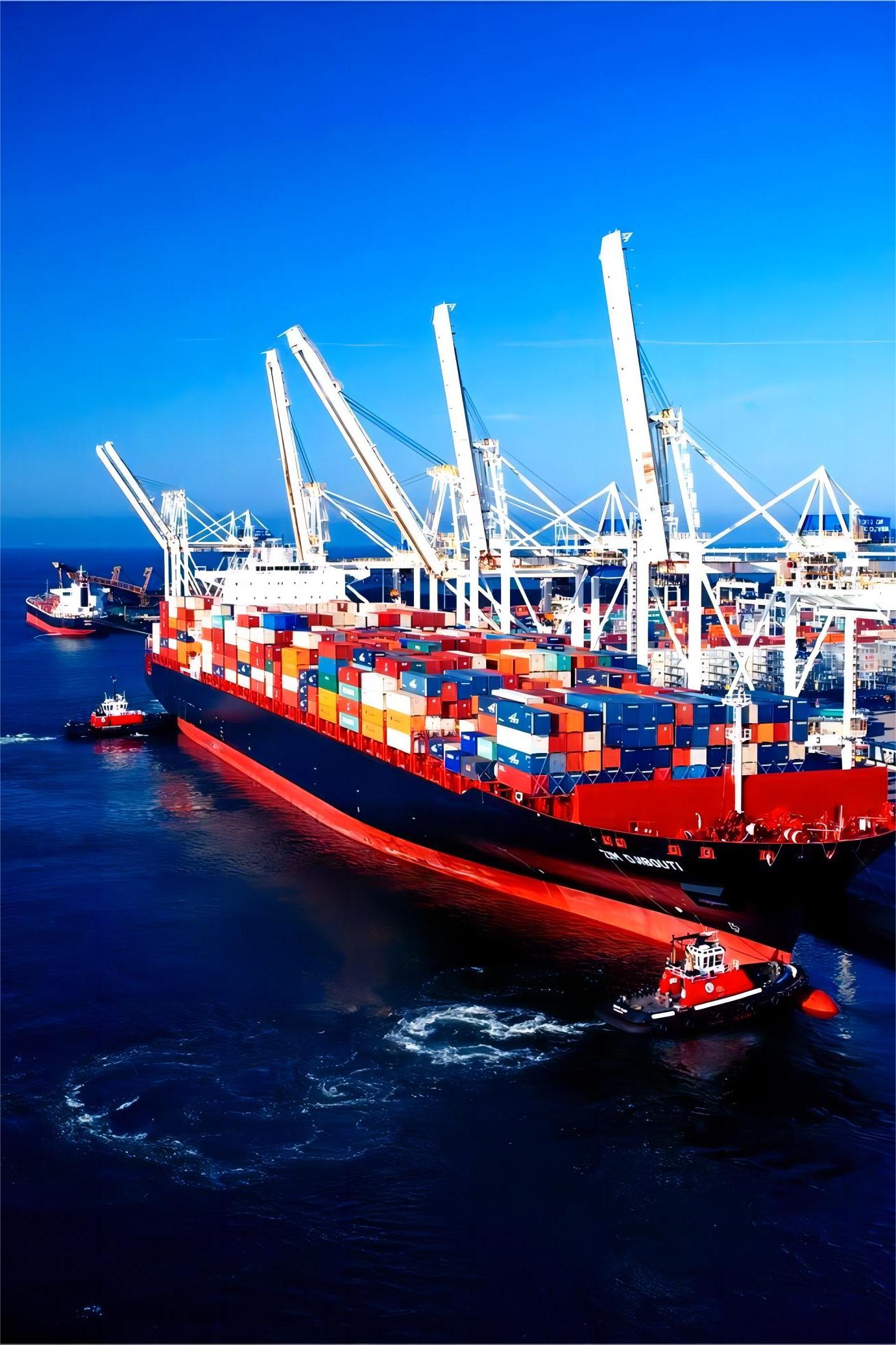
40HQ FCL Demurrage Prevention for Solar Panels from China to Denmark
Shipping solar panels from China to Denmark in 40HQ FCL containers presents unique logistical challenges. Preventing costly demurrage charges is crucial for maintaining profitability and efficient project timelines. This comprehensive guide will equip you with essential strategies to navigate the complexities of international freight and ensure smooth delivery of your valuable cargo. For expert assistance with your shipments, visit TJ China Freight.

Understanding 40HQ FCL Demurrage and Detention for Your Shipment
When importing solar panels from China to Denmark in 40HQ FCL containers, understanding demurrage and detention charges is crucial. These fees significantly inflate shipping costs if not carefully managed. Demurrage applies when your container remains at the port terminal beyond the free storage period. Conversely, detention charges occur when you retain the carrier’s container outside the port, past the agreed free time.

What Distinguishes Demurrage from Detention Fees?
Demurrage refers to charges levied by the shipping line for container use within the terminal. For instance, if your solar panels arrive at Aarhus Port and sit there too long, demurrage accrues. These fees encourage prompt cargo movement. Detention charges, however, apply when the container has left the terminal but is not returned within allotted free time. Both are critical for your sea freight budget.
Why Are Solar Panel Shipments Particularly Susceptible?
Solar panels, being delicate and often large-volume, pose specific handling challenges, potentially slowing unloading. Peak demand periods also cause port congestion, increasing offloading delays. Moreover, specific Danish import regulations for solar panels might require extra inspections, adding to clearance time. Any documentation misstep quickly exhausts free time, increasing demurrage and detention risks. Robust supply chain management is therefore essential.
Proactive Planning: Your First Line of Defense Against Demurrage
Effective demurrage prevention for solar panels from China to Denmark starts well before shipping. Meticulous planning and coordination are key to a smooth process. Proactive steps, like careful booking and comprehensive documentation, significantly reduce unexpected charges. Early engagement with your freight forwarder and understanding the entire logistics chain are indispensable.
Optimizing Booking and Carrier Selection for 40HQ FCL
Book your 40HQ FCL container well in advance, especially during peak seasons, to secure space and potentially better freight rates. Select a reliable carrier with a proven track record for on-time performance and efficient port operations. Research their typical transit times and free time policies for Danish ports. Consider direct services to Denmark to minimize transshipment risks. Always understand specific demurrage and detention terms before booking.
Accurate Documentation Preparation and Submission
Inaccurate or incomplete documentation is a primary cause of customs delays, directly leading to demurrage. Therefore, ensure all required documents, such as the commercial invoice, packing list, bill of lading, and any necessary product certifications for solar panels, are perfectly prepared. These must comply with Danish import regulations. Timely submission of all paperwork to customs and the shipping line is non-negotiable. Double-checking every detail saves significant costs. This meticulous approach is vital for efficient customs brokerage.
| Document Type | Purpose | Key Details |
|---|---|---|
| Commercial Invoice | Customs valuation, duties | Accurate description, value, terms of sale |
| Packing List | Cargo verification | Container number, item count, weight, dimensions |
| Bill of Lading (B/L) | Contract of carriage, title | Shipper, consignee, notify party, port details |
| Certificate of Origin | Tariff rates, trade agreements | Country of manufacture (e.g., China) |
| Product Certifications | Safety, compliance (solar panels) | CE marking, IEC standards, specific Danish requirements |
Streamlining Customs Clearance for Solar Panels in Denmark
Efficient customs clearance is perhaps the most critical factor in preventing demurrage for solar panels entering Denmark. Delays at this stage can quickly exhaust free time, leading to substantial daily charges. A proactive and informed approach to Danish customs procedures is therefore indispensable. Understanding local regulations and utilizing expert resources can make all the difference.
Pre-Arrival Notice and Expedited Customs Procedures
Submitting a pre-arrival notice (PAN) to Danish customs well before your 40HQ FCL shipment arrives is a highly effective strategy. This allows customs authorities to begin processing documentation in advance, potentially enabling pre-clearance. Such a measure significantly reduces the time your solar panels spend waiting at the port. Work closely with your freight forwarder to ensure all necessary electronic declarations are filed accurately and on time, safeguarding your delivery schedule.
Engaging a Local Customs Broker in Denmark
Partnering with an experienced local customs broker in Denmark is an invaluable asset for demurrage prevention. These professionals possess in-depth knowledge of Danish import laws, tariffs, and customs processes. They can identify potential issues before they arise, ensuring all declarations are compliant and accurate. Furthermore, a local broker can act as your direct liaison with customs officials, expediting communication and swiftly resolving any queries. Their expertise minimizes errors leading to costly delays.
Efficient Port Operations and Inland Transport for Your Solar Panels
Once customs clearance is initiated, the focus shifts to the swift movement of your 40HQ FCL container from the port. Inefficient port operations or delays in arranging inland transport are common culprits for incurring detention charges. Meticulous coordination between the port, your transport provider, and the final destination is therefore essential. Every hour saved contributes to demurrage prevention for solar panels from China to Denmark. Careful planning minimizes idle time.
Timely Container Pickup and Unloading
Arrange for truck transport to pick up your 40HQ FCL container immediately after it clears customs and is available at the terminal. Pre-booking your trucking services ensures that a vehicle is ready and waiting. Communicate clearly with the trucking company regarding port access hours, container release numbers, and any specific handling instructions for solar panels. Upon arrival at your Danish warehouse, ensure you have sufficient manpower and equipment ready for immediate unloading. This efficiency is critical for door to door services.
Warehouse Solutions and Delivery Scheduling
For large shipments of solar panels, especially if immediate installation is not feasible, consider pre-arranging warehouse storage solutions near the port of discharge. This allows for rapid offloading of the container, enabling its prompt return to the carrier and preventing potential detention fees. Panels can then be stored securely and delivered to project sites as needed. Optimizing your delivery schedule by coordinating with Danish clients ensures preparedness. Just-in-time delivery strategies, supported by reliable logistics partners, significantly reduce the need for extended storage, enhancing your supply chain management.
How Does Sea Freight Compare to Other Shipping Options for Solar Panels?
While 40HQ FCL sea freight is the most common and cost-effective method for shipping large volumes of solar panels from China to Denmark, it is not the only option. Understanding alternatives and their trade-offs is crucial for strategic logistics planning. Different scenarios might call for different approaches, balancing speed, cost, and cargo type. This comparison helps in making informed decisions for your specific import needs.
Comparison Table: Sea, Air, and Rail Freight
Below is a comparative overview of the primary shipping methods for solar panels from China to Denmark. This table highlights key considerations such as cost, transit time, and suitability for different scenarios. Note that rail freight directly from China to Denmark is not a standard direct route for FCL, often involving intermodal solutions or transshipment through other European hubs.
| Shipping Method | Cost Range (40HQ FCL Equivalent) | Transit Time (China to Denmark) | Best For | Limitations |
|---|---|---|---|---|
| Sea Freight (FCL 40HQ) | $3,000 – $4,200 | 28 – 35 days | Large volumes, cost-efficiency, non-urgent cargo | Long transit times, port congestion risks |
| Air Freight | $15,000 – $25,000 (equivalent volume) | 5 – 7 days | Urgent, high-value, smaller shipments, samples | Very high cost, volume/weight restrictions, environmental impact |
| Rail Freight (Intermodal) | $6,000 – $9,000 | 18 – 25 days | Mid-size volumes, faster than sea, cheaper than air, specific routes | Limited direct routes to Denmark, transshipment required, less capacity than sea |

Which Option Should You Choose?
**Budget Priority**: If cost-efficiency is your main concern and you have ample lead time, **sea freight** is unequivocally the best option for 40HQ FCL solar panel shipments. It offers the lowest per-unit cost for large volumes. This is the default choice for most large-scale solar projects. **Speed Priority**: For urgent replacements, small critical components, or time-sensitive projects, **air freight** is the fastest solution. While significantly more expensive, it can drastically cut transit times. However, it is rarely economical for full 40HQ equivalents of solar panels. **Balanced Approach**: If you need a faster option than sea freight but cannot justify air freight costs, **rail freight** (often combined with road or short-sea for the final leg to Denmark) presents a viable middle ground. It’s suitable for mid-sized projects or when sea freight schedules are too long but air freight is too costly. **Cargo Type Considerations**: Fragile solar panels benefit from the stability of FCL sea containers, reducing handling. For extremely sensitive or high-value components that are small in volume, air freight might be considered for added security and speed. Always ensure proper packaging, regardless of the chosen method. Consider air freight for expedited shipping or rail freight for a balanced approach.
Real-World Strategies: Case Studies in Demurrage Prevention
Examining real-world scenarios provides practical insights into effective demurrage prevention for solar panels from China to Denmark. These case studies highlight how meticulous planning, proactive communication, and strategic partnerships can overcome common logistical hurdles. They demonstrate the tangible benefits of a well-executed shipping strategy, particularly for 40HQ FCL shipments, optimizing your supply chain.
Case Study 1: Pre-cleared Shipment Success to Aarhus
This case exemplifies how early documentation and broker engagement led to a seamless import, avoiding demurrage. The client, a Danish solar installer, prioritized pre-clearance. Based on Q3 2024 market rates, this approach proved highly effective.
| Detail | Description |
|---|---|
| Route | Shanghai, China to Aarhus, Denmark |
| Cargo | Monocrystalline Solar Panels, 65 CBM, 25,000 kg |
| Container | 40HQ FCL |
| Shipping Details | Carrier: Maersk. Port of Loading: Shanghai. Port of Discharge: Aarhus. Route Type: Direct. |
| Cost Breakdown | Ocean Freight: $3,200. Origin Charges: $450. Destination Charges: $600. Customs & Duties (estimated): $1,800. Total Landed Cost: $6,050. |
| Timeline | Booking to Loading: 7 days. Sea Transit: 30 days. Customs Clearance: 1 day (pre-cleared). Total Door-to-Door: 38 days. |
| Key Insight | Early submission of complete documentation and engaging a local Danish customs broker allowed for pre-clearance, ensuring the container was picked up within hours of vessel arrival. This avoided any demurrage charges entirely, saving the client an estimated $300-500. |

Case Study 2: Mitigating Peak Season Delays to Copenhagen
This scenario illustrates how strategic planning helped a client navigate the challenges of peak season, minimizing potential demurrage. The client needed to import solar panels during the busy Q4 period, known for higher rates and congestion. Typical rates as of early 2025 were considered.
| Detail | Description |
|---|---|
| Route | Ningbo, China to Copenhagen, Denmark |
| Cargo | Polycrystalline Solar Panels, 62 CBM, 24,000 kg |
| Container | 40HQ FCL |
| Shipping Details | Carrier: COSCO. Port of Loading: Ningbo. Port of Discharge: Copenhagen. Route Type: Direct. |
| Cost Breakdown | Ocean Freight: $3,800. Origin Charges: $500. Destination Charges: $650. Customs & Duties (estimated): $2,100. Total Landed Cost: $7,050. |
| Timeline | Booking to Loading: 10 days. Sea Transit: 32 days. Customs Clearance: 2 days. Total Door-to-Door: 44 days. |
| Key Insight | Anticipating Q4 port congestion, the freight forwarder advised booking an extra day of free time at origin and destination. Despite a 1-day vessel delay, the pre-arranged extended free time (an added cost of $50) prevented $200+ in potential demurrage. Close communication with the trucking company ensured immediate pickup after clearance. |
Leveraging Technology and Expert Partnerships for Optimized Logistics
In the complex world of international shipping, technology and strong partnerships are indispensable tools for demurrage prevention for solar panels from China to Denmark. Modern logistics platforms offer real-time tracking, predictive analytics, and enhanced communication capabilities. These advancements provide greater visibility and control over your 40HQ FCL shipments, allowing for proactive intervention.
The Role of Real-Time Tracking and Predictive Analytics
Utilizing real-time tracking systems allows importers to monitor the exact location and status of their 40HQ FCL container at any given moment. This transparency is vital for anticipating arrival times and coordinating subsequent logistics, such as customs clearance and inland transport. Any unexpected delays can be identified early, enabling immediate corrective action. Predictive analytics takes this a step further by using historical data and current market conditions to forecast potential disruptions, empowering importers to adjust their plans, re-route cargo, or extend free time proactively, thus significantly reducing the risk of demurrage and detention charges. This proactive monitoring enhances overall supply chain resilience for shipping to Europe.
Why Partner with a Specialized Freight Forwarder?
A specialized freight forwarder, particularly one with extensive experience in the China-Europe route and handling sensitive cargo like solar panels, is an invaluable partner. They possess negotiation power with shipping lines, access to competitive freight rates, and deep knowledge of international regulations. Their expertise in optimizing routes and managing documentation is critical for efficient operations. They act as a single point of contact, coordinating all aspects of your shipment from origin to destination. This integrated approach simplifies complex logistics, minimizes administrative burden, and crucially, helps in mitigating demurrage risks by ensuring timely and compliant movements of your solar panels. Note: Freight rates are subject to change based on fuel costs, carrier capacity, and seasonal demand. Contact us for a current quote tailored to your specific shipment.
Conclusion: Mastering 40HQ FCL Demurrage Prevention
Effectively managing 40HQ FCL demurrage prevention for solar panels from China to Denmark is a multifaceted challenge requiring strategic planning and execution. By focusing on proactive measures such as optimized booking, accurate documentation, efficient customs clearance, and streamlined inland transport, importers can significantly reduce their exposure to unexpected costs. Leveraging technology and partnering with experienced logistics providers further enhances these efforts.
Indeed, the successful importation of solar panels hinges on a robust supply chain that anticipates and mitigates risks at every stage. Implementing these strategies will not only save you money but also ensure the timely and reliable delivery of your crucial renewable energy components. Prioritize careful planning and expert support to achieve optimal outcomes for all your shipments.
Ready to streamline your logistics?
Ready to optimize your solar panel imports and prevent costly demurrage? Partner with TJ China Freight for seamless 40HQ FCL shipping from China to Denmark. Contact us today for a personalized quote and expert logistics solutions tailored to your needs. Take control of your supply chain and ensure timely delivery.
Request Quote