

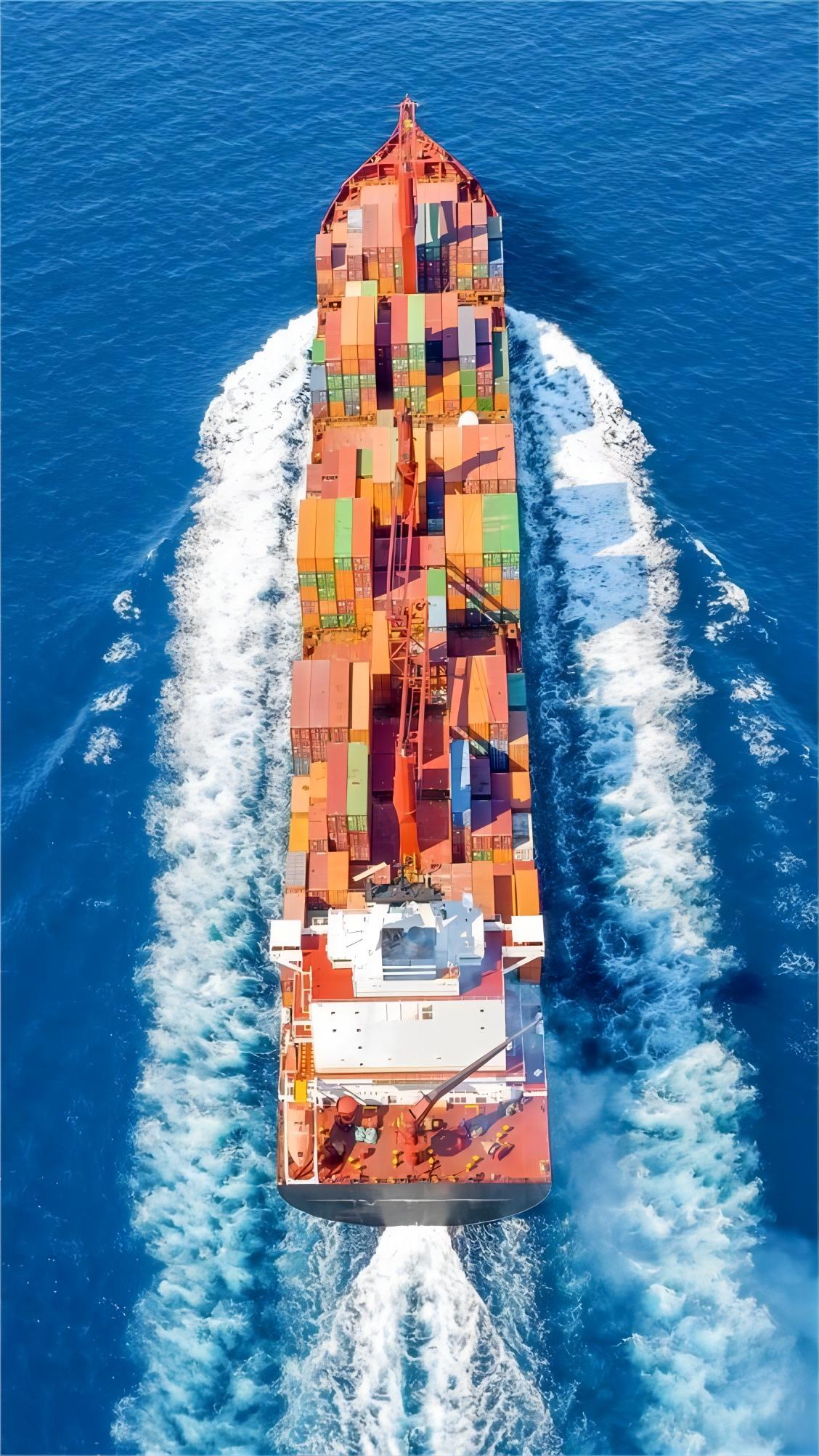
40GP FCL transit time for toys from China to Miami: A Complete Guide
Managing international logistics requires a deep understanding of lead times and shipping methods to ensure your inventory arrives on schedule. When you are importing high volumes of consumer goods, the 40GP FCL transit time for toys from China to Miami becomes a critical factor in your business success. By partnering with a reliable freight forwarder like TJ China Freight, you can navigate the complexities of ocean transit and port operations with confidence. This guide provides a detailed analysis of shipping durations, cost factors, and alternative strategies to help you streamline your toy imports from major Chinese manufacturing hubs to the Florida coast.

Understanding the 40GP FCL transit time for toys from China to Miami
Importing toys in a 40-foot General Purpose (40GP) container offers a balance of volume and cost-efficiency for large-scale retailers. However, the 40GP FCL transit time for toys from China to Miami typically ranges between 30 and 45 days depending on the specific route and carrier. Choosing sea freight ensures that you can move thousands of units in a single shipment while maintaining lower per-unit costs.
When you ship from South China ports like Shenzhen or Guangzhou, the transit time is often slightly shorter compared to North China origins. Most vessels traveling to the US East Coast must pass through either the Panama Canal or the Suez Canal, which adds significant time compared to West Coast deliveries. Consequently, you must account for these geographic constraints when planning your seasonal toy launches and inventory replenishment cycles.
Logistics managers often prefer Full Container Load (FCL) shipments because they offer better security and faster handling than Less than Container Load (LCL) options. Since your cargo occupies the entire container, there is no need for consolidation or deconsolidation at intermediate hubs, which reduces the risk of damage to delicate toy packaging. Therefore, understanding the nuances of the 40GP FCL transit time for toys from China to Miami is vital for maintaining a healthy supply chain.
Moreover, the current market environment in early 2025 shows that vessel scheduling has become more predictable after previous global disruptions. Carriers are optimizing their loops to provide more consistent arrival windows at the Port of Miami, which is a major gateway for the Southeastern United States. Indeed, staying informed about these transit trends allows you to communicate accurate delivery dates to your customers and stakeholders.
Factors Affecting 40GP FCL transit time for toys from China to Miami
Several variables can influence the total duration of your shipment from the factory floor to the Miami warehouse. Weather conditions in the Pacific and Atlantic Oceans, such as typhoon seasons or winter storms, can cause vessels to deviate from their planned schedules. Additionally, port congestion at major Chinese hubs like Ningbo or Shanghai can lead to delays in vessel berthing and container loading.
Miami port operations also play a significant role in the final delivery timeline for your toy shipments. During peak seasons, the increased volume of containers can lead to longer wait times for trucks and slower processing at the terminal. Furthermore, the choice of shipping route, whether it is a direct service or one with multiple transshipment stops, will drastically change the total number of days at sea.
Fuel prices and environmental regulations often prompt carriers to adopt slow-steaming practices to reduce operational costs. While this is beneficial for the environment and freight rates, it naturally extends the 40GP FCL transit time for toys from China to Miami by several days. As a result, you should always include a buffer of 5 to 7 days in your logistics planning to account for these potential fluctuations.
| Origin Port | Average Transit | Route Type | Frequency |
|---|---|---|---|
| Shenzhen (Yantian) | 32-35 Days | Panama Canal Direct | Weekly |
| Ningbo-Zhoushan | 35-40 Days | Suez or Panama | Bi-Weekly |
| Shanghai | 34-38 Days | Panama Canal | Weekly |
| Qingdao | 40-45 Days | Transshipment | Weekly |
How Does Sea Freight Compare to Other Shipping Options?
While ocean freight is the standard for bulk toy shipments, it is important to evaluate how it compares to faster but more expensive alternatives. For instance, air freight can deliver your cargo in 5 to 10 days, but the cost is significantly higher per kilogram. If you are facing a stockout or launching a high-demand product, the speed of air transport might justify the premium price.
In contrast, the 40GP FCL transit time for toys from China to Miami remains the most economical choice for standard inventory. Rail freight is an option for shipments to Europe, but it is not a viable direct route for China to Miami logistics. Therefore, sea freight remains the dominant mode of transport for this specific trade lane due to the geographical distance and volume requirements.
Hybrid solutions like sea-air services can provide a middle ground for importers seeking a balance between speed and cost. These services involve shipping by sea to a hub like Dubai or Los Angeles and then flying the cargo to Miami. However, for most toy importers, the consistency of FCL ocean shipping provides the best return on investment for large-scale operations.
| Method | Cost Range (40GP) | Transit Time | Best For |
|---|---|---|---|
| Sea Freight (FCL) | $4,500 – $6,000 | 30-45 Days | Bulk Inventory |
| Sea Freight (LCL) | $150 – $300/CBM | 35-50 Days | Small Batches |
| Air Freight | $25,000+ | 5-10 Days | Urgent Samples |
| Sea-Air Hybrid | $12,000 – $18,000 | 18-22 Days | Mid-tier Urgency |

Navigating Customs and Documentation for Toy Imports
Successful importing requires meticulous attention to detail during the customs brokerage process. Toys are subject to strict safety regulations in the United States, including CPSC (Consumer Product Safety Commission) requirements. Consequently, your documentation must be 100% accurate to avoid lengthy delays at the Port of Miami or potential cargo seizures.
Essential documents include the Bill of Lading, Commercial Invoice, Packing List, and the Children’s Product Certificate (CPC). Without these papers, your 40GP FCL transit time for toys from China to Miami could be extended by weeks as customs officials conduct inspections. Moreover, ensuring that your toy manufacturing hubs provide laboratory test reports from accredited facilities is a non-negotiable step in the compliance process.
Logistics trends suggest that digital customs filing is becoming the industry standard, which can help speed up the release of your cargo. By working with an experienced broker, you can ensure that all duties and taxes are calculated correctly based on the latest HTS codes. In addition, proactive communication with your freight forwarder about the nature of the toys can prevent unnecessary inspections and additional storage fees.
Real-World Case Studies: China to Miami Toy Shipments
Examining real-world examples helps illustrate how the 40GP FCL transit time for toys from China to Miami plays out in practice. These scenarios are based on market data from late 2024 and early 2025, reflecting current port conditions and carrier performance. Specifically, they show the impact of route selection and seasonal timing on the final landed cost and delivery schedule.
Case Study 1: Shenzhen to Miami Direct Route +———————————————————+ | Route: Shenzhen, China -> Miami, USA | | Cargo: Plastic Action Figures, 62 CBM, 11,500 kg | | Container: 40GP FCL | | Shipping Details: | | – Carrier: COSCO Shipping | | – Port of Loading: Yantian | | – Port of Discharge: Miami | | – Route Type: Direct via Panama Canal | | Cost Breakdown: | | – Ocean Freight: $5,200 | | – Origin/Dest Charges: $950 | | – Customs & Duties: $1,100 | | – Total Landed Cost: $7,250 | | Timeline: | | – Booking to Loading: 5 days | | – Sea Transit: 33 days | | – Customs Clearance: 3 days | | – Total Door-to-Door: 41 days | | Key Insight: Direct routes offer the most predictable | | schedules for high-volume toy retailers. | +———————————————————+
Case Study 2: Ningbo to Miami via Transshipment +———————————————————+ | Route: Ningbo, China -> Miami, USA | | Cargo: Plush Toys, 58 CBM, 7,200 kg | | Container: 40GP FCL | | Shipping Details: | | – Carrier: MSC | | – Port of Loading: Ningbo-Zhoushan | | – Port of Discharge: Miami | | – Route Type: Transshipment via Busan | | Cost Breakdown: | | – Ocean Freight: $4,800 | | – Origin/Dest Charges: $850 | | – Customs & Duties: $600 | | – Total Landed Cost: $6,250 | | Timeline: | | – Booking to Loading: 7 days | | – Sea Transit: 42 days | | – Customs Clearance: 4 days | | – Total Door-to-Door: 53 days | | Key Insight: Transshipment can save money but adds | | nearly two weeks to the total transit time. | +———————————————————+
Note: Freight rates are subject to change based on fuel costs, carrier capacity, and seasonal demand. Contact us for a current quote tailored to your specific shipment.
Which Option Should You Choose? Decision Framework
Choosing the right shipping strategy depends on your budget, inventory levels, and the specific type of toys you are importing. If your primary goal is cost-saving and you have a long lead time, a standard sea freight service is the most logical choice. However, for time-sensitive launches, you might need to consider a more expensive direct route or even a partial air shipment.
Volume thresholds also play a role in your decision-making process. For shipments exceeding 15 cubic meters (CBM), a 20GP or 40GP container is almost always more economical than LCL. Additionally, if you require a seamless experience from the factory to your warehouse, opting for door to door shipping can simplify your logistics management and reduce the administrative burden on your team.
Safety and cargo insurance are also critical considerations when choosing your shipping method. Toys are often high-value and susceptible to damage if not handled correctly. Therefore, ensuring that your 40GP FCL transit time for toys from China to Miami includes comprehensive insurance coverage is essential for mitigating risk. Ultimately, the best choice is one that aligns with your retail calendar and profit margins.

Final Thoughts on 40GP FCL transit time for toys from China to Miami
To summarize, navigating the 40GP FCL transit time for toys from China to Miami requires a proactive approach to logistics and a clear understanding of market conditions. By choosing the right ports, carriers, and documentation strategies, you can minimize delays and maximize your supply chain efficiency. Remember that while sea freight offers the best value, the complexity of <a href=”https://bestchinafreight.com/shipping-from-china-to-north-america/”>shipping to North America</a> demands professional expertise.
Indeed, the toy industry is highly seasonal, making the timing of your shipments more important than ever. Whether you are shipping from Shenzhen, Ningbo, or Shanghai, staying ahead of peak season trends and port congestion will give you a competitive edge. With the right planning and a dedicated freight partner, you can ensure that your 40GP FCL transit time for toys from China to Miami remains consistent and cost-effective throughout 2025.

Ready to streamline your logistics?
Optimizing your 40GP FCL transit time for toys from China to Miami is the key to a successful holiday season and year-round sales. Contact TJ China Freight today to receive a customized quote and expert advice on your next shipment. Visit bestchinafreight.com to start your inquiry and secure the best rates for your toy imports.
Request Quote