

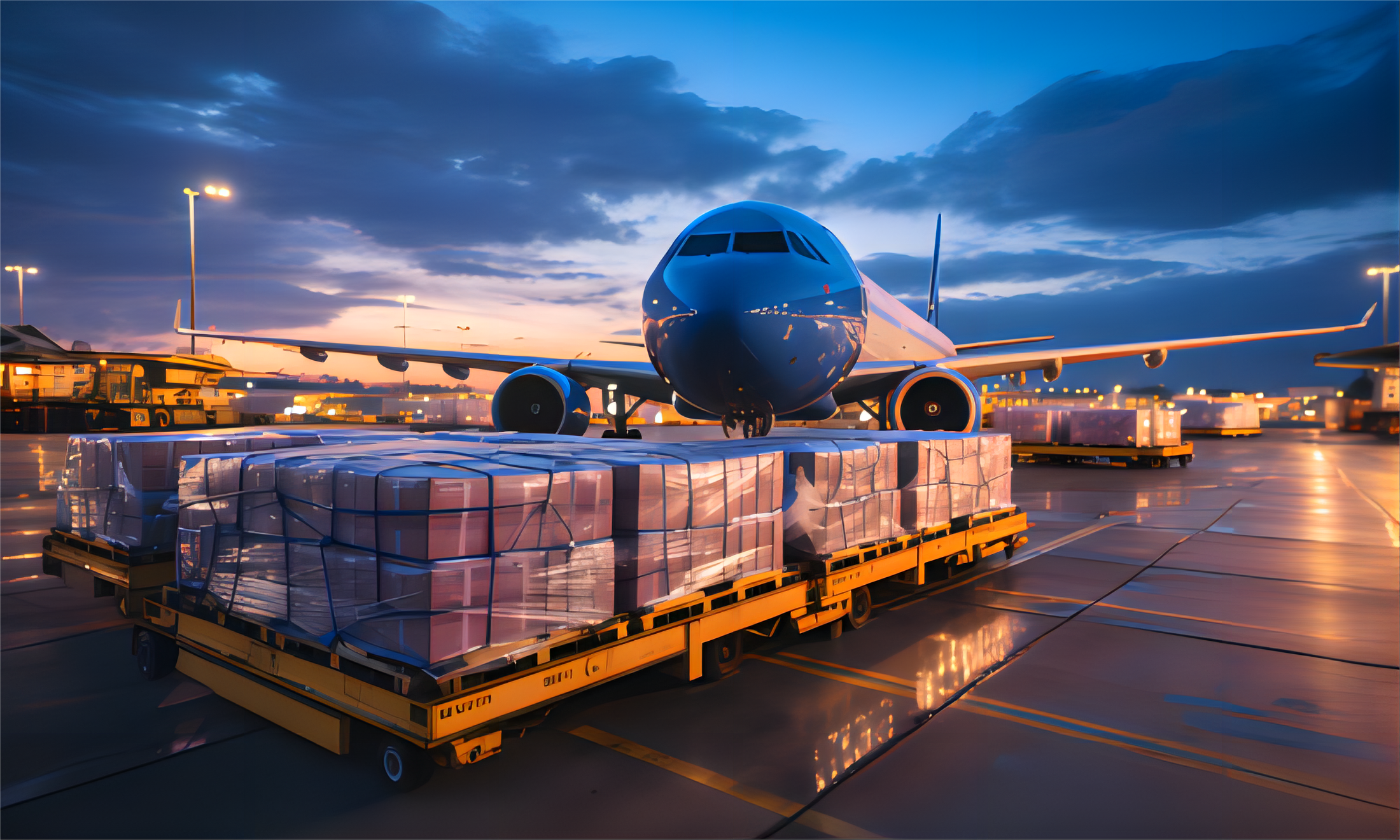
40GP FCL Freight Rate for Auto Parts from China to Long Beach: 2025 Guide
Securing a competitive 40GP FCL freight rate for auto parts from China to Long Beach is a top priority for automotive importers seeking to optimize their supply chain. Navigating the complexities of trans-Pacific shipping requires a partner who understands the nuances of container logistics. TJ China Freight offers the expertise and carrier relationships necessary to ensure your vehicle components arrive safely and cost-effectively at the Port of Long Beach.

Understanding the 40GP FCL Freight Rate for Auto Parts from China to Long Beach
Determining the exact 40GP FCL freight rate for auto parts from China to Long Beach involves analyzing several market variables. Specifically, the 40GP container is often the preferred choice for automotive parts because it provides a standard volume that accommodates medium-weight components like brake rotors, suspension kits, and engine assemblies. Moreover, sea freight remains the most economical method for shipping these high-volume items across the Pacific Ocean.
Current market data suggests that rates for a 40GP container on this route typically range between 2500 and 3500 dollars, depending on the season and carrier availability. However, these figures can fluctuate based on fuel surcharges and port congestion levels. Consequently, importers must monitor market trends closely to lock in the best possible pricing for their shipments.
Note: Freight rates are subject to change based on fuel costs, carrier capacity, and seasonal demand. Contact us for a current quote tailored to your specific shipment.
Key Factors Influencing Shipping Costs for Automotive Components
Several factors play a critical role in shaping the final cost of your automotive logistics. For instance, the weight of the auto parts can impact the choice between a 40GP and a 40HQ container, as heavier items might reach weight limits before the volume is filled. Additionally, the seasonality of the shipping industry often leads to price spikes during the peak months of August through October.
Fuel prices, known as the Bunker Adjustment Factor, represent another significant variable in the total freight cost. Furthermore, port infrastructure fees and terminal handling charges at both the Port of Shanghai and the Port of Long Beach add to the overall expenditure. Therefore, understanding these line items is essential for accurate budgeting and financial planning.
How Does 40GP FCL Compare to Other Shipping Options?
Evaluating different shipping methods is necessary to ensure you are using the most efficient strategy for your specific cargo. While 40GP FCL is the standard, some importers may find that other options better suit their timeline or volume requirements. Specifically, for smaller batches of parts, LCL shipping might seem attractive, though it often carries higher risks of damage due to increased handling.
In contrast, air freight provides unmatched speed for urgent replacements or high-value electronics. Nevertheless, the cost of air transport is significantly higher than ocean freight, making it less viable for bulky mechanical parts. The following table provides a clear comparison of the available shipping methods for this route.
| Shipping Method | Cost Range | Transit Time | Best For |
|---|---|---|---|
| Sea FCL (40GP) | $2,500 – $3,500 | 14 – 22 Days | Bulk Auto Parts |
| Sea LCL | $50 – $150/CBM | 18 – 25 Days | Small Batches |
| Air Freight | $8 – $15 / kg | 3 – 7 Days | Urgent Samples |
| Express Service | $12 – $20 / kg | 2 – 5 Days | Small Components |

Transit Times and Delivery Schedules to the Port of Long Beach
Timing is a crucial element in automotive supply chain management, where delays can halt production lines. Typically, a direct sea voyage from major Chinese ports like Ningbo or Shanghai to Long Beach takes approximately 14 to 18 days. However, when you factor in loading, unloading, and customs processing, the total door-to-door time usually extends to 25 or 30 days.
Weather conditions and port labor availability can also influence these schedules significantly. Indeed, choosing a reliable carrier with a consistent track record of on-time arrivals is just as important as the freight rate itself. Consequently, many businesses opt for door to door services to simplify the entire process and minimize the risk of communication gaps.
Essential Customs Documentation for Auto Parts Imports
Clearing customs in the United States requires meticulous attention to detail and accurate documentation. For auto parts, you must provide a commercial invoice, a detailed packing list, and a Bill of Lading. Furthermore, certain components may require specific certifications to meet US safety and environmental standards, such as DOT or EPA compliance documents.
Errors in paperwork can lead to costly delays and additional storage fees at the terminal. Therefore, partnering with a professional customs brokerage service is highly recommended to navigate the complexities of HTS codes and duty rates. This proactive approach ensures that your 40GP FCL freight rate for auto parts from China to Long Beach remains predictable without hidden penalties.
| Document Name | Required By | Purpose | Criticality |
|---|---|---|---|
| Commercial Invoice | US Customs | Valuation of Goods | High |
| Packing List | Terminal/Customs | Verification of Contents | High |
| Bill of Lading | Carrier/Importer | Title to the Goods | High |
| ISF (10+2) | US Customs | Security Screening | Mandatory |
Real-World Case Studies: Shipping Auto Parts from China
Analyzing real-world scenarios helps importers understand the practical application of logistics strategies. Below are two examples based on actual shipments handled during the 2024-2025 period.
Case Study 1: Large Scale Brake Component Import Route: Shanghai to Long Beach Cargo: Brake Rotors and Pads, 24,000 kg Container: 40GP FCL Shipping Details: – Carrier: Major Pacific Carrier – Port of Loading: Shanghai – Port of Discharge: Long Beach – Route Type: Direct Cost Breakdown: – Ocean Freight: $3,150 – Origin Charges: $450 – Destination Charges: $600 – Customs & Duties: $1,200 – Total Landed Cost: $5,400 Timeline: – Transit: 16 Days – Total Door-to-Door: 28 Days Key Insight: Early booking during a mid-season lull saved the client approximately 15% on the base freight rate.
Case Study 2: Suspension Systems for Aftermarket Retail Route: Ningbo to Long Beach Cargo: Shock Absorbers and Struts, 18,000 kg Container: 40GP FCL Shipping Details: – Carrier: Premium Express Sea Service – Port of Loading: Ningbo – Port of Discharge: Long Beach – Route Type: Direct Cost Breakdown: – Ocean Freight: $3,450 – Origin Charges: $500 – Destination Charges: $650 – Customs & Duties: $900 – Total Landed Cost: $5,500 Timeline: – Transit: 14 Days – Total Door-to-Door: 24 Days Key Insight: Utilizing a premium service reduced transit time by 4 days, allowing the client to meet a critical retail launch deadline.

Which Option Should You Choose? Decision Framework
Selecting the right shipping strategy depends on your specific business priorities and cargo characteristics. If your primary goal is cost minimization, sea freight via a 40GP container is almost always the superior choice for auto parts. However, if you are dealing with a stock-out situation, the speed of air freight may justify the significantly higher expense.
For shipments that fall between 10 and 15 cubic meters, you should compare the cost of a full 20GP container against LCL rates. Often, the security and fixed cost of FCL make it the better option even if the container is not completely full. Additionally, for time-sensitive but non-urgent parts, consider express service for smaller parcels to bridge the gap between ocean and air transport.
Cost-Saving Strategies for Your Logistics Chain
Implementing smart logistics strategies can significantly reduce your total landed costs. For example, consolidating shipments from multiple suppliers into a single 40GP container can eliminate the need for multiple LCL fees. Moreover, optimizing your packaging to maximize the internal volume of the container ensures you are getting the most value out of your 40GP FCL freight rate for auto parts from China to Long Beach.
Negotiating long-term contracts with freight forwarders can also provide price stability in a volatile market. Furthermore, choosing off-peak shipping dates helps avoid the General Rate Increases that carriers often implement during busy months. Consequently, a proactive and well-planned approach to shipping can lead to substantial annual savings for your automotive business.
Final Thoughts on Shipping Auto Parts to Long Beach
Navigating the trans-Pacific shipping lane requires a balance of speed, cost, and reliability. By understanding the factors that influence the 40GP FCL freight rate for auto parts from China to Long Beach, importers can make informed decisions that protect their bottom line. Whether you prioritize the economy of sea freight or the speed of air transport, a strategic approach to logistics is essential for success in the competitive automotive industry.
Ultimately, staying informed about market trends and maintaining strong relationships with logistics experts will ensure your supply chain remains resilient. As the market continues to evolve in 2025, those who adapt their strategies will be best positioned to thrive in the global marketplace.
Ready to streamline your logistics?
Optimizing your automotive supply chain starts with accurate data and reliable partners. If you are looking for a competitive 40GP FCL freight rate for auto parts from China to Long Beach, our team is ready to provide a customized quote tailored to your specific needs. Contact TJ China Freight today to streamline your logistics and reduce your shipping costs for the upcoming season.
Request Quote