

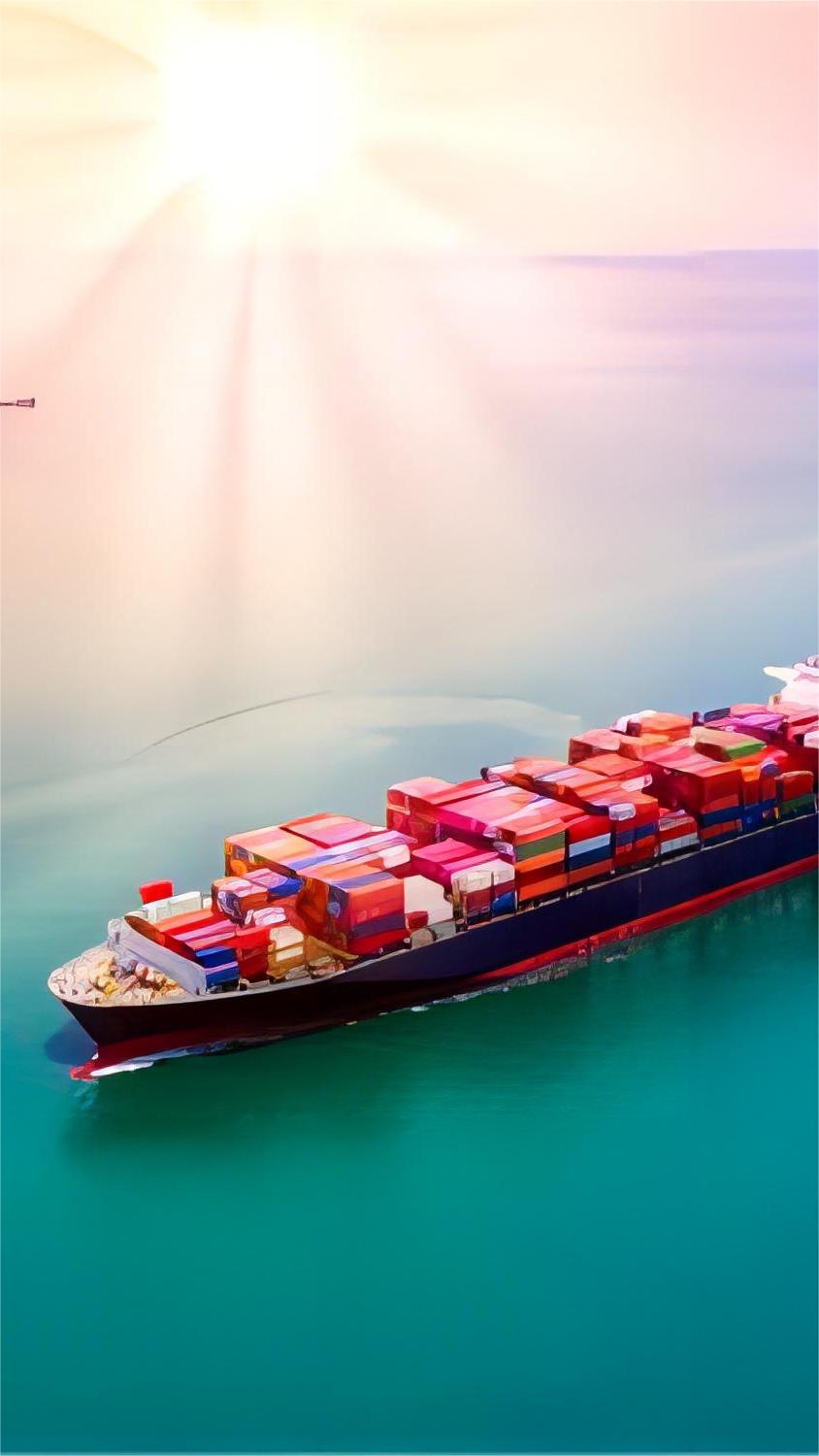
40GP FCL Container Shortage Solution: Medical Equipment China-Houston
The global supply chain frequently faces challenges, and a 40GP FCL container shortage for medical equipment from China to Houston can significantly disrupt operations. Securing reliable and efficient freight solutions is paramount for healthcare providers and distributors. At TJ China Freight, we understand these critical needs and offer tailored strategies to navigate such complexities.
✦
What is Causing the 40GP FCL Container Shortage for Medical Equipment?
Presently, several factors contribute to the persistent 40GP FCL container shortage, particularly for critical goods like medical equipment. Increased global demand, coupled with port congestion and vessel delays, has created a bottleneck in container availability.
Furthermore, imbalances in trade flows mean containers often accumulate in one region, leading to scarcity in export hubs like China. This situation directly impacts the reliable movement of sensitive medical supplies to destinations like Houston.
Why is a 40GP FCL Container Crucial for Medical Equipment?
Undoubtedly, a 40GP FCL (Full Container Load) container offers significant advantages for shipping medical equipment. It provides a dedicated, sealed space, minimizing the risk of damage or contamination during transit. This is especially vital for sterile or sensitive healthcare products.
Moreover, FCL shipments often benefit from faster transit times and streamlined customs clearance compared to LCL (Less than Container Load) options. For large volumes of medical devices or pharmaceuticals, FCL ensures cost-efficiency and supply chain integrity.
How Does Sea Freight Compare to Other Shipping Options for Medical Supplies?
Selecting the optimal shipping method for medical equipment from China to Houston involves weighing various factors. While sea freight is typically the most economical for large volumes, its longer transit times might not suit urgent shipments. On the other hand, air freight offers speed but comes at a significantly higher cost.
Therefore, understanding the trade-offs between cost, speed, and cargo security is essential. Each shipping scenario demands a careful assessment to determine the best approach for medical cargo.
| Shipping Method | Cost Range (40GP equivalent) | Transit Time (China to Houston) | Best For | Limitations |
|---|---|---|---|---|
| Sea Freight (FCL) | $4,000-6,000 | 30-38 days | Large volumes, non-urgent, cost-sensitive medical equipment | Longer transit, port congestion risks |
| Sea Freight (LCL) | $50-80/CBM (for <15 CBM) | 35-45 days | Smaller volumes, non-urgent, flexible delivery | Potential delays, increased handling, higher per CBM cost |
| Air Freight | $15,000-25,000 (for similar volume) | 5-7 days | Urgent, high-value, temperature-sensitive medical devices | High cost, weight/volume restrictions |
| Sea-Air Hybrid | $8,000-15,000 | 15-20 days | Semi-urgent, medium-volume medical supplies | More complex logistics, multiple transfers |

What are Effective 40GP FCL Container Shortage Solutions for Medical Equipment?
In light of container shortages, implementing robust strategies is vital for maintaining your supply chain. Firstly, consider booking well in advance, especially during peak seasons or before major holidays. This proactive approach increases your chances of securing space.
Secondly, explore flexible routing options and alternative ports of loading in China. Sometimes, shifting to a less congested port can alleviate delays. Additionally, partnering with a freight forwarder with strong carrier relationships can provide access to otherwise unavailable capacity.
Alternative Shipping Approaches for Medical Supplies
When a dedicated 40GP FCL container is unavailable, several alternatives can keep your medical equipment moving. For instance, LCL (Less than Container Load) shipping allows you to share container space with other shippers. This can be a viable option for smaller, non-urgent batches of medical supplies.
Furthermore, if speed is paramount, a sea-air hybrid solution might be appropriate. This involves shipping by sea to a major transshipment hub, then transferring to air freight for the final leg. Although more costly than pure sea freight, it’s significantly faster.
Another strategy involves utilizing specialized project cargo services for oversized or unique medical equipment. This ensures custom handling and routing, bypassing standard container limitations. Without a doubt, adapting your strategy is key.
Cost-Saving Strategies and Trade-offs
Optimizing costs while navigating shortages requires strategic decisions. For example, consolidating multiple smaller orders into a single, larger LCL shipment can reduce per-unit shipping expenses. However, this might introduce additional handling time.
Moreover, being flexible with transit times can often lead to lower freight rates. Opting for slower, indirect routes when urgency is not critical can yield significant savings. Always balance cost-cutting with the imperative of timely medical supply delivery.
Negotiating long-term contracts with carriers or freight forwarders can also provide rate stability and guaranteed capacity. This mitigates the impact of volatile spot market prices, which are common during container shortages.
Which Option Should You Choose for Your Medical Equipment Shipment?
Deciding on the best shipping solution for your medical equipment depends heavily on your specific priorities. Therefore, a clear decision framework is indispensable. Consider your budget, urgency, cargo type, and volume thresholds.
If budget is your primary concern and you have large, non-urgent volumes, standard FCL sea freight remains the most economical choice. Conversely, for time-sensitive, high-value medical devices, air freight is often unavoidable, despite its higher cost.
Decision Framework for Medical Equipment Shipping
For budget prioritization, consider LCL sea freight for smaller volumes or FCL for larger, non-urgent shipments. This approach helps manage costs effectively.
If speed is the priority, especially for critical medical supplies, air freight or a sea-air hybrid solution is recommended. These methods ensure rapid delivery to Houston.
Cargo type also dictates the best option. Temperature-controlled medical products might require specialized reefer containers or expedited air cargo services. Furthermore, fragile items benefit from dedicated FCL space and minimal handling.
Navigating Customs and Compliance for Medical Equipment Imports to Houston
Importing medical equipment into the USA, specifically to Houston, involves strict customs regulations and compliance requirements. Proper documentation is essential to avoid delays and penalties. Consequently, engaging experienced customs brokerage services is highly advisable.
Moreover, medical devices are often subject to FDA regulations. Ensuring all necessary permits, registrations, and labeling comply with U.S. standards before shipment is critical. A knowledgeable broker can pre-clear shipments, reducing port hold-ups.

| Required Document | Purpose | Notes for Medical Equipment |
|---|---|---|
| Commercial Invoice | Details of goods, value, seller, buyer | Must accurately reflect medical product value for duties |
| Packing List | Contents of each package, weight, dimensions | Crucial for cargo handling and customs inspection |
| Bill of Lading (BOL) | Contract between shipper and carrier | Proof of ownership and receipt of goods |
| FDA Declaration | Compliance with FDA regulations | Mandatory for all medical devices and pharmaceuticals |
| Certificate of Origin | Country where goods were manufactured | May impact duty rates and trade agreements |
Case Studies: Successful Medical Equipment Shipments from China to Houston
These real-world examples illustrate how effective logistics planning can overcome challenges. They highlight various strategies for shipping medical equipment.
Based on Q3 2024 market rates, these cases provide insight into typical scenarios.
Case Study 1: Expedited Diagnostic Kits
This case demonstrates a swift response to urgent demand.
| Detail | Description |
|---|---|
| Route | Shanghai, China Houston, USA |
| Cargo | Diagnostic Test Kits, 15 CBM, 2,500 kg |
| Container | LCL (due to FCL shortage and urgency) |
| Shipping Details | Major carrier, Port of Loading: Shanghai, Port of Discharge: Houston, Route Type: Direct |
| Cost Breakdown | Ocean Freight: $2,800, Origin Charges: $450, Destination Charges: $600, Customs & Duties (estimated): $550, Total Landed Cost: $4,400 |
| Timeline | Booking to Loading: 3 days, Sea Transit: 32 days, Customs Clearance: 2 days, Total Door-to-Door: 37 days |
| Key Insight | Opting for LCL allowed earlier departure despite FCL shortage, slightly extending transit but meeting a critical delivery window. Rates were stable as of early 2025. |
Case Study 2: High-Volume PPE Shipment
This example showcases navigating a tight market for a large order.
| Detail | Description |
|---|---|
| Route | Ningbo, China Houston, USA |
| Cargo | Personal Protective Equipment (PPE), 60 CBM, 8,000 kg |
| Container | 40HQ FCL (secured via advance booking) |
| Shipping Details | Major carrier, Port of Loading: Ningbo, Port of Discharge: Houston, Route Type: Direct |
| Cost Breakdown | Ocean Freight: $5,200, Origin Charges: $700, Destination Charges: $850, Customs & Duties (estimated): $1,200, Total Landed Cost: $7,950 |
| Timeline | Booking to Loading: 7 days, Sea Transit: 34 days, Customs Clearance: 3 days, Total Door-to-Door: 44 days |
| Key Insight | Early booking (4 weeks in advance) was crucial to secure a 40HQ during a period of high demand, avoiding significant premium surcharges. Typical rates as of early 2025. |
Case Study 3: Temperature-Sensitive Pharmaceuticals
This scenario highlights the importance of specialized handling.
| Detail | Description |
|---|---|
| Route | Shenzhen, China Houston, USA |
| Cargo | Vaccine Components, 28 CBM, 4,000 kg |
| Container | 20GP Reefer Container |
| Shipping Details | Specialized Reefer Carrier, Port of Loading: Shenzhen, Port of Discharge: Houston, Route Type: Direct |
| Cost Breakdown | Ocean Freight: $7,500, Origin Charges: $900, Destination Charges: $1,100, Customs & Duties (estimated): $1,500, Total Landed Cost: $11,000 |
| Timeline | Booking to Loading: 5 days, Sea Transit: 30 days, Customs Clearance: 2 days, Total Door-to-Door: 37 days |
| Key Insight | Securing a specialized reefer container required working with specific carriers. The higher cost reflects the complexity and critical temperature control needed for pharmaceuticals. Based on Q4 2024 market rates. |
Ensuring End-to-End Delivery: Door-to-Door Solutions for Medical Equipment
For medical equipment, a seamless end-to-end logistics solution is often preferred. Door-to-door services streamline the entire shipping process, from supplier pickup in China to final delivery in Houston. This minimizes coordination efforts and reduces potential points of failure.
Moreover, a comprehensive service includes not only ocean or air freight but also origin drayage, customs clearance, and destination trucking. This integrated approach ensures your medical equipment reaches its final destination efficiently and securely, despite any 40GP FCL container shortage.
Partnering for Success: Your Freight Forwarder for China to Houston Routes
Choosing the right freight forwarder is paramount for successfully navigating the complexities of international shipping. A reliable partner offers expertise in global logistics, particularly for challenging routes like China to North America.
Furthermore, a professional freight forwarder provides real-time tracking, proactive communication, and contingency planning. This ensures transparency and peace of mind when shipping vital medical equipment. They can also offer additional services such as warehousing and distribution, enhancing your overall supply chain resilience.
Conclusion: Overcoming the 40GP FCL Container Shortage for Medical Equipment
Successfully shipping medical equipment from China to Houston, even amidst a 40GP FCL container shortage, requires strategic planning and expert partnership. By understanding market dynamics, exploring alternative shipping methods, and ensuring customs compliance, businesses can maintain robust supply chains.
Ultimately, proactive measures and collaboration with experienced freight forwarders are crucial to mitigate risks and ensure the timely, secure delivery of essential medical supplies. Overcoming the 40GP FCL container shortage for medical equipment is achievable with the right approach.
Are you facing a 40GP FCL container shortage for your medical equipment shipment from China to Houston? Contact us today for expert guidance and customized solutions tailored to your specific needs. Request a free quote and let us streamline your logistics process.
Request Quote