

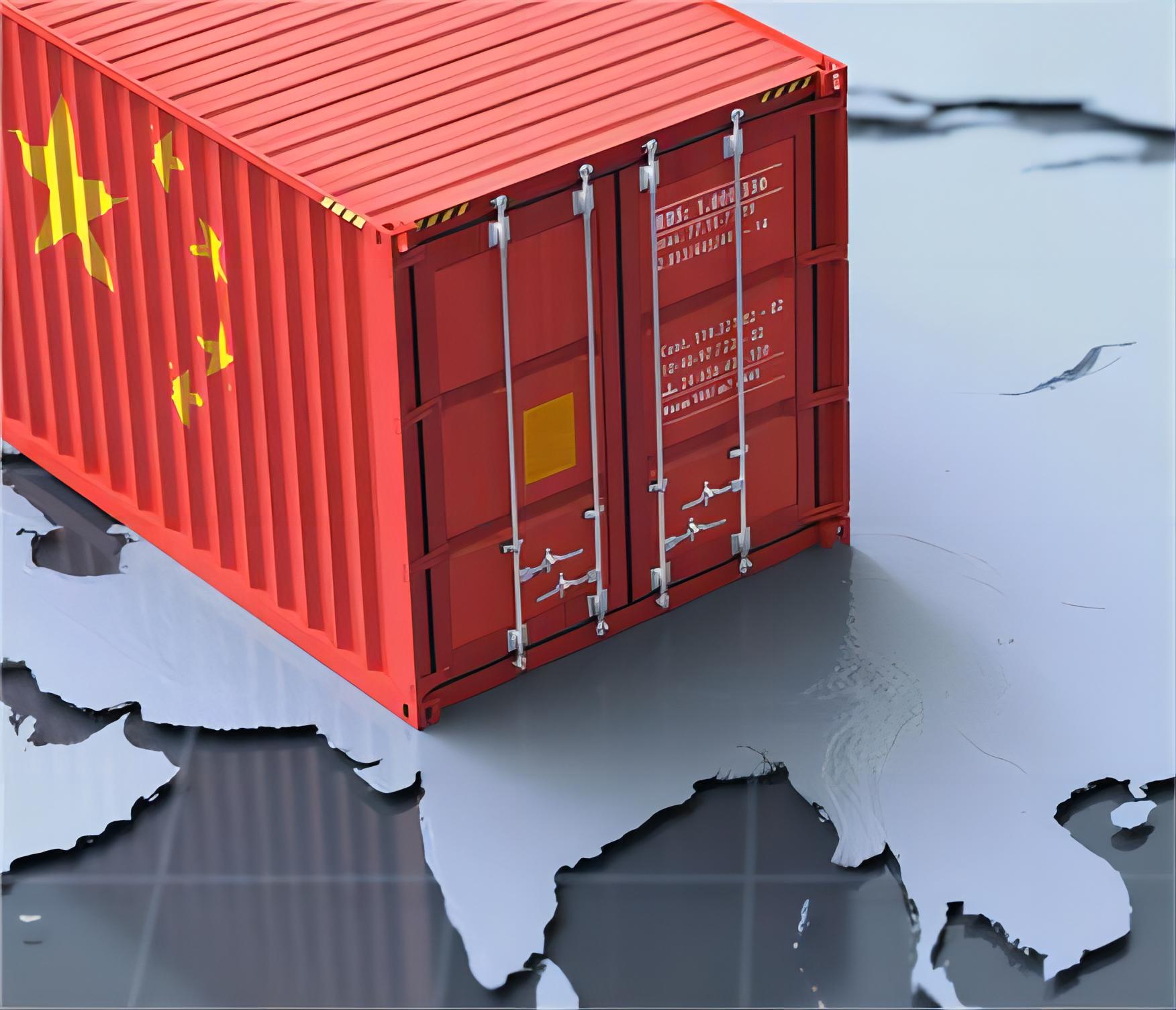
40GP FCL Booking Process for Furniture from China to France
Importing furniture from China to France via a 40GP Full Container Load (FCL) demands precise planning and execution. This comprehensive guide simplifies the entire process, helping you understand every critical step. Consequently, you can ensure a smooth, cost-effective, and timely delivery of your valuable cargo. We will therefore explore the intricacies of international freight, offering insights into documentation, costs, and logistics trends. For expert assistance, trust TJ China Freight to manage your supply chain efficiently.

What is 40GP FCL and Why Choose It for Furniture Imports?
A 40GP (General Purpose) FCL (Full Container Load) refers to a standard 40-foot shipping container exclusively used by one shipper. This means your furniture occupies the entire container, ensuring dedicated space and enhanced security. Indeed, this method is highly favored for substantial volumes of furniture due to its efficiency and protective nature.
Choosing 40GP FCL for your furniture imports from China to France offers significant advantages. Firstly, it provides enhanced cargo safety, as your goods are not consolidated with other shipments, reducing handling risks. Moreover, it is often more cost-effective per cubic meter for larger consignments compared to LCL (Less than Container Load) options. Consequently, businesses can achieve better control over their shipping schedule and reduce potential transit time delays. This makes it an ideal choice for businesses looking to optimize their sea freight operations.
Furthermore, utilizing a 40GP FCL minimizes transshipment points and handling, which is crucial for delicate furniture items. This direct approach reduces the likelihood of damage and streamlines the overall logistics process. Therefore, for bulk furniture imports, FCL stands out as a superior solution for cargo handling and integrity.
Navigating the 40GP FCL Booking Process for Furniture
The 40GP FCL booking process involves several crucial steps to ensure a smooth journey for your furniture from China to France. Initially, you will need to obtain a detailed quote, considering factors like origin, destination, cargo volume, and specific service requirements. Subsequently, confirming your booking with a reliable freight forwarder is paramount. This secures your container space and initiates the logistics chain.
Following booking confirmation, the next stages involve meticulous cargo preparation and loading at the origin port in China. Furthermore, it includes ocean transit, customs clearance in France, and final delivery. Each stage demands meticulous attention to detail and coordination. Therefore, partnering with an experienced logistics provider is essential to streamline this complex international freight process.
It is important to remember that accurate planning significantly impacts your delivery schedule and overall shipping costs. Therefore, early engagement with your freight forwarder is always recommended. This allows for ample time to arrange all necessary aspects of your furniture import. Consequently, this proactive approach minimizes potential disruptions and ensures timely furniture delivery.
Essential Documentation for China-France Furniture Imports
Proper documentation is the backbone of any successful international furniture shipment, particularly for the 40GP FCL booking process. Errors or omissions in paperwork can lead to significant delays and penalties during customs clearance in France. Therefore, understanding and preparing all required documents meticulously is absolutely crucial for efficient import/export operations.
Working with a competent customs brokerage service can significantly ease this burden. They can guide you through the complexities of French import regulations, ensuring compliance and preventing costly mistakes. Moreover, they assist with tariff classifications and duty calculations, which are vital for accurate financial planning. This partnership helps streamline the entire process, from origin to final destination.
Ensuring all documentation aligns with both Chinese export and French import requirements is critical. This includes accurate descriptions of furniture, correct HS codes, and proper valuation. Consequently, meticulous attention to these details will prevent unforeseen issues and contribute to a smooth customs process.
| Document Type | Purpose | Issued By |
|---|---|---|
| Commercial Invoice | Details of goods, value, terms of sale | Seller/Exporter |
| Packing List | Contents of each package, dimensions, weight | Seller/Exporter |
| Bill of Lading (BOL) | Contract of carriage, title to goods | Carrier/Freight Forwarder |
| Certificate of Origin | Proof of country where goods were manufactured | Chamber of Commerce/Authorized Body |
| Import License | Permit to import specific goods (if applicable) | French Government/Importer |
| Customs Declaration | Formal declaration of goods for customs duties | Importer/Broker |

Understanding Freight Rates and Transit Times to France
Freight rates for a 40GP FCL from China to France are dynamic, influenced by various factors including fuel surcharges, peak seasons, and global logistics trends. Generally, rates can fluctuate significantly throughout the year, with increases often seen during holidays or high demand periods. Therefore, obtaining quotes well in advance is a smart strategy to manage your shipping costs effectively.
Typical transit times for sea freight from major Chinese ports (e.g., Shanghai, Ningbo, Shenzhen) to France (e.g., Le Havre, Fos-sur-Mer) usually range from 28 to 38 days. This duration primarily accounts for ocean travel, excluding origin and destination handling. However, port congestion, customs delays, or adverse weather conditions can extend these timelines. Consequently, it is essential to build buffer time into your delivery schedule.
As of Q1 2025, freight rates from China to Europe have seen some stabilization after the 2024 Red Sea disruptions. Nevertheless, market data suggests that rates typically increase by 15-25% during the August-October peak season. Therefore, planning your shipments outside these windows can lead to considerable cost savings. Always remember to request a current quote for precise pricing for your shipping to Europe needs.
| Route (40GP FCL) | Ocean Freight (Est.) | Total Transit Time (Days) | Key Considerations |
|---|---|---|---|
| Shanghai to Le Havre, France | USD 3,000-4,200 | 30-35 | Direct routes available, peak season surcharges |
| Ningbo to Fos-sur-Mer, France | USD 3,000-4,200 | 32-38 | Potential for transshipment, larger port capacity |
| Shenzhen to Le Havre, France | USD 3,000-4,200 | 28-33 | Often faster routes, extensive carrier options |
How Does 40GP FCL Compare to Other Shipping Options?
While 40GP FCL is ideal for large volumes of furniture, other shipping methods might suit different needs. Understanding these alternatives helps in making informed decisions about your supply chain. For example, Less than Container Load (LCL) freight is suitable for smaller shipments that do not fill an entire container. However, it typically involves more handling and longer transit times due to consolidation.
Alternatively, rail freight offers a faster option than sea freight for certain routes, balancing speed with cost. Although not as direct to France as sea routes, rail can be an effective hybrid solution, particularly for inland European destinations. Conversely, air freight is the fastest but most expensive option, generally reserved for high-value, time-sensitive, or very small furniture items. Therefore, careful consideration of your priorities is crucial.
For instance, a 40GP FCL shipment might cost USD 3,000-4,200 for ocean freight, arriving in 30-38 days. In contrast, air freight for a similar volume could cost USD 15,000-25,000 but arrive in 5-7 days. Similarly, for shipments under 15 CBM, LCL at USD 50-80 per CBM may be more economical than a full container. However, the trade-off is often increased transit time and a higher risk of damage due to multiple handling points.
| Shipping Method | Cost Range (40GP equivalent) | Transit Time (China-France) | Best For | Limitations |
|---|---|---|---|---|
| 40GP FCL Sea Freight | USD 3,000-4,200 | 28-38 days | Large volume, cost-effective, secure | Slowest, port congestion risk |
| LCL Sea Freight | USD 50-80 per CBM | 35-45 days | Small-medium volume, flexible | More handling, longer transit, higher per CBM cost |
| Rail Freight (Combined) | USD 8,000-12,000 | 18-25 days | Medium urgency, balanced cost/speed | Limited direct routes, transshipment required |
| Air Freight | USD 15,000-25,000 | 5-7 days | Urgent, high-value, small volume | Most expensive, size/weight restrictions |

Which Shipping Option Should You Choose for Your Furniture?
Deciding on the best shipping method for your furniture imports depends on a clear understanding of your priorities. If budget is your primary concern, 40GP FCL sea freight is almost always the most economical choice for substantial volumes. This method allows you to maximize space utilization at a lower per-unit cost. Conversely, if speed is paramount, particularly for time-sensitive product launches or urgent stock replenishment, air freight is the only viable option despite its higher cost. However, always consider the value and fragility of your furniture when making this decision.
Furthermore, the type and volume of your cargo play a significant role in method selection. For instance, bulky, non-urgent furniture like sofas or dining sets are best suited for FCL sea freight. However, smaller, high-end, or fragile items might benefit from specialized LCL services or even air freight if the value justifies the expense. This strategic approach ensures proper logistics for your specific needs.
Consider hybrid solutions for a balanced approach. For example, shipping the bulk of your order via FCL sea freight while sending a smaller, urgent portion via air freight can optimize both cost and speed. Similarly, for inland destinations in France, a combination of sea freight to a European port followed by rail or truck delivery can offer a good balance. This integrated approach helps in effectively managing your furniture supply chain and achieving desired delivery schedules.
Real-World Scenarios: 40GP FCL Furniture Shipments
Exploring real-world case studies provides valuable insights into the practical application of the 40GP FCL booking process for furniture. These examples highlight typical routes, costs, and timelines, offering a clearer picture of what to expect. They demonstrate how strategic planning and reliable partnerships can ensure successful delivery, even with complex logistics. Consequently, these scenarios help illustrate the nuances of international furniture shipping.
These examples show the variability in costs and timelines, emphasizing the need for tailored solutions. Each shipment presents unique challenges and opportunities for optimization. Therefore, understanding these real-world applications helps in better preparing for your own furniture import journey.
Case Study 1: Living Room Sets to Paris
This case involved a medium-sized furniture retailer importing diverse living room sets for a new store opening. The priority was cost-effectiveness and secure delivery, making 40GP FCL the ideal choice. The shipment required meticulous planning due to the fragile nature of some items, ensuring careful door-to-door delivery.
| Detail | Description |
|---|---|
| Route | Shanghai, China to Le Havre, France |
| Cargo | Living Room Furniture (sofas, coffee tables), 55 CBM, 8,000 kg |
| Container | 1 x 40GP |
| Shipping Details | Carrier: COSCO, Port of Loading: Shanghai, Port of Discharge: Le Havre, Route Type: Direct |
| Cost Breakdown | Ocean Freight: USD 3,500, Origin Charges: USD 450, Destination Charges: USD 600, Customs & Duties (est): USD 1,800, Total Landed Cost: USD 6,350 |
| Timeline | Booking to Loading: 7 days, Sea Transit: 32 days, Customs Clearance: 3 days, Total Door-to-Door: 42 days |
| Key Insight | Early booking secured better rates. Effective packaging prevented damage. Based on Q3 2024 market rates. |
Case Study 2: Bedroom Furniture for E-commerce Distribution
An e-commerce business needed to replenish stock of bedroom furniture for its European distribution center near Lyon. Speed was important, but cost remained a key factor. A door-to-door solution was crucial for seamless supply chain integration, balancing both priorities effectively.
| Detail | Description |
|---|---|
| Route | Ningbo, China to Fos-sur-Mer, France (then rail to Lyon) |
| Cargo | Flat-pack Bedroom Furniture (beds, wardrobes), 60 CBM, 9,500 kg |
| Container | 1 x 40GP |
| Shipping Details | Carrier: MSC, Port of Loading: Ningbo, Port of Discharge: Fos-sur-Mer, Route Type: Transshipment via Singapore |
| Cost Breakdown | Ocean Freight: USD 3,800, Origin Charges: USD 500, Destination Charges: USD 700, Inland Transport (Fos-Lyon): USD 900, Customs & Duties (est): USD 2,100, Total Landed Cost: USD 8,000 |
| Timeline | Booking to Loading: 10 days, Sea Transit: 38 days, Customs Clearance: 4 days, Total Door-to-Door: 55 days |
| Key Insight | Transshipment route was slightly cheaper but added transit time. Integrated rail for inland delivery was efficient. Typical rates as of early 2025. |
Case Study 3: Custom Office Furniture for a Project
A design firm imported custom-made office furniture for a corporate client in Bordeaux. Due to the unique nature of the cargo and tight project deadlines, reliable transit and careful handling were prioritized. This required a freight forwarder with strong cargo handling expertise and precise scheduling.
| Detail | Description |
|---|---|
| Route | Qingdao, China to Le Havre, France |
| Cargo | Custom Office Desks and Chairs, 50 CBM, 7,000 kg |
| Container | 1 x 40GP |
| Shipping Details | Carrier: CMA CGM, Port of Loading: Qingdao, Port of Discharge: Le Havre, Route Type: Direct |
| Cost Breakdown | Ocean Freight: USD 3,200, Origin Charges: USD 400, Destination Charges: USD 550, Customs & Duties (est): USD 1,700, Cargo Insurance: USD 150, Total Landed Cost: USD 6,000 |
| Timeline | Booking to Loading: 8 days, Sea Transit: 30 days, Customs Clearance: 2 days, Total Door-to-Door: 40 days |
| Key Insight | Direct route minimized transit time. Specialized packaging and insurance were crucial for custom items. Based on Q1 2025 market rates. |

Optimizing Your Furniture Imports from China to France
To truly optimize your 40GP FCL furniture imports, consider several strategic approaches. Firstly, consolidate orders from multiple suppliers into a single container whenever possible to maximize space utilization and reduce per-unit shipping costs. This strategy significantly improves efficiency in your logistics chain. Secondly, invest in robust packaging solutions to protect fragile furniture during its long journey. Consequently, this minimizes potential damage claims and ensures customer satisfaction.
Furthermore, maintain open and consistent communication with your freight forwarder and suppliers. Proactive communication helps in anticipating and mitigating potential issues, such as port congestion or unexpected customs inspections. Always stay informed about current market conditions and logistics trends, as this knowledge empowers you to make timely and cost-effective decisions. This diligent approach is vital for successful furniture supply chain management.
Regularly review your logistics strategy and adapt to changing market dynamics. For example, explore opportunities for off-peak season shipping to leverage lower freight rates. Moreover, consider the benefits of cargo insurance for added financial protection against unforeseen events. Ultimately, a proactive and informed approach will lead to more efficient and profitable furniture imports.
Conclusion: Mastering Your Furniture Imports
The 40GP FCL booking process for furniture from China to France, while complex, is entirely manageable with the right approach and partner. By understanding the intricacies of documentation, freight rates, transit times, and alternative shipping methods, businesses can make informed decisions. This leads to optimized shipping costs and reliable delivery schedules. Consequently, a well-executed logistics strategy is paramount for success in the competitive furniture market.
Ultimately, successful international furniture shipping hinges on meticulous planning, robust documentation, and a strong partnership with an experienced freight forwarder. Always consider your budget, urgency, and cargo type when selecting your shipping method. Therefore, leveraging expert advice and staying informed about market conditions will undoubtedly enhance your import operations. This comprehensive guide aims to empower you with the knowledge needed to confidently manage your next 40GP FCL shipment.
Note: Freight rates are subject to change based on fuel costs, carrier capacity, and seasonal demand. Contact us for a current quote tailored to your specific shipment.
Get Your Shipping Quote Today
Ready to streamline your 40GP FCL booking process for furniture from China to France? Contact us today for a personalized quote and expert guidance. Our team is dedicated to providing efficient and reliable international freight solutions tailored to your specific needs. Let us help you navigate the complexities of global shipping with ease.
Request Quote