

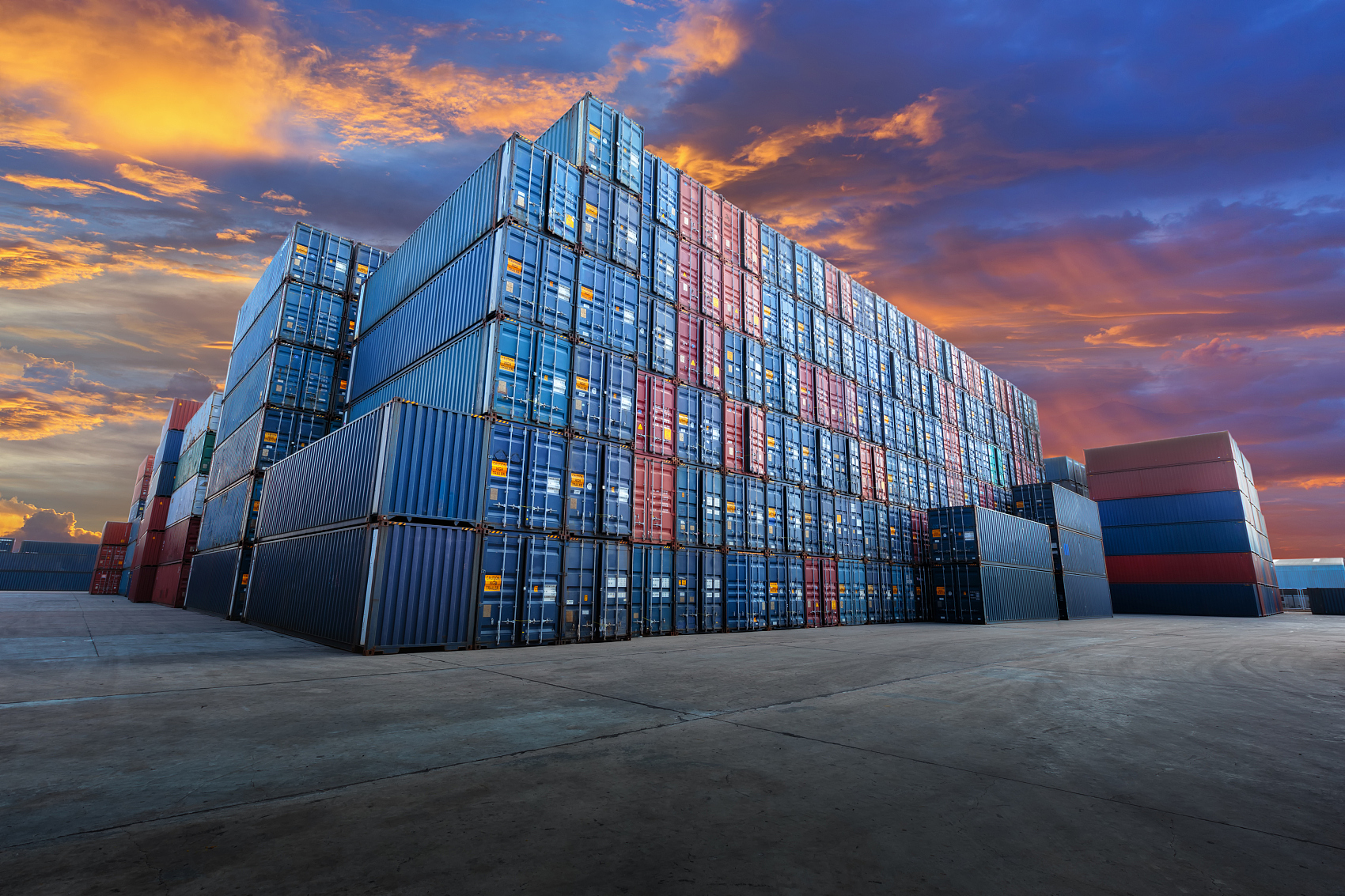
20GP FCL space availability for toys from China to California
Securing 20GP FCL space availability for toys from China to California remains a top priority for importers looking to optimize their supply chain. Many businesses struggle with fluctuating capacity and seasonal demand shifts that impact delivery schedules. By partnering with TJ China Freight, you can navigate these challenges and ensure your cargo reaches the US West Coast efficiently.

Understanding 20GP FCL space availability for toys from China to California
Reliable 20GP FCL space availability for toys from China to California is essential for maintaining a steady inventory flow. Toys are typically high-volume but relatively low-weight products, making the 20GP container an ideal choice for smaller batches or specialized collections. Consequently, shippers must monitor carrier capacity closely to avoid delays during peak production cycles.
Moreover, the demand for space often spikes during the third quarter as retailers prepare for the holiday season. Therefore, early booking becomes a critical strategy for securing space on major trans-Pacific routes. Choosing a full container load ensures that your goods are not mixed with other cargo, reducing the risk of damage or loss during transit.

How Does 20GP FCL Compare to Other Shipping Options?
Evaluating different logistics strategies is necessary to find the most cost-effective balance between speed and budget. While sea freight is the standard for toy imports, alternatives like air freight or LCL might be suitable under specific conditions. In addition, hybrid solutions can sometimes offer a middle ground for urgent shipments.
Furthermore, 20GP containers offer a distinct advantage for toy importers who do not have enough volume for a 40HQ but want the security of FCL. On the other hand, LCL shipments might be cheaper for very small volumes but involve more handling and longer customs processing times. Indeed, the choice depends heavily on your specific volume and urgency.
| Shipping Method | Cost Range | Transit Time | Best For |
|---|---|---|---|
| 20GP FCL | $1,500 – $2,200 | 14 – 18 Days | Full loads, high security |
| 40HQ FCL | $2,800 – $3,800 | 14 – 18 Days | Bulk toys, best value |
| LCL Shipping | $50 – $90 per CBM | 20 – 25 Days | Small toy batches |
| Air Freight | $5 – $9 per KG | 3 – 7 Days | Urgent samples |
Factors Influencing 20GP FCL space availability for toys from China to California
Market intelligence suggests that several external factors dictate the current capacity on the China to California route. For instance, port congestion in Long Beach or Los Angeles can lead to equipment shortages back in Chinese ports like Ningbo or Shanghai. Additionally, fuel surcharges and carrier alliances frequently adjust their weekly allocations based on global demand.
Meanwhile, seasonal trends play a massive role in how easily you can book a container. During the pre-Lunar New Year rush, space becomes extremely limited, and rates typically climb by 20 percent or more. To summarize, staying informed about these trends allows importers to adjust their procurement cycles and avoid the most expensive periods.

Optimizing Your Route to North America
Shipping to North America requires a deep understanding of both origin and destination logistics. Most toy manufacturers are located in the Pearl River Delta or Yangtze River Delta regions, making Shenzhen and Ningbo the primary departure points. Consequently, selecting the right port of loading can significantly impact your total transit time.
California serves as the primary gateway for Asian imports, with the Port of Long Beach handling a vast majority of toy cargo. However, smaller ports like Oakland can provide a faster alternative if southern terminals are experiencing labor disputes or heavy backlogs. Therefore, diversifying your entry points can be a wise move for large-scale operations.
Managing Customs and Compliance for Toy Shipments
Importing toys into the United States involves strict adherence to safety standards and documentation requirements. Utilizing a professional customs brokerage service ensures that your Childrens Product Certificate (CPC) and test reports are in order before the vessel arrives. Without a doubt, compliance errors are the leading cause of unexpected storage fees and delivery delays.
In addition, the US Customs and Border Protection (CBP) pays close attention to intellectual property rights for branded toys. Consequently, having all licensing agreements ready for inspection is mandatory to prevent cargo seizures. As a result, proactive document management is just as important as securing the physical container space.
Which Option Should You Choose? Decision Framework
Choosing between different shipping methods requires a clear analysis of your business priorities. If your primary goal is cost-minimization for a standard inventory restock, the 20GP FCL is usually the most balanced choice. Conversely, if you are launching a new product line with high market demand, speed might take precedence over freight costs.
For shipments under 15 CBM, LCL at current market rates might be more economical than a full container. However, once you exceed that threshold, the per-unit cost of a 20GP becomes much more attractive. To summarize, businesses should calculate their landed cost per unit before committing to a specific container size.
Case Study 1: Plush Toy Shipment from Ningbo to Long Beach
Case Study 1: Holiday Season Success
Route: Ningbo, China to Long Beach, California
Cargo: Plush toys, 26 CBM, 4,500 kg
Container: 20GP FCL
Shipping Details:
– Carrier: Major trans-Pacific carrier
– Port of Loading: Ningbo
– Port of Discharge: Long Beach
– Route Type: Direct
Cost Breakdown:
– Ocean Freight: $1,950
– Origin Charges: $320
– Destination Charges: $450
– Total Landed Cost: $2,720
Timeline:
– Booking to Loading: 5 days
– Sea Transit: 16 days
– Customs Clearance: 2 days
– Total Door-to-Door: 23 days
Key Insight: Early booking 4 weeks in advance secured a fixed rate before the September price hike.
Case Study 2: Educational Electronic Toys from Shenzhen to Oakland
Case Study 2: Avoiding Southern Congestion
Route: Shenzhen, China to Oakland, California
Cargo: Electronic learning sets, 22 CBM, 6,200 kg
Container: 20GP FCL
Shipping Details:
– Carrier: Premium express service
– Port of Loading: Yantian (Shenzhen)
– Port of Discharge: Oakland
– Route Type: Direct
Cost Breakdown:
– Ocean Freight: $2,100
– Origin Charges: $350
– Destination Charges: $400
– Total Landed Cost: $2,850
Timeline:
– Booking to Loading: 3 days
– Sea Transit: 15 days
– Customs Clearance: 1 day
– Total Door-to-Door: 19 days
Key Insight: Using Oakland instead of Los Angeles saved 4 days of terminal waiting time during a peak congestion period.
Maximizing Efficiency with Door to Door Solutions
Many modern importers prefer a door to door service to simplify their logistics chain. This approach integrates trucking, ocean freight, and final delivery into a single contract, reducing the administrative burden on your team. Furthermore, it provides better visibility through unified tracking systems.
Additionally, for those selling on major platforms, Amazon FBA integration is a vital component of the strategy. Consequently, ensuring your 20GP is palletized according to specific warehouse requirements can prevent costly rejection at the fulfillment center. Indeed, a seamless transition from the port to the warehouse is the final piece of the logistics puzzle.
Final Thoughts on Shipping Toys to California
In conclusion, managing 20GP FCL space availability for toys from China to California requires a combination of early planning, market awareness, and reliable partnerships. By understanding the nuances of the trans-Pacific route and the specific needs of toy cargo, you can maintain a competitive edge in the retail market. Always remember to factor in seasonal variations and customs compliance to avoid unnecessary delays.
Freight rates are subject to change based on fuel costs, carrier capacity, and seasonal demand. Contact us for a current quote tailored to your specific shipment. We are committed to providing transparent pricing and dependable service for all your container shipping needs.
Ready to streamline your logistics?
Securing 20GP FCL space availability for toys from China to California does not have to be a stressful process. Our expert team is ready to help you find the best rates and most reliable schedules for your upcoming shipments. Contact us today to receive a personalized quote and ensure your toy inventory arrives on time. Visit our website to start your inquiry now.
Request Quote