

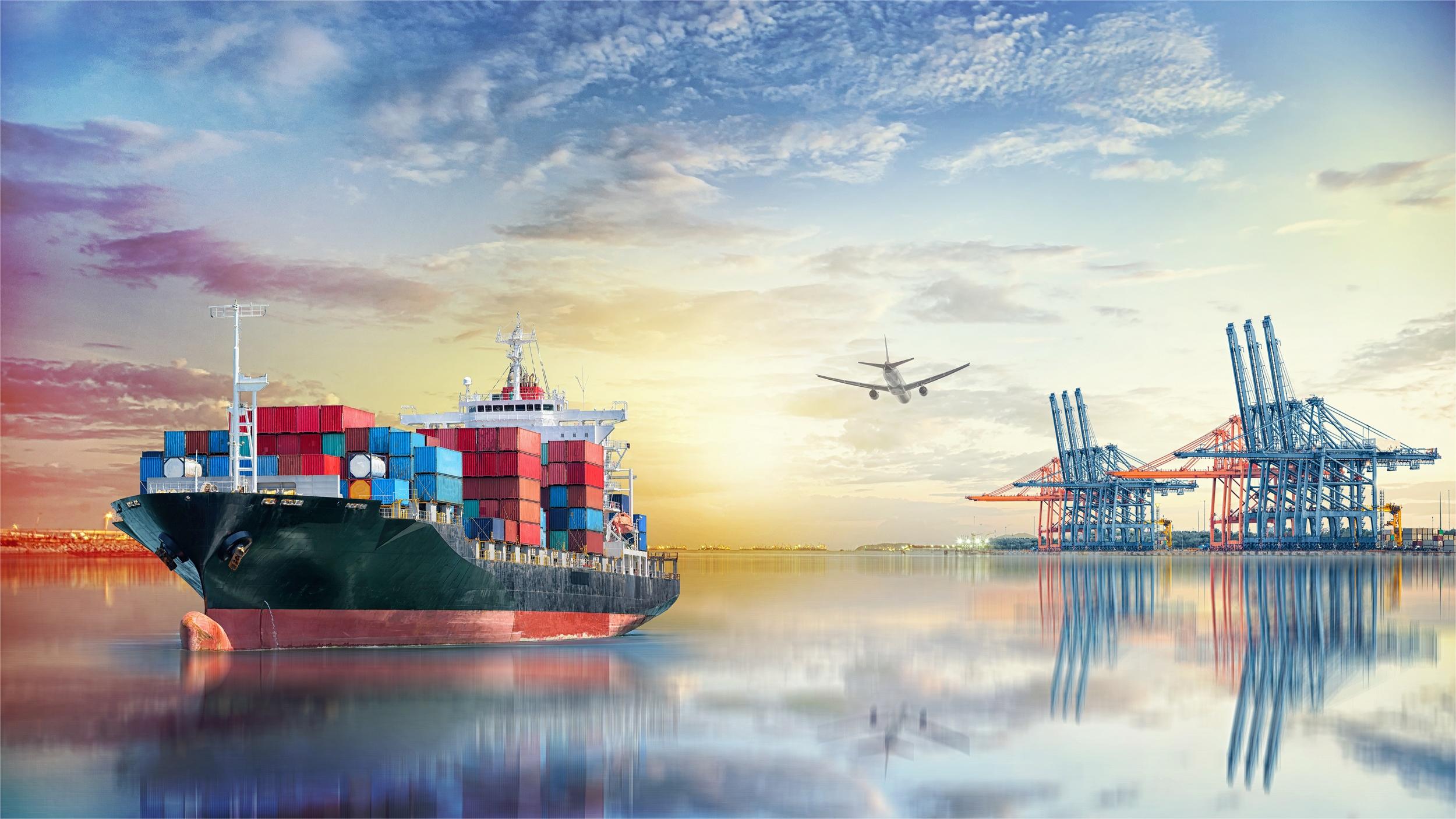
20GP FCL freight rate for electronics from China to Poland: 2025 Guide
Finding a competitive 20GP FCL freight rate for electronics from China to Poland is a top priority for businesses managing international supply chains. At TJ China Freight, we understand that electronics require careful handling and precise scheduling to meet market demands. This guide explores current pricing trends, transit options, and strategic advice to help you optimize your logistics budget while ensuring your cargo arrives safely in the Polish market.

What is the 20GP FCL freight rate for electronics from China to Poland?
Determining the current 20GP FCL freight rate for electronics from China to Poland requires looking at several market variables that fluctuate monthly. Generally, a 20-foot General Purpose container offers a secure environment for high-value electronic goods and components. As of early 2025, rates for this specific route have seen moderate stabilization following previous global disruptions.
Consequently, importers should expect to pay between 1,800 USD and 2,600 USD for ocean freight from major Chinese ports to Gdynia or Gdansk. Furthermore, these prices often exclude local charges at the origin and destination, such as terminal handling fees and documentation costs. Choosing sea freight remains the most cost-effective method for large-scale electronics distribution.
Note: Freight rates are subject to change based on fuel costs, carrier capacity, and seasonal demand. Contact us for a current quote tailored to your specific shipment.
Key Factors Influencing Your Shipping Costs
Several elements directly impact the final invoice for shipping electronics across the Eurasian continent. Fuel surcharges, often referred to as Bunker Adjustment Factors, represent a significant portion of the total ocean freight cost. Additionally, seasonal peaks during the late summer months can drive prices up by 20 percent or more as retailers prepare for the holiday season.
Moreover, the specific nature of electronic cargo often requires additional insurance and specialized container preparation. For instance, lithium batteries found in many devices necessitate strict adherence to dangerous goods regulations. Proper customs brokerage is essential to avoid costly delays and penalties at the Polish border.
How Does Sea Freight Compare to Other Shipping Options?
Evaluating different transport modes is vital for balancing speed and expenditure when moving electronics to Europe. While ocean shipping provides the lowest per-unit cost, it also involves the longest lead times. In contrast, air freight offers unmatched speed but comes at a premium price that may not suit lower-margin electronic goods.
Meanwhile, rail transport has emerged as a powerful middle-ground solution for the China-Poland corridor. It provides significantly faster transit than the sea route while remaining much cheaper than air transport. The following table illustrates how these methods compare for a standard electronics shipment.
| Shipping Method | Cost Range (USD) | Transit Time | Best For |
|---|---|---|---|
| Sea Freight (20GP) | 1,800 – 2,600 | 35 – 45 Days | Bulk inventory |
| Rail Freight (20GP) | 3,500 – 5,000 | 18 – 22 Days | Urgent stock |
| Air Freight (500kg) | 2,500 – 4,000 | 5 – 8 Days | High-value tech |
| LCL Sea (per CBM) | 80 – 150 | 40 – 50 Days | Small samples |

Port Options and Transit Schedules
Selecting the right port of loading in China can shave days off your delivery schedule and reduce inland trucking costs. Major hubs like Shenzhen, Ningbo, and Shanghai offer the highest frequency of sailings to Polish ports. Specifically, Gdansk and Gdynia serve as the primary gateways for containerized cargo entering Poland by sea.
Therefore, businesses should consider the proximity of their manufacturers to these ports when calculating the total landed cost. Direct services are generally preferred to minimize the risk of damage during transshipment. Below is a summary of typical transit times from major Chinese hubs to Poland.
| Origin Port | Destination Port | Average Transit | Service Type |
|---|---|---|---|
| Shanghai | Gdansk | 38 Days | Direct |
| Shenzhen | Gdynia | 35 Days | Direct |
| Ningbo | Gdansk | 40 Days | Transshipment |
| Qingdao | Gdynia | 42 Days | Transshipment |
Alternative Strategy: Rail Freight for Electronics
Utilizing rail freight has become a strategic advantage for many Polish electronics distributors. The New Silk Road connects major Chinese industrial cities directly to Małaszewicze, a vital rail terminal near the Polish-Belarusian border. This route effectively cuts the transit time in half compared to traditional ocean paths.
Consequently, this method is ideal for product launches or replenishing stock during unexpected demand surges. Although the 20GP FCL freight rate for rail is higher than sea, the savings in inventory carrying costs often justify the investment. Furthermore, rail transport is generally considered more environmentally friendly than air or sea options.
Real Case Studies: Shipping Electronics to Poland
Case Study 1: Sea Freight Success. Route: Shenzhen to Gdynia. Cargo: Consumer tablets and accessories. Container: 20GP FCL. Ocean Freight: 2,150 USD. Origin Charges: 320 USD. Destination Charges: 450 USD. Total Landed Cost: 2,920 USD. Sea Transit: 36 days. Key Insight: By booking four weeks in advance, the client secured a rate 15 percent below the peak season average.
Case Study 2: Rail Freight Efficiency. Route: Chengdu to Warsaw. Cargo: Industrial circuit boards. Container: 20GP FCL. Rail Freight: 4,200 USD. Customs and Duties: 850 USD. Total Door-to-Door: 5,600 USD. Total Timeline: 21 days. Key Insight: Using rail allowed the manufacturer to meet a strict production deadline for a Polish automotive plant that sea freight would have missed.

Customs and Documentation Requirements
Navigating the regulatory landscape is a critical step in importing electronics into the European Union. Polish customs officials require a comprehensive set of documents, including the Commercial Invoice, Packing List, and Bill of Lading. Additionally, electronics must often carry the CE mark to prove compliance with safety and environmental standards.
Accordingly, the EORI number is mandatory for any business acting as the importer of record in Poland. Failure to provide accurate HS codes can lead to incorrect duty assessments or lengthy inspections. We recommend using a professional door-to-door service to manage these complexities seamlessly.
Cost-Saving Strategies for Importers
Reducing your 20GP FCL freight rate for electronics from China to Poland requires a proactive approach to logistics management. One effective strategy involves consolidating shipments from multiple suppliers into a single full container load to maximize space. Moreover, flexible scheduling allows you to avoid the highest rate spikes during the pre-Chinese New Year rush.
Furthermore, negotiating long-term contracts with freight forwarders can provide price stability in a volatile market. Indeed, optimizing your packaging to fit more units into a 20GP container can significantly lower your per-unit shipping cost. Always compare quotes from multiple providers to ensure you are receiving the most competitive market rate.
Which Option Should You Choose?
Choosing the right shipping method depends on your specific business priorities and cargo requirements. If your primary goal is cost minimization for high-volume, low-urgency goods, sea freight is the clear winner. However, if you are shipping high-value components with short shelf lives, the speed of rail or air is worth the extra cost.
Specifically, for shipments over 15 CBM, a 20GP FCL is usually more economical than LCL. If your budget is the main priority, recommend sea freight via Gdansk. If speed is the priority, recommend rail freight to Warsaw. For cargo type considerations like fragile sensors, recommend air freight to minimize vibration and handling.
Summary of Shipping Electronics to Poland
In conclusion, understanding the 20GP FCL freight rate for electronics from China to Poland involves balancing various factors including cost, speed, and reliability. Whether you choose the traditional sea route or the faster rail alternative, proper planning and documentation remain the keys to success. By partnering with an experienced freight forwarder, you can navigate market fluctuations and ensure your electronics reach the Polish market efficiently and safely.
Ready to streamline your logistics?
Are you looking for the most competitive 20GP FCL freight rate for electronics from China to Poland? Contact TJ China Freight today to receive a customized quote and expert logistics advice for your next shipment. Send Inquiry to our team of specialists and streamline your international trade operations now.
Request Quote