

20GP FCL Best Route for Auto Parts from China to France: A Comprehensive Guide
Navigating the complexities of international shipping for auto parts can be daunting, especially when seeking the most efficient and cost-effective solutions. For businesses importing automotive components, finding the 20GP FCL best route for auto parts from China to France is paramount. This guide will demystify the process, offering insights into optimizing your supply chain and ensuring timely delivery. Learn more at TJ China Freight.

Why is Finding the Best Route for Auto Parts Crucial?
The global automotive industry operates on tight schedules and lean inventory principles. Therefore, any delay in the supply chain can lead to production halts, increased costs, and ultimately, dissatisfied customers. Securing an efficient auto parts logistics strategy directly impacts your bottom line and market competitiveness.

Furthermore, the consistent flow of car components from manufacturers in China to assembly lines or distribution centers in France is non-negotiable. Businesses need to ensure supply chain resilience, especially when dealing with critical parts. Choosing the optimal shipping route reduces risks and enhances operational predictability.
Understanding 20GP FCL Shipping for Auto Parts
A 20GP (20-foot General Purpose) container is a standard unit for ocean freight, approximately 20 feet long, 8 feet wide, and 8.5 feet high. It offers a maximum payload of around 28,000 kg (61,730 lbs) and a cubic capacity of about 33 CBM (1,172 cubic feet). This container size is ideal for businesses with a moderate volume of goods.

Moreover, FCL (Full Container Load) shipping means your auto parts occupy the entire container exclusively. This method minimizes handling, reduces the risk of damage, and often provides faster transit times compared to LCL (Less than Container Load). It is particularly suitable for bulk automotive components, engine parts, or larger body panels, ensuring dedicated space and enhanced security.
Key Factors Influencing Your China-France Shipping Route
Selecting the ideal shipping route involves balancing several critical factors. Firstly, shipping costs from China to France are a primary concern for most importers. These costs encompass ocean freight, terminal handling charges, customs duties, and local transportation.
Secondly, transit time for auto parts is crucial for inventory management and production schedules. While sea freight is generally slower, optimizing the route can significantly reduce delays. Reliability of the carrier and route, port congestion, and customs clearance efficiency also play major roles in the overall delivery schedule. Ultimately, a thorough assessment of these elements is necessary for an informed decision.
The 20GP FCL Best Route for Auto Parts from China to France: Sea Freight Explained
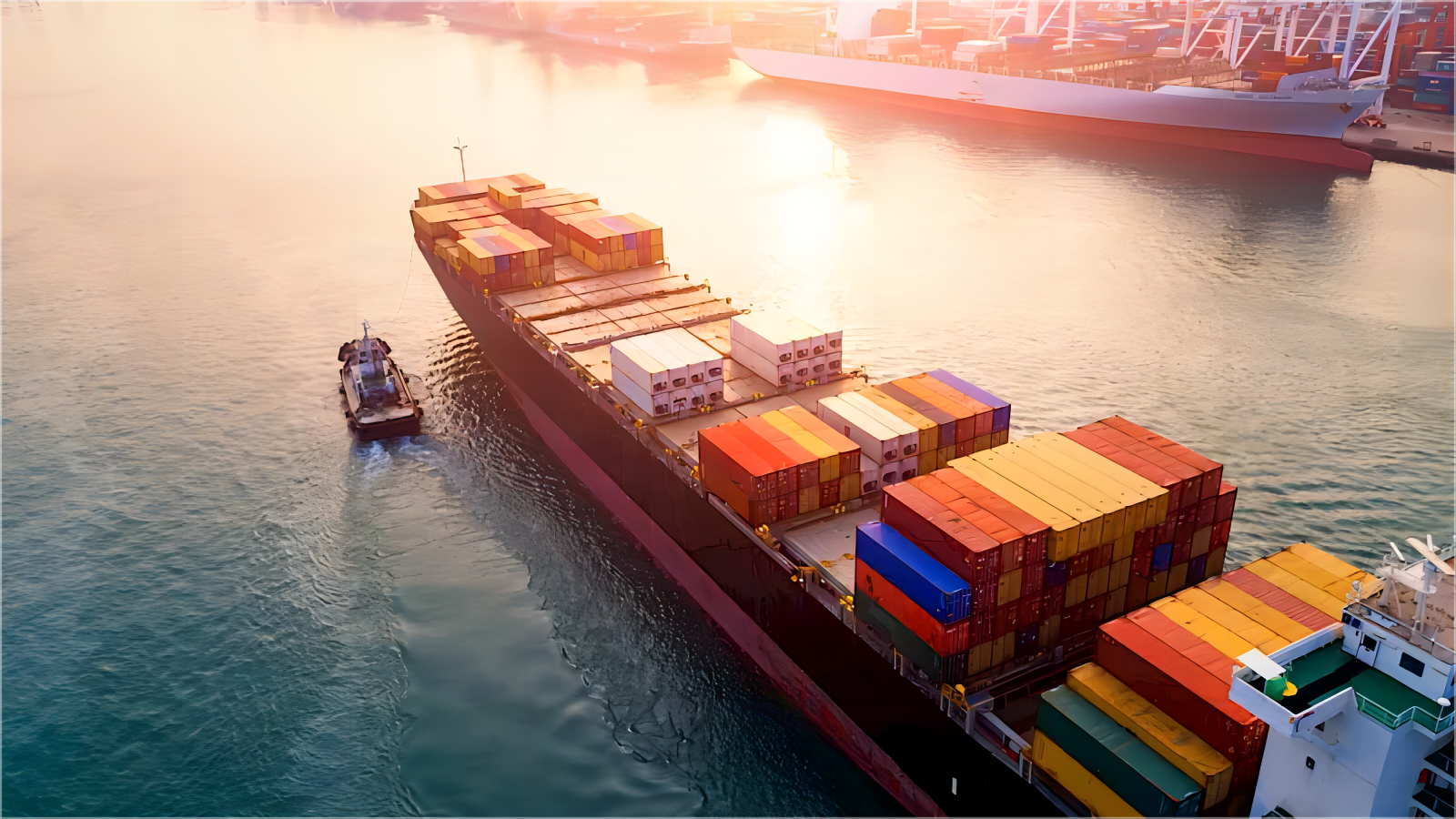
For the majority of 20GP FCL auto parts shipments from China to France, ocean freight remains the most economical and common choice. Direct sea routes offer the fastest transit times, typically connecting major Chinese export ports like Shanghai, Ningbo, Shenzhen, or Qingdao directly to key French import ports such as Le Havre, Fos-sur-Mer, or Marseille.
However, some routes may involve transshipment via major hubs like Singapore or Colombo. While this can sometimes extend transit time, it might offer cost savings or access to more frequent sailings. Partnering with an experienced freight forwarder can help identify the most suitable direct sea routes or optimized transshipment options for your specific cargo and budget. Consider sea freight for these substantial shipments.
| Origin Port (China) | Destination Port (France) | Typical Transit Time (Days) | Major Carriers |
|---|---|---|---|
| Shanghai | Le Havre | 28-32 | COSCO, Maersk, CMA CGM |
| Ningbo | Marseille (Fos-sur-Mer) | 30-35 | MSC, Evergreen, Hapag-Lloyd |
| Shenzhen | Le Havre | 25-30 | OOCL, Yang Ming, ZIM |
| Qingdao | Fos-sur-Mer | 32-38 | COSCO, PIL, ONE |
Navigating Customs and Documentation for Auto Parts Imports
Successful import of auto parts into France requires meticulous attention to customs procedures and documentation. Essential documents typically include the commercial invoice, packing list, bill of lading, and certificate of origin. Furthermore, accurate classification of your auto parts using correct HS codes is vital to determine applicable import duties and taxes.
France, as part of the European Union, adheres to EU customs regulations. Importers must be aware of VAT, anti-dumping duties, and any specific technical standards or certifications required for automotive components. Engaging a professional for customs brokerage services can significantly streamline this complex process, minimizing delays and ensuring compliance.
Optimizing Your Supply Chain: Beyond the Ocean Voyage
The journey of your 20GP FCL auto parts extends far beyond the port of discharge. Effective supply chain optimization involves managing pre-shipment logistics in China, ensuring efficient port operations, and handling last-mile delivery in France. This comprehensive approach guarantees a seamless transition from factory to final destination.
Moreover, considering door to door services can simplify your logistics, as a single provider manages the entire process. This includes inland transportation, warehousing if needed, and final delivery to your facility. Such integrated solutions reduce administrative burden and provide greater visibility over your cargo handling.
How Does 20GP FCL Sea Freight Compare to Other Shipping Options?
While sea freight is often the default for 20GP FCL auto parts due to its cost-effectiveness, it is important to understand alternative shipping methods. Each option presents different trade-offs in terms of cost, speed, and capacity. Evaluating these alternatives helps in making informed decisions for specific shipment needs.
For instance, air freight offers significantly faster transit times but at a much higher cost, making it suitable only for urgent or high-value, low-volume auto parts. Rail freight, a growing option, provides a middle ground between sea and air for certain routes. This comparison highlights why sea freight for a 20GP FCL remains the best route for auto parts from China to France for most standard shipments.
| Shipping Method | Cost Range (20GP) | Transit Time (China to France) | Best For | Limitations |
|---|---|---|---|---|
| Sea Freight (FCL) | $2,000 – $4,200 | 28-38 days | Bulk, heavy, non-urgent auto parts; cost-efficiency | Longer transit times; port congestion |
| Air Freight | $15,000 – $25,000+ | 3-7 days | Urgent, high-value, small volume auto parts | High cost; limited cargo size/weight |
| Rail Freight | $8,000 – $12,000 | 18-25 days | Time-sensitive but not urgent auto parts; balanced cost/speed | Limited destinations; capacity constraints |
Real-World Scenarios: 20GP FCL Auto Parts Shipments to France
Examining actual shipment examples can provide valuable context for planning your own logistics. These case studies illustrate the practical application of different strategies and highlight potential outcomes.
Based on Q3 2024 market rates, these scenarios offer realistic insights into the costs and timelines involved in shipping 20GP FCL auto parts from China to France.
Case Study 1: Standard Volume Engine Components
This shipment involved a consistent supply of engine blocks and transmissions, requiring a balance of cost-efficiency and reliable delivery. The client prioritized minimizing freight rates for their ongoing production needs.
| Detail | Description |
|---|---|
| Route | Shanghai, China Le Havre, France |
| Cargo | Engine blocks, transmissions (auto parts), 25 CBM, 18,000 kg |
| Container | 20GP FCL |
| Shipping Details | Carrier: COSCO; Port of Loading: Shanghai; Port of Discharge: Le Havre; Route Type: Direct |
| Cost Breakdown | Ocean Freight: $2,200; Origin Charges: $450; Destination Charges: $550; Customs & Duties (estimated): $1,800; Total Landed Cost: $5,000 |
| Timeline | Booking to Loading: 5 days; Sea Transit: 30 days; Customs Clearance: 3 days; Total Door-to-Door: 38 days |
| Key Insight | This direct route was cost-effective for bulk, non-urgent items, offering predictable delivery for continuous supply. |

Case Study 2: Time-Sensitive Aftermarket Parts
A client needed to replenish stock of electronic control units and sensors quickly to meet market demand. While not suitable for air freight, a faster sea route with minimal transshipment was selected to balance speed and cost.
| Detail | Description |
|---|---|
| Route | Ningbo, China Marseille, France |
| Cargo | Electronic control units, sensors (auto parts), 20 CBM, 12,000 kg |
| Container | 20GP FCL |
| Shipping Details | Carrier: Maersk; Port of Loading: Ningbo; Port of Discharge: Marseille; Route Type: Transshipment (via Colombo) |
| Cost Breakdown | Ocean Freight: $2,500; Origin Charges: $480; Destination Charges: $600; Customs & Duties (estimated): $2,000; Total Landed Cost: $5,580 |
| Timeline | Booking to Loading: 7 days; Sea Transit: 35 days; Customs Clearance: 4 days; Total Door-to-Door: 46 days |
| Key Insight | Choosing a slightly longer but reliable transshipment route was optimal for delicate electronics, balancing cost with acceptable transit time. |
Case Study 3: Seasonal Inventory Build-up
To prepare for a peak season, a distributor needed a large volume of body panels and interior trims. Booking well in advance was crucial to secure container space and favorable rates during a period of high demand. Even with a 20GP FCL, strategic planning was key.
Note: Freight rates are subject to change based on fuel costs, carrier capacity, and seasonal demand. Contact us for a current quote tailored to your specific shipment.
| Detail | Description |
|---|---|
| Route | Shenzhen, China Fos-sur-Mer, France |
| Cargo | Body panels, interior trims (auto parts), 28 CBM, 20,000 kg |
| Container | 20GP FCL |
| Shipping Details | Carrier: CMA CGM; Port of Loading: Shenzhen; Port of Discharge: Fos-sur-Mer; Route Type: Direct |
| Cost Breakdown | Ocean Freight: $2,350; Origin Charges: $470; Destination Charges: $580; Customs & Duties (estimated): $1,900; Total Landed Cost: $5,300 |
| Timeline | Booking to Loading: 6 days; Sea Transit: 32 days; Customs Clearance: 3 days; Total Door-to-Door: 41 days |
| Key Insight | Securing space for this 20GP FCL during peak season required early booking, ensuring a smooth and predictable delivery for critical inventory. |
Choosing Your Ideal Shipping Strategy: A Decision Framework
Deciding on the best shipping method for your 20GP FCL auto parts shipment hinges on your specific priorities. Consider these factors to determine the most suitable strategy.
If budget priority is your main concern, then standard sea freight is highly recommended. For instance, if speed priority is paramount for urgent components, a combination of express service or rail freight might be more appropriate than pure sea freight, despite the higher cost. Cargo type considerations, such as fragility or hazardous nature, also influence container choice and handling requirements. Moreover, understanding volume thresholds helps in switching between FCL and LCL options, though for a 20GP, FCL is already chosen.
Alternative Strategies and Hybrid Solutions
For scenarios demanding a balance of speed and cost, consider hybrid solutions. A sea-air combination, for example, involves shipping by sea to a hub (like Dubai) then by air to France. This can cut transit times by 10-15 days compared to pure sea freight, albeit at a higher cost.
Furthermore, for less time-sensitive but valuable cargo, rail freight from China to Europe offers a viable alternative to sea, with transit times around 18-25 days. This method provides enhanced security and reduced carbon footprint. Cost-saving strategies include consolidating multiple small orders into one 20GP FCL shipment or negotiating long-term contracts with freight forwarders.
Partnering with a Reliable Freight Forwarder for Auto Parts
The complexity of international logistics, especially for auto parts, underscores the importance of choosing the right logistics partner. An experienced freight forwarder like TJ China Freight offers invaluable expertise in navigating customs, optimizing routes, and managing potential disruptions. They provide end-to-end solutions, from origin to final delivery.
Indeed, a reliable partner can offer critical insights into current logistics trends, market rates, and efficient supply chain management. Their network and problem-solving capabilities ensure your 20GP FCL auto parts reach France safely and on schedule, making them an indispensable asset for your automotive imports.
Conclusion: Securing Your Auto Parts Supply Chain
Selecting the 20GP FCL best route for auto parts from China to France is a strategic decision that impacts your operational efficiency and profitability. By understanding the nuances of sea freight, factoring in customs requirements, and exploring alternative solutions, businesses can make informed choices.
Ultimately, partnering with a knowledgeable freight forwarder ensures that your automotive components are transported safely, economically, and on time. This proactive approach strengthens your supply chain, allowing you to focus on your core business while we handle the logistics.
Ready to streamline your logistics?
Ready to streamline your auto parts imports from China to France? Contact us today for a personalized quote and expert guidance on finding the optimal 20GP FCL best route for auto parts from China to France. Our team is prepared to help you optimize your supply chain.
Request Quote