

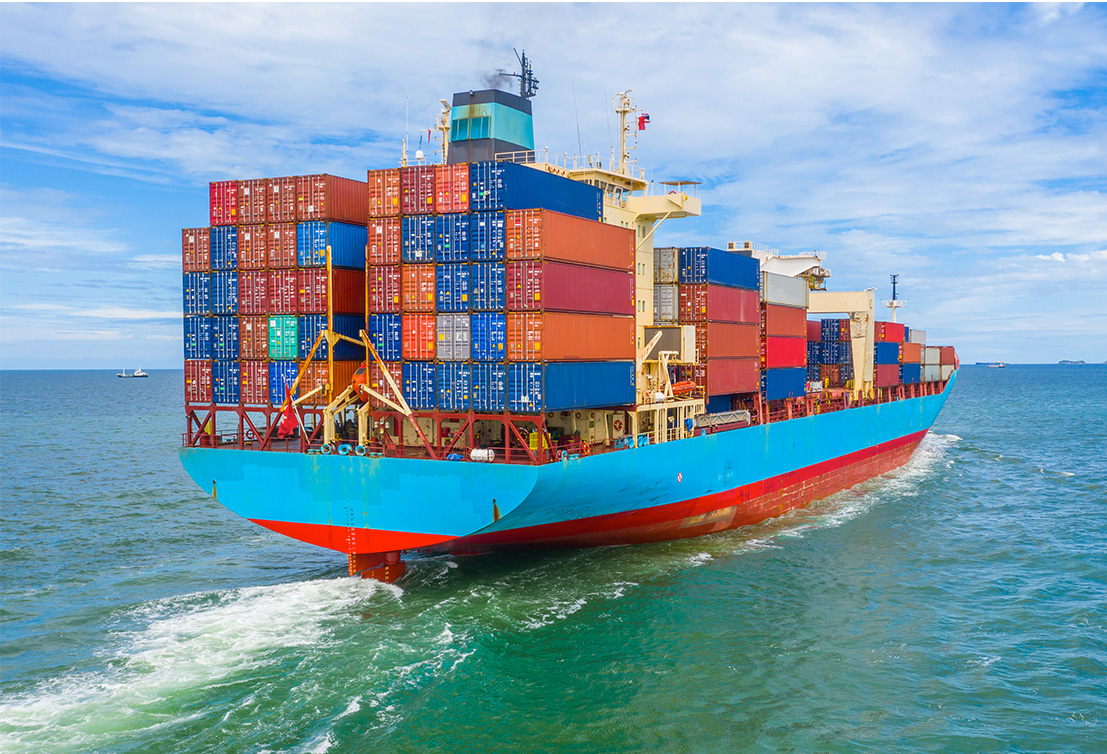
Shipping from China to Melbourne: Complete Guide for Importers
For businesses importing goods into Australia, understanding the process of shipping from China to Melbourne is essential. This route is one of the busiest in the Asia–Pacific region, carrying everything from consumer electronics to furniture and fashion items. Whether you’re shipping a full container load (FCL), a less-than-container load (LCL), or urgent air cargo, choosing the right logistics strategy impacts your costs, lead time, and supply chain stability.
Working with a reputable partner like TJ China Freight helps streamline every step, from factory pickup in China to customs clearance and delivery in Melbourne.
Why Melbourne is a key destination for Chinese exports
Melbourne is Australia’s second-largest city and a primary logistics hub, making it a favored destination for importers. The city’s ports and airports handle millions of tonnes of cargo annually. For importers, Melbourne offers:
- Strong connections to regional Australian markets.
- Efficient customs and quarantine infrastructure.
- Competitive warehousing and distribution options.
Available transport options
When planning shipping from China to Melbourne, importers usually consider two main modes:
- Sea freight: Ideal for bulk goods and cost-effective transport.
- Air freight: Suitable for urgent or high-value shipments.
Both have distinct advantages depending on cargo type, urgency, and budget.
Sea freight from China to Melbourne
Sea transport remains the most common method for importers. It is ideal for large consignments and provides flexibility between FCL and LCL.

Transit time
Average sailing time: 16–24 days (Shanghai/Ningbo/Shenzhen to Melbourne).
Door-to-door: 22–34 days depending on inland transport and customs clearance.
Estimated costs (USD)
| Container Type | Cost (Shanghai → Melbourne) | Notes |
|---|---|---|
| 20ft FCL | $1,300 – $1,900 | Economical for medium loads |
| 40ft FCL | $2,200 – $3,600 | Better per-unit cost |
| LCL (per CBM) | $60 – $95 | Suitable for smaller loads |
Air freight from China to Melbourne
Air shipping is fast but more expensive. It is suitable for electronics, fashion, and urgent consignments.

Transit time
- Flight time: 1–3 days.
- Door-to-door including clearance: 4–8 days.
Typical costs
- $5 – $8 per kilogram (depending on season and airline).
Despite higher transportation cost, the speed and reliability make air shipping valuable for time-sensitive goods.
Essential services a freight forwarder should provide
When evaluating a logistics partner, make sure they cover all necessary services for your shipping from China to Melbourne project:
- Customs clearance: Your agent should offer full customs brokerage support to avoid delays at Australian ports.
- Cargo protection: Adding cargo insurance reduces risk from loss, theft, or damage.
- Door-to-door options: Comprehensive door to door delivery ensures your goods move seamlessly from supplier to Melbourne warehouse.
Customs clearance requirements in Melbourne

Imports into Australia are subject to customs and quarantine checks. Common documents include:
| Document | Purpose |
|---|---|
| Bill of Lading / Air Waybill | Proof of shipment |
| Commercial Invoice | Declares value of goods |
| Packing List | Details of contents |
| Certificate of Origin | For tariff calculation |
| Quarantine Declarations | For food, plants, wood products |
Delays often arise due to incomplete or inaccurate documentation. A proactive agent helps ensure everything is in order before cargo arrives.
FCL vs LCL: Which is better?
- FCL (Full Container Load): Faster, lower risk of damage, and cost-effective for high-volume cargo.
- LCL (Less than Container Load): Affordable for smaller shipments but longer due to consolidation.
When shipping to Melbourne, FCL is often preferred for stable demand, while LCL works for SMEs testing new products.
How to manage costs when shipping from China to Melbourne
Strategies to save on freight include:
- Booking early during peak season to avoid surcharges.
- Consolidating cargo to achieve FCL rates.
- Using long-term contracts with forwarders.
- Optimizing packaging to reduce CBM in LCL.
- Comparing seasonal rates for sea vs air.
A trusted agent will explain cost breakdowns and suggest the most efficient routing.
Typical delivery schedules
| Route | Sea Transit | Door-to-Door Estimate |
|---|---|---|
| Shanghai → Melbourne | 16–22 days | 22–32 days |
| Ningbo → Melbourne | 18–24 days | 24–34 days |
| Shenzhen → Melbourne | 20–26 days | 26–36 days |
Delays may occur due to weather, congestion, or inspections. Always plan buffer days for critical inventory.
Why a reliable agent is essential
Choosing a capable freight forwarder is not just about cost — it ensures compliance, smooth customs processes, and accurate delivery timelines. Agents also act as problem-solvers, providing updates and solutions when disruptions occur.
Risks of international shipping
International logistics carries risks including:
- Cargo damage due to rough handling.
- Delays from customs holds.
- Port congestion.
- Seasonal rate spikes.
Insuring shipments and using experienced agents mitigates these risks.
Case example: Small business importing furniture
A small furniture company in Sydney needed cost-effective shipping from China to Melbourne. By consolidating two partial shipments into an FCL, the business reduced costs by 25% and avoided delays associated with LCL. The agent managed documentation, insurance, and door delivery, saving both time and money.
Conclusion
For businesses importing goods, mastering shipping from China to Melbourne involves more than booking space on a vessel or plane. You need a reliable partner who understands customs, manages documentation, and keeps your delivery on track. Working with experts like TJ China Freight ensures you gain cost transparency, risk protection, and timely delivery into one of Australia’s busiest logistics hubs.
FAQs(click to expand and view )
Sea shipping usually takes 16–24 days port-to-port, with door-to-door deliveries requiring 22–34 days.
Rates range from $1,300 to $1,900 depending on port of origin, season, and carrier.
Yes. Air shipments arrive in 4–8 days door-to-door, compared with several weeks for sea freight.
Yes. Professional brokers simplify clearance and reduce the risk of penalties or delays.
Absolutely. Many freight forwarders offer door-to-door solutions that include pickup at the supplier, shipping, customs clearance, and delivery to your warehouse.