

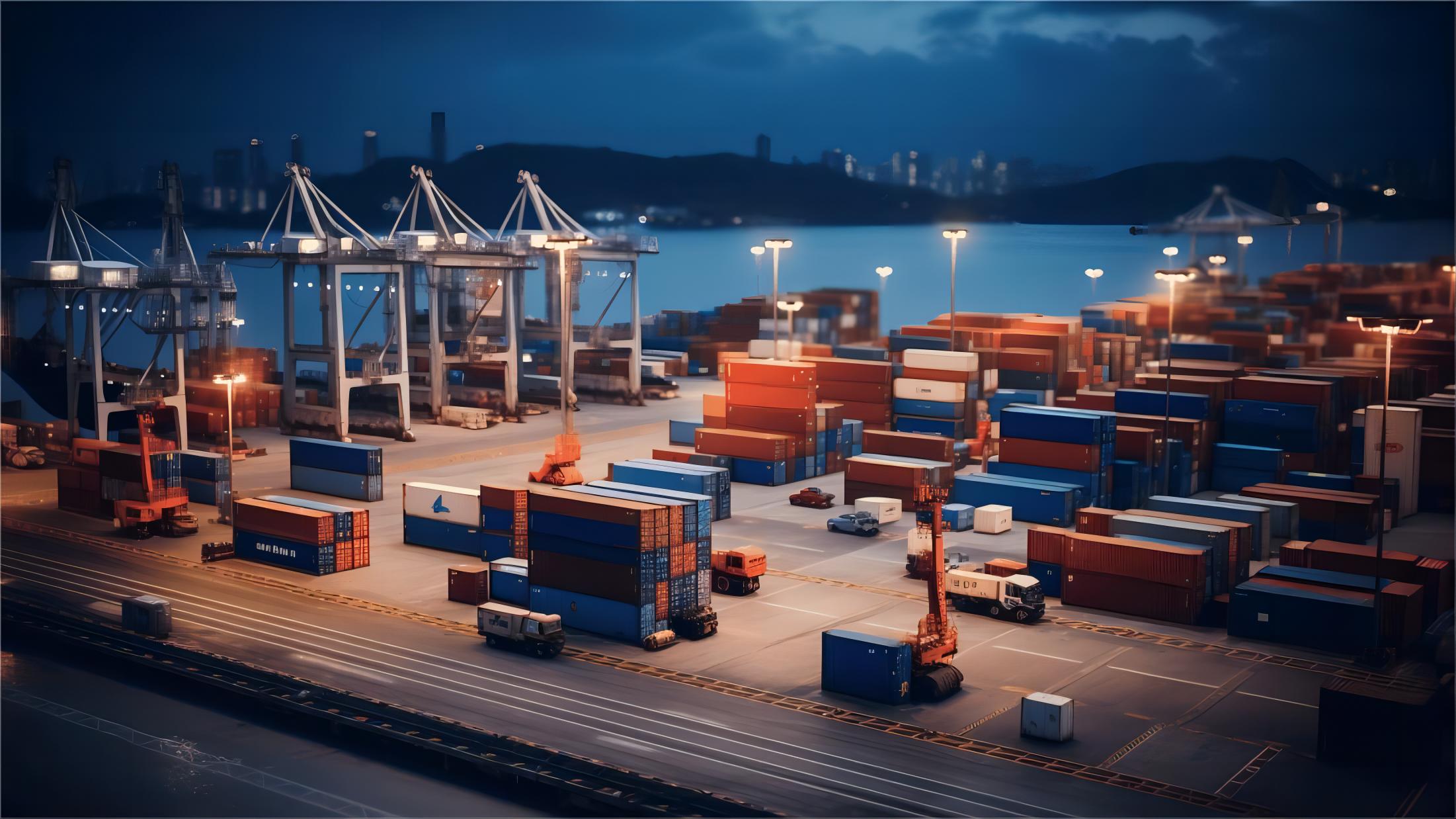
Open Top FCL Freight Rate for Machinery: China to Savannah Guide
Shipping oversized or heavy machinery from China to Savannah, Georgia, presents unique logistical challenges. Securing an optimal Open Top FCL freight rate for machinery from China to Savannah requires a deep understanding of various factors, including container specifications, port operations, and customs regulations. This comprehensive guide details everything you need to know, helping you efficiently transport your valuable equipment.

Understanding Open Top FCL for Machinery Shipping
Transporting large or unusually shaped machinery demands specialized solutions beyond standard containers. Open Top Full Container Load (FCL) shipping, therefore, emerges as a critical method for such cargo. Essentially, these containers lack a fixed roof, enabling cargo to be loaded from the top using cranes, which is often impossible with standard containers.
Consequently, Open Top containers are equipped with a removable tarpaulin or hard top, protecting the goods during transit while accommodating their height. This flexibility ensures that industrial equipment, construction machinery, and other towering items can be securely shipped. Moreover, it prevents the need for dismantling, saving time and potential reassembly costs at the destination.
What is an Open Top Container?
An Open Top container is fundamentally a standard shipping container but without a solid roof. Instead, it features removable bows and a waterproof tarpaulin cover. This design facilitates the loading of cargo that is too tall to fit through standard container doors, or too heavy to be pushed in horizontally.
Indeed, these specialized containers come in various sizes, typically 20-foot and 40-foot lengths, similar to their standard counterparts. However, their internal dimensions, especially height, are slightly different due to the open top structure. They are robustly built, furthermore, to withstand the rigors of ocean transport.
When is Open Top FCL Necessary?
Open Top FCL becomes essential when machinery exceeds the height limits of a standard closed container. For example, large presses, excavators, or specialized manufacturing equipment often require vertical loading. Additionally, extremely heavy items that necessitate crane loading are ideally suited for Open Top containers.
Ultimately, selecting Open Top FCL is a strategic decision driven by cargo dimensions, weight, and the need for specialized handling. It ensures the integrity of the machinery during transit, minimizing the risk of damage. Therefore, it is a preferred option for high-value and critical industrial assets.
Key Factors Influencing Open Top FCL Freight Rates
Determining the precise Open Top FCL freight rate for machinery from China to Savannah involves a complex interplay of several factors. Understanding these elements is crucial for accurate budgeting and effective supply chain management. Every aspect, from the machinery’s specifications to global logistics trends, contributes to the final cost.
Moreover, market dynamics and the specific services required can significantly sway prices. Consequently, a comprehensive assessment of these variables is vital for securing a competitive and predictable rate. This proactive approach helps mitigate unexpected expenses.
Cargo Dimensions and Weight
Undoubtedly, the size and weight of your machinery are primary cost drivers. Oversized cargo, meaning items exceeding the internal dimensions of the container, often incurs additional surcharges for out-of-gauge (OOG) handling. Furthermore, heavier machinery can lead to higher lifting and port charges.
Additionally, the need for specialized lashing and securing within the Open Top container adds to the overall cost. Therefore, precise measurements and accurate weight declarations are paramount. This ensures proper planning and avoids costly delays or penalties.
Origin and Destination Ports
The specific port of loading in China (e.g., Shanghai, Ningbo, Shenzhen) and the port of discharge in the USA (Savannah) impact rates due to varying port congestion, handling fees, and carrier availability. Some ports, for instance, might have higher terminal handling charges (THC) or limited equipment.
Furthermore, the distance and specific shipping lane also play a significant role. Direct routes are generally quicker but can be more expensive, whereas transshipment routes, while potentially cheaper, increase transit time. Proximity to major industrial hubs in China also influences inland transportation costs to the port.
Seasonal Demand and Market Fluctuations
Freight rates are highly susceptible to seasonal demand and global market conditions. Peak seasons, such as before major holidays like Chinese New Year or during the Q3-Q4 holiday shipping rush, typically see significant rate increases. Conversely, off-peak periods may offer more competitive pricing.
Moreover, geopolitical events, fuel price volatility, and carrier capacity adjustments can cause sudden shifts in freight rates. For example, as of Q1 2025, rates from China to the USA East Coast have largely stabilized, but disruptions like canal closures can still trigger surcharges. Therefore, booking well in advance is often a wise strategy.
Ancillary Charges and Surcharges
Beyond the base ocean freight, several ancillary charges contribute to the total cost. These include Bunker Adjustment Factor (BAF) for fuel, Currency Adjustment Factor (CAF), Terminal Handling Charges (THC) at both ends, and potentially Peak Season Surcharges (PSS). Additionally, specialized equipment surcharges for Open Top containers are common.
Other costs might encompass customs clearance fees, drayage (trucking from port to final destination), insurance, and any necessary permits for oversized cargo. Therefore, it is crucial to obtain a detailed quote that itemizes all potential charges to avoid surprises. This comprehensive approach ensures transparency in pricing.
| Charge Type | Description | Typical Impact |
|---|---|---|
| Ocean Freight | Base cost for sea transport of the container. | Primary cost component |
| THC (Terminal Handling) | Costs for handling container at origin and destination ports. | Varies by port, significant |
| BAF (Bunker Adjustment) | Fuel surcharge, fluctuates with oil prices. | Variable, can be substantial |
| CAF (Currency Adjustment) | Surcharge to offset currency fluctuations. | Variable, usually a percentage |
| OOG Surcharge | For Out-of-Gauge cargo (exceeds container dimensions). | Specific to Open Top, can be high |
| Customs Brokerage | Fees for customs declaration and clearance. | Fixed fee + percentage |
| Drayage/Inland | Transport from port to final delivery location. | Varies by distance |

The Shipping Process: China to Savannah
Navigating the logistics of shipping machinery from China to Savannah requires a structured approach. Understanding each step in the process helps ensure a smooth and efficient transit. From initial booking to final delivery, careful coordination is essential.
Indeed, a well-managed shipping process minimizes delays and potential complications. This systematic overview, therefore, outlines the typical journey of an Open Top FCL shipment.
Booking and Documentation
First, the process begins with selecting a reputable freight forwarder and booking your Open Top container. This involves providing detailed specifications of your machinery, including dimensions, weight, and any special handling requirements. Subsequently, the forwarder will secure vessel space and an appropriate container.
Crucially, accurate documentation is paramount. This includes the Bill of Lading, commercial invoice, packing list, and any necessary export licenses or permits from China. Inaccurate or incomplete documents can lead to significant delays and penalties at customs. Hence, meticulous preparation is key.
Loading and Port Operations
Once the booking is confirmed, your machinery will be transported to the port of loading in China. Here, specialized cranes are used to carefully load the machinery into the Open Top container. Proper lashing and securing are critical to prevent movement and damage during the ocean voyage. This step adheres to strict international safety standards.
Subsequently, the tarpaulin cover is securely fitted, and the container is moved to the vessel for loading. Port operations are complex, involving coordination between various parties. Efficient handling at this stage is vital for maintaining the overall delivery schedule.
| Document | Purpose | Issuer |
|---|---|---|
| Bill of Lading (B/L) | Contract of carriage, receipt of goods, title to goods. | Carrier/Freight Forwarder |
| Commercial Invoice | Details of goods, value, seller, buyer. | Exporter |
| Packing List | Itemized list of goods, packaging details, weights. | Exporter |
| Export License | Government authorization for specific goods (if required). | Chinese Government |
| ISF (Importer Security Filing) | Mandatory filing for US-bound ocean cargo. | Importer/Agent |
| Certificate of Origin | Declares country where goods were manufactured. | Exporter/Chamber of Commerce |
Ocean Transit and Arrival
The vessel then embarks on its journey across the Pacific Ocean, typically taking 30-35 days for the sea freight route from China to Savannah. During transit, tracking systems allow you to monitor your shipment’s progress. Upon arrival at the Port of Savannah, the container is offloaded.
Savannah is a major East Coast port, well-equipped to handle specialized cargo. Consequently, efficient port infrastructure helps streamline the next stages of the process. Timely communication from your freight forwarder is essential during this phase.
Customs Clearance and Delivery
Upon arrival, your machinery must undergo US customs brokerage clearance. This involves submitting all required import documentation, paying duties and taxes, and complying with any specific regulations for machinery imports. A skilled customs broker is indispensable for navigating this complex process.
After customs clearance, the container is released for inland transportation. Depending on your agreement, the machinery can be delivered directly to your facility via truck. This final leg of the journey ensures your machinery reaches its ultimate destination safely and efficiently.
How Does Open Top FCL Compare to Other Shipping Options?
When shipping oversized machinery, Open Top FCL is not the only option available. Various alternatives exist, each with its own advantages and limitations regarding cost, speed, and cargo suitability. A thorough comparison is essential to make an informed decision for your specific needs.
Indeed, choosing the right method can significantly impact your project timeline and budget. Therefore, understanding the nuances of each shipping solution is paramount for efficient logistics planning.
Comparison Table: Open Top FCL vs. Alternatives
| Shipping Method | Cost Range (China-Savannah) | Transit Time (Days) | Best For | Limitations |
|---|---|---|---|---|
| Open Top FCL | $4,500 – $7,000 (40OT) | 30-35 | Tall, heavy machinery; crane loading. | Higher cost than standard FCL; limited availability. |
| Flat Rack FCL | $5,000 – $8,000 (40FR) | 30-35 | Wide, heavy, or irregularly shaped cargo. | Most expensive container type; OOG surcharges common. |
| Breakbulk (BB) | Varies by cargo, often higher than FCL. | 35-45 | Extremely large/heavy items; not containerizable. | High handling risks; longer transit; specialized vessels. |
| RORO (Roll-on/Roll-off) | Varies by unit, often competitive. | 30-40 | Wheeled machinery (vehicles, excavators). | Limited to self-propelled or towable units; fewer routes. |
| Standard FCL (40HQ) | $4,500 – $6,000 | 30-35 | Machinery within standard dimensions. | Not suitable for oversized or very tall items. |
Which Option Should You Choose?
Your choice of shipping method should align directly with your priorities and cargo characteristics. If your machinery is too tall for a standard container but otherwise fits FCL criteria, Open Top FCL is usually the most cost-effective specialized container option. It balances cost and protection effectively.
However, for extremely wide or exceptionally heavy pieces that cannot be fully enclosed, Flat Rack FCL or even Breakbulk might be necessary. If your machinery is self-propelled, like a tractor or large vehicle, RORO shipping can offer a straightforward solution. For integrated logistics and end-to-end solutions, consider a door-to-door service. Always prioritize safety and cargo integrity when making your selection.

Real-World Scenarios: Open Top FCL Shipments
Examining actual case studies provides valuable insights into the practicalities and costs associated with shipping machinery via Open Top FCL. These examples illustrate the typical challenges and solutions encountered when managing an Open Top FCL freight rate for machinery from China to Savannah.
Therefore, these scenarios highlight the importance of detailed planning and expert execution in ensuring successful delivery. Based on Q3 2024 market rates, these examples offer a realistic perspective on recent shipments.
Case Study 1: Large Industrial Press
This case involved a manufacturer importing a large industrial stamping press, too tall for a standard 40HQ container. The client required a balance between cost-effectiveness and secure transport.
| Detail | Description |
|---|---|
| Route | Shanghai, China Savannah, USA |
| Cargo | Industrial Stamping Press, 65 CBM, 28,000 kg |
| Container | 1 x 40′ Open Top |
| Shipping Details | Carrier: COSCO; Port of Loading: Shanghai; Port of Discharge: Savannah; Route Type: Direct |
| Cost Breakdown | Ocean Freight: $5,800; Origin Charges: $650; Destination Charges: $800; Customs & Duties (estimated): $1,200; Total Landed Cost: $8,450 |
| Timeline | Booking to Loading: 7 days; Sea Transit: 32 days; Customs Clearance: 3 days; Total Door-to-Door: 45 days |
| Key Insight | Careful lashing and securing within the Open Top container were critical due to the press’s top-heavy nature. Early booking helped secure a competitive rate during a moderately busy period. |
Case Study 2: Heavy Construction Equipment
A construction company needed to import several pieces of compact heavy equipment, including a mini-excavator and hydraulic breakers, which together exceeded standard container height.
| Detail | Description |
|---|---|
| Route | Ningbo, China Savannah, USA |
| Cargo | Mini-Excavator & Hydraulic Breakers, 55 CBM, 22,000 kg |
| Container | 1 x 40′ Open Top |
| Shipping Details | Carrier: Maersk; Port of Loading: Ningbo; Port of Discharge: Savannah; Route Type: Transshipment via Busan |
| Cost Breakdown | Ocean Freight: $5,200; Origin Charges: $580; Destination Charges: $750; Customs & Duties (estimated): $1,050; Total Landed Cost: $7,580 |
| Timeline | Booking to Loading: 9 days; Sea Transit: 38 days; Customs Clearance: 4 days; Total Door-to-Door: 55 days |
| Key Insight | Opting for a transshipment route offered a slightly lower ocean freight rate, but added several days to the transit time. The North America expertise of the forwarder ensured smooth handling at Savannah despite peak season congestion. |
Optimizing Your Open Top FCL Freight Rate
Minimizing shipping costs while maintaining efficiency is a constant goal for importers. There are several strategic approaches to optimize your Open Top FCL freight rate for machinery from China to Savannah. Proactive planning and informed decision-making are key components of cost-effective logistics.
Moreover, leveraging expertise and understanding market dynamics can lead to significant savings. Consider these strategies to enhance your shipping budget.
Strategic Planning and Booking
Booking your shipment well in advance, especially during peak seasons (August-October), can often secure better rates and guaranteed space. Last-minute bookings, conversely, frequently incur premium charges. Therefore, early planning is highly recommended.
Furthermore, consider the flexibility of your delivery schedule. If time is less critical, you might explore options with slightly longer transit times that offer more economical rates. For urgent replacement parts or critical components, however, faster services like express service might be necessary despite higher costs.
Consolidation and Routing
If you have multiple smaller pieces of machinery that individually might not justify an Open Top FCL, explore the possibility of consolidating them into one container. This maximizes container utilization and spreads the fixed costs across more cargo. However, ensure all items fit the Open Top specifications.
Additionally, discuss routing options with your freight forwarder. Sometimes, a slightly longer route with a transshipment might offer a better rate than a direct service, depending on current carrier allocations and port congestion. This trade-off between time and cost needs careful evaluation.
Partnering with an Expert Freight Forwarder
Collaborating with an experienced freight forwarder is perhaps the most effective strategy. They possess deep market knowledge, strong carrier relationships, and expertise in handling specialized cargo like Open Top FCL machinery. They can negotiate better rates and advise on the most cost-efficient routes.
Ultimately, a reliable partner can navigate customs complexities, manage documentation, and provide end-to-end visibility for your shipment. Their insights into logistics trends and potential challenges are invaluable. This expertise ensures a smoother, more economical shipping experience.

Market Insights and Future Trends
The global freight market is dynamic, with conditions constantly evolving. Understanding current market insights and anticipating future trends is vital for anyone managing an Open Top FCL freight rate for machinery from China to Savannah. Industry averages for this route indicate a period of relative stability following recent disruptions.
As of early 2025, freight rates from China to the USA East Coast have largely stabilized after the volatility seen in previous years, including the impact of Red Sea diversions. However, certain factors continue to influence pricing and service levels. Awareness of these trends allows for more strategic planning.
Indeed, seasonal rate increases, typically 15-25% during the August-October peak season, remain a consistent factor. Moreover, carrier capacity management and potential port congestion, particularly in major Chinese export hubs, can cause short-term rate fluctuations. Therefore, staying informed is critical. Note: Freight rates are subject to change based on fuel costs, carrier capacity, and seasonal demand. Contact us for a current quote tailored to your specific shipment.
Conclusion
Successfully managing the <span class=”keyword”>Open Top FCL freight rate for machinery from China to Savannah</span> demands a blend of careful planning, market awareness, and strategic partnerships. By understanding the unique requirements of Open Top containers, the factors influencing freight rates, and the available alternative shipping methods, importers can make informed decisions.
Indeed, securing competitive rates and ensuring a smooth transit relies heavily on accurate documentation, efficient port operations, and expert customs clearance. Ultimately, partnering with a knowledgeable freight forwarder like TJ China Freight is indispensable. This ensures your valuable machinery arrives safely, on time, and within budget, bolstering your supply chain efficiency.
Need a tailored shipping solution?
Ready to streamline your machinery imports from China to Savannah? Do not let complex logistics hinder your operations. Contact us today for a personalized quote and discover how our expertise can optimize your Open Top FCL freight rate.