

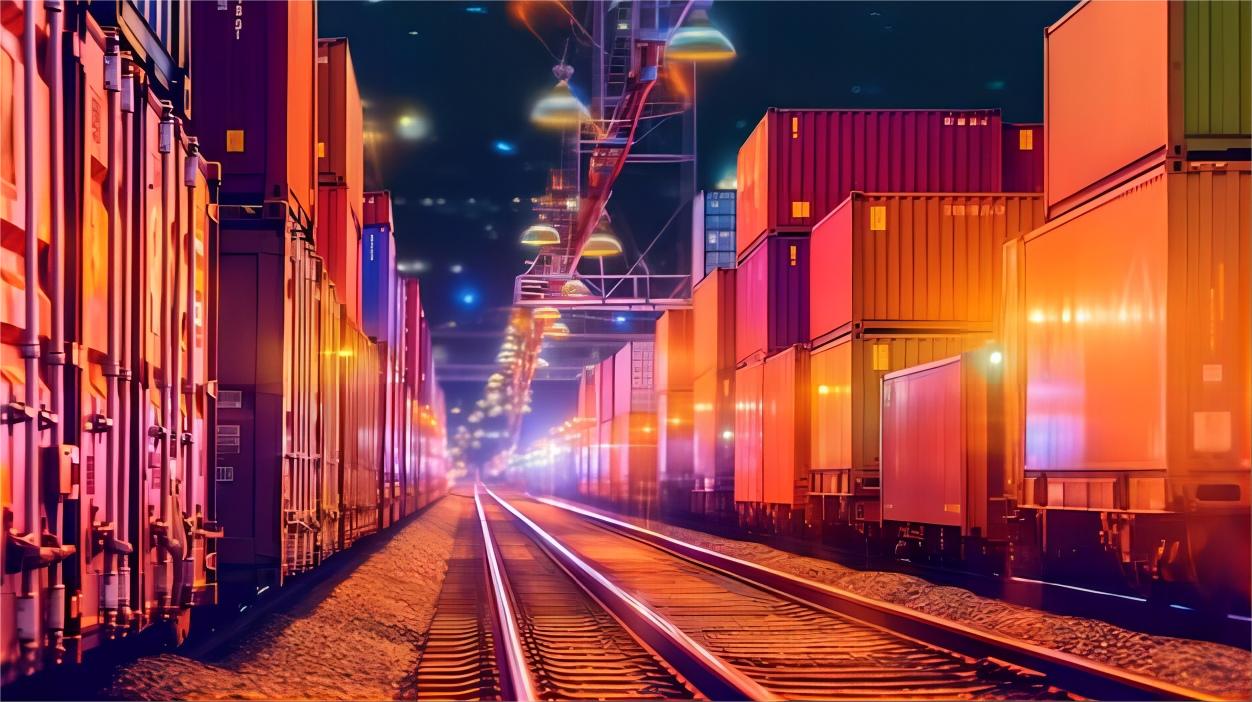
Open Top FCL container shortage solution for textiles from China to Belgium
Textile exporters frequently face logistical hurdles when specialized equipment becomes scarce. Finding a reliable Open Top FCL container shortage solution for textiles from China to Belgium is essential for maintaining a steady supply chain. At TJ China Freight, we understand how equipment deficits can delay your shipments to Antwerp or Zeebrugge. Consequently, we provide innovative strategies to ensure your oversized textile machinery or bulk fabrics reach their destination without unnecessary delays.

Understanding the Open Top FCL container shortage solution for textiles from China to Belgium
Open top containers are indispensable for textile businesses shipping over-height cargo or heavy machinery. However, global trade imbalances often lead to a severe lack of this specific equipment at major Chinese ports like Ningbo and Shanghai. Therefore, shippers must look beyond standard equipment to keep their goods moving.
Implementing a robust sea freight strategy involves early booking and equipment substitution. For instance, many textile importers now consider flat rack containers or even standard 40HQ units if the cargo dimensions allow for slight adjustments. This flexibility prevents your supply chain from grinding to a halt during peak seasons.
Market data suggests that equipment shortages are most prevalent during the pre-Lunar New Year rush. During these periods, freight rates for specialized containers can spike by 20-30%. Accordingly, planning your logistics at least six weeks in advance is a proven method to secure the necessary equipment.
Why is there a shortage of Open Top containers?
Several factors contribute to the ongoing scarcity of specialized containers in the China-Europe corridor. Primarily, the rapid growth of the textile and machinery sectors has outpaced the production of new open-top units. Moreover, port congestion in key European hubs can delay the return of empty containers to Asia.
Carriers often prioritize standard 20GP and 40HQ containers because they are easier to stack and manage on vessels. Consequently, specialized equipment like open tops is produced in smaller quantities and managed with stricter controls. This creates a bottleneck for shippers who require top-loading capabilities for their textile rolls or industrial looms.
Global logistics trends also indicate that equipment is often stuck in secondary markets. When containers are diverted due to geopolitical shifts, the availability in primary hubs like Shenzhen decreases significantly. Nevertheless, proactive freight forwarders can often find alternative equipment by tapping into inland container depots.
How Does Open Top FCL Compare to Other Shipping Options?
Choosing the right shipping method requires a careful balance of cost, speed, and cargo safety. While Open Top FCL is ideal for over-height textiles, it is not the only way to reach Belgium. In fact, many shippers are finding success with hybrid solutions or different container types.
For example, if your textile machinery can be partially disassembled, a standard 40HQ container might suffice. This transition words as a cost-saving measure because standard containers are more readily available and cheaper to book. On the other hand, if time is the priority, air freight remains the fastest though most expensive choice.
Below is a detailed comparison of the various shipping methods available for the China to Belgium route.
| Shipping Method | Cost Range | Transit Time | Best For |
|---|---|---|---|
| Open Top FCL | $3,500 – $5,200 | 30-38 Days | Over-height textile machinery |
| Standard 40HQ | $3,000 – $4,200 | 30-35 Days | High-volume fabric rolls |
| Rail Freight | $4,500 – $6,500 | 18-22 Days | Urgent textile shipments |
| Air Freight | $15,000+ | 5-8 Days | High-value garment samples |

Exploring Rail Freight as a Viable Alternative
When sea freight equipment is unavailable, rail freight offers a middle ground between sea and air. The China-Europe Railway Express connects hubs like Xi’an and Zhengzhou directly to Liege in Belgium. Indeed, this route has become a lifeline for textile companies needing consistent delivery schedules.
Rail transit is significantly faster than ocean transport, often shaving two weeks off the total journey. Furthermore, rail platforms sometimes have better access to specialized equipment than coastal seaports. This makes it a strategic Open Top FCL container shortage solution for textiles from China to Belgium during maritime crises.
However, shippers should note that rail freight costs are typically higher than sea freight. Despite the cost, the reliability and speed often justify the investment for seasonal textile collections. To summarize, rail is an excellent contingency plan for your European distribution strategy.
Navigating Customs and Documentation in Belgium
Importing textiles into Europe requires meticulous attention to detail regarding customs regulations. Belgian customs authorities are known for their efficiency, but they require accurate documentation to prevent delays. Specifically, you must ensure that your HS codes for textiles are correctly declared to avoid fines.
Utilizing a professional customs brokerage service can streamline the clearance process at Antwerp. These experts handle the complexities of VAT, duties, and specialized textile import licenses. Additionally, they can advise on the preferential tariffs available under specific trade agreements.
Without a doubt, incomplete paperwork is a leading cause of port storage charges. Therefore, exporters should prepare the commercial invoice, packing list, and Bill of Lading well before the vessel arrives. This proactive approach ensures a smooth transition from the port to your warehouse in Belgium.
| Document Name | Required By | Purpose | Importance |
|---|---|---|---|
| Commercial Invoice | Customs | Valuation of goods | Critical |
| Packing List | Warehouse/Customs | Details of cargo contents | High |
| Certificate of Origin | Customs | Determining duty rates | Critical |
| Bill of Lading | Carrier/Customs | Title to the goods | Mandatory |
Real-World Case Studies for Textile Shipping
Examining real scenarios helps illustrate how to handle equipment shortages effectively. These cases reflect actual market conditions faced by textile importers in 2024 and early 2025. By learning from these examples, you can better prepare your own logistics strategy.
Case Study 1: Shanghai to Antwerp. A textile manufacturer needed to ship three over-height weaving machines. Due to an Open Top shortage, they utilized a Flat Rack container. The total ocean freight was $4,800 with a transit time of 34 days, successfully meeting the factory installation deadline.
Case Study 2: Shenzhen to Zeebrugge. An importer of industrial fabrics faced a 3-week delay for Open Top units. Instead, they opted for air freight for the first 10% of the order to keep production running. The remaining 90% was shipped via standard 40HQ after modifying the packaging, saving $2,000 in equipment surcharges.

Case Study Details: Textile Logistics Success
Case Study 1: Oversized Machinery Transfer
Route: Shanghai, China to Antwerp, Belgium. Cargo: Industrial weaving looms, 45 CBM, 12,000 kg. Container: 40ft Flat Rack (Alternative to Open Top). Shipping Details: Carrier: COSCO. Port of Loading: Shanghai. Port of Discharge: Antwerp. Route Type: Direct. Cost Breakdown: Ocean Freight: $4,500. Origin Charges: $450. Destination Charges: $600. Customs: $1,200. Total Landed Cost: $6,750. Timeline: Booking to Loading: 7 days. Sea Transit: 33 days. Customs Clearance: 2 days. Total Door-to-Door: 42 days. Key Insight: Using a Flat Rack allowed immediate loading when Open Tops were out of stock.
Case Study 2: Urgent Fabric Replenishment
Route: Ningbo, China to Liege, Belgium. Cargo: Synthetic textile rolls, 28 CBM, 8,500 kg. Container: Rail Freight (40GP). Shipping Details: Service: China-Europe Railway. Port of Loading: Xi’an Terminal. Port of Discharge: Liege Terminal. Route Type: Direct Rail. Cost Breakdown: Freight Cost: $5,800. Origin Charges: $300. Destination Charges: $400. Customs: $950. Total Landed Cost: $7,450. Timeline: Booking to Loading: 5 days. Transit: 19 days. Customs Clearance: 1 day. Total Door-to-Door: 25 days. Key Insight: Rail freight bypassed the port equipment shortage and reduced lead time by 15 days.
Note: Freight rates are subject to change based on fuel costs, carrier capacity, and seasonal demand. Contact us for a current quote tailored to your specific shipment.
Which Option Should You Choose? Decision Framework
Selecting the best Open Top FCL container shortage solution for textiles from China to Belgium depends on your specific priorities. If your primary concern is the lowest possible cost, waiting for a standard 40HQ or an Open Top unit remains the best path. In contrast, if your production line is at risk, rail or air freight is necessary.
Budget priority: Recommend Sea Freight (40HQ substitution). If the cargo can fit with minor adjustments, this is the most economical route. Typically, this saves 15-20% compared to specialized equipment. Speed priority: Recommend Rail Freight or Air Freight. Rail is the sweet spot for textiles, offering a 50% time saving over sea at a moderate price increase.
Cargo type considerations: For extremely tall machinery that cannot be tilted, an Open Top or Flat Rack is mandatory. For high-volume, low-weight fabrics, standard 40HQ containers are always the most efficient choice. Always consult with your freight forwarder to verify current equipment availability before finalizing your production schedule.
Securing Your Textile Supply Chain
In conclusion, overcoming equipment scarcity requires a combination of flexibility, early planning, and expert partnerships. Whether you choose to wait for specialized containers or pivot to rail freight, having a clear strategy is vital. By implementing an Open Top FCL container shortage solution for textiles from China to Belgium, you can ensure your business remains competitive in the European market.
As market conditions evolve in 2025, staying informed about logistics trends and equipment availability will be your greatest advantage. Trust in professional logistics providers to navigate these challenges and keep your textile shipments moving smoothly from China to Belgium.

Ready to streamline your logistics?
Are you struggling to find equipment for your next shipment? Contact TJ China Freight today for a customized Open Top FCL container shortage solution for textiles from China to Belgium. Our team is ready to optimize your supply chain and secure the best rates. Send Inquiry
Request Quote