

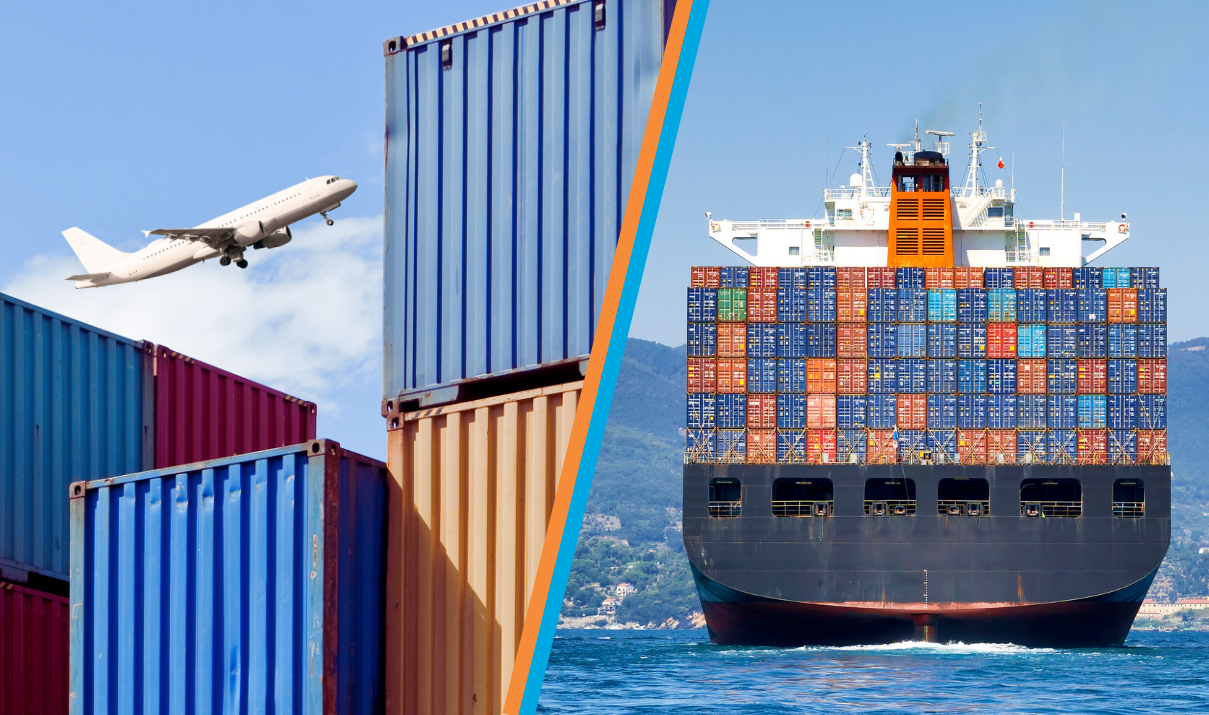
How Long Is 40HQ FCL Transit Time for Electronics from China to Los Angeles?
Shipping electronics in a 40HQ FCL container from China to Los Angeles is a critical supply chain step for many importers. Transit time directly impacts inventory planning, market launches, and customer satisfaction. This article explores the real 40HQ FCL transit time for electronics from China to Los Angeles, the factors that influence it, and how to optimize your shipping process for reliability and speed.
What Is the Typical 40HQ FCL Transit Time for Electronics from China to Los Angeles?

For most electronics shipments, the average 40HQ FCL transit time from major Chinese ports to Los Angeles ranges from 15 to 22 days by sea freight. However, this window can shift depending on the port of origin, carrier schedules, and seasonal demand. For example, shipments from Shanghai or Shenzhen may arrive faster than those from inland ports due to direct vessel routes and fewer transshipments. Accordingly, understanding these timelines is essential for accurate supply chain planning.
Which Factors Influence 40HQ FCL Transit Time for Electronics?
Several variables can affect the total transit time for electronics shipped in a 40HQ FCL container. These include:
- Port congestion at both origin and destination
- Carrier sailing schedules and frequency
- Customs clearance procedures in China and the US
- Weather conditions and unforeseen disruptions
- Peak shipping seasons and global logistics trends
Moreover, electronics are often high-value and time-sensitive, so any delay can have a significant impact on your business operations.
How Does the Shipping Process Work for Electronics from China to Los Angeles?
The shipping process for electronics in a 40HQ FCL container involves several coordinated steps. First, goods are consolidated and loaded at the supplier’s warehouse. Next, the container is transported to the port, where it undergoes export customs clearance. Afterward, the container is loaded onto a vessel for sea freight to Los Angeles. Upon arrival, the container is offloaded, cleared through US customs, and delivered to the final destination. Each stage can influence the overall 40HQ FCL transit time for electronics from China to Los Angeles.
What Are the Main Shipping Routes and Their Impact on Transit Time?
Most electronics shipments depart from major Chinese ports such as Shanghai, Shenzhen, Ningbo, and Qingdao. The most direct routes to Los Angeles use the Pacific Ocean, with vessels typically calling at the Port of Los Angeles or Long Beach. Direct sailings are generally faster, while transshipment routes may add several days to the journey. Additionally, carrier alliances and vessel sharing agreements can affect available schedules and transit reliability.
| Port of Origin | Destination | Direct Transit Time | Transshipment Time |
|---|---|---|---|
| Shanghai | Los Angeles | 15-18 days | 18-22 days |
| Shenzhen | Los Angeles | 16-19 days | 19-23 days |
| Ningbo | Los Angeles | 17-20 days | 20-24 days |
| Qingdao | Los Angeles | 18-21 days | 21-25 days |
How Do Customs and Documentation Affect Transit Time?
Customs clearance is a critical step that can either speed up or delay your shipment. Incomplete or incorrect paperwork often leads to inspections and holds, extending the 40HQ FCL transit time for electronics from China to Los Angeles. To avoid such issues, it is vital to work with a professional customs brokerage service that understands both Chinese and US import/export regulations. Additionally, pre-clearing documents and ensuring compliance with all product certifications can help streamline the process.
What Are the Cost and Service Comparisons for Different Shipping Methods?

While sea freight is the most common and cost-effective method for shipping electronics in a 40HQ FCL container, other options exist for urgent or high-value shipments. The table below compares the main shipping methods:
| Method | Cost | Transit Time | Best For |
|---|---|---|---|
| Sea freight (40HQ FCL) | Low | 15-22 days | Bulk, non-urgent electronics |
| Air freight | High | 3-7 days | Urgent, high-value electronics |
| Express service | Very High | 1-4 days | Samples, small urgent shipments |
How Can You Optimize 40HQ FCL Transit Time for Electronics?
Optimizing transit time requires a combination of planning, technology, and reliable partners. For example, booking space in advance during peak seasons can help avoid delays. Additionally, using digital tracking tools provides real-time updates, allowing you to respond quickly to any disruptions. Partnering with a trusted provider like TJ China Freight ensures you benefit from expert route planning, customs support, and proactive communication throughout the shipping process.
What Role Does Warehousing Play in Reducing Delays?
Warehousing solutions near the port of Los Angeles can significantly reduce last-mile delivery times. By leveraging warehousing services, you can quickly offload containers, store inventory, and schedule timely deliveries to your final destination. This approach is especially useful for electronics importers who need to manage fluctuating demand or coordinate distribution to multiple locations.

What Are the Latest Trends in Electronics Shipping from China to Los Angeles?
Logistics trends are constantly evolving. Recently, there has been a shift toward digitalization, with more companies adopting real-time tracking and automated documentation. Additionally, sustainability initiatives are influencing packaging and shipping choices. Many importers are also exploring door to door solutions to simplify the process and improve delivery reliability. These trends are shaping the future of 40HQ FCL transit time for electronics from China to Los Angeles.
What Real-World Cases Illustrate 40HQ FCL Transit Time for Electronics?
Case Study 1: Consumer Electronics from Shenzhen to Los Angeles
A leading electronics brand shipped a 40HQ FCL container of tablets from Shenzhen to Los Angeles. The shipment, valued at $180,000, departed Yantian Port and arrived at the Port of Los Angeles in 17 days. Customs clearance and final delivery took an additional 3 days, resulting in a total transit time of 20 days. The use of digital tracking and pre-cleared documents ensured a smooth process.
Case Study 2: Home Appliances from Shanghai to Los Angeles
An importer arranged a 40HQ FCL shipment of smart home devices from Shanghai. The container was loaded at the supplier’s warehouse, shipped directly to Los Angeles, and cleared customs in just 2 days. The total shipping cost was $6,800, and the entire process took 18 days from port to warehouse delivery.
Case Study 3: Audio Equipment from Ningbo to Los Angeles
A US distributor sourced a 40HQ FCL of audio equipment from Ningbo. The shipment faced minor port congestion, extending the sea transit to 21 days. However, by using local warehousing and express service for urgent items, the importer met all retail launch deadlines and avoided stockouts.
How Should You Prepare Documentation for Smooth Transit?
Proper documentation is essential for minimizing delays. Ensure all commercial invoices, packing lists, and bills of lading are accurate and complete. For electronics, compliance with US import regulations and certifications is critical. Working with an experienced import service provider can help you navigate complex requirements and avoid costly mistakes.
What Are the Cost Implications of Delays in 40HQ FCL Transit?
Delays in transit can lead to increased storage fees, missed sales opportunities, and higher logistics costs. The table below highlights potential extra costs:
| Delay Type | Cost Range (USD) | Impact |
|---|---|---|
| Port Congestion | $500 – $2,000 | Storage, demurrage |
| Customs Hold | $200 – $1,000 | Inspection, late fees |
| Missed Delivery | $300 – $1,500 | Re-delivery, lost sales |
To summarize, planning for contingencies and working with reliable partners can help you avoid these additional expenses.
Conclusion
In summary, 40HQ FCL transit time for electronics from China to Los Angeles typically ranges from 15 to 22 days, depending on the port of origin, shipping method, and customs procedures. By understanding the factors that influence transit time and leveraging expert logistics support, you can optimize your supply chain, reduce delays, and ensure your electronics reach the US market on schedule. Proactive planning, accurate documentation, and the right partners are key to success in today’s competitive electronics industry.
Ready to streamline your 40HQ FCL transit time for electronics from China to Los Angeles? Contact our team for a tailored shipping solution and discover how our expertise can help you achieve faster, more reliable deliveries every time.