

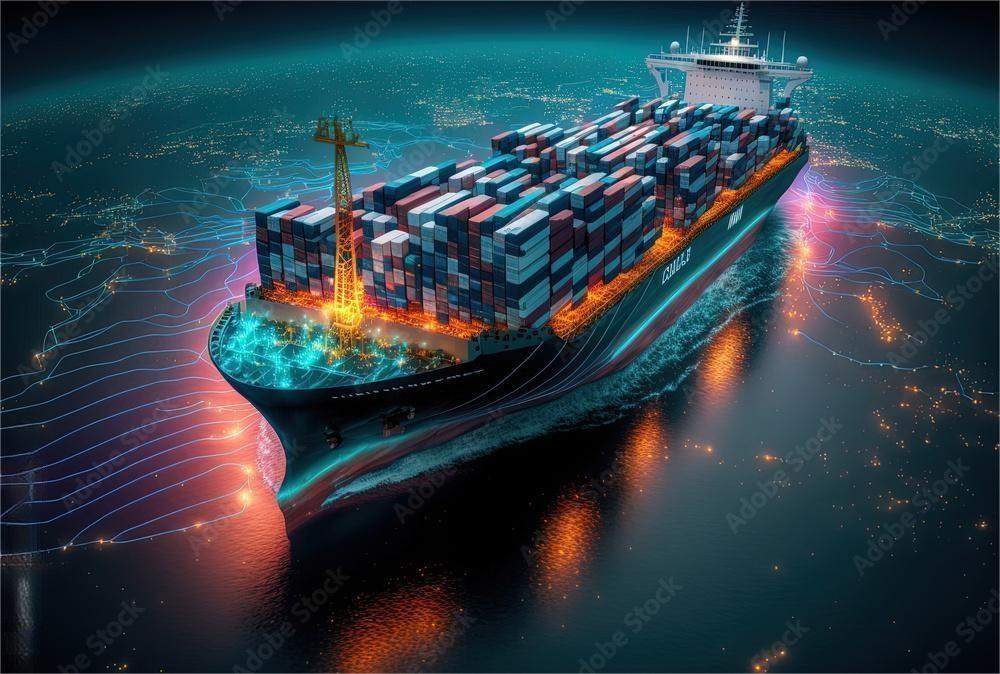
Flat Rack FCL insurance for machinery from China to Germany: 5 Best Options for Secure Shipping
Protecting your high-value assets during international transit is a top priority for any industrial business. When arranging Flat Rack FCL insurance for machinery from China to Germany, you must account for unique risks associated with oversized cargo. TJ China Freight provides specialized solutions to ensure your heavy equipment arrives safely and fully covered against unforeseen maritime incidents.

Understanding Flat Rack FCL Insurance for Machinery from China to Germany
Shipping industrial equipment requires more than just standard freight considerations because the cargo often exceeds standard container dimensions. Flat rack containers are essential for such tasks, yet they expose machinery to environmental elements and handling risks. Consequently, securing comprehensive insurance becomes a mandatory step in your logistics planning process.
Most standard policies do not automatically cover the complexities of out-of-gauge (OOG) shipments. You must verify that your policy specifically mentions flat rack configurations and the unique lashing requirements involved. For those utilizing sea freight, understanding the difference between All Risks and Total Loss Only coverage is vital.
Furthermore, the value of the machinery often dictates the premium and the level of scrutiny from underwriters. Insurance providers will typically require detailed photos of the cargo being secured to the flat rack. This documentation serves as proof that the loader followed all international safety standards before the vessel departed.
Why Machinery Requires Special Flat Rack Insurance Coverage
Machinery is inherently susceptible to vibration, moisture, and physical impact during a long journey from China to Europe. Because flat rack containers lack side walls or a roof, the equipment is more vulnerable than it would be in a standard dry van. Therefore, a specialized insurance policy must address potential rust, corrosion, and structural damage.
Moreover, the loading and unloading process for heavy machinery involves cranes and specialized equipment. Each touchpoint increases the probability of accidental damage that could halt your production line in Germany. In addition to physical damage, you should consider coverage for General Average, which protects you from shared losses in maritime emergencies.
Indeed, many importers overlook the fact that carrier liability is often limited by international conventions like the Hague-Visby Rules. These limits usually pay only a fraction of the actual value of modern industrial machinery. Consequently, a private insurance policy is the only way to ensure full financial recovery in the event of a total loss.
How Does Flat Rack FCL Insurance Compare to Other Shipping Options?
Choosing the right mode of transport involves balancing speed, cost, and risk management. While flat racks are the standard for OOG machinery, some smaller components might fit into other container types. However, for massive units, the alternatives are limited to breakbulk or specialized heavy-lift vessels.
Meanwhile, rail freight offers a middle ground for some machinery types, providing faster transit than sea but with different physical stresses. Each method requires a specific insurance rider to account for the unique motions of the transport vehicle. For example, rail shipments face different G-forces compared to the rolling motion of a container ship.
To summarize the differences, look at the table below which highlights how various methods compare for shipping machinery to Germany.
| Shipping Method | Cost Range | Transit Time | Best For |
|---|---|---|---|
| Flat Rack Sea | $3,500 – $6,500 | 30-40 Days | Oversized Machinery |
| Rail Freight | $5,500 – $9,000 | 18-22 Days | Standard Dimensions |
| Breakbulk | Custom Quote | 35-45 Days | Extreme Heavy Lift |
| Air Freight | $15,000+ | 5-8 Days | Urgent Spare Parts |
Factors Influencing Machinery Shipping Costs and Insurance Premiums
Several variables determine the final price you pay for both freight and insurance. The dimensions and weight of the machinery are the most significant factors, as they dictate the space used on the vessel. Additionally, the port of origin in China, such as Shanghai or Shenzhen, can impact the local handling fees.
Market data suggests that insurance premiums for flat rack cargo usually range from 0.3% to 0.7% of the total CIF value. This rate may fluctuate based on the age of the machinery and the quality of the packing. For instance, new machinery in custom wooden crates often attracts lower premiums than used, uncrated equipment.
Furthermore, seasonal demand can cause freight rates to spike by 15-25% during the peak season from August to October. Planning your shipment outside of these windows can lead to significant cost savings. Always request a detailed breakdown of all surcharges to avoid hidden costs at the destination.
| Container Type | 20ft Flat Rack | 40ft Flat Rack | Insurance Rate |
|---|---|---|---|
| Base Rate | $2,800 – $3,800 | $4,500 – $6,000 | 0.5% CIF |
| Peak Season | $3,500 – $4,500 | $5,500 – $7,500 | 0.6% CIF |
| Low Season | $2,200 – $3,000 | $3,800 – $5,000 | 0.4% CIF |

Essential Documentation for Customs Brokerage and Insurance Claims
Accurate documentation is the backbone of a successful import process and a valid insurance claim. You must ensure that the Commercial Invoice, Packing List, and Bill of Lading all reflect the exact specifications of the machinery. Any discrepancies can lead to delays in customs brokerage and potential denial of insurance coverage.
In addition, a Certificate of Origin is often required to benefit from specific trade agreements between China and the European Union. Without this document, you may be subject to higher duty rates upon arrival in Germany. Consequently, your logistics partner should review all paperwork at least a week before the ship departs.
Moreover, for insurance purposes, you must provide a lashing certificate issued by a professional surveyor. This document proves that the machinery was secured to the flat rack container according to international maritime standards. In the event of a claim, the insurance adjuster will ask for this certificate first to rule out negligence.
Transit Times and Routes for Machinery Shipping to Germany
Shipping from China to Europe typically involves several major routes through the Suez Canal. Most vessels depart from major hubs like Ningbo, Shanghai, or Qingdao and head toward German ports like Hamburg or Bremerhaven. The average transit time for sea freight is approximately 30 to 35 days under normal conditions.
However, recent global events have sometimes forced vessels to take longer routes around the Cape of Good Hope. This detour can add 10 to 15 days to the schedule and increase fuel surcharges. Therefore, it is important to stay updated on current maritime trends to adjust your delivery expectations accordingly.
Meanwhile, direct services are available from major Chinese ports, which reduce the risk of damage during transshipment. While transshipment via Singapore or Colombo might be slightly cheaper, it involves extra handling of the flat rack. For delicate machinery, the extra cost of a direct route is often a wise investment to minimize risk.
Real Case Studies of Machinery Shipping from China to Germany
Examining real-world examples helps illustrate the logistics and insurance process in action. These cases reflect typical scenarios handled by professional freight forwarders in the current market. By reviewing these details, you can better prepare for your own shipment of Flat Rack FCL insurance for machinery from China to Germany.
Case Study 1: CNC Machine Export to Hamburg
Route: Shanghai, China to Hamburg, Germany. Cargo: Precision CNC Milling Machine, 18 CBM, 12,500 kg. Container: 20ft Flat Rack. Shipping Details: Major carrier, Direct route. Ocean Freight: $3,200. Origin Charges: $450. Destination Charges: $600. Customs and Duties: $1,200. Total Landed Cost: $5,450. Timeline: 33 days total. Key Insight: Professional vacuum packing prevented salt air corrosion, which was fully covered by the insurance policy.
Case Study 2: Construction Excavator to Bremerhaven
Route: Shenzhen, China to Bremerhaven, Germany. Cargo: Hydraulic Excavator, 45 CBM, 22,000 kg. Container: 40ft Flat Rack (OOG). Shipping Details: Transshipment via Singapore. Ocean Freight: $5,800. Origin Charges: $800. Destination Charges: $950. Customs and Duties: $2,500. Total Landed Cost: $10,050. Timeline: 42 days total. Key Insight: The use of heavy-duty steel chains for lashing was documented by a surveyor, ensuring the insurance claim for a minor hydraulic leak was approved instantly.
Which Shipping Option Should You Choose for Heavy Equipment?
Your decision should be based on the specific dimensions of your machinery and your budget constraints. If the equipment is slightly over the width of a standard container, a flat rack is the most economical choice. However, if the cargo is exceptionally heavy or tall, you might need to look into door to door breakbulk services.
Budget priority: Choose sea freight on a flat rack with a standard All Risks insurance policy. This provides the best balance of cost and protection for most industrial applications. Speed priority: If your production line is down, air freight is the only option, but be prepared for costs that are five to ten times higher than sea freight.
Cargo type considerations: For very sensitive electronics within the machinery, ensure your insurance includes a ‘mechanical breakdown’ clause. Standard marine insurance often excludes internal failures unless there is evidence of external impact. Therefore, reading the fine print of your policy is essential before the machinery leaves the factory floor.

Final Thoughts on Insuring Machinery Shipments
To summarize, shipping heavy equipment involves a complex interplay of logistics, safety, and financial risk management. Flat Rack FCL insurance for machinery from China to Germany is not just an added expense; it is a critical safeguard for your business continuity. By choosing the right container type and a robust insurance policy, you mitigate the threats posed by the open sea.
Always remember to document the loading process and work with experienced partners who understand the nuances of OOG cargo. With the right preparation, your machinery will arrive in Germany ready for installation and operation. Note: Freight rates are subject to change based on fuel costs, carrier capacity, and seasonal demand. Contact us for a current quote tailored to your specific shipment.
Ready to streamline your logistics?
Securing the right Flat Rack FCL insurance for machinery from China to Germany is the final step in a successful logistics strategy. Do not leave your valuable investments to chance when professional coverage is readily available. Contact TJ China Freight today to receive a comprehensive quote and ensure your machinery is protected from port to port. Visit our website to start your inquiry now.
Request Quote