

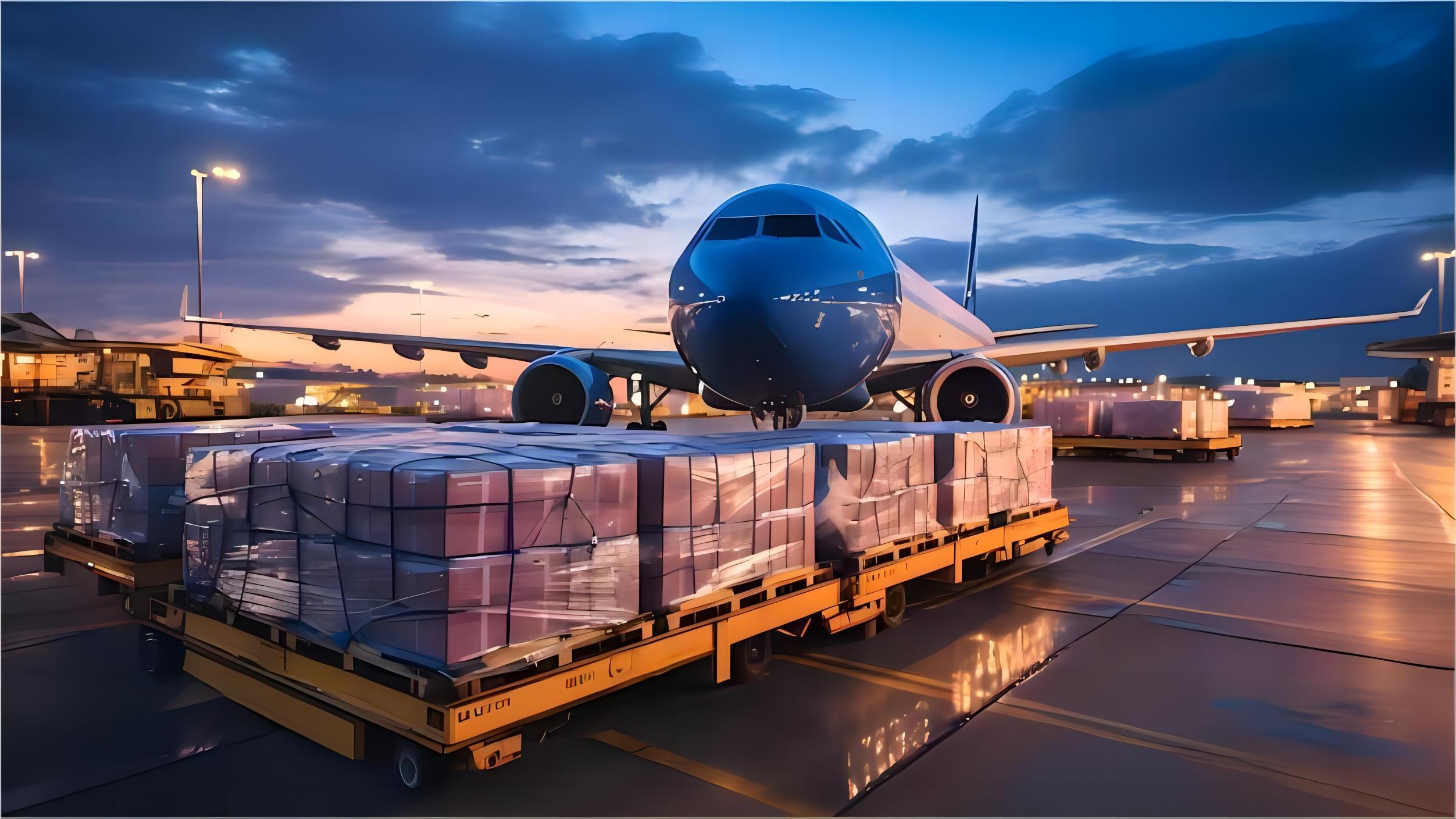
Demurrage Prevention for FCL Shipping from China to Texas: Expert Tips
Managing logistics costs requires a deep understanding of terminal operations and potential delays. Importers often face unexpected expenses when cargo sits too long at the port. TJ China Freight provides professional logistics solutions to help you navigate these challenges and ensure a smooth transit process. This guide focuses on effective demurrage prevention for FCL shipping from China to Texas to protect your bottom line.

What is Demurrage and Why Does it Affect Texas Shipments?
Demurrage refers to the fee charged by shipping lines when a full container remains inside the terminal beyond the allotted free time. These charges are intended to encourage the quick movement of equipment and prevent port congestion. In the context of Texas, major hubs like the Port of Houston often experience high volumes, making efficient turnaround critical.
Consequently, if your cargo is not cleared and picked up within the standard 4 to 7 days of free time, costs can escalate rapidly. Importers must recognize that these fees are separate from detention, which applies to equipment used outside the port. Therefore, proactive planning is the only way to maintain profitability during the import process.
Texas ports serve as vital gateways for the Southern United States, handling everything from electronics to industrial machinery. However, the sheer scale of operations means that any minor delay in documentation or drayage can lead to significant financial penalties. Understanding the local landscape is the first step toward successful demurrage prevention for FCL shipping from China to Texas.
Key Differences Between Demurrage and Detention in Texas Logistics
Distinguishing between demurrage and detention is essential for any business involved in international trade. While demurrage happens inside the terminal, detention fees are incurred when the importer holds the container outside the port for too long. Both fees are calculated on a per-day basis and can reach hundreds of dollars daily per container.
Specifically, detention often occurs during the drayage phase if the warehouse is unable to unload the container quickly. Meanwhile, demurrage is typically the result of customs clearance delays or lack of available truck power at the terminal. To avoid these costs, you must coordinate closely with your freight forwarder and local trucking partners.
Notably, some carriers offer combined free time, but this is not always the standard for every contract. Importers should always verify the specific terms of their Bill of Lading to understand exactly when the clock starts ticking. By monitoring these timelines, you can implement better demurrage prevention for FCL shipping from China to Texas.
Common Causes of Texas Port Congestion and Delays
Texas port congestion remains a primary driver of unexpected shipping expenses for many companies. Factors such as seasonal peaks, labor shortages, and terminal infrastructure projects can slow down the movement of containers. For instance, during the late summer months, the influx of holiday inventory often leads to longer wait times for berths.
Furthermore, weather events like hurricanes or heavy storms along the Gulf Coast can temporarily halt port operations. Such disruptions create a backlog that takes days or even weeks to clear, directly impacting your container turnaround time. Importers must stay informed about local conditions to adjust their delivery schedules accordingly.
Additionally, the rise in e-commerce has put a strain on the Dallas inland port logistics network. As more containers move from Houston to North Texas via rail or truck, the entire supply chain faces pressure. Using a reliable sea freight service can help you select carriers with better terminal priority.
Strategic Demurrage Prevention for FCL Shipping from China to Texas
Effective prevention starts long before the ship arrives at the Port of Houston or Port Freeport. First, you should always request an extended free time period during the initial booking phase. While carriers usually offer a standard window, experienced forwarders can often negotiate 10 to 14 days for high-volume shippers.
Second, ensuring that all documentation is accurate and submitted early is non-negotiable. Missing or incorrect paperwork is a leading cause of customs clearance delays that keep containers stuck in the yard. You should work with experts who understand the specific requirements for Texas imports.
Third, implementing a pre-pull strategy can be a lifesaver when terminal free time is running out. This involves moving the container to a private yard near the port to stop the demurrage clock even if the final warehouse is not ready. This approach significantly enhances demurrage prevention for FCL shipping from China to Texas.
| Strategy | Focus Area | Potential Saving | Ease of Implementation |
|---|---|---|---|
| Extended Free Time | Contract Negotiation | High ($200-500/day) | Moderate |
| Pre-Pull Services | Drayage Efficiency | Medium ($150-300/day) | Easy |
| Early Document Filing | Customs Clearance | Critical (Avoids all fees) | Moderate |
| Automated Tracking | Visibility | Variable | Easy |

How Does FCL Shipping Compare to Other Shipping Options?
While FCL shipping is the standard for large volumes, it is important to evaluate all available methods. For smaller shipments, LCL might seem cheaper, but it often carries a higher risk of terminal delays due to the consolidation process. In contrast, FCL allows for direct movement from the factory in China to your Texas facility.
Moreover, air freight offers unmatched speed but comes at a significantly higher price point. This is usually reserved for urgent cargo or high-value items where the cost of a stockout exceeds the shipping premium. For most industrial and consumer goods, sea freight remains the most economical choice for the China-Texas route.
Interestingly, rail-sea combinations are becoming more popular for reaching inland destinations like Austin or El Paso. These hybrid solutions can sometimes bypass the busiest coastal terminals, though they require complex coordination. Choosing the right method depends on your specific budget and urgency requirements.
| Shipping Method | Cost Range (40HQ) | Transit Time | Best For |
|---|---|---|---|
| FCL Sea Freight | $4,500 – $6,500 | 30-40 Days | Bulk Goods/Inventory |
| Air Freight | $15,000 – $25,000 | 5-8 Days | Urgent/High Value |
| LCL Sea Freight | $50 – $150 per CBM | 35-45 Days | Small Shipments |
| Sea-Air Hybrid | $8,000 – $12,000 | 15-20 Days | Balanced Priority |
The Role of Customs Brokerage in Avoiding Delays
Professional customs brokerage is your best defense against administrative bottlenecks. Brokers ensure that your HTS codes are correct and that all duties are paid promptly to the U.S. Customs and Border Protection. Any error in this stage can result in an intensive exam, which keeps your container in the port for weeks.
Indeed, many importers underestimate the complexity of Texas-specific agricultural or energy sector regulations. A local broker will be familiar with the nuances of the Port of Houston and can expedite the release process. Consequently, this speed is a vital component of demurrage prevention for FCL shipping from China to Texas.
Furthermore, utilizing a broker who offers automated filing can save precious hours during the arrival window. When the manifest is cleared before the ship even docks, your drayage team can schedule a pickup for the very first day of free time. This proactive stance is essential for maintaining a lean and efficient supply chain.
Case Study 1: Industrial Parts from Shenzhen to Houston
Case Study 1: Avoiding Peak Season Penalties
Route: Shenzhen, China to Houston, Texas
Cargo: Industrial Machinery Parts, 65 CBM, 18,000 kg
Container: 40HQ
Shipping Details:
– Carrier: COSCO
– Port of Loading: Yantian
– Port of Discharge: Houston (Barbours Cut Terminal)
– Route Type: Direct via Panama Canal
Cost Breakdown:
– Ocean Freight: $5,200
– Origin Charges: $450
– Destination Charges: $600
– Customs and Duties: $1,800
– Total Landed Cost: $8,050
Timeline:
– Booking to Loading: 5 days
– Sea Transit: 34 days
– Customs Clearance: 2 days
– Total Door-to-Door: 41 days
Key Insight: By negotiating 14 days of free time in advance, the importer avoided $1,200 in demurrage when a local warehouse strike delayed pickup for three days. Based on Q4 2024 market rates.

Case Study 2: Consumer Goods from Shanghai to Dallas
Case Study 2: Efficiency via Houston Gateway
Route: Shanghai, China to Dallas, Texas (via Houston)
Cargo: Textiles and Apparel, 58 CBM, 12,000 kg
Container: 40GP
Shipping Details:
– Carrier: Maersk
– Port of Loading: Shanghai
– Port of Discharge: Houston (Bayport Terminal)
– Route Type: Transshipment via Busan
Cost Breakdown:
– Ocean Freight: $4,800
– Origin Charges: $400
– Destination Charges: $550
– Customs and Duties: $3,200
– Total Landed Cost: $8,950
Timeline:
– Booking to Loading: 4 days
– Sea Transit: 38 days
– Customs Clearance: 3 days
– Total Door-to-Door: 45 days
Key Insight: Using a pre-pull service allowed the cargo to move to a Dallas-bound rail ramp before the 5-day free time expired at the port. Typical rates as of early 2025.
Shipping to North America: Navigating Texas Logistics
Shipping to North America requires a localized strategy for every state, and Texas is no exception. The state’s vast size means that the ‘last mile’ from the port to cities like San Antonio or Austin can be quite long. Therefore, your drayage partner must be reliable and have a strong presence in the Gulf region.
Moreover, the choice between the Panama Canal and the Suez Canal routes can affect your transit time and cost. Most shipments from China to Texas use the Panama Canal for a more direct path to the Gulf Coast. However, during periods of canal drought or congestion, some shippers opt for West Coast discharge followed by rail transport.
Consequently, staying flexible with your routing can help you avoid the worst of the congestion. A good freight forwarder will monitor these global trends and suggest the most stable path for your FCL containers. This level of oversight is a cornerstone of effective demurrage prevention for FCL shipping from China to Texas.
Which Option Should You Choose? Decision Framework
Deciding on the best shipping strategy requires balancing cost, speed, and reliability. If your primary goal is budget priority, then standard sea freight with a negotiated free time extension is the recommended option. This allows you to move large volumes at the lowest possible cost per unit.
On the other hand, if you have a speed priority, you might consider a premium ocean service with guaranteed space and accelerated terminal handling. While these services cost more, they significantly reduce the risk of your container getting buried in the stack. For very small or urgent batches, Amazon FBA or express services might be more appropriate.
Finally, for businesses requiring a hands-off approach, a door to door service is ideal. This model transfers all the logistical heavy lifting, including demurrage prevention, to the freight forwarder. It is often the best choice for companies without a dedicated in-house logistics team.
| Priority | Recommended Option | Key Benefit | Trade-off |
|---|---|---|---|
| Lowest Cost | Standard FCL | Maximum ROI | Higher Delay Risk |
| Maximum Speed | Air Freight | Fastest Delivery | Very High Cost |
| Ease of Use | Door to Door | Minimal Effort | Premium Pricing |
| Inventory Flow | LCL Shipping | Low Volume Flex | Handling Risks |
Mastering Your Texas Import Strategy
Successfully managing FCL shipments from China to Texas requires a combination of early planning, accurate documentation, and strong local partnerships. By understanding the causes of terminal delays and implementing pre-pull strategies, you can significantly reduce your exposure to demurrage fees. Remember that the cheapest shipping rate is not always the most cost-effective if it leads to thousands of dollars in penalties.
Therefore, investing in high-quality logistics support is essential for long-term success in the competitive Texas market. Focus on demurrage prevention for FCL shipping from China to Texas as a core part of your supply chain management. With the right approach, you can ensure your cargo arrives on time and within budget, every single time.
Ready to streamline your logistics?
Minimize your shipping risks and eliminate unnecessary port fees today. Contact TJ China Freight for a customized quote and expert guidance on demurrage prevention for FCL shipping from China to Texas. Visit bestchinafreight.com to start your inquiry.
Request Quote