

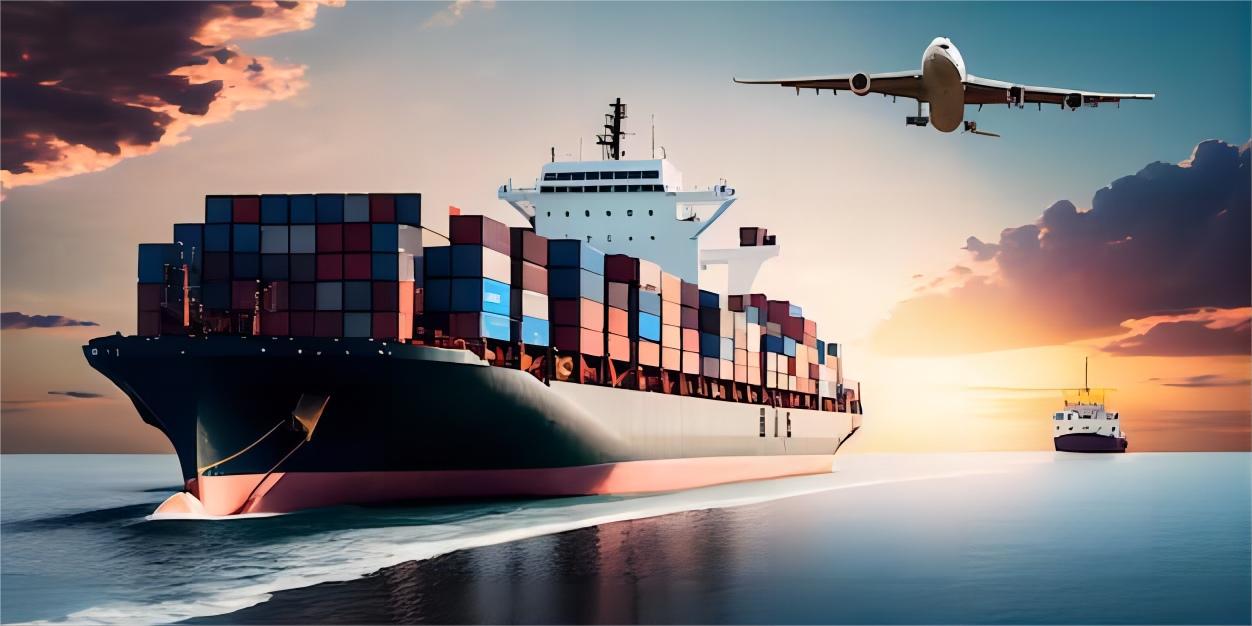
China FCL FOB Shipping to Norway: The Ultimate Professional Guide
Navigating the complexities of international trade requires a deep understanding of logistics and local regulations. When managing China FCL FOB shipping to Norway, businesses must balance speed, cost, and reliability to maintain a competitive edge. Partnering with a seasoned freight forwarder like TJ China Freight ensures that your cargo moves efficiently across the global supply chain. This guide provides actionable insights into the nuances of shipping full container loads under Free On Board terms to Norwegian ports.

What is China FCL FOB Shipping to Norway?
Full Container Load (FCL) refers to a shipping mode where one importer occupies an entire container for their goods. This method is often the most cost-effective solution for large volumes of cargo moving from China to Scandinavia. Specifically, using the Free On Board (FOB) incoterm means the seller is responsible for the goods until they are loaded onto the vessel at the Chinese port.
Consequently, the buyer assumes all costs and risks once the container is safely on board the ship. This arrangement allows Norwegian importers to have greater control over the ocean freight costs and the selection of the carrier. Moreover, it simplifies the transition of responsibility at a clearly defined point in the journey.
Importers frequently choose this method when they have enough volume to fill at least a 20-foot container. Additionally, FCL shipping reduces the risk of damage because the container is sealed at the origin and only opened at the destination. Therefore, it remains a preferred choice for high-value or fragile goods.
Why Choose FCL for Your Norway Shipments?
Opting for FCL provides several distinct advantages over Less than Container Load (LCL) shipping. First, FCL shipments generally have shorter transit times because they do not require consolidation or deconsolidation at warehouses. Indeed, the container moves directly from the port of loading to the port of discharge.
Furthermore, sea freight in full containers offers a lower cost per unit for bulk commodities. When shipping large quantities of electronics, machinery, or textiles, the economies of scale become very apparent. Meanwhile, the security of a dedicated container minimizes the chances of theft or contamination from other shippers’ cargo.
Norwegian businesses also benefit from the predictability of FCL schedules. Most major carriers offer weekly departures from Chinese hubs like Shanghai or Shenzhen to Oslo and Bergen. As a result, supply chain managers can plan their inventory levels with high precision.
How Does China FCL FOB Shipping to Norway Compare to Other Options?
Understanding the alternatives is crucial for optimizing your logistics budget and timeline. While FCL is the standard for bulk goods, other methods like air freight or rail freight might suit specific needs. For instance, air freight is significantly faster but comes at a much higher price point.
On the other hand, rail freight serves as a middle ground for shipments to certain parts of Europe. However, for Norway, the sea route remains the most dominant due to the country’s extensive coastline and maritime infrastructure. Consequently, sea-air hybrid solutions are rarely used for this specific corridor.
Choosing between FCL and LCL depends largely on your total volume. If your shipment exceeds 15 cubic meters, FCL is almost always the more economical choice. In contrast, LCL is better for small trial orders or startups with limited capital.
| Shipping Method | Cost Range | Transit Time | Best For |
|---|---|---|---|
| Sea Freight FCL | $2,500 – $4,500 | 35 – 45 Days | Bulk goods and large volumes |
| Sea Freight LCL | $80 – $150 per CBM | 40 – 50 Days | Small shipments under 15 CBM |
| Air Freight | $5.00 – $9.00 per kg | 5 – 8 Days | Urgent or high-value items |
| Rail Freight | $3,000 – $5,000 | 22 – 30 Days | Time-sensitive inland cargo |

Key Factors Influencing Shipping Costs to Norway
Several variables determine the final price you pay for ocean freight. Fuel surcharges, known as Bunker Adjustment Factors (BAF), fluctuate based on global oil prices. Additionally, peak season surcharges often apply during the busy months of August through October.
Port congestion and equipment shortages can also drive up rates unexpectedly. For example, a shortage of 40HQ containers in Ningbo might force prices higher for that specific equipment type. Therefore, booking your shipment at least 3-4 weeks in advance is highly recommended.
Customs duties and VAT in Norway are separate from the freight costs. Since Norway is not an EU member but part of the EEA, specific trade agreements may apply. Utilizing professional customs brokerage services can help you navigate these financial obligations efficiently.
| Container Type | Shanghai to Oslo | Shenzhen to Bergen | Ningbo to Oslo |
|---|---|---|---|
| 20GP Container | $2,100 – $2,600 | $2,200 – $2,700 | $2,150 – $2,650 |
| 40GP Container | $3,200 – $3,900 | $3,300 – $4,100 | $3,250 – $4,000 |
| 40HQ Container | $3,500 – $4,300 | $3,600 – $4,500 | $3,550 – $4,400 |
Major Ports Involved in China to Norway Routes
China boasts some of the world’s busiest ports, which serve as the starting point for your Norway-bound cargo. Shanghai, Ningbo-Zhoushan, and Shenzhen are the primary hubs for FCL exports. Each port offers different carrier options and sailing frequencies.
In Norway, the Port of Oslo is the largest gateway for containerized cargo. It handles a significant portion of the country’s imports, especially for the eastern region. Meanwhile, Bergen and Stavanger serve the western coast, primarily supporting the energy and seafood sectors.
Direct sailings from China to Norway are rare; most cargo transships through major European hubs like Rotterdam, Hamburg, or Bremerhaven. Consequently, the efficiency of the transshipment port can impact your total transit time. Indeed, choosing a carrier with a strong feeder network into Norway is essential.
Essential Documentation for Customs Clearance in Norway
Accurate documentation is the backbone of a successful import operation. Under FOB terms, the seller provides the initial export documents, but the importer must ensure everything is ready for Norwegian customs. The most critical document is the Bill of Lading, which acts as a title to the goods.
Furthermore, a detailed Commercial Invoice and Packing List are mandatory for every shipment. These documents must clearly state the value, quantity, and HS codes of the products. Failure to provide correct HS codes can lead to significant delays and potential fines.
Norway requires a Certificate of Origin for certain goods to verify trade agreement eligibility. Additionally, if you are importing specialized items like electronics or chemicals, you may need specific safety certifications. Managing this through door to door logistics providers can simplify the process significantly.

Case Study 1: Electronics from Shenzhen to Oslo
Route: Shenzhen, China to Oslo, Norway. Cargo: Consumer electronics, 65 CBM, 12,500 kg. Container: 1 x 40HQ. Shipping Details: Major carrier via Hamburg transshipment. Port of Loading: Yantian (Shenzhen). Port of Discharge: Oslo.
Cost Breakdown: Ocean Freight: $3,850. Origin Charges: $450. Destination Charges: $600. Customs and Duties: $4,200 (Estimated). Total Landed Cost: $9,100. Timeline: Booking to Loading: 5 days. Sea Transit: 38 days. Customs Clearance: 2 days. Total Door-to-Door: 45 days.
Key Insight: By using an 40HQ container, the client maximized the volume capacity, reducing the shipping cost per unit by 15 percent compared to previous LCL shipments. Based on Q4 2024 market rates, this was a highly efficient movement.
Case Study 2: Industrial Machinery from Shanghai to Bergen
Route: Shanghai, China to Bergen, Norway. Cargo: Spare parts and machinery, 28 CBM, 8,000 kg. Container: 1 x 20GP. Shipping Details: Direct carrier to Rotterdam, then feeder to Bergen. Port of Loading: Shanghai. Port of Discharge: Bergen.
Cost Breakdown: Ocean Freight: $2,400. Origin Charges: $400. Destination Charges: $550. Customs and Duties: $1,500 (Estimated). Total Landed Cost: $4,850. Timeline: Booking to Loading: 7 days. Sea Transit: 42 days. Customs Clearance: 3 days. Total Door-to-Door: 52 days.
Key Insight: The use of the FOB term allowed the importer to select a carrier with a reliable feeder service to Bergen, avoiding expensive overland transport from Oslo. Typical rates as of early 2025.
Cost-Saving Strategies for Importing to Norway
Reducing logistics expenses requires a proactive approach and strategic planning. One effective method is to consolidate orders from multiple suppliers into a single FCL container at a Chinese warehouse. This strategy, known as buyer’s consolidation, can significantly lower your total freight spend.
Moreover, always compare quotes from multiple freight forwarders to ensure you are getting market-competitive rates. While the lowest price is tempting, consider the reliability and transit time of the service. Sometimes, paying a slight premium for a faster route saves money on inventory holding costs.
Utilizing shipping from China to Europe expertise is vital for navigating the unique Norwegian market. Additionally, ensure your packaging is optimized to fit as much cargo as possible into the container. Every cubic meter of wasted space increases your landed cost per unit.
Which Option Should You Choose?
Selecting the right shipping strategy depends on your specific business priorities. If your primary goal is budget optimization and you have large volumes, FCL sea freight is the clear winner. This method provides the lowest cost per cubic meter for long-distance transport.
However, if speed is your priority for a product launch, air freight remains the only viable choice despite the cost. For shipments that are too large for air but too urgent for sea, rail freight offers a compelling alternative with a 20-30 day transit time.
Ultimately, the nature of your cargo also dictates the method. Heavy machinery and raw materials are best suited for FCL containers. In contrast, high-value electronics or perishables might justify the expense of faster transit modes. Always consult with your logistics partner to determine the best fit for your current inventory needs.
Mastering Your Norway Logistics Strategy
Successfully managing China FCL FOB shipping to Norway involves a combination of strategic planning, accurate documentation, and choosing the right partners. By understanding the benefits of FCL and the responsibilities inherent in FOB terms, importers can significantly reduce risks and costs. Moreover, staying informed about market trends and port operations allows for more agile decision-making.
Whether you are importing consumer goods to Oslo or industrial equipment to Bergen, the principles of efficiency remain the same. Always prioritize clear communication with your suppliers and freight forwarders to avoid common pitfalls. With the right approach, your China to Norway shipping route can become a robust competitive advantage for your business.

Ready to streamline your logistics?
Streamline your supply chain today by choosing the right partner for China FCL FOB shipping to Norway. Our team provides expert guidance and competitive rates to ensure your cargo arrives safely and on time. Contact us now to request a customized quote and experience hassle-free international logistics. Visit TJ China Freight to start your inquiry.
Request Quote