

Ship from China to Singapore: 2025 Complete Logistics Guide
Shipping goods from China to Singapore is a crucial part of many supply chains in Southeast Asia. However, the process involves more than just booking a container or a flight. You need to consider customs, delivery times, costs, and the right logistics partner. This guide will help you navigate your options, avoid common pitfalls, and ensure your cargo arrives safely and on time.
What Are the Main Shipping Methods to Singapore?
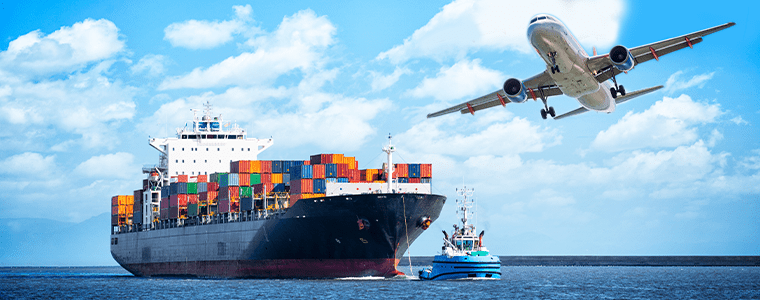
When you ship from China to Singapore, you can choose between sea freight and air freight. Rail freight is not available for this route due to geographical limitations. Each method has its own advantages, costs, and delivery times.

| Shipping Method | Typical Transit Time | Cost Level | Best For |
|---|---|---|---|
| Sea Freight | 5-12 days | Low | Large, heavy shipments |
| Air Freight | 1-3 days | High | Urgent, high-value goods |
For more details, see our sea freight and air freight service pages.
How Do You Choose the Right Shipping Method?
Selecting the best shipping method depends on your priorities—speed, cost, and cargo type. Sea freight is ideal for bulk shipments, while air freight is best for urgent or valuable goods.
| Criteria | Sea Freight | Air Freight |
|---|---|---|
| Cost | Low | High |
| Speed | Moderate | Fast |
| Cargo Size | Large/Heavy | Small/Light |
| Reliability | High | Very High |
If you need even faster delivery, express service is also available for time-critical shipments.
What Are the Key Cost Factors When Shipping to Singapore?
Shipping costs are influenced by several factors, including:
- Cargo size and weight
- Type of goods (some require special handling)
- Origin and destination
- Seasonal demand and fuel surcharges
- Customs duties and taxes
A transparent import service provider will help you understand all charges upfront and avoid hidden fees.
How Long Does Delivery from China to Singapore Take?
Transit times vary depending on the shipping method and route. Here’s a quick overview:
| Route Example | Estimated Time |
|---|---|
| Shanghai to Singapore (Sea) | 7-10 days |
| Shenzhen to Singapore (Sea) | 5-8 days |
| Beijing to Singapore (Air) | 1-2 days |
| Guangzhou to Singapore (Air) | 1-3 days |
Delays can occur due to customs checks, port congestion, or weather, so it’s wise to plan ahead.
What Documents Are Needed for Customs Clearance in Singapore?

Proper paperwork is crucial for smooth customs clearance. The main documents you’ll need include:
| Document | Purpose |
|---|---|
| Commercial Invoice | Declares value and contents |
| Packing List | Details package contents |
| Bill of Lading/Airway Bill | Proof of shipment |
| Certificate of Origin | Required for some products |
A professional customs brokerage service can help you avoid mistakes and delays.
What Are the Import Regulations in Singapore?
Singapore is known for its efficient customs procedures, but you must comply with all import regulations. Some goods require special permits or certificates. Duties and GST may apply depending on the product category. Working with an experienced forwarder ensures you stay compliant and avoid unnecessary costs.
How Can You Avoid Common Shipping Pitfalls?
International trade can be unpredictable. Here are some tips to keep your shipments on track:
- Double-check all documents before shipping
- Book early during peak seasons to secure space
- Insure valuable cargo with cargo insurance
- Use warehousing for flexible storage and distribution
- Track your shipment and stay in touch with your forwarder
What Value-Added Services Can Streamline Your Supply Chain?

A reliable logistics partner can offer more than just transport. Consider these services to make your supply chain more efficient:
- Door to door delivery for full convenience
- Amazon FBA prep and delivery for e-commerce sellers
- express service for urgent parcels
These options help you save time and reduce risk.
Why Work with a Professional Freight Forwarder?
Choosing the right partner is key to successful shipping. A good forwarder will:
- Advise on the best route and mode for your needs
- Handle all paperwork and customs procedures
- Offer transparent pricing with no hidden fees
- Provide regular updates and responsive support
TJ China Freight has years of experience helping businesses move goods between China and Southeast Asia.
Tips for Smooth Importing from China to Singapore
- Consolidate shipments to lower per-unit costs
- Understand local regulations to avoid surprises
- Plan for customs clearance time in your delivery schedule
- Communicate clearly with your suppliers and logistics provider
Shipping Method Comparison Table
| Feature | Sea Freight | Air Freight |
|---|---|---|
| Cost | Low | High |
| Speed | Moderate | Fast |
| Cargo Size | Large | Small |
| Reliability | High | Very High |
Conclusion
To successfully ship from China to Singapore, it’s important to plan ahead, choose the right shipping method, and work with a trusted logistics partner. By preparing the correct documents and understanding the process, you can ensure your goods arrive safely, on time, and at the best possible cost.
Ready to make your China-Singapore shipments simple and efficient? Contact TJ China Freight for a free quote and expert advice. Our team is here to help you every step of the way, from booking to delivery.

FAQs(click to expand and view )
Sea freight is usually the cheapest option for large or heavy shipments. For smaller or urgent cargo, air freight is faster but more expensive. Your choice depends on your budget and delivery needs.
Costs depend on cargo size, weight, shipping method, and destination. Additional fees may include customs duties, insurance, and handling. A good forwarder will provide a detailed quote based on your shipment details.
You’ll need a commercial invoice, packing list, bill of lading or airway bill, and sometimes a certificate of origin. Certain goods may require extra permits or certificates. Your forwarder can guide you through the process.
Yes, door to door service is available for both sea and air shipments. This means your forwarder handles everything from pickup in China to final delivery in Singapore, making the process much easier for you.
Plan ahead, ensure all documents are correct, and work with an experienced logistics provider. Booking early and staying in touch with your forwarder also helps prevent unexpected issues.