

- By Eren
- October 27, 2025
- Uncategorized
Spedition Seefracht China: The Complete Guide to Sea Freight from China
Spedition seefracht China is a critical part of global supply chains, especially for companies importing goods from China to Europe and other regions. With rising shipping costs, complex customs regulations, and the need for reliable delivery, understanding the ins and outs of sea freight from China is essential. This guide will help you navigate every step, from choosing the right shipping method to clearing customs and optimizing your logistics for cost savings and efficiency.
What Is Spedition Seefracht China?
Spedition seefracht China refers to the organization and management of sea freight shipments from China to international destinations. This includes booking containers, arranging transport, handling documentation, and ensuring compliance with customs regulations. For most importers, working with a professional sea freight forwarder is the key to a smooth and cost-effective shipping process.
What Shipping Options Are Available for Spedition Seefracht China?
The main shipping options for spedition seefracht China are Full Container Load (FCL) and Less than Container Load (LCL). Both options offer different advantages depending on your cargo volume, budget, and delivery schedule.
| Shipping Option | Best For | Cost Efficiency | Transit Time |
|---|---|---|---|
| FCL | Large shipments | High | 25-40 days |
| LCL | Small shipments | Flexible | 28-45 days |
FCL is ideal for companies with large volumes, while LCL is suitable for smaller loads.
How Are Sea Freight Costs from China Calculated?
Sea freight costs from China depend on several factors, including shipping method, container size, route, season, and additional services.

| Cost Component | Typical Range (USD) | Notes |
|---|---|---|
| Ocean Freight | $80 – $160/CBM | Mainline shipping cost |
| Port & Handling Fees | $200 – $500 | Loading, unloading, documentation |
| Customs & Duties | Varies | Based on cargo type and value |
| Insurance | $50 – $200 | Optional, recommended |
| Door-to-Door Service | $300 – $1,000 | Based on distance and delivery terms |
Additional costs may arise from door to door delivery or cargo insurance.
Which Are the Main Ports for Spedition Seefracht China?
The most important Chinese export ports are Shanghai, Shenzhen, Ningbo, and Qingdao. In Europe, Rotterdam, Hamburg, and Antwerp are key destinations.
| Origin Port | Destination Port | Typical Transit Time (Days) |
|---|---|---|
| Shanghai | Rotterdam | 28-35 |
| Ningbo | Hamburg | 30-40 |
| Shenzhen | Antwerp | 32-42 |
Choosing the right port can significantly impact both cost and delivery time.
What Documents Are Required for Spedition Seefracht China?
Proper documentation is essential for smooth customs clearance and accurate calculation of sea freight costs.

| Document | Purpose |
|---|---|
| Bill of Lading | Proof of shipment |
| Commercial Invoice | Details of goods and value |
| Packing List | Itemized list of cargo |
| Certificate of Origin | Verifies origin of goods |
| Import Licenses | Required for certain products |
A professional customs brokerage service can help ensure all paperwork is accurate and compliant with destination regulations.
How Does Customs Clearance Work for Sea Freight from China?
Customs clearance involves submitting all required documents, paying duties and taxes, and possibly undergoing inspections. Delays or errors can lead to extra costs, so working with an experienced freight forwarder is highly recommended.
How Can You Reduce Spedition Seefracht China Costs?
To optimize your sea freight costs from China, consider these strategies:
- Consolidate Shipments: Combine multiple orders to fill a container and lower per-unit costs.
- Plan Ahead: Book shipments early to avoid peak season surcharges.
- Negotiate Rates: Work with experienced freight forwarders for better pricing.
- Choose Efficient Routes: Select the nearest port to your destination.
- Use warehousing: Store goods closer to your customers for faster delivery and lower last-mile costs.
- Insure Your Cargo: Protect against loss or damage with cargo insurance.
What Are the Latest Logistics Trends for Spedition Seefracht China?
The logistics industry is evolving rapidly. Key trends include:
- Digitalization: Online booking, tracking, and document management.
- Integrated Services: Combining shipping, customs, and last-mile delivery for seamless logistics.
- Sustainability: Focus on eco-friendly shipping solutions.
- Supply Chain Resilience: Diversifying routes and partners to minimize risk.
How to Choose the Right Freight Forwarder for Sea Freight from China?
Selecting the right partner is crucial for reliability and cost efficiency. An experienced provider like TJ China Freight offers transparent pricing, real-time tracking, and comprehensive support. Leveraging import service can also simplify the process and help avoid hidden costs.
What Value-Added Services Support Spedition Seefracht China?

Value-added services can enhance your shipping experience and help control costs:
- Door to door delivery: Complete logistics from supplier to final destination.
- Warehousing: Temporary storage and inventory management.
- Express service: For urgent or time-sensitive shipments.
- Amazon FBA: For e-commerce sellers shipping to European fulfillment centers.
How Does Container Insurance Impact Sea Freight from China?
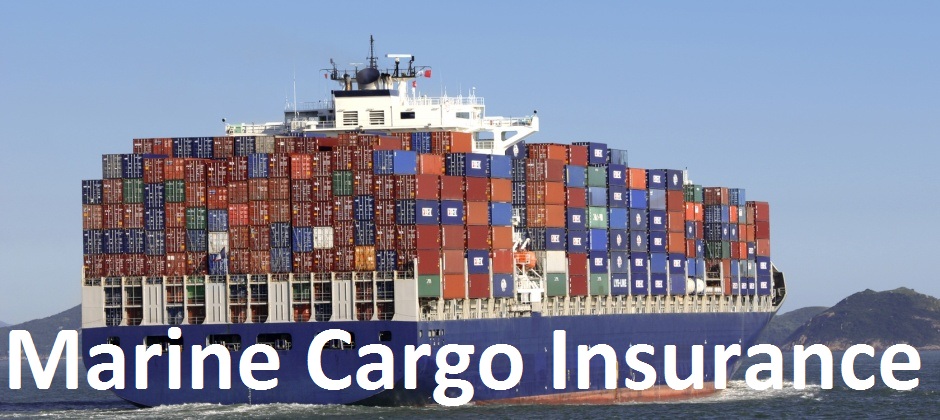
While not mandatory, cargo insurance is highly recommended for all sea freight shipments. Insurance costs are typically a small percentage of the cargo value but provide peace of mind against loss, theft, or damage during transit.
Conclusion
Spedition seefracht China is the key to an efficient and cost-effective supply chain for many businesses. With the right strategy, experienced partners, and modern logistics solutions, you can reduce costs, optimize delivery times, and minimize risks. Whether you choose FCL, LCL, or door to door, staying informed and proactive keeps your business competitive.
Looking to optimize your spedition seefracht China? TJ China Freight offers tailored solutions, expert advice, and competitive rates for your global shipping needs.

FAQs(click to expand and view )
The cost varies depending on route, season, and additional services. On average, a 20ft container costs between $2,000 and $4,000, while a 40ft container ranges from $3,500 to $7,000. Factors like fuel surcharges, port fees, and customs duties can affect the final price.
Transit times typically range from 25 to 45 days, depending on the origin and destination ports as well as the chosen route. Delays due to port congestion or customs clearance are possible, so early planning is recommended.
Essential documents include the bill of lading, commercial invoice, packing list, certificate of origin, and any necessary import licenses. Complete and accurate documentation is crucial for smooth processing.
Yes, many freight forwarders offer door to door services, handling the entire process from pickup at the supplier in China to delivery at the final destination in Europe or elsewhere. This simplifies logistics and saves time.
Proper packaging, professional handling, and choosing reliable carriers are essential. Cargo insurance provides additional protection against loss or damage. Working with experienced freight forwarders ensures your goods are packed, loaded, and transported safely.