

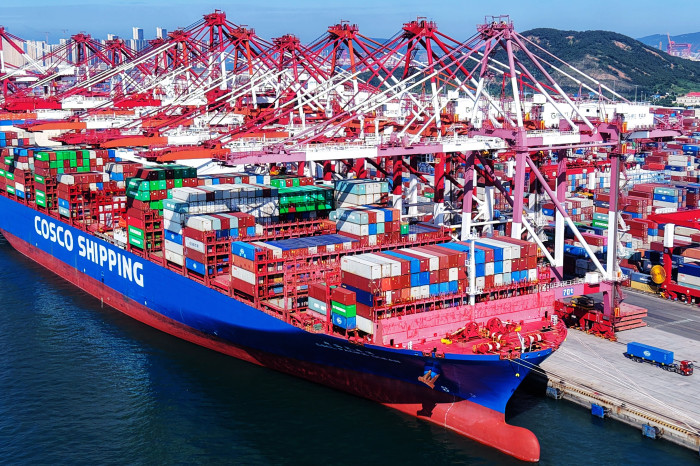
Sea Freight China to Australia: The Complete 2025 Guide for Efficient Shipping
Shipping by sea freight China to Australia is the backbone of trade between these two major economies. However, importers often face challenges such as fluctuating shipping costs, customs complexities, and unpredictable delivery times. This comprehensive guide will help you master every step of the process, ensuring your sea freight from China to Australia is efficient, cost-effective, and reliable.
What Are the Main Sea Freight Routes from China to Australia?
The most common sea freight routes connect major Chinese ports like Shanghai, Shenzhen, Ningbo, and Guangzhou with key Australian ports such as Sydney, Melbourne, Brisbane, and Fremantle. These routes are serviced by leading shipping lines, offering both FCL (Full Container Load) and LCL (Less than Container Load) options.

| Route (Port to Port) | Typical Transit Time |
|---|---|
| Shanghai to Sydney | 12–18 days |
| Shenzhen to Melbourne | 13–19 days |
| Ningbo to Brisbane | 14–20 days |
| Guangzhou to Fremantle | 15–22 days |
Customs clearance and local delivery can add extra days to the total shipping time.
How Is the Shipping Cost for Sea Freight China to Australia Calculated?
Shipping costs depend on several variables:
- Container type: FCL is more cost-effective for large shipments, while LCL is ideal for smaller loads.
- Cargo volume and weight: Heavier and bulkier shipments cost more.
- Port charges and handling fees: Vary by port and service provider.
- Customs duties and taxes: Based on product type and value.
- Additional services: Such as cargo insurance or warehousing.
| Cost Component | FCL (USD) | LCL (USD/CBM) |
|---|---|---|
| Ocean Freight | 1,200–1,200–2,000 | 80–80–150 |
| Port Charges | 250–250–500 | 40–40–80 |
| Customs Clearance | 100–100–300 | 100–100–300 |
| Local Delivery | 150–150–400 | 150–150–400 |
For the most accurate quote, consult a trusted sea freight provider.
What Are the Main Container Options for Sea Freight to Australia?
Choosing the right container is crucial for cost and cargo safety:
| Container Type | Volume (CBM) | Typical Use Case |
|---|---|---|
| 20’ | 28 | Small to medium loads |
| 40’ | 58 | Large or heavy shipments |
FCL is best for full loads, while LCL allows you to share container space and pay only for the volume you use.
What Documents Are Required for Sea Freight China to Australia?

Proper documentation is essential for smooth customs clearance and timely delivery. The main documents include:
| Document | Purpose | Who Prepares It |
|---|---|---|
| Bill of Lading | Proof of shipment | Forwarder/Carrier |
| Commercial Invoice | Declares value and contents | Shipper |
| Packing List | Details cargo packaging | Shipper |
| Import Permit | Regulatory compliance | Importer |
Professional customs brokerage services can help you avoid delays and penalties.
How Can You Reduce Sea Freight Costs from China to Australia?
To optimize your shipping budget:
- Consolidate shipments: Combine multiple orders to fill a container.
- Plan ahead: Book space early, especially during peak seasons.
- Use door to door services: Simplifies logistics and can reduce hidden costs.
- Insure your cargo: Protects against loss or damage, saving money in the long run.
- Leverage import service: Ensures compliance and avoids costly mistakes.
By working with an experienced forwarder, you can identify the best strategies for your business.
What Are the Main Challenges in Sea Freight from China to Australia?

Importers often face issues such as:
- Port congestion: Can cause delays, especially during peak seasons.
- Customs delays: Incomplete or inaccurate paperwork leads to hold-ups.
- Hidden fees: Unexpected charges for storage, demurrage, or handling.
- Cargo damage: Poor packing or lack of cargo insurance increases risk.
Proactive planning and expert support help you avoid these common pitfalls.
How Do Shipping Companies in China Support Australia-Bound Shipments?
A reliable forwarder like TJ China Freight offers:
- End-to-end logistics: From pickup in China to delivery in Australia.
- Customs clearance: Expert handling of all documentation and compliance.
- Warehousing: Flexible storage solutions in China and Australia.
- Cargo insurance: Protection against loss or damage.
- Real-time tracking: Stay updated on your shipment’s status.
What Are the Latest Trends in China-Australia Sea Freight?
The logistics industry is evolving rapidly. Key trends include:
- Digitalization: Online booking, real-time tracking, and automated documentation.
- Sustainability: Eco-friendly packaging and green shipping initiatives.
- Integrated solutions: Combining freight, customs, and last-mile delivery for seamless service.
- Flexible warehousing: On-demand storage to manage inventory fluctuations.
Staying updated with these trends helps you stay competitive and responsive to market changes.
How to Choose the Right Freight Forwarder for Sea Freight China to Australia?
Selecting the right partner is crucial for successful shipping. Consider:
- Experience: Proven track record in China-Australia logistics.
- Service range: Ability to handle FCL, LCL, and value-added services.
- Network: Strong relationships with carriers and customs agents.
- Transparency: Clear pricing and communication.
- Customer support: Responsive and proactive problem-solving.
A trusted partner like TJ China Freight can make all the difference in your shipping experience.
What Are the Pros and Cons of Sea Freight vs. Air Freight to Australia?
| Factor | Sea Freight | Air Freight |
|---|---|---|
| Cost | Lowest per unit | Higher per unit |
| Speed | Slow (12–22 days) | Fast (2–5 days) |
| Cargo Size | Large/bulky | Small/urgent |
| Reliability | Weather/port delays | More predictable |
| Environmental | Lower emissions per unit | Higher emissions |
For most businesses, sea freight is the best choice for large, non-urgent shipments, while air freight is reserved for urgent or high-value goods.
Conclusion
Shipping by sea freight China to Australia is a cost-effective and reliable solution for businesses of all sizes. By understanding the process, planning ahead, and partnering with an experienced forwarder, you can ensure your shipments arrive safely, on time, and within budget.
Ready to streamline your sea freight China to Australia? Contact our team for a tailored solution, request a quote, or learn more about our end-to-end logistics services. Let us help you simplify your supply chain and grow your business with confidence.

FAQs(click to expand and view )
The average port-to-port transit time is 12 to 22 days, depending on the origin and destination ports. Customs clearance and local delivery may add extra days to the total shipping timeline.
Total cost includes ocean freight, port charges, customs clearance fees, local delivery, and any additional services like insurance or warehousing. The best way to get an accurate estimate is to request a detailed quote from your freight forwarder, specifying your cargo details and required services.
Key documents include the bill of lading, commercial invoice, packing list, and import permit. Depending on your cargo, you may also need certificates of origin or other regulatory documents. Accurate paperwork is essential for smooth customs clearance and timely delivery.
Yes, many freight forwarders offer door-to-door sea freight services. This means your goods are picked up from your supplier in China and delivered directly to your address in Australia, covering all steps from export clearance to final delivery.
Main risks include cargo damage, delays due to port congestion or customs issues, and unexpected fees. To minimize these risks, work with an experienced forwarder, insure your cargo, and ensure all documentation is accurate and complete.