

Container China: The Ultimate Guide to Shipping, Costs, and Logistics
Are you looking for the most efficient way to manage a container from China? Many importers face challenges with container selection, shipping costs, and customs procedures. This guide will help you understand every aspect of container China, from choosing the right type to optimizing your supply chain and avoiding costly mistakes.
What Types of Containers Are Available from China?
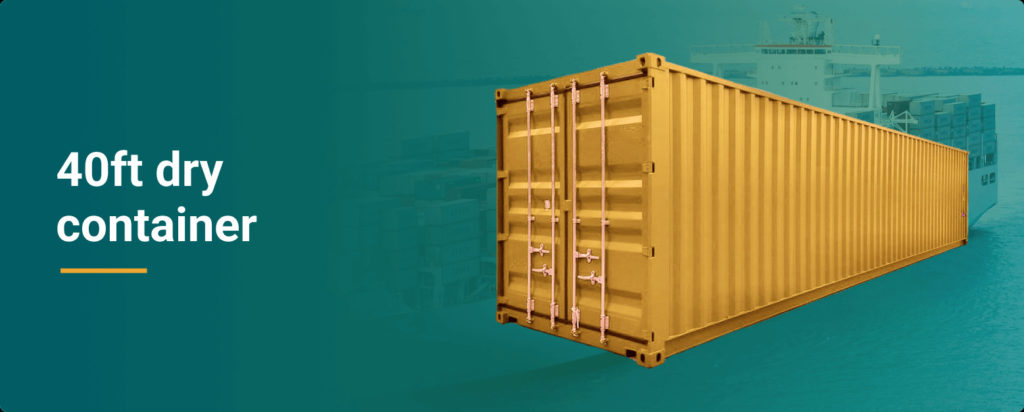
When shipping from China, you can choose from several container types, each suited for different cargo needs:
| Container Type | Size (ft) | Best For | Common Use Cases |
|---|---|---|---|
| Standard Dry | 20/40 | General cargo | Electronics, textiles |
| High Cube | 40 | Voluminous, light goods | Furniture, machinery |
| Reefer | 20/40 | Temperature-sensitive | Food, pharmaceuticals |
| Open Top/Flat | 20/40 | Oversized cargo | Machinery, vehicles |
For most shipments, a standard 20ft or 40ft container is the best choice. Sea freight providers can help you select the right option.
How Does Container Shipping from China Work?
The container shipping process involves several key steps:
- Cargo Pickup: Goods are collected from your supplier or warehouse.
- Container Stuffing: Cargo is loaded and secured in the container.
- Export Customs Clearance: Managed by a customs brokerage partner in China.
- International Shipping: Container is shipped by sea to the destination port.
- Import Customs Clearance: Handled at the destination country.
- Final Delivery: Container is delivered to your warehouse or customer, often via door to door service.
What Is the Cost of a Container from China?

Container shipping costs depend on several factors:
- Container size (20ft, 40ft, high cube)
- Origin and destination ports
- Cargo type and weight
- Seasonal demand and market trends
- Additional services (e.g., cargo insurance, warehousing)
| Container Type | Estimated Cost (USD) | Transit Time |
|---|---|---|
| 20ft FCL | $2,000 – $3,800 | 15-35 days |
| 40ft FCL | $3,500 – $6,000 | 15-35 days |
| LCL (per CBM) | $120 – $250 | 18-40 days |
For the most accurate quote, contact your sea freight provider.
What’s the Difference Between FCL and LCL Container Shipping?
| Shipping Mode | Description | Best For | Pros & Cons |
|---|---|---|---|
| FCL | Full Container Load – one shipper | Large, single shipments | Lower cost per unit, less handling |
| LCL | Less than Container Load – shared | Small, mixed cargo | Flexible, but more handling |
FCL is ideal for bulk shipments, while LCL (container compartilhado) is perfect for smaller loads.
What Documents Are Required for Container Shipping from China?

Proper documentation is essential for smooth customs clearance. Here’s a checklist:
| Document | Purpose | Provided By |
|---|---|---|
| Commercial Invoice | Declares value of goods | Shipper |
| Packing List | Details of shipment | Shipper |
| Bill of Lading | Proof of shipment | Carrier |
| Import Permit | Required for certain goods | Consignee |
| Certificate of Origin | Proves goods’ origin | Shipper |
A professional import service can help you prepare and submit all necessary paperwork.
How Long Does It Take to Ship a Container from China?
Transit times depend on the shipping method and destination:
| Route | Port-to-Port | Door-to-Door |
|---|---|---|
| China to North America | 15-25 days | 20-35 days |
| China to Europe | 18-30 days | 22-40 days |
| China to Australia | 12-22 days | 15-25 days |
| China to Asia | 5-15 days | 7-18 days |
Delays can occur due to customs inspections or peak season congestion, so always plan ahead.
How to Optimize Container Shipping Costs from China?
To save money and avoid surprises:
- Book early to secure better rates, especially during peak season.
- Consolidate shipments to maximize container space.
- Choose the right Incoterms to clarify cost responsibilities.
- Leverage warehousing for flexible storage and inventory management.
- Insure your cargo with cargo insurance to protect against loss or damage.
What Value-Added Services Can Enhance Container Shipping from China?

Consider these services for a smoother experience:
- Door to door delivery for seamless logistics
- Amazon FBA prep if you sell on e-commerce platforms
- Express service for urgent documents or samples
These services reduce risk, save time, and ensure your cargo arrives safely and on schedule.
How to Choose the Right Container Shipping Partner in China?
When selecting a forwarder, consider:
- Experience with container shipping and global trade lanes
- Transparent, all-inclusive pricing
- Strong network for sea freight and local delivery
- Value-added services like warehousing and cargo insurance
- Positive customer reviews and proven track record
A trusted partner like TJ China Freight can make your shipping process smooth and worry-free.
What Are the Latest Trends in Container Shipping from China?
The logistics industry is evolving rapidly. Key trends include:
- Increased demand for door to door solutions
- Digitalization of shipping documentation and tracking
- Focus on supply chain resilience and risk management
- Growing e-commerce shipments from China
- Emphasis on sustainability and green logistics
Staying updated on these trends helps you optimize your shipping strategy and remain competitive.
Conclusion
Container China shipping can be straightforward and cost-effective with the right planning and logistics partner. By understanding your options, preparing accurate documentation, and leveraging value-added services, you can ensure timely delivery and avoid unnecessary expenses. Whether you’re a first-time importer or a seasoned business, working with an experienced freight forwarder is the key to success.
Ready to optimize your container China shipping? Contact TJ China Freight for a tailored quote and expert guidance. Our team will handle every detail, so you can focus on growing your business.

FAQs(click to expand and view )
The most cost-effective method is FCL sea freight, especially for large or heavy shipments. FCL offers lower per-unit costs and is ideal for bulk cargo. For smaller shipments, LCL is available, but the per-unit cost may be higher.
To avoid delays, ensure all documentation is accurate and complete, including commercial invoices, packing lists, and import permits if required. Working with an experienced customs brokerage or freight forwarder can help you navigate import regulations and minimize the risk of inspections or holds.
Yes, with door to door delivery services, your goods can be shipped directly from your supplier in China to your customer’s address. This service simplifies logistics, reduces handling, and ensures a seamless delivery experience.
China restricts or prohibits certain items, including firearms, rare cultural artifacts, some chemicals, and specific food products. Always check the latest Chinese export regulations or consult your freight forwarder before shipping to ensure compliance and avoid penalties.
Most freight forwarders provide online tracking tools or regular shipment updates. You’ll receive a tracking number or bill of lading reference, allowing you to monitor your cargo’s status from departure to final delivery. Regular communication with your logistics provider ensures you stay informed throughout the shipping process.