

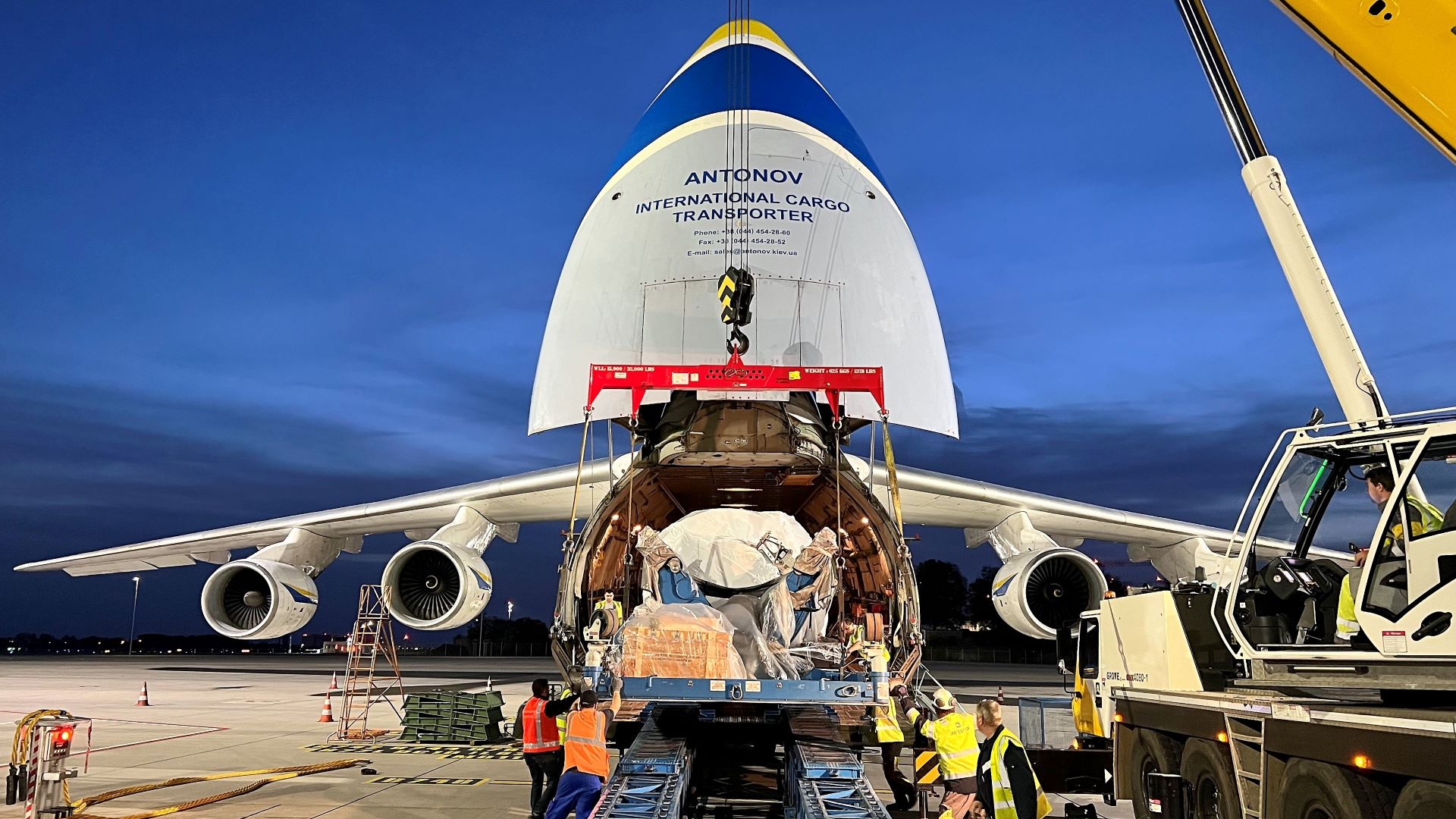
Shipping from China to South Korea: The 2025 Complete Guide
Are you looking for the most efficient and cost-effective solution for shipping from China to South Korea? With increasing trade between these two countries, understanding your shipping options, costs, and customs requirements is essential for a smooth supply chain. This guide will help you navigate the process, compare methods, and optimize your logistics for success.
What Are the Main Shipping Methods from China to South Korea?
When it comes to shipping from China to South Korea, the two primary options are sea freight and air freight. Each method has its own advantages, costs, and ideal use cases.

| Shipping Method | Typical Cost (USD) | Transit Time | Best For |
|---|---|---|---|
| Sea Freight | 80–80–150/CBM | 2–7 days | Bulk, non-urgent cargo |
| Air Freight | 3.50–3.50–6.00/kg | 1–3 days | Urgent, high-value goods |
For most commercial shipments, sea freight is the preferred choice due to its cost efficiency and frequent sailings.
How Does Sea Freight from China to South Korea Work?
Sea freight is ideal for large or heavy shipments that are not time-sensitive. Major Chinese ports such as Shanghai, Qingdao, and Ningbo offer regular sailings to Busan and Incheon in South Korea.
| Route | Transit Time | Frequency | Notes |
|---|---|---|---|
| Shanghai – Busan | 2–3 days | Daily/Weekly | Fastest sea route |
| Ningbo – Incheon | 3–5 days | Weekly | Reliable for LCL/FCL |
| Qingdao – Busan | 2–4 days | Weekly | Good for bulk cargo |
Sea freight is available as both FCL (Full Container Load) and LCL (Less than Container Load), making it flexible for different shipment sizes.
What Are the Advantages of Air Freight from China to South Korea?
Air freight is the fastest way to move goods between China and South Korea, making it ideal for urgent, high-value, or perishable shipments. Major airports like Shanghai Pudong (PVG), Guangzhou (CAN), and Beijing (PEK) connect directly to Seoul Incheon (ICN) and Busan (PUS).

| Air Freight Option | Transit Time | Typical Cost (USD/kg) | Best For |
|---|---|---|---|
| Standard | 1–3 days | 3.50–3.50–6.00 | General cargo |
| Express | 1–2 days | 6.00–6.00–10.00 | Urgent, small parcels |
For time-sensitive shipments, air freight is the best solution.
How Are Shipping Costs from China to South Korea Calculated?
Shipping costs depend on several factors, including cargo weight and volume, shipping method, delivery speed, and value-added services. Here’s a breakdown:
| Cost Component | Typical Range (USD) | Notes |
|---|---|---|
| Sea Freight (LCL/CBM) | 80–80–150 | Port to port |
| Air Freight (per kg) | 3.50–3.50–6.00 | Airport to airport |
| Express (per kg) | 6.00–6.00–10.00 | Door to door |
Additional services like cargo insurance, warehousing, and door to door delivery can add value and security to your supply chain.
What Documents Are Required for Shipping to South Korea?

Proper documentation is essential for smooth customs clearance and timely delivery. Here’s a checklist:
| Document | Purpose | Who Provides |
|---|---|---|
| Commercial Invoice | Value declaration | Shipper |
| Packing List | Cargo details | Shipper |
| Bill of Lading | Proof of shipment | Carrier |
| Import License | Regulatory compliance | Importer |
A professional customs brokerage can help you avoid delays and ensure compliance with Korean regulations.
How Does Door-to-Door Shipping Work from China to South Korea?
Door-to-door shipping simplifies logistics by managing every step, from pickup at your supplier’s warehouse in China to final delivery in South Korea. This service is especially useful for businesses without a local logistics team. It typically includes customs clearance, inland transportation, and last-mile delivery.
How Can You Reduce Shipping Costs from China to South Korea?
Here are some proven strategies to optimize your shipping expenses:
- Consolidate shipments: Combine multiple orders to fill containers and get better rates.
- Plan ahead: Book early to avoid peak season surcharges.
- Negotiate with agents: Get quotes from multiple providers.
- Use import service: Professional import handling can prevent costly mistakes.
- Leverage value-added services: Warehousing and insurance can help avoid delays and losses.
What Are the Pros and Cons of Each Shipping Method?
| Method | Pros | Cons |
|---|---|---|
| Sea Freight | Low cost, high capacity | Slower transit |
| Air Freight | Fast, reliable | Higher cost |
| Express | Fastest, door-to-door | Highest cost, small parcels |
For small, urgent shipments, express service is a practical choice.
How Does Amazon FBA Shipping Work for South Korea?
If you’re selling on Amazon, amazon fba shipping services from China can simplify your logistics. FBA shipments require strict compliance with Amazon’s requirements, including labeling, packaging, and delivery schedules. Using a forwarder experienced in FBA can help you avoid compliance issues and ensure your products reach Amazon warehouses on time.
How to Get an Accurate Shipping Quote from China to South Korea?
To receive a precise quote for shipping from China to South Korea, provide your agent with:
- Cargo details (weight, dimensions, type)
- Origin and destination addresses
- Preferred shipping method
- Required services (insurance, warehousing, etc.)
- Delivery deadlines
A reputable company like TJ China Freight can help you navigate these requirements and find the best solution.
Conclusion
Choosing the right solution for shipping from China to South Korea is essential for a successful import or export business. By understanding your options, comparing costs and transit times, and leveraging value-added services, you can optimize your supply chain and avoid unnecessary expenses. Whether you need sea, air, or express shipping, working with an experienced logistics partner ensures your cargo arrives safely and on time.
Looking for a reliable partner for shipping from China to South Korea? Contact TJ China Freight for a tailored quote and expert advice. Our team is dedicated to helping you save on shipping costs while ensuring your cargo arrives safely and on time.

FAQs(click to expand and view )
Sea freight is usually the most cost-effective method for large or heavy shipments. For smaller or urgent parcels, air freight or express services may be more suitable, though they come at a higher price. Always compare rates and transit times before choosing.
Sea freight typically takes 2–7 days, depending on the ports and route. Air freight is much faster, usually 1–3 days, while express courier services can deliver in as little as 1–2 days. Customs clearance and local delivery may add extra time.
You’ll need a commercial invoice, packing list, bill of lading or airway bill, and, in some cases, an import license or certificate. Your shipping agent or customs broker can assist in preparing and submitting these documents to ensure smooth clearance.
Yes, most reputable shipping agents and couriers provide real-time tracking for sea, air, and express shipments. This allows you to monitor your cargo’s status from departure to delivery, helping you manage your supply chain and respond quickly to any issues.
To lower costs, consolidate shipments, plan ahead to avoid peak season surcharges, negotiate rates, and choose the most suitable shipping method for your cargo. Using professional import and customs services can also help prevent costly delays and errors.