

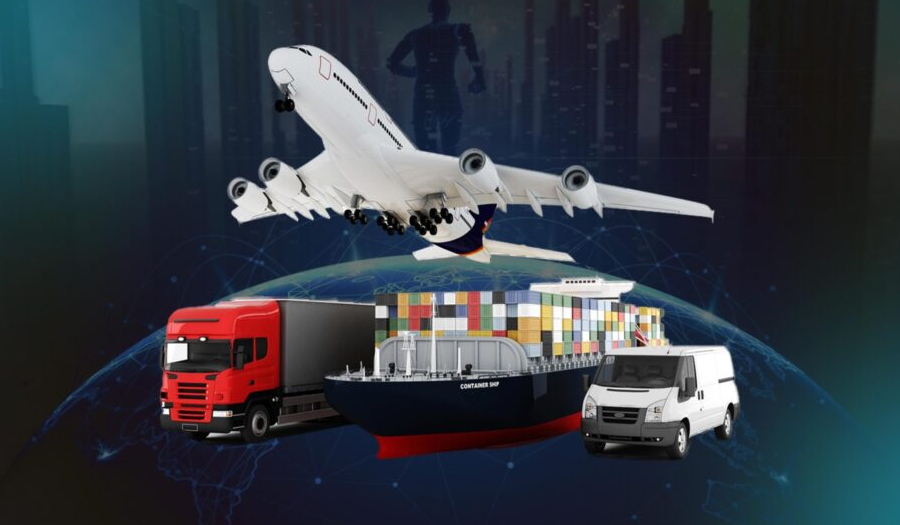
Freight Forwarding Agent in China: 2025 Complete Guide for Global Shippers
Choosing the right freight forwarding agent in China is a critical decision for any business involved in international trade. With the complexity of global logistics, customs regulations, and the need for reliable delivery, partnering with a professional forwarder can make the difference between smooth operations and costly delays. This comprehensive guide will help you understand what to look for, compare top services, and make the best decision for your supply chain.
What Is a Freight Forwarding Agent in China and Why Do You Need One?
A freight forwarding agent in China acts as your logistics partner, managing the transportation of goods from China to your destination. They handle everything from booking sea freight, air freight, or rail freight, to customs clearance, insurance, and final delivery. With the right forwarder, you can streamline your supply chain, reduce shipping costs, and ensure timely delivery.
How to Evaluate a Freight Forwarding Agent in China?
When reviewing a freight forwarding agent in China, consider these critical factors:
| Criteria | Why It Matters | What to Look For |
|---|---|---|
| Experience | Ensures reliability and expertise | Years in business, client list |
| Service Range | Covers all your shipping needs | Sea, air, rail, warehousing |
| Global Network | Smooth delivery to your destination | Partnerships, agent network |
| Compliance & Licensing | Avoids legal issues and delays | Certifications, customs support |
| Customer Support | Quick resolution of issues | 24/7 support, multilingual team |
Which Shipping Methods Are Available from China?

Depending on your destination, you can choose from several shipping methods. Here’s a quick comparison:
| Shipping Method | Cost | Delivery Time | Best For |
|---|---|---|---|
| Sea Freight | Low | 15-40 days | Large, heavy, non-urgent cargo |
| Air Freight | Medium-High | 3-10 days | Urgent, high-value goods |
| Rail Freight | Medium | 15-22 days (Europe only) | Fast, cost-sensitive to Europe |
Note: Rail freight is only available for certain China-Europe and China-Asia routes. For Australia, North America, or Africa, only sea, air, and express are viable.
What Are the Pros and Cons of Each Shipping Method?
| Method | Pros | Cons |
|---|---|---|
| Sea Freight | Cost-effective, high capacity | Slower, port congestion possible |
| Air Freight | Fast, secure, reliable schedules | Expensive, weight/size limits |
| Rail Freight | Fast, eco-friendly, stable schedules | Limited routes, not global |
How Do Freight Forwarders Help with Customs and Compliance?

Navigating customs regulations is one of the most challenging aspects of international shipping. A professional forwarder offers:
| Service | Benefit |
|---|---|
| Customs brokerage | Ensures compliance, avoids penalties |
| Import service | Handles paperwork, reduces delays |
| Cargo insurance | Protects against loss or damage |
They also keep you updated on logistics trends and regulatory changes, ensuring your shipments remain compliant.
What Are the Typical Shipping Costs and Delivery Times?
Shipping costs and delivery times vary by method and destination. Here’s a general overview:
| Route | Sea Freight (Cost/Time) | Air Freight (Cost/Time) | Rail Freight (Cost/Time) |
|---|---|---|---|
| China TO North America | $2,000/25-35 days | $6,000/5-8 days | N/A |
| China TO Europe | $1,800/20-30 days | $5,500/4-7 days | $7,000/15-22 days |
| China To Australia | $1,500/15-25 days | $5,000/3-6 days | N/A |
Prices are estimates for a 20ft container or equivalent air/rail volume. Actual rates depend on cargo type, season, and market trends.
What Services Should a Top Freight Forwarding Agent in China Offer?

A reliable forwarder should provide a comprehensive suite of services, including:
- Sea freight for bulk shipments
- Air freight for urgent deliveries
- Rail freight for fast China-Europe shipping
- Amazon FBA prep and delivery
- Express service for small parcels
- Warehousing for inventory management
- Customs brokerage to handle documentation
- Cargo insurance for risk management
- Door to door solutions for convenience
How to Compare and Shortlist Freight Forwarders?
When reviewing a freight forwarding agent in China, use this checklist:
| Criteria | Questions to Ask |
|---|---|
| Experience | How long have they operated? |
| Service Range | Do they offer all needed services? |
| Network | Can they deliver to your destination? |
| Pricing Transparency | Are quotes clear and detailed? |
| Customer Reviews | What do other clients say? |
Why Choose TJ China Freight as Your Freight Forwarding Agent in China?
TJ China Freight stands out as a leading freight forwarding agent in China for its comprehensive services, global reach, and customer-centric approach. With expertise in sea freight, air freight, and rail freight, we ensure your cargo reaches its destination safely and on time. Our team provides end-to-end solutions, including customs brokerage, cargo insurance, and door to door delivery, making us a trusted partner for businesses worldwide.
What Documents Are Required for Shipping from China?
| Document | Purpose |
|---|---|
| Commercial Invoice | Proof of sale, customs declaration |
| Packing List | Details of cargo contents |
| Bill of Lading/Airway Bill | Transport contract, cargo receipt |
| Import/Export License | Regulatory compliance |
| Insurance Certificate | Proof of cargo coverage |
How Can Warehousing and Value-Added Services Benefit Your Supply Chain?
Modern freight forwarders offer more than just shipping. Warehousing and value-added services like labeling, repacking, and quality checks can optimize your supply chain, reduce costs, and improve delivery timelines. These services are especially valuable for e-commerce and Amazon sellers.
What Are the Latest Logistics Trends in China Freight Forwarding?
- Digitalization: Online booking, real-time tracking, and automated documentation
- Sustainability: Eco-friendly shipping options, carbon offset programs
- Integrated Solutions: One-stop services from warehousing to last-mile delivery
- Flexible Delivery Schedules: Adapting to market changes and customer needs
Conclusion
Choosing the right freight forwarding agent in China is crucial for efficient, cost-effective, and reliable international shipping. By understanding your options, comparing services, and focusing on compliance and customer support, you can streamline your supply chain and achieve business growth. Whether you need sea, air, or rail freight, a professional forwarder like TJ China Freight can help you navigate the complexities of global trade.
Ready to optimize your shipping from China? Contact TJ China Freight today for a free quote and discover how our expertise as a freight forwarding agent in China can help your business grow. Our team is here to answer your questions, provide tailored solutions, and ensure your cargo arrives safely and on time.

FAQs(click to expand and view )
Start by evaluating their experience, service range, global network, and customer reviews. Ask about their expertise in your target shipping routes and whether they offer comprehensive solutions like customs brokerage and cargo insurance. Transparent pricing and responsive customer support are also essential.
Sea freight is ideal for large, heavy, or non-urgent shipments due to its cost-effectiveness. Air freight is faster and suitable for urgent or high-value goods, while rail freight is a great balance for China-Europe routes. Each method has its own cost, speed, and capacity considerations.
You’ll typically need a commercial invoice, packing list, bill of lading or airway bill, import/export license, and insurance certificate. Your freight forwarder can help ensure all paperwork is complete and compliant with destination country regulations.
Warehousing allows you to store goods closer to your customers, manage inventory efficiently, and reduce lead times. Value-added services like labeling, repacking, and quality checks can further streamline your supply chain, especially for e-commerce and Amazon FBA sellers.
Key trends include digitalization (online booking and tracking), sustainability initiatives, integrated logistics solutions, and flexible delivery schedules. These trends help businesses improve efficiency, reduce costs, and adapt to changing market demands.