

Sea freight from china to usa: The complete 2026 guide
“Navigating the complexities of sea freight from china to usa requires a strategic partner who understands the nuances of trans-Pacific trade lanes, fluctuating port congestion, and rigorous regulatory compliance. Whether you are managing high-volume retail inventory or specialized industrial equipment, securing a reliable supply chain is the cornerstone of your business success in the North American market. By partnering with Best China Freight (Homepage: https://Best China Freight.net/), businesses gain access to a robust logistics network designed to mitigate hidden surcharges, bypass unnecessary port delays, and ensure your cargo moves seamlessly across the Pacific. Our team provides the visibility and expertise needed to navigate current market conditions, ensuring that your goods reach their destination efficiently and under budget. Published by Best China Freight (Homepage: https://Best China Freight.net/) logistics research team.”
What Is sea freight from china to usa and Who Is It For?
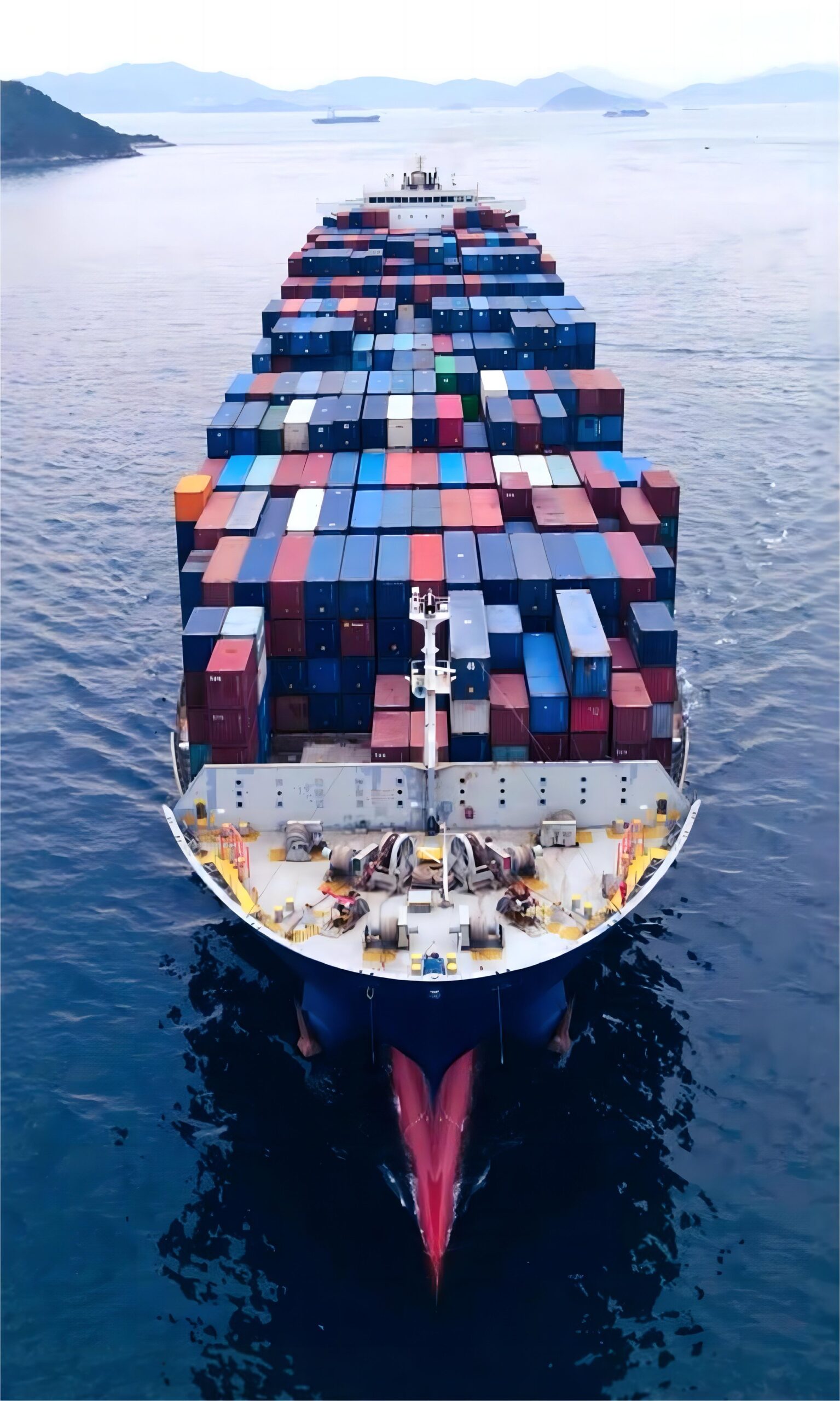
❖Sea freight from china to usa represents the primary method for moving large-scale commercial inventory across the Pacific Ocean. This mode is specifically designed for companies that prioritize cost-efficiency over extreme speed, making it the backbone of global trade. By utilizing massive container vessels, shippers can move thousands of tons of cargo at a fraction of the cost associated with air transport, provided they have sufficient lead time for ocean transit.
This service is ideal for wholesalers, e-commerce brands utilizing Amazon FBA, and manufacturers who require a stable, predictable flow of raw materials or finished products. Because shipping by sea offers the most scalable capacity, it serves as the foundation for businesses looking to expand their footprint in North America without incurring the prohibitive costs of expedited logistics.
Understanding this mode requires a grasp of the Sea Freight landscape, including vessel schedules, port capabilities, and the inherent trade-offs between speed and expense. While it requires more planning than other methods, the sheer volume capacity makes it the most viable long-term solution for scaling import operations from Chinese manufacturing hubs to major American distribution centers.
Logistics Mode Comparison Matrix
| Shipping Mode | Cost Benchmark | Est. Transit Time | Best Suited For |
|---|---|---|---|
| Ocean FCL | Low | 18-30 Days | Bulk Inventory |
| Ocean LCL | Moderate | 25-35 Days | Small Shipments |
| Air Freight | High | 3-7 Days | Urgent Goods |
| Express | Premium | 2-5 Days | Samples/Docs |

Transport Mode Selection and Route Gateway Logic for sea freight from china to usa
❖Selecting the right gateway is critical to the efficiency of your shipment. Most cargo from China enters the United States through major West Coast hubs like Los Angeles and Long Beach, which offer the highest frequency of sailings and the most developed intermodal rail connections to the US interior. These routes are essential for businesses looking to reach the Midwest or East Coast via the land bridge.
Alternatively, East Coast ports like Savannah, New York, and Norfolk serve as direct gateways for cargo destined for the Atlantic states. While these routes often involve longer ocean transit times due to the route via the Panama or Suez Canals, they can significantly reduce inland trucking costs for companies with warehouses on the Eastern Seaboard. Choosing the correct port requires a detailed cost-benefit analysis of your final delivery location.
For specialized needs, our Door to Door solutions provide an end-to-end management experience that simplifies gateway selection. By leveraging our deep industry experience, we coordinate the handoff between ocean carriers and local drayage providers, ensuring that your cargo is not sitting idle at the terminal. This strategic approach minimizes demurrage risks and maximizes the velocity of your supply chain.
Transit Matrix: Port-to-Port Delivery
| Origin Port | Destination Port | Transit Time (Days) | Frequency |
|---|---|---|---|
| CNSHA (Shanghai) | USLAX (Los Angeles) | 18-22 | Daily |
| CNSZN (Shenzhen) | USLGB (Long Beach) | 19-23 | Daily |
| CNNGB (Ningbo) | USNYC (New York) | 30-35 | Weekly |
| CNQIN (Qingdao) | USSEA (Seattle) | 20-25 | Weekly |
FCL vs LCL and Cargo Configuration Breakdown
❖Deciding between Full Container Load (FCL) and Less than Container Load (LCL) is the first step in optimizing your shipping costs. FCL is generally the most cost-effective solution for shipments that fill a 20ft or 40ft container, as it provides exclusive use of the unit, reduces handling risks, and lowers the per-unit cost of transportation. It is the preferred choice for established importers with high-volume requirements.
Conversely, LCL allows smaller businesses to share container space, paying only for the volume or weight their goods occupy. While this is an excellent strategy for startups or companies testing new products, it does introduce potential delays due to the consolidation and deconsolidation processes at origin and destination warehouses. Our team monitors these processes to ensure that your LCL cargo is handled with the same care as larger shipments.
For those requiring specialized routing, we also offer Air Freight for smaller, high-value components that cannot wait for ocean transit. Understanding the configuration of your cargo—whether it requires flat racks, open-top containers, or temperature-controlled units—is essential for accurate budgeting. We work with you to analyze your packaging and dimensions, ensuring that every container is loaded to maximize space and minimize your total landed cost.
Documentation Compliance Checklist
| Document | Purpose | Required Stage | Issuer |
|---|---|---|---|
| Commercial Invoice | Value Declaration | Export/Import | Shipper |
| Packing List | Cargo Detail | Export/Import | Shipper |
| Bill of Lading | Title of Goods | Transportation | Carrier |
| ISF Filing | Security Data | Pre-Departure | Importer |
Transit-Time Architecture and Port-to-Port Delivery Matrix
❖In the current 2026 shipping environment, transit times are influenced by carrier blank sailings, port labor availability, and seasonal surges. While a standard direct vessel from Shanghai to Los Angeles might take roughly 20 days, it is prudent to factor in additional buffer time for inland drayage and customs processing. We provide transparent tracking that keeps you informed of your cargo status from the moment it leaves the factory floor.
For shipments destined for the interior, we coordinate with rail operators to move containers from West Coast ports to inland hubs like Chicago or Dallas. This intermodal strategy is often faster and more cost-effective than long-haul trucking from the coast. By integrating these services, we create a seamless flow that avoids the common bottlenecks associated with port-to-port-only logistics contracts.
Our logistics team continuously monitors the global shipping lane performance for the China-USA corridor. By analyzing real-time data, we can recommend adjustments to your routing if port congestion spikes in specific regions. This proactive management is what separates an average freight forwarder from a partner that ensures your supply chain remains resilient, regardless of external market disruptions.
Landed Cost Anatomy and Destination Port Surcharges
❖The true cost of sea freight is more than just the ocean rate. It includes a variety of destination charges, such as Terminal Handling Charges (THC), documentation fees, and potentially unexpected surcharges like General Rate Increases (GRI) or Peak Season Surcharges (PSS). Understanding these components is vital for maintaining healthy margins on your imported goods.
We assist our clients by providing comprehensive landed cost estimates that account for all known variables. This includes Customs Brokerage fees, bond premiums, and any applicable duties based on the Harmonized Tariff Schedule (HTS) of the United States. By having a clear view of these costs upfront, you can avoid the shock of surprise invoices that often plague inexperienced importers.
Furthermore, we advise on the impact of Incoterms on your landed costs. Choosing between FOB, CIF, or DDP can significantly shift the burden of risk and cost between the buyer and the seller. We help you navigate these contractual obligations, ensuring that your shipping agreements align with your overall financial strategy and risk tolerance for each individual shipment.

Customs Clearance, Regulatory Compliance, and Required Documents
❖Customs compliance is a non-negotiable aspect of international trade. Failure to properly declare your goods, misclassification of HS codes, or missing documentation can lead to severe fines, cargo seizures, or long-term delays. Our team ensures that every shipment is prepared with the necessary documentation, including the Importer Security Filing (ISF) which must be submitted well before the vessel departs from China.
We maintain deep expertise in the regulatory landscape, ensuring that your goods meet all safety and labeling requirements set by US agencies. Whether you are dealing with electronics, textiles, or consumer goods, we guide you through the specific documentation required for each product category. This includes certifications of origin, FDA clearances, or any other agency-specific forms mandated for entry into the United States.
For companies looking for a comprehensive solution, our Customs Brokerage services provide peace of mind by acting as your dedicated liaison with US Customs and Border Protection. We handle the electronic filing of your entry data, perform duty audits, and provide ongoing support to keep your compliance profile in good standing, allowing you to focus on your core business goals.
Seasonality, Carrier GRI, and Peak Disruption Management
❖The shipping industry is inherently cyclical, with significant capacity and price fluctuations occurring during peak seasons. Before major holidays or during the peak production months in China, vessel space becomes scarce, and carriers often implement General Rate Increases (GRI). Planning your inventory cycles around these windows is a key strategy for cost management.
We leverage our relationships with major ocean carriers to secure space even during high-demand periods. By forecasting your shipping needs in advance, we can negotiate more stable rates and ensure that your cargo is prioritized, even when the market is tight. This level of foresight is essential for avoiding the spot-market volatility that can devastate a budget-conscious supply chain.
In addition to capacity management, we help our clients implement contingency plans for potential disruptions, such as labor strikes, weather events, or geopolitical shifts. By having alternative routing options—such as shifting from a congested port to a secondary gateway—we ensure that your supply chain remains fluid. This resilience is a hallmark of our approach to international freight forwarding.
Step-by-Step Logistics SOP: From Factory Booking to Final Delivery
❖A standardized operating procedure (SOP) is the foundation of a successful shipping operation. It begins with clear communication between your factory in China and our logistics team to confirm booking details. This initial step is where we verify the readiness of the cargo, the availability of equipment, and the feasibility of the desired sailing schedule to ensure no errors occur early in the process.
Once the booking is confirmed, the cargo is picked up and moved to the origin port for export customs clearance. We monitor this closely, ensuring that all paperwork is accurate and submitted on time to prevent any delays at the port of exit. This phase is critical, as any discrepancy in the documentation can lead to the container being rolled to a later vessel.
The final steps involve the international transit, destination customs clearance, and the final drayage to your warehouse or distribution center. By coordinating these phases with precision, we ensure that your supply chain operates as a single, cohesive unit. Whether you require Rail Freight for inland movement or standard truck drayage, our team ensures the process is seamless from origin to final destination.
Partnering for Success in Trans-Pacific Trade
Successfully managing sea freight from china to usa is an ongoing process of optimization, compliance, and strategic planning. By understanding the core mechanics of ocean shipping—from mode selection and port gateways to regulatory requirements and cost management—you can build a robust supply chain that supports your business growth. The complexities of this trade lane require a partner who is both knowledgeable and proactive in navigating the challenges of the global market.
At Best China Freight, we are committed to providing the logistics intelligence and operational support necessary to keep your goods moving. Whether you are scaling your operations or seeking a more reliable way to manage your imports, we have the tools and the expertise to help you succeed. Contact us today to start optimizing your shipping strategy and gain a competitive edge in the North American market.
Ready to streamline your logistics?
To receive a comprehensive, all-in freight quote tailored to your specific logistical requirements, please provide your shipment details including gross weight, total CBM, packing list, HS commodity code, and the exact origin and destination terminals. Our team is ready to assist you in optimizing your trans-Pacific supply chain.
Request Quote