

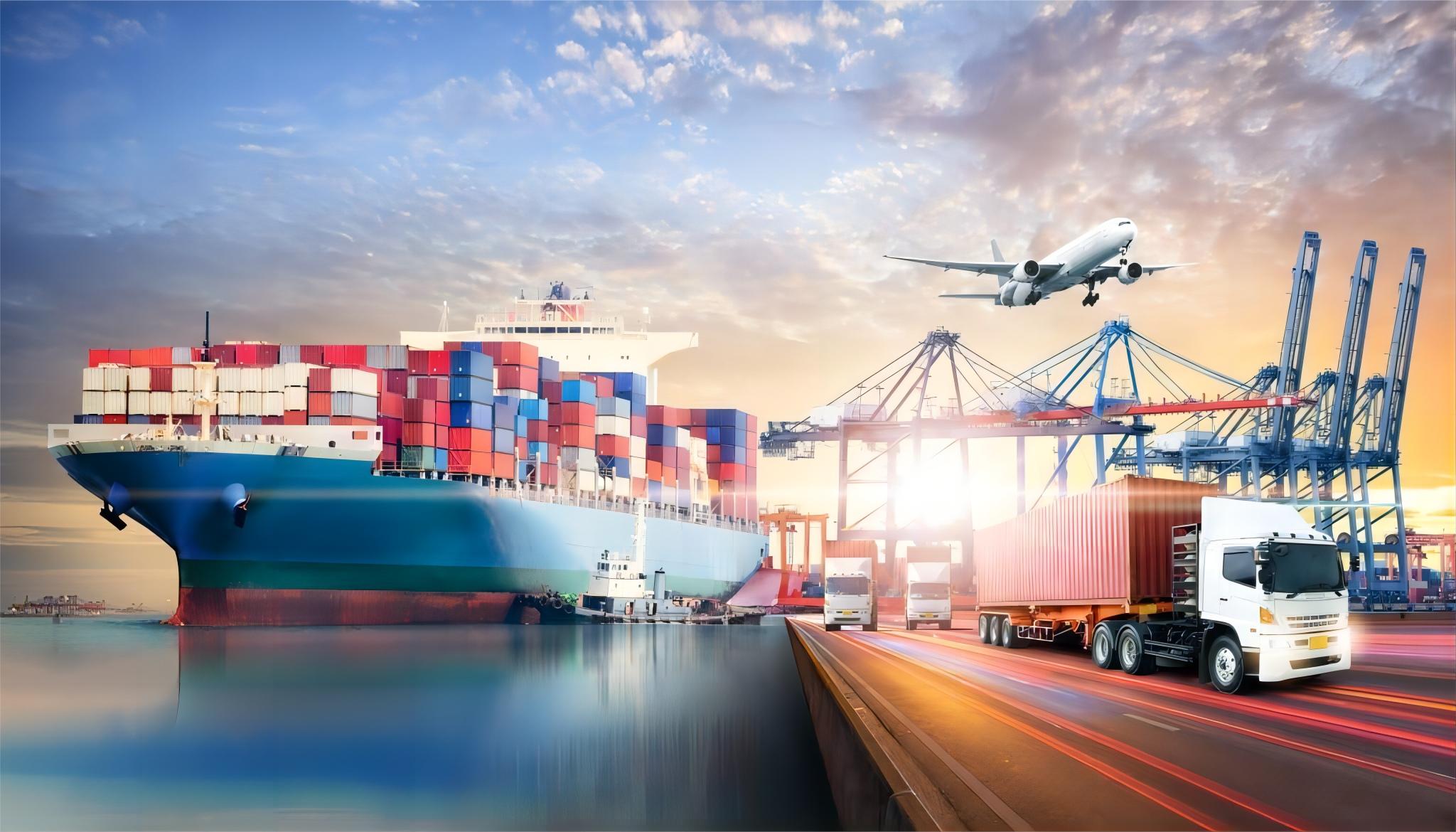
20GP FCL Shipping Cost for Auto Parts from China to Denmark: 2025 Guide
Developing a robust supply chain requires a deep understanding of international logistics and expense management. Partnering with a specialist like TJ China Freight ensures your automotive components reach their destination efficiently. Calculating the 20GP FCL shipping cost for auto parts from China to Denmark involves analyzing ocean freight rates, local handling fees, and seasonal surcharges. This comprehensive guide provides the market intelligence needed to optimize your shipping budget and improve delivery reliability.

What is the Average 20GP FCL Shipping Cost for Auto Parts from China to Denmark?
Determining the exact expense for a 20-foot container involves several variables that fluctuate weekly. Currently, the market rate for sea freight services on this route reflects global economic trends and fuel adjustments.
Furthermore, importers should expect a base rate ranging from 2,100 to 2,800 USD per 20GP container. This price typically covers the ocean transit from major Chinese hubs like Ningbo or Shanghai to Danish ports.
Consequently, the total landed cost will include additional fees such as terminal handling charges and documentation. Understanding these components is vital for accurate financial planning in the automotive sector.
| Ningbo | Aarhus | 20GP | 2,100 – 2,550 |
| Shanghai | Copenhagen | 20GP | 2,250 – 2,800 |
| Shenzhen | Aarhus | 20GP | 2,150 – 2,600 |
| Qingdao | Copenhagen | 20GP | 2,200 – 2,700 |

Factors Influencing 20GP FCL Shipping Cost for Auto Parts from China to Denmark
Several critical elements dictate the final price you pay for transporting automotive components across the ocean. Seasonal demand spikes, particularly before the Lunar New Year, often lead to significant rate hikes.
Moreover, fuel surcharges known as Bunker Adjustment Factors can shift based on global oil market volatility. Shipping lines also adjust prices based on container availability at specific Chinese export hubs.
Additionally, the weight of the auto parts can impact the cost if the cargo exceeds standard limits. Heavy engine components or brake assemblies might require specialized handling or additional surcharges.
Meanwhile, port congestion in Northern Europe can lead to unexpected detention and demurrage fees. Monitoring these variables helps businesses anticipate budget changes before they occur.
How Does Sea Freight Compare to Other Shipping Options?
Analyzing all available transport modes is necessary to find the right balance between speed and budget. While ocean transport is the most common, alternative strategies exist for different business needs.
Specifically, sea freight offers the lowest cost per unit for high-volume shipments of car parts. However, the transit time is significantly longer than air or rail alternatives.
In contrast, rail freight provides a middle ground with faster delivery than ships but lower costs than planes. For extremely urgent spare parts, air transport remains the only viable solution despite the high expense.
| Sea Freight (20GP) | 2,100 – 2,800 | 35-45 Days | Bulk Auto Parts |
| Rail Freight (20GP) | 4,800 – 6,500 | 18-24 Days | Mid-Value Components |
| Air Freight (500kg) | 3,500 – 5,000 | 5-8 Days | Urgent Repairs |
| Express Service | Variable | 3-5 Days | Small Samples |
Which Option Should You Choose?
Selecting the ideal method depends on your specific inventory requirements and financial constraints. If budget priority is your main concern, sea freight is the clear winner for 20GP containers.
On the other hand, speed priority might dictate a shift to rail or air transport during peak sales seasons. Consider the cargo type, as high-value electronics might justify the safety and speed of air transit.
Volume thresholds also play a role in this decision-making process. For shipments under 15 CBM, you might consider LCL shipping instead of a full 20GP container.
Navigating Customs Brokerage for Auto Parts in Denmark
Importing automotive goods into the European Union requires strict adherence to local regulations and documentation. Utilizing a professional customs brokerage service can prevent costly delays at the Danish border.
Notably, auto parts often carry specific HS codes that determine the applicable import duties and taxes. Incorrect classification can lead to fines or the seizure of your container by authorities.
Therefore, you must ensure all commercial invoices and packing lists are meticulously prepared. Your logistics partner will help verify that all certifications, such as E-mark requirements, are in order for the Danish market.
Transit Times and Delivery Schedules for China-Denmark Routes
Planning your inventory levels requires a precise understanding of how long the journey takes. Most vessels departing from East China ports take approximately five to six weeks to reach Denmark.
Consequently, you must account for the time spent on land for loading and port processing. Direct routes to Aarhus or Copenhagen are generally faster than those involving transshipment in Hamburg or Rotterdam.
Indeed, weather conditions and port productivity can influence these timelines by several days. Maintaining a buffer in your delivery schedule is a wise strategy for automotive supply chain managers.
Door to Door Logistics for Automotive Components
Managing the entire journey from the factory in China to your warehouse in Denmark simplifies the logistics process. A comprehensive door to door service covers every step of the movement.
Specifically, this includes inland trucking in China, ocean transit, and final delivery in Denmark. This integrated approach reduces the risk of communication gaps between different service providers.
Furthermore, it provides a single point of contact for tracking and troubleshooting. Businesses often find that the convenience of a full-service solution outweighs the slightly higher administrative cost.
Case Studies: Real-World Examples of Shipping Auto Parts to Denmark
Case Study 1: Efficient Brake Pad Distribution Route: Ningbo, China to Aarhus, Denmark Cargo: Ceramic Brake Pads, 22 CBM, 14,000 kg Container: 20GP FCL Shipping Details: – Carrier: Maersk – Route Type: Direct Cost Breakdown: – Ocean Freight: 2,350 USD – Origin Charges: 350 USD – Destination Charges: 450 USD – Total Landed Cost: 3,150 USD Timeline: 38 Days Door-to-Door Key Insight: Early booking during the off-peak season saved the client 15 percent on freight costs.
Case Study 2: Urgent Engine Component Replenishment Route: Shanghai, China to Copenhagen, Denmark Cargo: Aluminum Cylinder Heads, 18 CBM, 11,500 kg Container: 20GP FCL Shipping Details: – Carrier: COSCO – Route Type: Transshipment via Singapore Cost Breakdown: – Ocean Freight: 2,550 USD – Origin Charges: 400 USD – Destination Charges: 500 USD – Total Landed Cost: 3,450 USD Timeline: 44 Days Door-to-Door Key Insight: Using a transshipment route was necessary due to space shortages on direct vessels during Q4.

Alternative Strategies: Air and Rail Freight for Urgent Parts
Sometimes, the standard sea route is too slow for critical manufacturing deadlines. In these instances, utilizing air freight can reduce transit time from weeks to just a few days.
Additionally, rail freight offers a competitive alternative via the New Silk Road. This method is particularly effective for shipments originating from inland Chinese cities like Xi’an or Chengdu.
Moreover, hybrid solutions like sea-air combinations can offer a balance of cost and speed. These strategies allow automotive businesses to remain flexible in a volatile market environment.
Strategies to Reduce 20GP FCL Shipping Cost for Auto Parts from China to Denmark
Consolidating orders is one of the most effective ways to maximize the space inside your 20GP container. Since you pay for the full container, ensuring it is packed to capacity reduces the cost per individual part.
Similarly, negotiating long-term contracts with freight forwarders can provide stability against market fluctuations. Planning your shipments at least three to four weeks in advance often secures better rates.
Finally, optimizing your packaging can reduce both weight and volume, potentially lowering handling fees. Consistently reviewing your logistics data helps identify further opportunities for cost reduction.
Final Thoughts on Shipping Auto Parts to Denmark
Managing the 20GP FCL shipping cost for auto parts from China to Denmark requires a blend of market knowledge and strategic planning. By understanding the factors that influence rates, you can make informed decisions that protect your profit margins.
Furthermore, choosing the right shipping method and logistics partner is essential for long-term success. Whether you prioritize speed or cost-efficiency, there is always a solution that fits your specific business model.
In summary, stay proactive in monitoring freight trends and maintain clear communication with your freight forwarder. This approach ensures your automotive parts arrive in Denmark on time and within your budget.

Ready to streamline your logistics?
Optimize your automotive supply chain today by requesting a personalized quote for your 20GP FCL shipping cost for auto parts from China to Denmark. Contact our expert team at TJ China Freight to secure the best rates and reliable transit schedules for your next shipment. Visit our website to start your inquiry.
Request Quote