

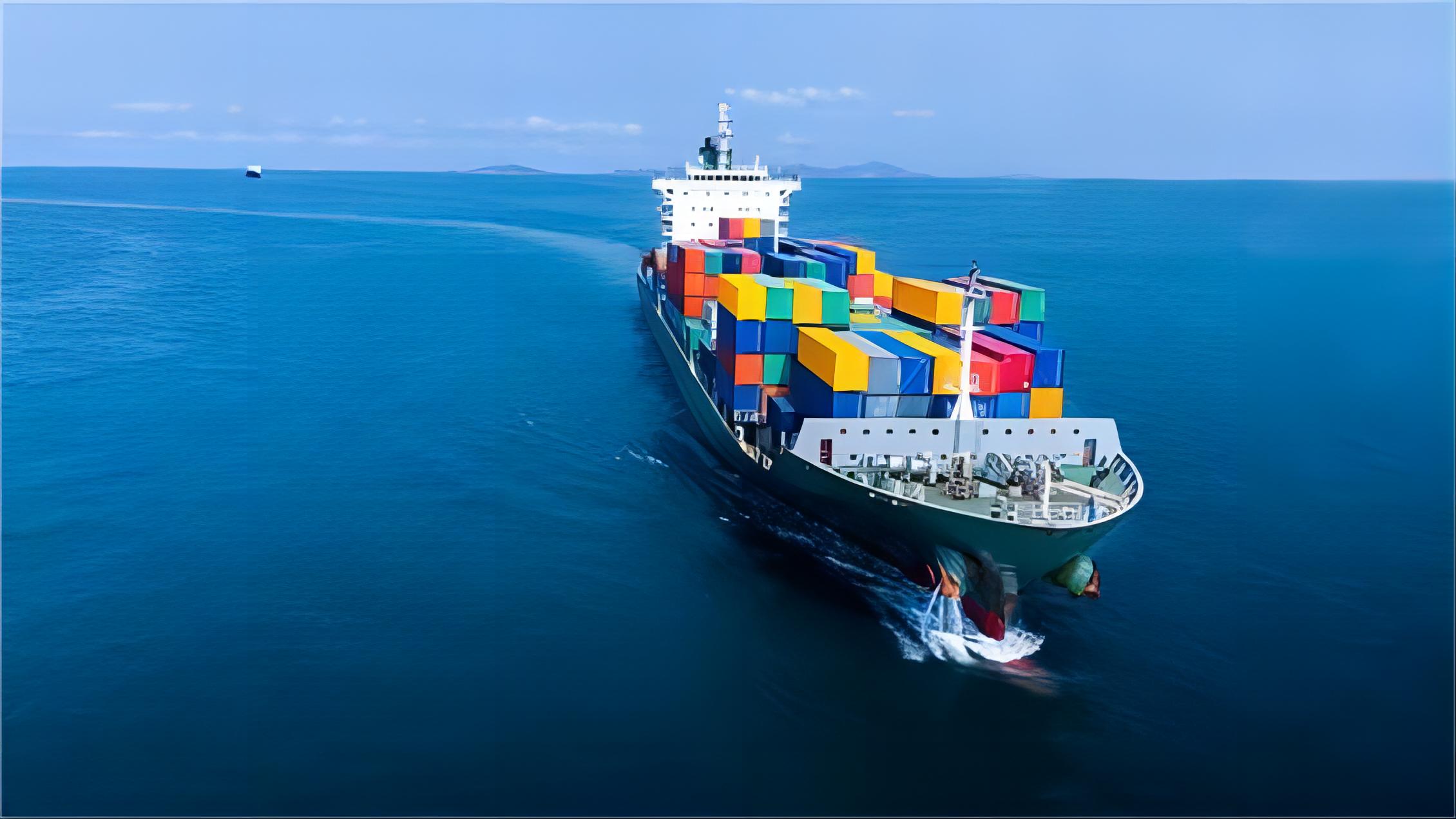
40HQ FCL Tracking for Lighting from China to Germany Guide
Efficiently managing 40HQ FCL tracking for lighting from China to Germany ensures your supply chain remains transparent and predictable. By partnering with TJ China Freight, importers can mitigate risks associated with international logistics. This comprehensive guide provides the necessary tools to optimize your shipping strategy for delicate lighting equipment and high-volume LED components.

Why 40HQ FCL Tracking for Lighting from China to Germany Matters
Real-time visibility into your cargo location helps prevent costly delays at major ports like Hamburg or Bremerhaven. Furthermore, accurate 40HQ FCL tracking for lighting from China to Germany allows for better inventory planning and streamlined warehouse management. Consequently, businesses can provide more precise delivery estimates to their German customers and retailers.
Moreover, the delicate nature of lighting products requires constant monitoring to ensure cargo handling remains within safety parameters. Additionally, knowing the exact status of your shipment helps in coordinating with local transport providers for the final leg of the journey. Indeed, proactive tracking is the backbone of a resilient international supply chain.
Key Benefits of Using 40HQ Containers for Lighting Shipments
Choosing a 40HQ container provides significantly more volume than a standard 40GP, which is ideal for lightweight but bulky lighting fixtures. Specifically, the extra foot of height allows for optimized stacking of pallets, potentially reducing your overall shipping costs per unit. Most importers prefer sea freight for these large-scale shipments due to the economic advantages of scale.
Security is another major advantage of utilizing a Full Container Load (FCL) for your lighting products. Since the container is sealed at the factory in China and only opened at the final destination in Germany, the risk of theft or damage during transit is greatly reduced. Therefore, FCL remains the gold standard for high-value lighting projects and commercial distribution.
How Does 40HQ FCL Compare to Other Shipping Options?
While sea freight is the most common method, importers must evaluate several alternatives based on their specific delivery schedule and budget. For instance, rail freight has emerged as a popular middle ground, offering faster transit than sea but at a lower cost than air. On the other hand, air freight remains the fastest choice for urgent project deadlines or high-value samples.
In contrast, Less than Container Load (LCL) might seem cheaper for small volumes, but it often involves higher risks of damage due to multiple handling points. Without a doubt, the 40HQ FCL option provides the best balance of safety and cost-efficiency for large lighting orders. Below is a detailed comparison of the available logistics trends for this specific route.
| Shipping Method | Cost Range (40HQ) | Transit Time | Best For |
|---|---|---|---|
| Sea Freight | $3,000 – $4,500 | 30 – 40 Days | Bulk lighting orders |
| Rail Freight | $5,500 – $7,500 | 18 – 22 Days | Urgent retail stock |
| Air Freight | $15,000 – $25,000 | 5 – 8 Days | Samples or high-value |
| Sea-Air Hybrid | $8,000 – $12,000 | 15 – 20 Days | Balanced speed/cost |

Which Option Should You Choose for Your Lighting Cargo?
Budget priority dictates that sea freight is your best option, especially when planning shipments several months in advance. However, if your lighting project in Berlin or Munich has a strict deadline, rail freight provides a reliable alternative that avoids the volatility of ocean transit. You should also consider the seasonal peaks where freight rates can fluctuate by 20% or more.
Cargo type considerations play a vital role in this decision-making process. For example, heavy industrial lighting might be better suited for sea freight, while fragile designer lamps might benefit from the smoother ride of rail or air. Always calculate the total landed cost, including duties and local delivery, before finalizing your shipping method.
Essential Steps for Successful Customs Brokerage in Germany
Navigating German customs requires meticulous documentation to avoid lengthy delays and additional storage fees at the port. Utilizing a professional customs brokerage service ensures that all lighting certifications, such as CE and RoHS, are correctly filed. Furthermore, accurate HS code classification is critical for determining the correct import duties and VAT.
Typical documents required include the Bill of Lading, Commercial Invoice, Packing List, and Certificate of Origin. Additionally, German authorities may request specific technical data sheets for LED products to ensure compliance with European safety standards. Consequently, preparing these documents well in advance of the vessel arrival is a prerequisite for a smooth import process.
| Document Name | Purpose | Issuer | Priority |
|---|---|---|---|
| Bill of Lading | Title of goods | Carrier | Critical |
| Commercial Invoice | Value declaration | Supplier | Critical |
| CE Certificate | EU Compliance | Manufacturer | High |
| Packing List | Cargo details | Supplier | High |
Real-World Case Studies: Lighting Shipments to Germany
Examining real-world scenarios provides valuable context for your own logistics planning. These cases reflect actual market conditions from late 2024 and early 2025. Each example highlights the importance of choosing the right container type and tracking strategy to manage the complex supply chain from China to Europe.
Case Study 1: Large Scale LED Project for Hamburg Retailer
Route: Shenzhen, China to Hamburg, Germany. Cargo: Commercial LED Panels, 68 CBM, 12,500 kg. Container: 40HQ FCL. Shipping Details: Major carrier (COSCO), Port of Loading: Shenzhen, Port of Discharge: Hamburg, Route Type: Direct. Cost Breakdown: Ocean Freight: $3,850, Origin Charges: $450, Destination Charges: $600, Customs & Duties: $1,200, Total Landed Cost: $6,100. Timeline: Booking to Loading: 5 days, Sea Transit: 33 days, Customs Clearance: 2 days, Total Door-to-Door: 42 days. Key Insight: Early booking during the Q4 peak season saved the client approximately 15% on freight rates.
Case Study 2: Urgent Designer Lighting for Munich Showroom
Route: Ningbo, China to Munich, Germany. Cargo: Luxury Pendant Lights, 65 CBM, 8,000 kg. Container: 40HQ FCL. Shipping Details: Rail Freight Service, Port of Loading: Ningbo (via Xi’an), Port of Discharge: Hamburg (then rail to Munich), Route Type: Trans-Eurasia Rail. Cost Breakdown: Rail Freight: $6,200, Origin Charges: $500, Destination Charges: $750, Customs & Duties: $2,100, Total Landed Cost: $9,550. Timeline: Booking to Loading: 7 days, Rail Transit: 20 days, Customs Clearance: 3 days, Total Door-to-Door: 32 days. Key Insight: Rail freight provided a 10-day advantage over sea freight, meeting the showroom opening deadline.

Maximizing Efficiency with Door to Door Logistics
Implementing a door to door service simplifies the entire process by consolidating multiple logistics steps into a single contract. This approach reduces the administrative burden on your team and ensures that 40HQ FCL tracking for lighting from China to Germany is managed by a single point of contact. Moreover, it eliminates the hidden costs often associated with coordinating separate inland transport providers.
Reliable door-to-door providers handle everything from factory pickup in Guangdong to final delivery at your warehouse in Frankfurt or Berlin. Consequently, you can focus on your core business activities while the logistics experts manage the complexities of international transit. In addition, this service often includes integrated tracking updates that keep you informed at every milestone.
Navigating Shipping Challenges in the China to Europe Route
Shipping from China to Europe involves navigating geopolitical factors and potential port congestion. For example, recent disruptions in the Red Sea have forced many carriers to reroute around the Cape of Good Hope, adding 10-14 days to the transit time. Therefore, staying updated with the latest logistics trends is essential for maintaining an efficient supply chain.
As of early 2025, freight rates have stabilized, but capacity remains tight during traditional peak periods like the weeks leading up to Chinese New Year. Meanwhile, environmental regulations in the EU are pushing carriers to adopt greener fuels, which may impact future pricing structures. Indeed, flexibility and forward-thinking are the keys to successful long-term importing.
Summary of 40HQ FCL Shipping Strategies
Successfully managing 40HQ FCL tracking for lighting from China to Germany requires a combination of the right shipping method, accurate documentation, and proactive monitoring. By choosing the 40HQ container, importers maximize their volume efficiency while ensuring the safety of their delicate lighting products. Moreover, understanding the trade-offs between sea, rail, and air freight allows for a more flexible and responsive supply chain.
In conclusion, partnering with an experienced freight forwarder can mitigate the complexities of German customs and international transit. Note: Freight rates are subject to change based on fuel costs, carrier capacity, and seasonal demand. Always seek a current quote tailored to your specific cargo needs to ensure the best possible results.

Ready to streamline your logistics?
Streamline your lighting imports today with our expert logistics solutions. Contact TJ China Freight for a personalized quote on your next 40HQ FCL tracking for lighting from China to Germany shipment and experience unparalleled service reliability. Visit our site to get started.
Request Quote