

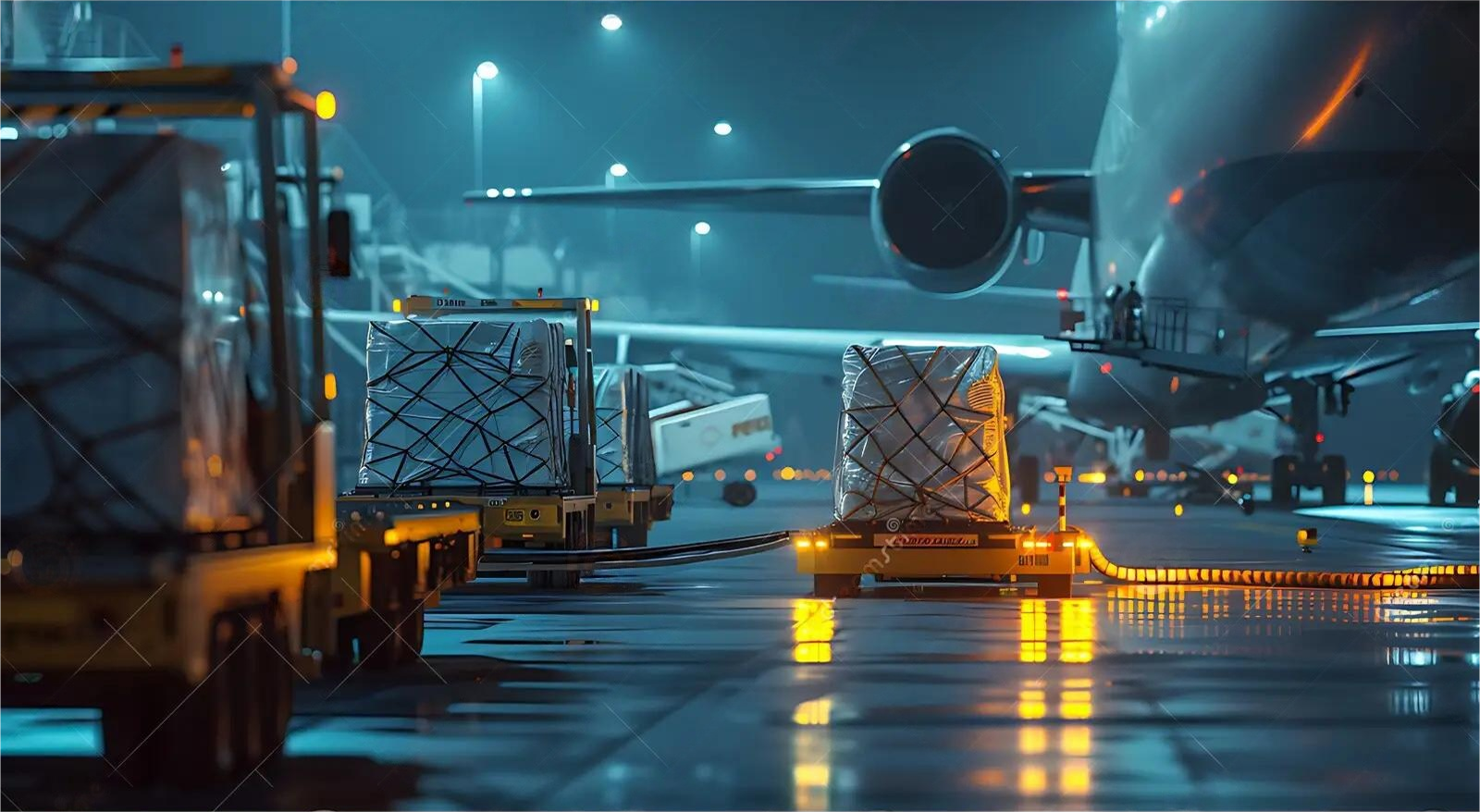
Reefer FCL Shipping from China to Italy: Expert Cold Chain Guide
Managing temperature-sensitive cargo requires precision, reliability, and technical expertise. At TJ China Freight, we specialize in Reefer FCL shipping from China to Italy, ensuring your perishables arrive in perfect condition. Whether you are transporting frozen seafood, fresh produce, or delicate pharmaceuticals, our integrated logistics solutions bridge the gap between Chinese manufacturers and Italian markets efficiently.

What is Reefer FCL Shipping from China to Italy?
Reefer FCL shipping from China to Italy refers to the use of a Full Container Load (FCL) where the entire refrigerated container is dedicated to one shipper. This method provides the highest level of security and temperature stability for perishing goods transport across long distances.
Choosing sea freight for refrigerated shipments allows businesses to move large volumes of cargo while maintaining a strict thermal environment. These containers act as mobile refrigerators, equipped with sophisticated HVAC units that monitor and adjust internal conditions throughout the voyage.
Furthermore, FCL options minimize the risk of cross-contamination or temperature fluctuations that often occur in Less than Container Load (LCL) setups. Consequently, most international importers prefer FCL for high-value items like chemicals or premium food products.
Specifically, the route from China to Italy involves traversing major maritime lanes, passing through the Suez Canal to reach Mediterranean ports. This strategic path ensures a relatively consistent transit time for cold chain solutions.
Why Choose Reefer FCL for Your Perishable Goods?
Temperature-controlled logistics are essential for maintaining the shelf life and safety of your products. Without a doubt, the primary benefit of Reefer FCL shipping from China to Italy is the precise control over atmospheric settings, including humidity and ventilation.
Moreover, dedicated containers reduce handling points during the journey, which is critical for food safety standards. When you book a full container, the unit is sealed at the origin and only opened at the final destination or by customs officials.
Additionally, modern refrigerated containers offer remote monitoring capabilities. Shippers can track real-time data regarding the internal temperature, ensuring that the cold chain remains unbroken from the factory in China to the warehouse in Italy.
How Does Reefer FCL Compare to Other Shipping Options?
Evaluating different transport modes is vital for optimizing your supply chain. While sea freight is the standard for bulk refrigerated cargo, rail freight and air freight offer alternative benefits depending on your urgency.
For instance, air freight provides the fastest delivery but comes with significantly higher costs. In contrast, sea freight offers the best balance between volume capacity and refrigerated shipping costs, making it the go-to choice for most food and beverage importers.
On the other hand, rail options are emerging as a middle ground for certain regions, though refrigerated rail infrastructure is more specialized and less available than maritime routes. Therefore, maritime transport remains the dominant force for China-Italy trade.
| Shipping Method | Cost Range | Transit Time | Best For |
|---|---|---|---|
| Reefer Sea FCL | $3,500 – $5,500 | 30 – 40 Days | Bulk perishables |
| Reefer Rail | $6,000 – $9,000 | 18 – 24 Days | Urgent land-locked cargo |
| Air Freight | $15,000+ | 3 – 7 Days | High-value pharma |
| Sea-Air Hybrid | $8,000 – $12,000 | 15 – 20 Days | Seasonal peaks |

Key Factors Influencing Reefer FCL Freight Rates
Understanding freight rates requires looking at several market variables. Primarily, fuel surcharges and seasonal demand play a massive role in how much you will pay for Reefer FCL shipping from China to Italy.
Additionally, the type of cargo dictates the electricity consumption and monitoring requirements of the container. For example, deep-frozen items require more energy than chilled products, which can lead to variations in the base ocean freight rate.
Moreover, equipment availability often fluctuates. During peak harvest seasons in China, reefer containers may be in high demand, leading to temporary price spikes. Indeed, booking early is the best strategy to secure competitive rates.
Essential Documentation for Italy Import Customs
Navigating the legal requirements of the European Union is a complex task. You must utilize a professional customs brokerage to ensure all health certificates and origin documents meet Italian standards.
Specifically, importers need a Commercial Invoice, a Packing List, and a Bill of Lading. For refrigerated goods, a Phytosanitary Certificate or a Veterinary Certificate is often mandatory to prove the cargo is free from pests and diseases.
Furthermore, Italy requires an EORI number for all businesses involved in international shipping regulations. Consequently, failing to provide the correct paperwork can lead to expensive port storage fees or even cargo seizure.
As a result, we recommend preparing your documentation at least two weeks before the ship departs from the Chinese port. This proactive approach prevents bottlenecks at the Port of Genoa or Trieste.
Major Ports for China to Italy Reefer Routes
Selecting the right port can shave days off your delivery schedule. Most Reefer FCL shipping from China to Italy originates from major hubs like Shanghai, Ningbo, or Shenzhen, which offer the most frequent departures.
In Italy, the primary discharge ports for refrigerated containers are Genoa, La Spezia, and Trieste. Genoa serves as a gateway to Northern Italy and Central Europe, while Trieste is ideally located for cargo heading toward the Adriatic region.
Notably, transit times vary based on the specific port pair. A direct service from Shenzhen to Genoa typically takes less time than a transshipment route via Singapore or Port Said.
| Origin Port | Destination Port | Avg Transit | Service Type |
|---|---|---|---|
| Shanghai | Genoa | 32 Days | Direct |
| Ningbo | La Spezia | 35 Days | Transshipment |
| Shenzhen | Trieste | 30 Days | Direct |
| Qingdao | Naples | 38 Days | Transshipment |
Best Practices for Cold Chain Management
Maintaining the integrity of your shipment starts long before the container is loaded. Initially, you must ensure that your cargo is pre-cooled to the target temperature before it enters the reefer unit.
Furthermore, choosing a door to door service ensures that the refrigerated truck at the origin and destination maintains the same thermal standards as the ocean vessel.
Indeed, proper packing is equally important. Airflow must be allowed to circulate around the pallets to prevent hot spots. Therefore, avoiding over-stuffing the container is a critical step in professional cargo handling.
Finally, always invest in comprehensive marine insurance. Despite the best technology, mechanical failures can happen, and insurance protects your financial interest in the event of temperature excursions.
Real Case Studies: Successful Refrigerated Shipments
Reviewing real-world examples helps illustrate the logistics process. Below are two scenarios involving Reefer FCL shipping from China to Italy based on market data from late 2024.
Case Study 1: Frozen Seafood Export. Route: Dalian to Venice. Cargo: Frozen Tilapia Fillets, 24,000 kg. Container: 40HQ Reefer. Ocean Freight: $4,800. Transit Time: 36 days. Key Insight: Pre-cooling to -18C was critical for passing Italian health inspections.
Case Study 2: Fresh Garlic Shipment. Route: Qingdao to Genoa. Cargo: Fresh Garlic, 22 pallets. Container: 20GP Reefer. Ocean Freight: $3,900. Transit Time: 33 days. Key Insight: Maintaining 60 percent humidity prevented sprout growth during the long sea voyage.

Which Shipping Option Should You Choose?
Deciding on the best method depends on your specific business priorities. If your main goal is cost reduction, then Reefer FCL shipping from China to Italy via sea is the undisputed winner for large volumes.
However, if you are dealing with high-value pharmaceuticals with short expiration dates, air freight is the only viable choice despite the cost. For businesses located in Western China, rail might offer a faster alternative to the Mediterranean.
Ultimately, the decision should be based on a thorough analysis of your budget, the shelf life of your product, and the reliability of the carrier. We recommend consulting with freight forwarding experts to tailor a plan.
Final Thoughts on Reefer Logistics
Successfully executing Reefer FCL shipping from China to Italy requires a combination of technical knowledge and local expertise. By understanding the nuances of container settings, customs requirements, and port operations, you can protect your investment and satisfy your customers.
As market trends evolve, staying informed about freight rates and logistics technology will give you a competitive edge. Trust TJ China Freight to be your partner in navigating the complexities of international refrigerated transport. Our commitment to excellence ensures that your supply chain remains robust and efficient.

Ready to streamline your logistics?
Ready to streamline your cold chain? Contact TJ China Freight today for a customized quote on Reefer FCL shipping from China to Italy. Our team is standing by to ensure your cargo stays fresh every mile of the way. Visit bestchinafreight.com to start your inquiry.
Request Quote