

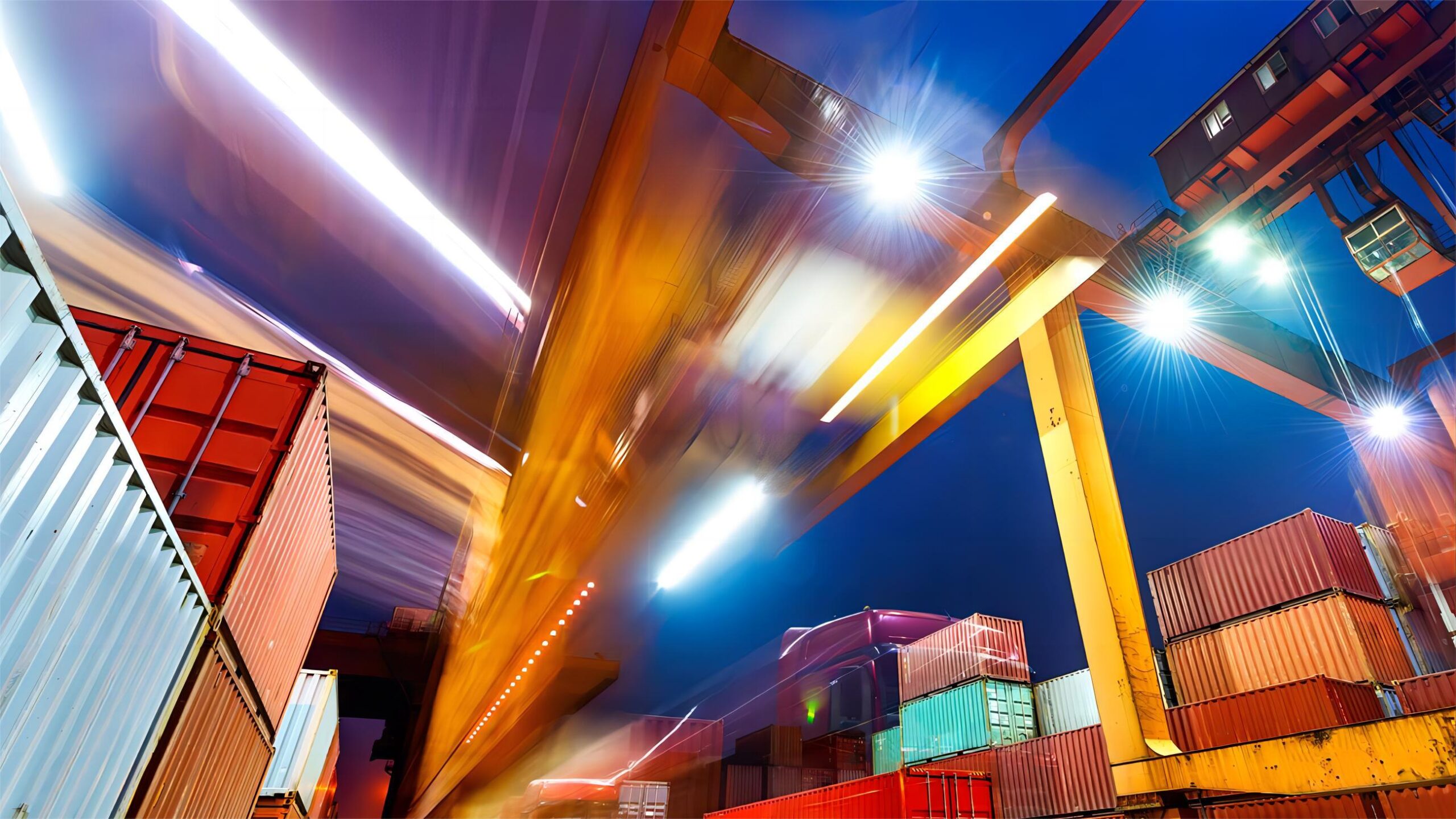
Reefer FCL Best Route for Electronics from China to Los Angeles
Finding the Reefer FCL best route for electronics from China to Los Angeles is essential for businesses that prioritize cargo safety and environmental stability. Many professional importers partner with TJ China Freight to navigate the complexities of temperature-controlled shipping across the Pacific. Consequently, this specialized logistics approach prevents moisture damage and ensures that high-value components reach their destination in perfect working order.

Why Choose the Reefer FCL Best Route for Electronics from China to Los Angeles?
Electronics are highly sensitive to temperature fluctuations and humidity levels during long-distance ocean voyages. Therefore, utilizing a refrigerated container, or reefer, provides a controlled environment that standard containers cannot offer. This method is particularly effective for preventing container rain, which occurs when moisture condenses on the ceiling and drips onto the cargo.
Moreover, high-end server equipment and precision medical electronics require stable conditions to maintain their calibration and functionality. Choosing the Reefer FCL best route for electronics from China to Los Angeles allows shippers to mitigate the risks associated with the harsh maritime climate. Meanwhile, the direct routes from major Chinese hubs to the West Coast of the United States offer the fastest possible sea transit times.
Additionally, the full container load (FCL) aspect ensures that your goods are not handled frequently or mixed with other shippers’ cargo. This exclusivity reduces the likelihood of physical damage during the loading and unloading processes. Consequently, many tech companies view reefer FCL as a necessary investment for their premium supply chain needs.
Major Chinese Ports for Exporting Electronics via Reefer FCL
Several key ports in China serve as the primary departure points for electronics bound for Southern California. Specifically, Shenzhen, Shanghai, and Ningbo are the leading hubs due to their advanced infrastructure and frequent sailing schedules. These ports offer specialized handling facilities for reefer units, ensuring that the cold chain remains intact from the warehouse to the vessel.
Furthermore, Shenzhen is located in the heart of the Pearl River Delta, which is a global manufacturing center for consumer electronics. Shipping from this region often results in lower inland haulage costs and faster processing. On the other hand, Shanghai provides unparalleled capacity and connections for manufacturers located in the Yangtze River Delta.
Nevertheless, selecting the right port depends on your specific factory location and the current congestion levels at each terminal. By analyzing the Reefer FCL best route for electronics from China to Los Angeles, businesses can avoid bottlenecks and optimize their delivery schedules. Indeed, a well-planned departure port is the foundation of a successful logistics strategy.
Transit Times and Port Efficiency Comparison
Transit time is a critical factor for electronics companies that need to maintain low inventory levels and meet market demands. Generally, the direct route from China to Los Angeles takes between 14 and 22 days depending on the carrier and departure city. However, port efficiency and customs processing at both ends can significantly impact the total door-to-door duration.
In addition, carriers like COSCO, Maersk, and MSC offer premium services that prioritize reefer containers during unloading. This priority handling ensures that sensitive cargo is moved to the terminal’s power supply quickly after arrival. Therefore, understanding the nuances of each carrier’s schedule is vital for accurate supply chain planning.
| Departure Port | Destination Port | Average Transit Time | Service Frequency |
|---|---|---|---|
| Shenzhen (Yantian) | Los Angeles | 14-16 Days | Daily |
| Shanghai | Los Angeles | 16-18 Days | Daily |
| Ningbo | Los Angeles | 17-19 Days | 4-5 Times Weekly |
| Qingdao | Los Angeles | 20-22 Days | 3 Times Weekly |

How Reefer FCL Compares to Other Shipping Options
When evaluating the Reefer FCL best route for electronics from China to Los Angeles, it is important to consider alternative methods. While sea freight is the most common choice, air freight and standard dry containers are also viable depending on the cargo’s requirements. Each method presents a different balance of cost, speed, and protection.
For instance, air freight is significantly faster but comes at a much higher price point, making it suitable only for urgent or extremely high-value items. In contrast, standard dry containers are more affordable but lack the climate control necessary for certain sensitive components. Consequently, reefer FCL often serves as the ideal middle ground for bulk electronics shipments.
Furthermore, some shippers consider LCL (Less than Container Load) for smaller volumes. However, LCL does not typically offer reefer options, which means sensitive electronics would be exposed to ambient temperatures. Therefore, for those shipping from North America to China or vice versa, FCL remains the gold standard for protection.
| Shipping Method | Cost Range | Transit Time | Best For |
|---|---|---|---|
| Reefer FCL | $3,000 – $5,000 | 14-22 Days | Sensitive Bulk Tech |
| Standard FCL | $2,000 – $3,500 | 14-22 Days | Robust Electronics |
| Air Freight | $15,000 – $25,000 | 3-7 Days | Urgent Shipments |
| LCL Sea | $50 – $100/CBM | 20-25 Days | Small Batches |
Cost Factors and Market Trends for China to US Routes
Shipping costs for the Reefer FCL best route for electronics from China to Los Angeles are influenced by several dynamic factors. Specifically, fuel surcharges, seasonal demand, and container availability play major roles in determining the final freight rate. During peak seasons, such as the lead-up to the holidays, prices can increase by 20% or more.
Moreover, the specialized nature of reefer equipment means that these containers are often in shorter supply than standard dry boxes. This scarcity can drive up costs during periods of high export volume from China. Nevertheless, businesses can often secure better rates by booking several weeks in advance and maintain a consistent shipping schedule.
Additionally, the cost of electricity and monitoring at the port terminals adds to the overall expense of reefer shipping. Carriers charge a premium for the maintenance of the cooling unit and the continuous power supply required during the voyage. Accordingly, it is essential to factor these ancillary charges into your total landed cost calculations.
Case Study 1: High-Performance Server Racks from Shenzhen
Case Study: Protecting Precision Data Center Equipment
Route: Shenzhen, China to Los Angeles, USA
Cargo: High-performance server racks and networking gear

Container: 40HQ Reefer (Set to 20 degrees Celsius)
Shipping Details:
– Carrier: Major Trans-Pacific Carrier
– Port of Loading: Yantian, Shenzhen
– Port of Discharge: Los Angeles
– Route Type: Direct
Cost Breakdown:
– Ocean Freight: $4,650
– Origin Charges: $450
– Destination Charges: $600
– Customs and Duties: $1,200
– Total Landed Cost: $6,900
Timeline:
– Booking to Loading: 4 days
– Sea Transit: 15 days
– Customs Clearance: 2 days
– Total Door-to-Door: 21 days
Key Insight: Using a reefer container prevented condensation damage during a period of high humidity in the Pacific, saving the client from potential equipment failure.
Case Study 2: Lithium-Ion Battery Components from Shanghai
Case Study: Temperature-Sensitive Battery Arrays
Route: Shanghai, China to Los Angeles, USA
Cargo: Specialized lithium-ion battery components
Container: 20GP Reefer (Set to 15 degrees Celsius)
Shipping Details:
– Carrier: Premium Ocean Service
– Port of Loading: Shanghai (Waigaoqiao)
– Port of Discharge: Los Angeles
– Route Type: Direct
Cost Breakdown:
– Ocean Freight: $3,200
– Origin Charges: $380
– Destination Charges: $520
– Customs and Duties: $850
– Total Landed Cost: $4,950
Timeline:
– Booking to Loading: 5 days
– Sea Transit: 17 days
– Customs Clearance: 3 days
– Total Door-to-Door: 25 days
Key Insight: Maintaining a strict temperature range was a safety requirement for the hazardous materials, which the reefer FCL handled perfectly without any safety incidents.
Customs Clearance and Documentation for Electronics
Navigating the regulatory landscape is a vital part of the Reefer FCL best route for electronics from China to Los Angeles. Electronics often fall under specific tariff classifications that require detailed documentation and compliance with safety standards. Therefore, working with an experienced customs brokerage is highly recommended to avoid delays.
Specifically, you will need a commercial invoice, packing list, bill of lading, and any necessary certificates of origin or safety compliance forms. In addition, the US Customs and Border Protection (CBP) may inspect reefer containers to ensure that the temperature settings do not interfere with scanning equipment. Consequently, ensuring all paperwork is accurate and complete is the best way to speed up the release of your goods.
Without a doubt, delays at the port can be costly, especially when paying for reefer power and monitoring fees. Meanwhile, an efficient customs process ensures that your electronics are moved to their final destination as quickly as possible. Indeed, proactive communication with your broker can save thousands of dollars in potential demurrage charges.
Which Option Should You Choose for Your Electronics?
Deciding on the Reefer FCL best route for electronics from China to Los Angeles requires a careful analysis of your cargo’s vulnerability. If your products are high-value and susceptible to moisture or heat, the reefer option is clearly the superior choice. However, if you are shipping low-margin, robust consumer goods, a standard dry container might suffice to keep costs down.
Budget Priority: If cost is your main concern, consider standard FCL or LCL, provided the transit season is mild. Speed Priority: If you need goods immediately, air freight is the only option, despite the expense. Protection Priority: For sensitive semiconductors, medical devices, or high-end servers, Reefer FCL is the only way to guarantee cargo integrity.
Furthermore, many businesses find that a door to door service simplifies the entire process. This comprehensive approach covers everything from the factory floor in China to the warehouse in Los Angeles. To summarize, the best choice depends on your specific risk tolerance and the technical requirements of your electronics.
Summary of Shipping Electronics via Reefer FCL
Selecting the Reefer FCL best route for electronics from China to Los Angeles is a strategic decision that protects your most valuable assets. By maintaining a stable environment, you eliminate the risks of humidity and temperature damage that often plague trans-Pacific shipments.
In conclusion, while the costs may be higher than standard shipping, the peace of mind and cargo safety provided by reefer containers are invaluable. Partnering with a reliable freight forwarder ensures that your supply chain remains resilient and efficient in an ever-changing global market.
Note: Freight rates are subject to change based on fuel costs, carrier capacity, and seasonal demand. Contact us for a current quote tailored to your specific shipment.

Ready to streamline your logistics?
Ready to secure the Reefer FCL best route for electronics from China to Los Angeles? Contact TJ China Freight today for a customized quote and expert logistics advice. Visit https://bestchinafreight.com/ to start your shipment now.
Request Quote