

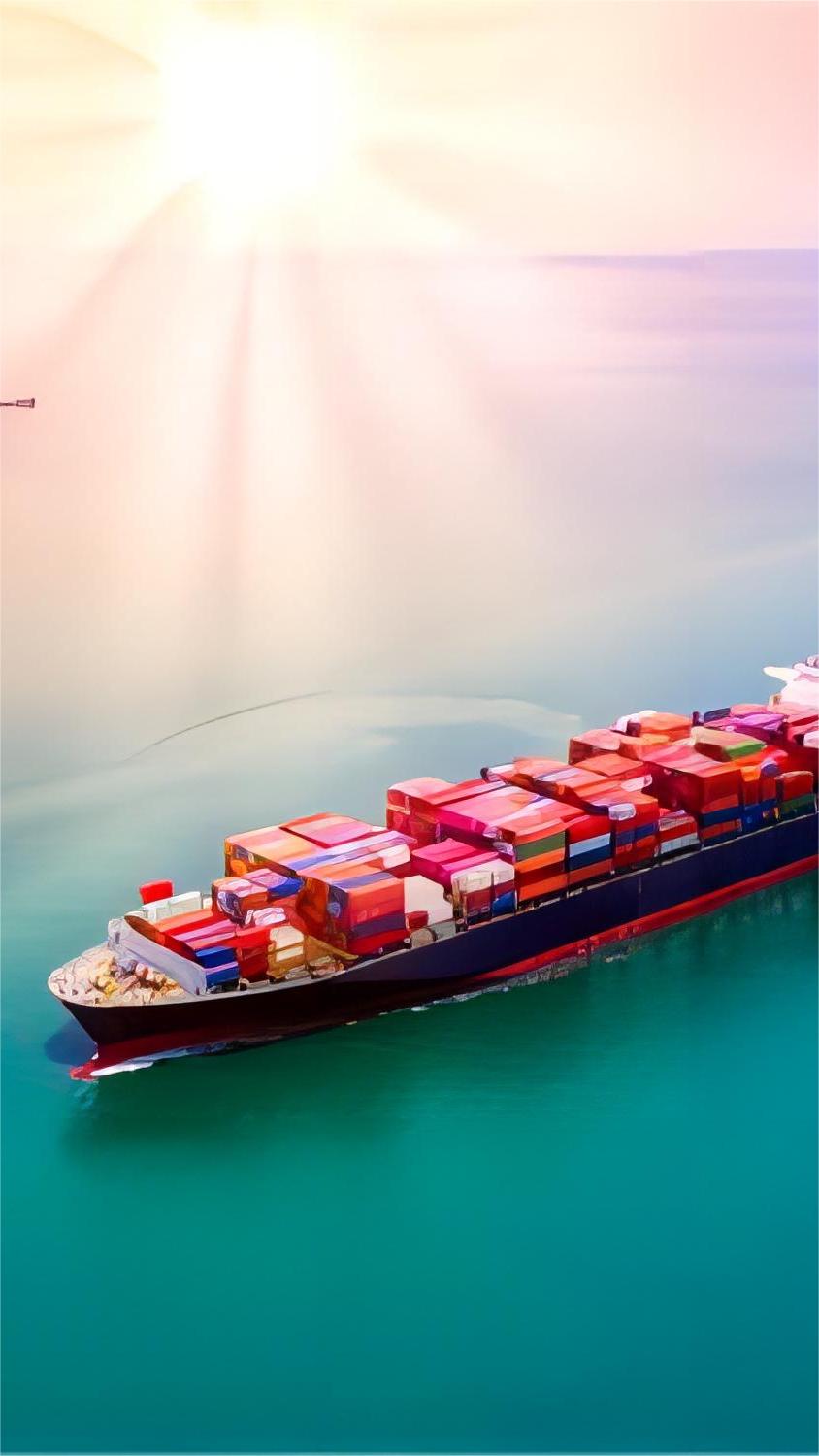
40GP FCL Transit Time for Medical Equipment from China to Poland: A 2025 Guide
Shipping sensitive healthcare technology requires precision and a deep understanding of global logistics timelines. For many importers, the 40GP FCL transit time for medical equipment from China to Poland is the most critical factor in maintaining a steady supply chain. At TJ China Freight, we specialize in navigating these complex routes to ensure your cargo arrives safely and on schedule. Consequently, understanding the variables that influence these delivery windows can help you avoid costly delays and manage inventory effectively. This guide provides a comprehensive overview of the current shipping landscape for medical professionals and distributors.

What is the Average 40GP FCL Transit Time for Medical Equipment from China to Poland?
The standard 40GP FCL transit time for medical equipment from China to Poland typically ranges between 30 and 45 days when using traditional sea routes. However, this timeframe can vary significantly based on the specific port of loading and the final destination in Poland. For example, shipments departing from major hubs like Shanghai or Ningbo to Gdynia usually take about 35 to 40 days under normal conditions. In contrast, rail freight offers a much faster alternative, often completing the journey in 16 to 22 days.
Logistics trends in 2025 suggest that while port congestion has eased, seasonal demand still plays a major role in delivery schedules. Specifically, during peak seasons such as the months leading up to the end of the year, transit times might extend by an additional 7 to 10 days. Therefore, planning your shipments well in advance is essential for maintaining hospital and clinic inventory levels. Moreover, the type of medical equipment, such as heavy MRI machines or delicate ventilators, may require specialized handling that adds a few days to the preparation phase.
Choosing the right carrier is another factor that impacts the total duration of the voyage. Some carriers offer direct services from China to Northern Europe, which can reduce the number of transshipment stops. Consequently, these direct routes are often preferred for high-value medical cargo to minimize the risk of damage during handling. Furthermore, the efficiency of the terminal operations at both the origin and destination ports will dictate how quickly your 40GP container is released for inland transport.
How Does Sea Freight Compare to Other Shipping Options?
When evaluating the 40GP FCL transit time for medical equipment from China to Poland, it is vital to compare all available modes of transport. While sea freight is the most cost-effective method for large volumes, it is also the slowest. For urgent medical supplies, air freight is the fastest but comes at a significantly higher price point. Rail freight occupies the middle ground, offering a balance between speed and cost that many medical distributors find attractive.
Additionally, the volume of your shipment will determine if a full container load is the best choice. For shipments that do not fill a 40GP container, less than container load options are available, though they often involve longer transit times due to the consolidation process. Meanwhile, FCL shipments benefit from being sealed at the origin and only opened at the destination, which is ideal for maintaining the integrity of sterile medical devices. Nevertheless, the choice depends on your specific budget and urgency requirements.
Market data suggests that sea freight remains the dominant choice for 80 percent of medical equipment imports due to its capacity for heavy machinery. However, the 2024 Red Sea disruptions caused many companies to pivot toward rail or sea-air hybrid solutions. Indeed, having a diversified logistics strategy is now a standard practice for resilient supply chains. To help you decide, we have provided a detailed comparison of the primary shipping methods below.
| Shipping Method | Cost Range (40GP) | Transit Time | Best For |
|---|---|---|---|
| Sea Freight | $2,800 – $4,200 | 30-45 Days | Bulk supplies, heavy machinery |
| Rail Freight | $5,500 – $7,500 | 16-22 Days | Time-sensitive equipment |
| Air Freight | $15,000+ | 5-9 Days | Emergency medical parts |
| Sea-Air Hybrid | $8,000 – $10,000 | 18-25 Days | High-value electronics |

Utilizing Rail Freight for Faster Delivery Schedules
For many importers, rail freight has become the preferred alternative to traditional ocean transport. The Iron Silk Road connects major Chinese industrial cities directly to Polish rail terminals like Malaszewicze and Warsaw. Consequently, this route significantly reduces the 40GP FCL transit time for medical equipment from China to Poland compared to the sea. Most rail shipments arrive within three weeks, making it an excellent choice for mid-range urgency.
Furthermore, rail transport is generally more stable than sea freight in terms of schedule reliability. While ocean vessels are subject to weather conditions and port strikes, trains follow a strict timetable with fewer variables. Therefore, distributors can predict their warehouse arrival dates with greater accuracy. Additionally, rail freight produces lower carbon emissions than air freight, which aligns with the sustainability goals of many European healthcare organizations.
However, it is important to note that rail freight costs are typically 50 to 80 percent higher than sea freight. For high-margin medical equipment, this cost is often justified by the reduced lead time and lower inventory carrying costs. Moreover, the vibration and temperature fluctuations on trains are well-managed, ensuring that sensitive electronic components remain functional. Visit our service page to see if rail is the right fit for your next shipment.
Essential Documentation for Medical Equipment Logistics
Shipping medical devices involves strict regulatory compliance that can impact your overall 40GP FCL transit time for medical equipment from China to Poland. Specifically, you must ensure that all products have the necessary CE marking and comply with the European Union Medical Device Regulation. Without proper documentation, your cargo could be held at the border for weeks, negating any gains made during the transit phase. Consequently, working with an experienced partner is vital.
Our team provides comprehensive customs brokerage services to help you navigate these hurdles. Common requirements include the commercial invoice, packing list, bill of lading, and specific certificates of conformity. In addition, certain high-tech medical devices may require import licenses from Polish health authorities. Therefore, preparing these documents at least two weeks before the vessel departs is a recommended best practice.
Moreover, the accuracy of your HS codes is paramount for determining the correct duty rates. Incorrect classification can lead to fines and extensive inspections by Polish customs officials. For instance, diagnostic equipment and surgical instruments often fall under different tariff headings with varying requirements. To summarize, meticulous paperwork is the key to ensuring that your transit time remains within the predicted window and avoids unnecessary delays at the Port of Gdynia or Gdansk.
| Document Name | Purpose | Source | Timeline |
|---|---|---|---|
| CE Certificate | EU Safety Compliance | Manufacturer | Prior to Booking |
| Commercial Invoice | Valuation for Customs | Seller | At Booking |
| Technical Data Sheet | Product Identification | Manufacturer | Upon Request |
| Import License | Legal Permission | Polish Health Dept | 4-6 Weeks Before |
The Benefits of Door to Door Solutions
Managing the last mile of delivery is just as important as the ocean voyage. By choosing a door to door service, you simplify the entire logistics chain from the factory in China to the hospital in Poland. This integrated approach reduces the risk of communication gaps between different service providers. Consequently, you receive a single point of contact and a unified tracking number for the entire journey.
Additionally, door to door services often include the de-consolidation and final trucking from the rail terminal or seaport. For 40GP containers, this means the logistics provider handles the heavy lifting of moving the container from the yard to your warehouse. Furthermore, specialized white-glove delivery services are available for medical equipment that requires professional installation upon arrival. This ensures that your sensitive devices are handled by experts at every stage.
Indeed, many of our clients find that the peace of mind offered by an end-to-end solution outweighs the slight premium in price. Instead of managing multiple vendors, you can focus on your core business while we handle the complexities of international freight. As a result, the 40GP FCL transit time for medical equipment from China to Poland becomes a predictable and manageable part of your operations. We highly recommend this option for first-time importers or those with high-value cargo.
Real-World Case Studies: China to Poland Shipments
Case Study 1: Hospital Grade Imaging Systems. Route: Shanghai to Gdynia. Cargo: 5 MRI Units, 65 CBM, 12,000 kg. Container: 40GP FCL. Shipping Details: Direct sea service via Maersk. Cost: $3,550 Ocean Freight, $450 Origin Charges. Timeline: 4 days booking, 36 days sea transit, 3 days customs. Total: 43 days door-to-door. Key Insight: Early booking allowed for a direct route, saving 6 days compared to transshipment.
Case Study 2: Urgent Ventilator Shipment. Route: Shenzhen to Warsaw. Cargo: 400 Ventilators, 58 CBM, 8,500 kg. Container: 40GP FCL. Shipping Details: Rail freight via Chengdu terminal. Cost: $6,800 Rail Freight, $600 Destination Charges. Timeline: 3 days loading, 18 days rail transit, 2 days customs. Total: 23 days door-to-door. Key Insight: Rail freight was 15 days faster than sea, meeting the urgent hospital deadline during a local respiratory spike.
Case Study 3: Diagnostic Laboratory Supplies. Route: Ningbo to Gdansk. Cargo: Reagents and Lab Kits, 60 CBM, 9,000 kg. Container: 40GP FCL. Shipping Details: Sea freight with temperature-controlled monitoring. Cost: $4,100 Ocean Freight, $800 Specialized Handling. Timeline: 5 days booking, 39 days sea transit, 4 days customs. Total: 48 days door-to-door. Key Insight: Using a 40GP with active monitoring ensured the reagents stayed within the required 15-25 degree Celsius range.
How Does 40GP FCL Compare to Other Shipping Options?
Choosing between a 20GP, 40GP, or 40HQ container depends on your specific cargo volume and weight. While a 40GP offers double the volume of a 20GP, the freight rate is usually only 40 to 60 percent higher. Therefore, for large medical equipment orders, the 40GP FCL is almost always the more economical choice. However, if your equipment is exceptionally tall, a 40HQ (High Cube) might be necessary to provide the extra foot of vertical space.
In contrast, if you are shipping smaller quantities, LCL (Less than Container Load) might seem cheaper. Nevertheless, LCL shipments often face longer transit times because the container must be filled with other shippers’ goods. This can add 5 to 10 days to the total 40GP FCL transit time for medical equipment from China to Poland. Furthermore, the risk of damage is higher in LCL because your medical devices are handled more frequently during the consolidation and deconsolidation phases.
For those shipping to Europe, understanding these trade-offs is essential for budget optimization. Direct sea routes to Poland are available, but some importers choose to discharge at Hamburg or Rotterdam and truck the goods to Poland. While this can sometimes be faster, it often increases the total cost due to the long-distance trucking fees. Consequently, a direct call at Gdynia is usually the best balance of speed and price for Polish destinations.

Decision Framework: Which Option Should You Choose?
To determine the best shipping strategy, you must prioritize your needs based on budget, speed, and cargo type. If budget is your primary concern and you have a 2-month lead time, sea freight is the clear winner. Specifically, scheduling your shipments during the Q1 or Q2 ‘slack’ seasons can save you up to 20 percent on freight rates. On the other hand, if you are launching a new medical product and need it in Poland within 3 weeks, rail freight is the recommended path.
Cargo type also dictates the method. Heavy, durable items like hospital beds are perfect for sea freight. However, sensitive electronics that might be affected by long-term sea salt exposure might benefit from the faster rail route. Additionally, consider the volume thresholds; if you have more than 15 CBM of goods, always get a quote for a 20GP FCL, as it may be cheaper than LCL. If you have more than 30 CBM, a 40GP becomes the most efficient vessel for your supply chain.
Finally, always account for the ‘landed cost’ rather than just the ocean freight. This includes customs duties, VAT, port charges, and inland delivery. Sometimes a more expensive shipping method saves money overall by reducing the amount of capital tied up in transit. To summarize, evaluate the total value of your medical equipment against the cost of time to find the optimal logistics solution for your business.
Final Thoughts on Shipping Medical Equipment to Poland
Navigating the 40GP FCL transit time for medical equipment from China to Poland requires a blend of strategic planning and market intelligence. Whether you choose the cost-effective sea route or the efficient rail alternative, understanding the factors that influence delivery schedules is paramount. By preparing your documentation early and choosing the right container size, you can significantly reduce the risk of delays.
As logistics trends continue to evolve in 2025, staying informed about freight rates and customs regulations will remain a competitive advantage. Remember that the cheapest option is not always the best when dealing with sensitive medical technology. Prioritize reliability and safety to ensure your equipment reaches the healthcare providers who need it most. For personalized assistance, TJ China Freight is here to support your journey every step of the way.
Ready to streamline your logistics?
Ready to optimize your supply chain? Contact us today to get an accurate quote for your 40GP FCL transit time for medical equipment from China to Poland. Our experts are standing by to help you navigate the complexities of international shipping. Send Inquiry:
Request Quote