

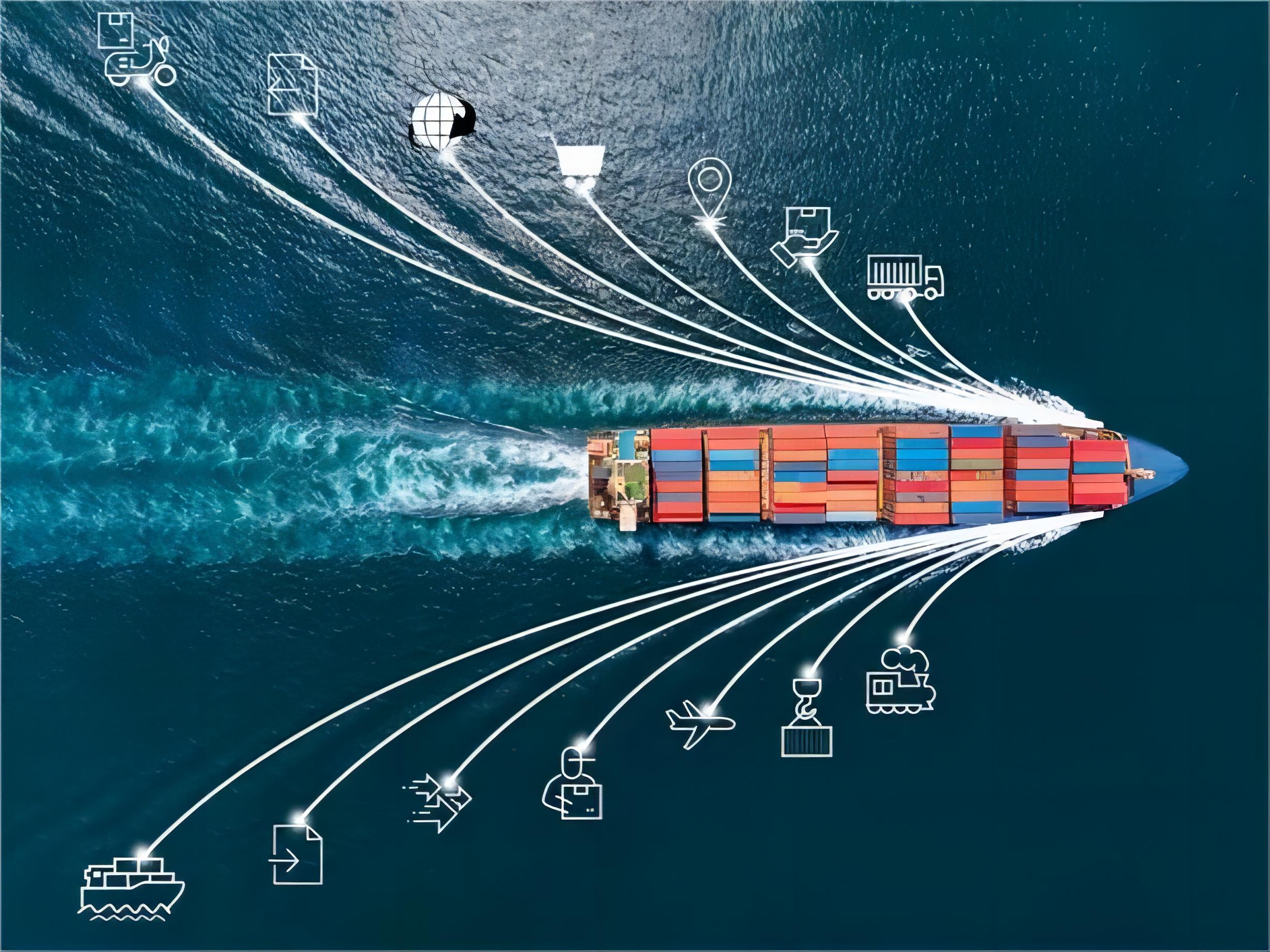
Best Route for FCL Shipping from China to Sweden: 2025 Guide
Selecting the best route for FCL shipping from China to Sweden is a critical decision for businesses looking to optimize their international supply chain with TJ China Freight. This comprehensive guide explores the most efficient shipping lanes, cost-effective strategies, and logistical nuances involved in moving full container loads across the globe. Whether you are importing electronics from Shenzhen or industrial machinery from Shanghai, understanding the available routes ensures your cargo arrives safely and on schedule.

What is the Best Route for FCL Shipping from China to Sweden?
Determining the most effective path depends largely on your specific departure point in China and your final destination in Sweden. Most importers prioritize the southern sea route through the Suez Canal due to its balance of cost and reliability. This maritime path typically connects major hubs like Shanghai or Ningbo to the Port of Gothenburg.
Alternatively, businesses located in northern China might consider the Northern Sea Route, although this remains seasonally restricted and less common for standard commercial shipments. Consequently, the vast majority of sea freight volume travels via the Indian Ocean and the Mediterranean before reaching Scandinavian waters.
Choosing a direct service is often the preferred strategy for high-volume importers. Direct routes minimize handling risks and reduce the likelihood of transshipment delays in hubs like Singapore or Rotterdam. However, transshipment options can sometimes offer lower rates if your schedule allows for a few extra days in transit.
Major Ports of Loading in China for Swedish Destinations
China boasts some of the world’s most advanced port infrastructure, providing numerous exit points for Swedish-bound cargo. Shanghai and Ningbo-Zhoushan serve as the primary gateways for East China, offering the highest frequency of weekly sailings. These ports are ideal for FCL shipments due to their massive capacity and sophisticated container handling systems.
Southern China relies heavily on the ports of Shenzhen and Guangzhou. These locations are perfect for shipping consumer electronics and textiles manufactured in the Pearl River Delta region. Shipping from these southern hubs typically adds a few days to the journey compared to East China ports but offers proximity to a vast manufacturing base.
Northern regions often utilize Qingdao or Tianjin for their exports. These ports provide vital links for heavy industrial goods and agricultural products. When planning your logistics to Europe, selecting the port closest to your supplier is usually the most cost-effective approach to minimize inland haulage expenses.
Transit Times and Expectations for FCL Shipments
Timeframes for maritime transport between these two nations generally range from 35 to 45 days. This duration includes the time spent at sea as well as port operations at both ends. Factors such as weather conditions, seasonal congestion, and carrier schedules can influence the final delivery date.
Direct services from major Chinese hubs to Gothenburg usually hover around the 35-day mark. If your shipment requires transshipment in a European hub like Hamburg or Antwerp, you should expect the timeline to extend to 40 or 45 days. Precise planning is essential to ensure your inventory levels remain stable during these month-long transits.
Market data suggests that transit times have stabilized in early 2025. Nevertheless, shippers should always build a buffer of 5-7 days into their supply chain models. This precaution accounts for potential customs inspections or local trucking delays once the container reaches Swedish soil.
| Origin Port | Destination Port | Service Type | Transit Time |
|---|---|---|---|
| Shanghai | Gothenburg | Direct | 34-38 Days |
| Shenzhen | Stockholm | Transshipment | 42-46 Days |
| Ningbo | Helsingborg | Direct | 36-40 Days |
| Qingdao | Gothenburg | Transshipment | 40-45 Days |

How Does Sea Freight Compare to Other Shipping Options?
Ocean transport is the backbone of global trade, but it is not the only way to move goods to Scandinavia. For many, the best route for FCL shipping from China to Sweden is actually a hybrid or alternative method depending on the urgency of the cargo. Rail and air options provide different benefits regarding speed and cost.
While sea freight offers the lowest cost per unit, rail freight has emerged as a middle-ground solution. The Iron Silk Road connects Chinese rail terminals to European hubs, often reaching Sweden in 18 to 22 days. This method is significantly faster than the sea but costs roughly twice as much.
Air transport remains the premium choice for urgent or high-value items. It reduces transit time to less than a week but comes with a much higher price tag. Understanding these trade-offs allows you to choose the best route for FCL shipping from China to Sweden based on your current business priorities.
| Method | Cost Range (40HQ) | Transit Time | Best For |
|---|---|---|---|
| Sea Freight | $3,000 – $4,500 | 35-45 Days | Bulk / Low Cost |
| Rail Freight | $6,000 – $8,500 | 18-22 Days | Mid-range Urgency |
| Air Freight | $25,000+ | 4-7 Days | High Value / Urgent |
| Sea-Air Hybrid | $12,000 – $15,000 | 15-20 Days | Balanced Needs |
Case Study 1: Industrial Machinery from Shanghai to Gothenburg
Case Study 1: Heavy Equipment Export
Route: Shanghai, China to Gothenburg, Sweden
Cargo: Industrial CNC Machinery, 28 CBM, 12,500 kg
Container: 40GP
Shipping Details:
– Carrier: Maersk Line
– Port of Loading: Shanghai (CNSHA)
– Port of Discharge: Gothenburg (SEGOT)
– Route Type: Direct Service
Cost Breakdown:
– Ocean Freight: $3,450
– Origin Charges: $420
– Destination Charges: $550
– Customs and Duties: $1,200
– Total Landed Cost: $5,620
Timeline:
– Booking to Loading: 4 days
– Sea Transit: 36 days
– Customs Clearance: 2 days
– Total Door-to-Door: 42 days
Key Insight: Using a direct service from Shanghai minimized the risk of damage to sensitive machinery by avoiding extra handling in transshipment ports. Based on Q4 2024 market rates.
Case Study 2: Electronics from Shenzhen to Stockholm
Case Study 2: Consumer Electronics Distribution
Route: Shenzhen, China to Stockholm, Sweden
Cargo: LED Components, 55 CBM, 8,000 kg
Container: 40HQ
Shipping Details:
– Carrier: COSCO Shipping
– Port of Loading: Yantian (CNYTN)
– Port of Discharge: Stockholm via Hamburg
– Route Type: Transshipment via Hamburg
Cost Breakdown:
– Ocean Freight: $4,100
– Origin Charges: $380
– Destination Charges: $620
– Customs and Duties: $2,100
– Total Landed Cost: $7,200
Timeline:
– Booking to Loading: 3 days
– Sea Transit: 41 days
– Customs Clearance: 3 days
– Total Door-to-Door: 47 days
Key Insight: Choosing a transshipment route through Hamburg allowed the importer to utilize a specific feeder service that delivered closer to their Stockholm warehouse. Typical rates as of early 2025.

Cost Factors Influencing FCL Shipping Rates
Freight rates are rarely static and fluctuate based on several global variables. Fuel surcharges, often referred to as BAF (Bunker Adjustment Factor), can change monthly. Additionally, carrier capacity and seasonal demand play huge roles in determining the final price you pay.
Peak season usually begins in August and runs through October as retailers prepare for the holiday rush. During this time, rates can increase by 20% or more. Consequently, booking your shipments well in advance or during the slack season in February and March can lead to significant savings.
Container types also affect pricing. A 40HQ container offers more volume than a standard 40GP for a relatively small price difference. Therefore, maximizing your container utilization is one of the most effective ways to lower your per-unit shipping cost. Note: Freight rates are subject to change based on fuel costs, carrier capacity, and seasonal demand. Contact us for a current quote tailored to your specific shipment.
Navigating Customs and Documentation Requirements
Successful importing requires meticulous attention to paperwork. Sweden, as part of the European Union, follows strict customs protocols. You must provide a Commercial Invoice, Packing List, and a Bill of Lading for every FCL shipment. Failure to provide accurate documentation can lead to expensive storage fees and delays.
Utilizing a professional customs brokerage service is highly recommended for new importers. These experts ensure that your HS codes are correct and that you are paying the appropriate VAT and duty rates. This step is vital for maintaining compliance with Swedish Customs (Tullverket).
Moreover, you must ensure your supplier provides an EORI number if they are acting as the exporter of record in certain scenarios. Having all digital documents ready before the vessel arrives in Gothenburg will significantly speed up the release of your cargo. Proper preparation prevents the headache of unexpected port demurrage charges.
Which Option Should You Choose for Your Sweden Route?
Selecting the right strategy depends on your business model. If budget is your primary concern, standard sea freight remains the unbeatable champion. It offers the lowest cost for large volumes of goods, making it ideal for established supply chains with predictable demand.
However, if you are facing a stock-out or launching a new product, rail freight might be the better investment. The 20-day time saving can often justify the higher freight expense. For those requiring a seamless experience, a door to door service handles everything from the factory floor in China to your warehouse in Sweden.
Volume thresholds also matter. If you are shipping more than 15 CBM, FCL is almost always more economical than LCL (Less than Container Load). By controlling the entire container, you reduce the risk of contamination and damage from other shippers’ goods while enjoying faster transit times at the destination port.
Final Thoughts on Shipping to Sweden
In summary, finding the best route for FCL shipping from China to Sweden requires a clear understanding of your timing, budget, and cargo requirements. While the traditional sea route remains the most popular for its cost-effectiveness, rail and hybrid options offer valuable alternatives for those needing more speed.
By partnering with an experienced freight forwarder and focusing on port selection and documentation, you can navigate the complexities of international trade with confidence. Remember to monitor market trends and book early to secure the best possible rates for your containers in the coming year.

Ready to streamline your logistics?
Ready to optimize your supply chain and find the best route for FCL shipping from China to Sweden? Our logistics experts are standing by to provide you with a customized quote and professional guidance. Contact TJ China Freight today to streamline your international shipping process and reduce your landed costs. Visit our website to request a free quote now.
Request Quote