

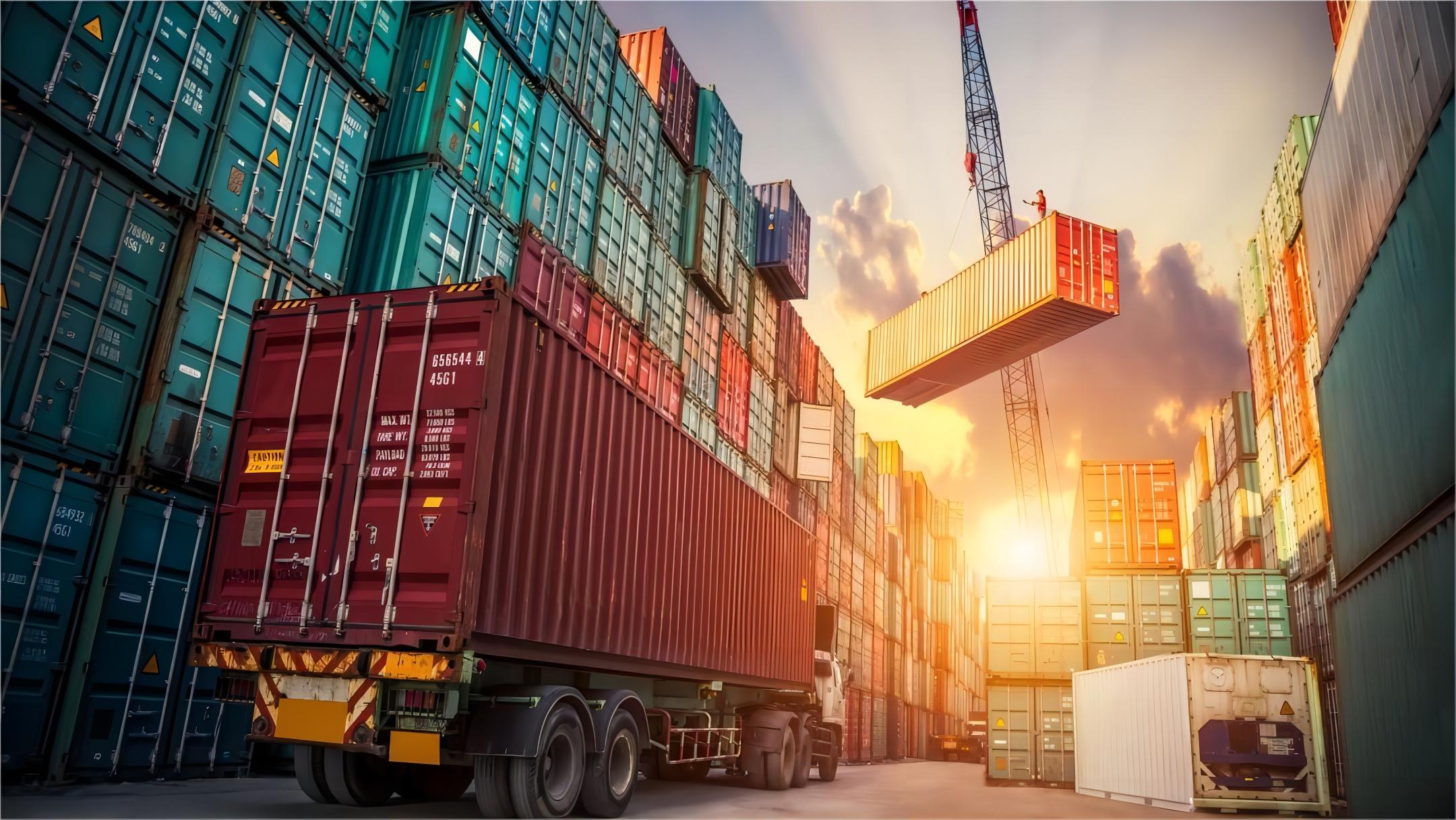
Reefer FCL Sailing Schedule: China to Miami Machinery Shipping
Shipping sensitive machinery from China to Miami demands specialized logistics, especially when temperature and humidity control are critical. Reefer Full Container Load (FCL) service offers the precise environment needed for such valuable cargo. For expert guidance on your international shipping needs, visit TJ China Freight.

Understanding Reefer FCL for Sensitive Machinery
Reefer FCL, or refrigerated full container load, is essential for transporting machinery vulnerable to environmental factors like temperature fluctuations or humidity. This method ensures your valuable equipment, whether medical devices or high-tech industrial parts, remains in pristine condition throughout transit.
Crucially, reefer containers maintain a consistent internal climate, protecting electronics, delicate components, and precision instruments from damage. This controlled environment mitigates risks associated with long-distance sea freight, safeguarding your investment.
Navigating Reefer FCL Sailing Schedules from China to Miami
Identifying a reliable reefer FCL sailing schedule from China to Miami is paramount for efficient supply chain management. Typical transit times for this route range from 30 to 40 days, depending on the origin port in China and specific carrier services. Key departure ports often include Shanghai, Ningbo, and Shenzhen.

Furthermore, direct routes offer faster transit, while services involving transshipment may take longer but can sometimes be more cost-effective. Always confirm the detailed door-to-door schedule to align with your project timelines and delivery requirements.
Key Factors Influencing Your Reefer FCL Costs and Transit
Several elements dictate the overall cost and transit time for your reefer FCL shipment. These include the specific container size (e.g., 20ft or 40ft reefer), the precise temperature and humidity settings required, and the chosen shipping line. Market conditions, such as fuel surcharges and peak season demand, also play a significant role in determining freight rates.
Moreover, additional costs might arise from origin and destination charges, customs duties, and specialized handling for oversized or delicate machinery. Obtaining a comprehensive quote that covers all aspects of the logistics process is vital for accurate budget planning.
| Factor | Impact on Cost | Impact on Transit Time |
|---|---|---|
| Container Size | Larger containers cost more | Minimal direct impact |
| Temperature Setting | More precise control can increase cost | No direct impact |
| Origin/Destination Port | Varies by port efficiency | Significant variation |
| Carrier & Route | Premium carriers/direct routes cost more | Faster for direct routes |
| Seasonality | Peak seasons (e.g., Q4) increase rates | Potential delays during peak |
How Does Reefer FCL Compare to Other Shipping Options?
When shipping machinery, comparing reefer FCL with alternative methods is crucial. While air freight offers speed, it comes at a significantly higher cost and may not accommodate very large machinery. Conversely, standard dry FCL sea freight is cheaper but lacks the essential environmental controls for sensitive goods.
Therefore, for temperature-sensitive or humidity-prone machinery, reefer FCL presents an optimal balance of cost-efficiency and cargo protection over long distances. It ensures your specialized equipment arrives in Miami in perfect working order, mitigating potential repair or replacement expenses.
| Shipping Method | Cost Range (40HQ China-Miami) | Transit Time | Best For | Limitations |
|---|---|---|---|---|
| Reefer FCL | $4,500 – $7,000 | 30-40 days | Temperature/humidity sensitive machinery | Higher cost than dry FCL |
| Dry FCL | $3,500 – $6,000 | 30-40 days | Non-sensitive, large volume machinery | No environmental control |
| Air Freight | $15,000 – $30,000+ | 5-10 days | Urgent, high-value, smaller machinery | Very high cost, volume/weight limits |

Case Study: Securing Precision Machinery from China
Case Study 1: High-Value Industrial Components
This case involved the shipment of precision industrial components, specifically advanced robotics parts, from Shenzhen, China, to Miami, USA. The cargo, weighing 6,000 kg and occupying 22 CBM, required a controlled environment to prevent corrosion and maintain calibration.
A 40-foot High Cube (40HQ) reefer container was selected to ensure stable temperature and humidity. The shipment was managed by a major carrier like COSCO, sailing from Shenzhen Port to Miami Port via a direct service. The total logistics solution included efficient customs brokerage.
| Detail | Value |
|---|---|
| Route | Shenzhen, China to Miami, USA |
| Cargo | Advanced robotics parts, 22 CBM, 6,000 kg |
| Container | 40HQ Reefer |
| Carrier/Service | Major carrier (e.g., COSCO) |
| Port of Loading | Shenzhen |
| Port of Discharge | Miami |
| Route Type | Direct |
| Ocean Freight (Q1 2025) | $5,800 |
| Origin Charges | $400 |
| Destination Charges | $450 |
| Customs & Duties (est.) | $950 |
| Total Landed Cost (est.) | $7,600 |
| Sea Transit | 32 days |
| Total Door-to-Door | 40 days |
| Key Insight | Proactive monitoring of reefer settings and clear communication ensured component integrity. |
Optimizing Your Reefer FCL Shipment: A Decision Framework
Choosing the right reefer FCL solution depends on your specific priorities. If budget is your primary concern, consider booking well in advance and exploring carriers with slightly longer transit times. For speed-critical machinery, prioritizing direct routes and premium services is advisable.
Furthermore, the type of machinery dictates temperature and humidity requirements, which in turn influences container choice and operational costs. For example, high-precision electronics may require tighter control than certain types of heavy industrial machinery. Always evaluate volume thresholds; if your cargo fills a 40HQ, FCL is almost always more economical than express service for large volumes.
Ensuring Secure and Timely Delivery of Your Machinery
Effectively managing a reefer FCL sailing schedule from China to Miami is crucial for the safe transit of sensitive machinery. By understanding the factors influencing costs, transit times, and choosing the right logistics partner, you can ensure your valuable cargo arrives in optimal condition. Prioritizing meticulous planning and expert execution will lead to successful outcomes for your machinery imports.
Start Your Shipment
Ready to secure your sensitive machinery shipment from China to Miami? Contact us today for a personalized Reefer FCL sailing schedule and competitive quote. Our experts are here to streamline your logistics process.
Request Quote