

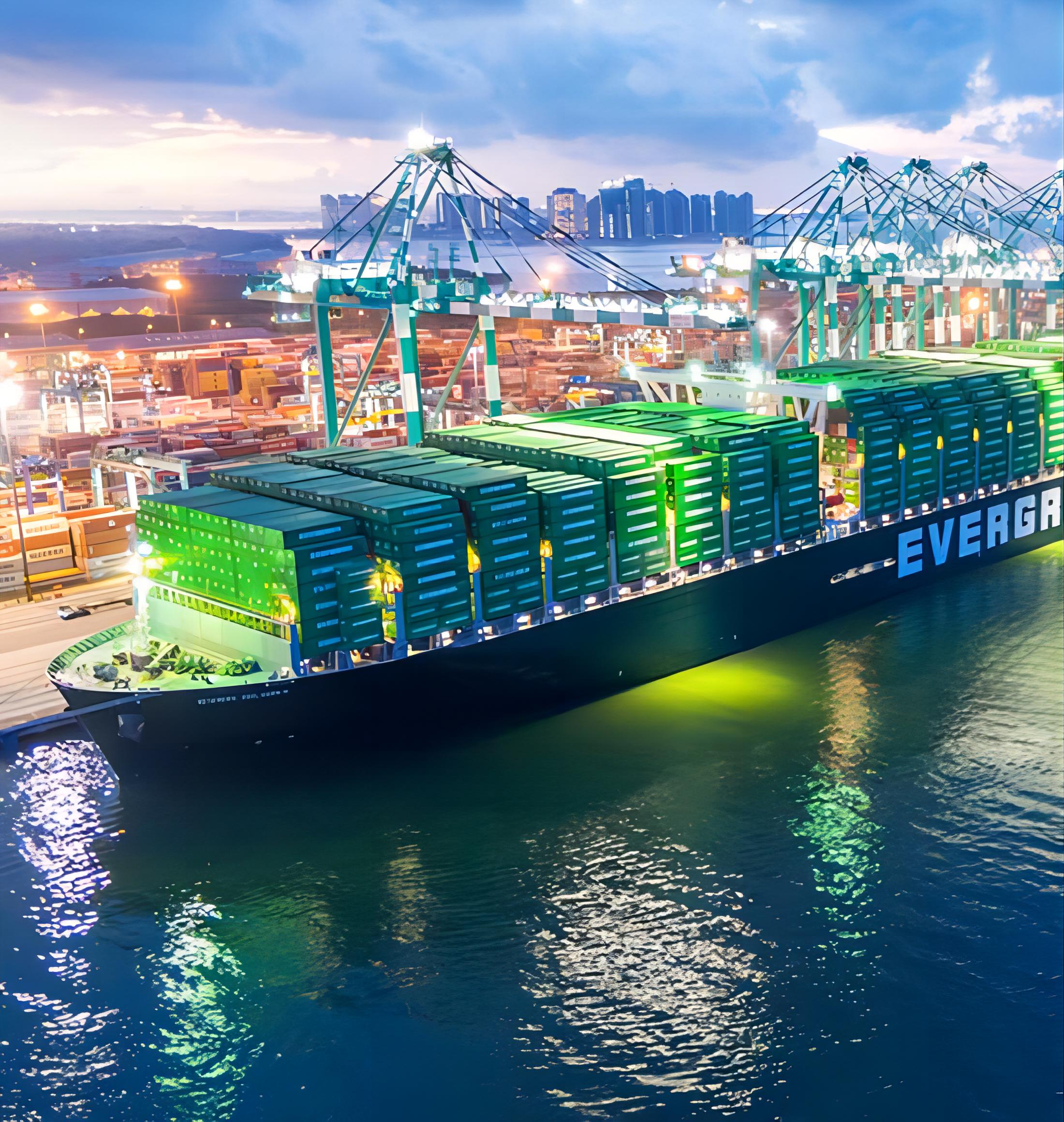
20GP FCL Transit Time for Furniture: China to Italy Guide
Shipping furniture from China to Italy via 20GP FCL demands careful planning to ensure timely delivery and cost efficiency. Understanding the typical transit time is crucial for managing your supply chain effectively. This guide provides comprehensive insights into the factors influencing your shipment’s journey and how to optimize it for your business needs.

What is the Typical 20GP FCL Transit Time for Furniture from China to Italy?
Typically, the 20GP FCL transit time for furniture from China to Italy ranges from 30 to 40 days. This duration primarily accounts for the sea leg of the journey.
However, this estimate can vary significantly based on several factors, including the specific origin and destination ports, chosen shipping line, and current market conditions. Consequently, careful planning is always essential.
Key Factors Influencing Your Furniture Shipment’s Transit Time
Several critical elements directly impact the overall transit time for your 20GP FCL furniture shipment. Understanding these helps you better manage expectations and plan logistics.

Firstly, the choice of port in China (e.g., Shanghai, Ningbo, Shenzhen) and Italy (e.g., Genoa, Livorno, Venice) plays a major role. Direct routes are faster, whereas transshipment routes, involving multiple stops, extend the journey.
Secondly, the shipping carrier and service level also matter. Premium services might offer slightly faster transit times but often come at a higher cost. Moreover, peak seasons, like before major holidays or during Q4, can lead to port congestion and delays.
Lastly, unforeseen circumstances such as adverse weather conditions, customs inspections, or geopolitical events can also disrupt schedules. Therefore, building in buffer time is a prudent strategy for any importer.
How Do Shipping Costs Impact Your Furniture Import from China to Italy?
Shipping costs are a major component of importing furniture, directly affecting your budget and ultimately, your product’s landed cost. For a 20GP FCL, costs typically include ocean freight, terminal handling charges, and various surcharges.
Market rates for a 20GP container from China to Italy can range from $1,800 to $2,800 for ocean freight, as of early 2025. These figures are subject to change due to fuel costs, carrier capacity, and seasonal demand.
Additionally, origin and destination charges, documentation fees, and customs duties will add to the total. For example, a 20GP container may incur an additional $500-1000 in local charges at both ends. Considering these factors is vital for accurate financial planning.
Note: Freight rates are subject to change based on fuel costs, carrier capacity, and seasonal demand. Contact us for a current quote tailored to your specific shipment.

Navigating Customs and Documentation for Italy-Bound Furniture
Efficient customs clearance is paramount for minimizing delays and ensuring a smooth flow of your furniture into Italy. Proper documentation is the cornerstone of this process.
Key documents include the commercial invoice, packing list, bill of lading, and certificate of origin. Furthermore, furniture imports may require specific declarations regarding materials or safety standards, depending on the product type.
Engaging a reputable customs brokerage service can significantly streamline this complex procedure. They ensure all paperwork is accurate and compliant with Italian and EU regulations, thereby preventing costly hold-ups.
Incorrect or incomplete documentation is a common cause of delays at the port of entry. Thus, meticulous preparation and professional assistance are highly recommended.
How Does 20GP FCL Sea Freight Compare to Other Shipping Options?
While 20GP FCL sea freight is often the most economical choice for furniture, particularly for bulk shipments, it is not the only option. Importers should consider alternatives based on urgency, budget, and cargo volume.
For instance, air freight offers significantly faster transit times but at a much higher cost. Conversely, for smaller volumes, Less than Container Load (LCL) sea freight might be suitable, albeit with potentially longer transit times due to consolidation.
Rail freight, connecting China to Europe, presents a middle-ground solution, balancing speed and cost. This method is gaining popularity for its efficiency compared to sea freight, avoiding maritime bottlenecks.
Understanding these trade-offs is essential for making an informed decision that aligns with your supply chain strategy. Each method has distinct advantages and disadvantages, depending on your specific requirements.
| Shipping Method | Cost Range (20GP Equivalent) | Transit Time (China-Italy) | Best For | Limitations |
|---|---|---|---|---|
| FCL Sea Freight (20GP) | $1,800 – $2,800 | 30-40 days | Large volume, cost-effectiveness | Long transit time, port congestion |
| LCL Sea Freight | $50 – $100 per CBM | 35-50 days | Small volume, lower upfront cost | Longer transit, potential delays, higher per CBM rate |
| Rail Freight | $6,000 – $9,000 | 18-25 days | Medium urgency, balanced cost/speed | Limited routes, capacity constraints |
| Air Freight | $10,000 – $25,000+ | 5-8 days | Urgent shipments, high-value goods | Very high cost, volume/weight restrictions |

Which Option Should You Choose for Your Furniture Imports?
Selecting the optimal shipping method for your furniture from China to Italy depends on a clear understanding of your priorities. Budget, speed, and cargo characteristics are the primary decision drivers.
If budget is your top priority and you have a full container’s worth of furniture, 20GP FCL sea freight is undoubtedly the most economical choice. It offers the lowest cost per unit, making it ideal for bulk imports.
However, if speed is critical, perhaps for seasonal collections or urgent stock replenishment, air freight provides the fastest delivery. Be prepared for a substantial increase in shipping costs, though. Therefore, carefully weigh the urgency against the financial outlay.
For a balance of cost and speed, especially for time-sensitive but not hyper-urgent shipments, rail freight offers a compelling alternative. This method bridges the gap between the slow, cheap sea and the fast, expensive air options. Conversely, for smaller volumes that don’t fill a 20GP, LCL sea freight or even express service could be more suitable, although LCL might extend transit times.
Real-World Examples: Furniture Shipments to Italy
Exploring actual shipment scenarios provides practical insights into the complexities and outcomes of importing furniture. These case studies highlight typical transit times, costs, and key considerations.
These examples are based on typical rates and transit times as of early 2025, reflecting market conditions and common shipping practices. They demonstrate how different factors influence the final delivery.
Case Study 1: Modern Living Room Set via FCL Sea Freight
This case illustrates a standard 20GP FCL shipment of mid-range furniture, focusing on cost-effectiveness and reliable delivery over speed. The furniture was destined for a retail showroom in Milan.
| Detail | Value |
|---|---|
| Route | Shanghai, China -> Genoa, Italy |
| Cargo | Modern living room sets, 28 CBM, 4,500 kg |
| Container | 20GP FCL |
| Shipping Details | |
| – Carrier/Service | Major carrier (e.g., COSCO) |
| – Port of Loading | Shanghai |
| – Port of Discharge | Genoa |
| – Route Type | Direct |
| Cost Breakdown | |
| – Ocean Freight | $2,200 |
| – Origin Charges (THC, documentation) | $350 |
| – Destination Charges | $400 |
| – Customs & Duties (estimated) | $1,500 |
| – Total Landed Cost (excl. inland) | $4,450 |
| Timeline | |
| – Booking to Loading | 5 days |
| – Sea Transit | 32 days |
| – Customs Clearance | 3 days |
| – Total Door-to-Port | 40 days |
| Key Insight | Cost-effective for bulk, but required 2-week buffer for potential delays. |
Case Study 2: Custom Office Furniture via Rail Freight
This example demonstrates using rail freight for custom office furniture where a faster-than-sea transit was required without the high cost of air freight. The delivery was to a business in Rome.
| Detail | Value |
|---|---|
| Route | Chongqing, China -> Milan, Italy (via rail terminal) |
| Cargo | Custom office desks & chairs, 20 CBM, 3,000 kg |
| Container | 20GP FCL |
| Shipping Details | |
| – Carrier/Service | China-Europe Railway Express |
| – Rail Terminal (China) | Chongqing |
| – Rail Terminal (Europe) | Malaszewicze (Poland) then onward by rail/truck to Milan |
| – Route Type | Transcontinental Rail |
| Cost Breakdown | |
| – Rail Freight | $7,500 |
| – Origin Charges | $300 |
| – Destination Charges (incl. onward truck) | $800 |
| – Customs & Duties (estimated) | $1,200 |
| – Total Landed Cost (excl. inland) | $9,800 |
| Timeline | |
| – Booking to Loading | 7 days |
| – Rail Transit | 18 days |
| – Customs Clearance | 2 days |
| – Total Door-to-Port | 27 days |
| Key Insight | Significant time saving over sea freight, suitable for medium urgency. |
Case Study 3: Small Batch Designer Furniture via LCL Sea Freight
For smaller quantities of high-end designer furniture, LCL sea freight was chosen to minimize costs, despite the longer transit time. This shipment was for a boutique store in Florence.
| Detail | Value |
|---|---|
| Route | Ningbo, China -> Livorno, Italy |
| Cargo | Designer chairs & tables, 8 CBM, 1,200 kg |
| Container | LCL (Less than Container Load) |
| Shipping Details | |
| – Carrier/Service | Consolidator service |
| – Port of Loading | Ningbo |
| – Port of Discharge | Livorno |
| – Route Type | Consolidated Sea Freight |
| Cost Breakdown | |
| – Ocean Freight (per CBM) | $80/CBM ($640 total) |
| – Origin Charges (incl. consolidation) | $450 |
| – Destination Charges (incl. deconsolidation) | $600 |
| – Customs & Duties (estimated) | $500 |
| – Total Landed Cost (excl. inland) | $2,190 |
| Timeline | |
| – Booking to Loading | 10 days (for consolidation) |
| – Sea Transit | 35 days |
| – Customs Clearance | 4 days |
| – Total Door-to-Port | 49 days |
| Key Insight | Cost-effective for small volumes but requires patience due to longer lead times and consolidation processes. |
Optimizing Your Supply Chain for Furniture Imports
Effective supply chain management is crucial for successful furniture imports. It involves more than just selecting a shipping method; it encompasses end-to-end logistics.
Consider consolidating multiple orders from different suppliers into a single 20GP FCL shipment. This strategy can significantly reduce per-unit shipping costs and streamline your receiving process. Furthermore, negotiate favorable terms with your suppliers and carriers.
Moreover, implementing a robust inventory management system helps forecast demand accurately, preventing both overstocking and stockouts. Utilizing a reliable door to door service simplifies coordination, as a single provider manages the entire journey from factory to your warehouse. This integrated approach minimizes administrative burden and potential points of failure.
Partnering with a Reliable Freight Forwarder
Navigating the complexities of international shipping for furniture requires expertise and a trusted partner. A professional freight forwarder can offer invaluable support.
They assist with route optimization, carrier selection, customs compliance, and risk management. Their extensive network and industry knowledge can secure better rates and more efficient transit times.
A good freight forwarder, like TJ China Freight, acts as an extension of your logistics team, providing tailored solutions for your specific furniture import needs. They can offer insights into the best practices for handling delicate cargo and ensuring its safe arrival.
Mastering Your Furniture Imports: China to Italy
In conclusion, managing the 20GP FCL transit time for furniture from China to Italy involves a multi-faceted approach. Factors such as port selection, shipping method, and customs clearance all play pivotal roles in the overall efficiency and cost of your shipment.
By understanding these variables, considering alternative shipping solutions, and partnering with an experienced freight forwarder, importers can significantly optimize their supply chain. Ultimately, informed decisions lead to more predictable transit times and greater cost savings for your furniture business.
Ready to streamline your logistics?
Ready to optimize your 20GP FCL transit time for furniture from China to Italy? Contact our experts today for a personalized quote and seamless shipping solutions. We are here to help you navigate the complexities of international logistics.
Request Quote