

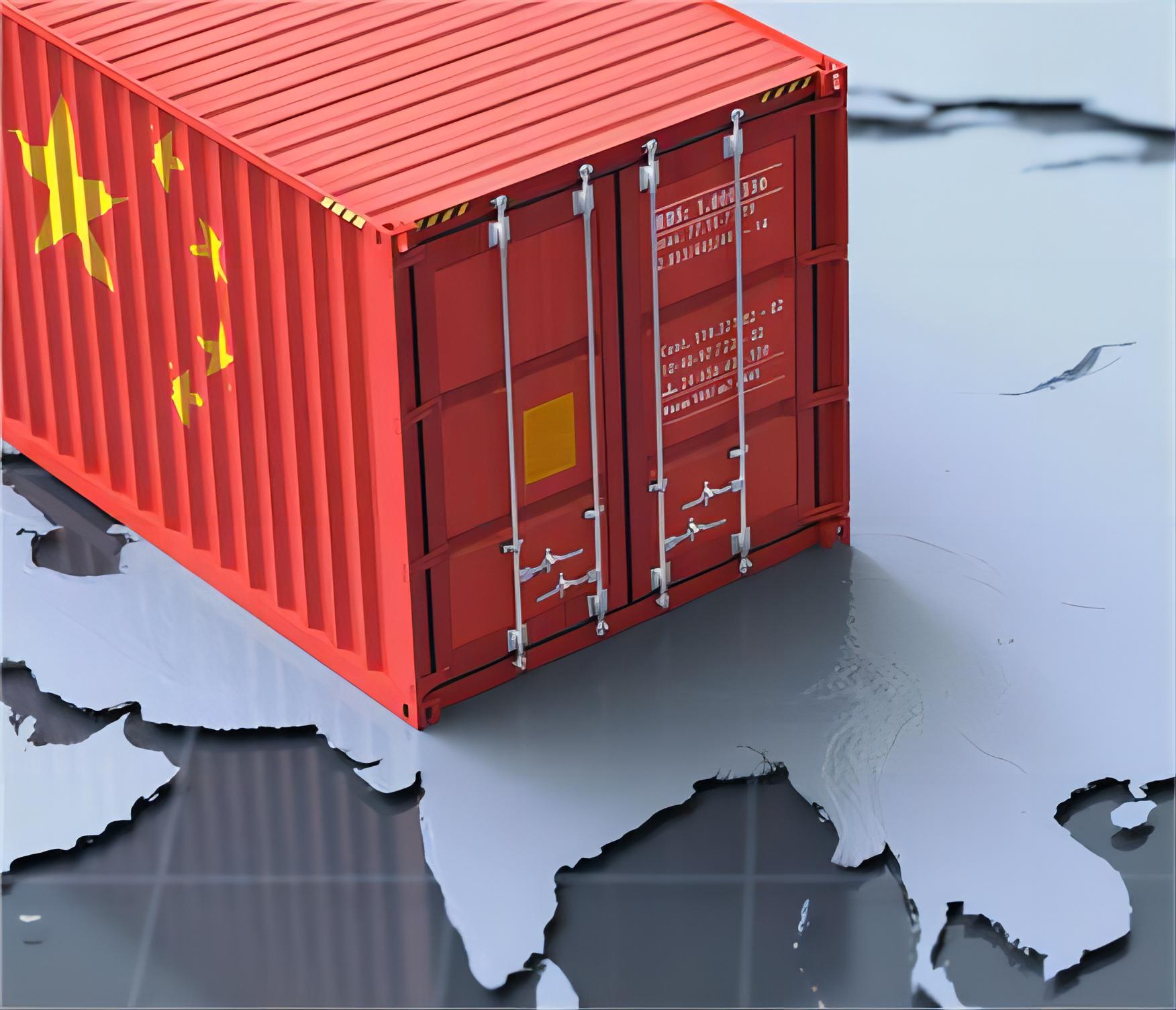
20GP FCL Booking Process for Electronics from China to Poland
“Shipping electronics from China to Poland requires careful planning and a robust logistics strategy. For larger volumes, the 20GP FCL booking process for electronics from China to Poland offers efficiency and cost-effectiveness. This comprehensive guide, brought to you by TJ China Freight, will simplify the complexities of full container load (FCL) shipments for your valuable cargo. We aim to help you understand every step, from initial booking to final delivery, ensuring a smooth experience.”

What is a 20GP FCL Shipment for Electronics?
❖A 20GP FCL (Full Container Load) refers to using an entire 20-foot general purpose shipping container for your cargo alone. This method is particularly suitable for electronics due to the security and dedicated space it provides. Moreover, it minimizes handling compared to shared container options.

Conversely, a 20-foot container offers approximately 33 CBM (cubic meters) of usable space, ideal for medium-sized batches of consumer electronics or components. Opting for FCL ensures your goods are not consolidated with other shippers’ cargo. Therefore, this reduces the risk of damage or delays during transit.
| Feature | FCL (Full Container Load) | LCL (Less than Container Load) |
|---|---|---|
| Cargo Volume | Dedicated container (20GP, 40GP, 40HQ) | Shared container, pay per CBM |
| Cost Structure | Flat rate per container | Variable, based on volume/weight |
| Transit Time | Generally faster, direct routing | Potentially longer due to consolidation/deconsolidation |
| Security | Higher, less handling | Moderate, more handling points |
| Best For | Larger shipments, sensitive goods (electronics) | Smaller shipments, lower urgency |
Why Choose 20GP FCL for Electronics to Poland?
❖Electonics are often delicate and valuable, thus requiring secure and efficient transport. Choosing a 20GP FCL provides several distinct advantages for shipments from China to Poland. Firstly, it offers enhanced security, as your products remain sealed within one container throughout the journey.

Furthermore, FCL shipments often lead to faster transit times since there’s no need for cargo consolidation or deconsolidation at various ports. This directly translates to a more predictable delivery schedule. Ultimately, for significant volumes of electronics, a 20GP FCL can be more cost-effective per unit than Less than Container Load (LCL) options.
Considering the value of electronics, minimizing handling points is crucial. Fewer touchpoints reduce the risk of damage or theft during the shipping process. Therefore, FCL is a preferred choice for many businesses importing electronics into Europe.
The 20GP FCL Booking Process for Electronics from China to Poland: A Step-by-Step Guide
❖Successfully managing the 20GP FCL booking process for electronics from China to Poland involves several critical steps. Following these stages diligently ensures a smooth and compliant shipment. Proper planning at each phase is essential for mitigating potential delays and unexpected costs.
Initially, obtaining accurate quotes is paramount. You need to provide detailed information about your cargo, including its type, dimensions, weight, and desired shipping terms (Incoterms). Subsequently, selecting a reliable freight forwarder like TJ China Freight will streamline the entire process.
Step 1: Requesting a Quote and Booking
Begin by providing your freight forwarder with comprehensive details about your electronics shipment. This includes the exact quantity, packaging type, and any special handling requirements. Moreover, specify your preferred port of loading in China and port of discharge in Poland.
Based on this information, the forwarder will provide a detailed freight rate, including ocean freight, surcharges, and estimated local charges. Once you accept the quote, you can proceed with booking your 20GP FCL container. This typically involves confirming the booking with the shipping line.
Step 2: Preparing Documentation and Cargo
Accurate documentation is vital for customs clearance and smooth transit. Essential documents include the commercial invoice, packing list, bill of lading (B/L), and any required licenses or certificates for electronics. Furthermore, ensure your electronics are properly packaged to withstand the rigors of international shipping.
For electronics, this might include anti-static packaging, shock-absorbent materials, and sturdy cartons. Many electronic devices also contain batteries, which may be classified as dangerous goods. Consequently, proper labeling and declarations are often necessary. Consult your freight forwarder for specific guidelines on hazardous electronics shipping.
| Document Type | Purpose | Key Information |
|---|---|---|
| Commercial Invoice | Proof of sale, customs valuation | Shipper/Consignee, description of goods, value, Incoterms |
| Packing List | Details of cargo contents | Number of packages, weight, dimensions, contents of each package |
| Bill of Lading (B/L) | Contract of carriage, title to goods | Shipper, consignee, notify party, vessel, port details, cargo description |
| Certificate of Origin | Proof of country of manufacture | Country where goods were produced |
| CE Declaration of Conformity | Mandatory for EU market | Manufacturer’s declaration that product meets EU safety standards |
Step 3: Inland Transportation and Port Procedures in China
Once your electronics are ready, they need to be transported from your factory or warehouse to the port of loading. This is typically arranged by your freight forwarder. Consequently, the container will be picked up, loaded, and then transported to the port terminal.
At the port, your container undergoes customs inspection and clearance procedures by Chinese authorities. After successful clearance, the container is loaded onto the vessel. The shipping line will issue the ‘Shipped On Board’ Bill of Lading, confirming the departure of your cargo.
Step 4: Ocean Transit and Monitoring
The vessel will then embark on its journey from China to Poland. The transit time from major Chinese ports like Shanghai or Ningbo to Polish ports such as Gdansk or Gdynia typically ranges from 28 to 35 days. Meanwhile, your freight forwarder will provide tracking updates on your shipment’s progress.
Real-time monitoring helps anticipate any potential delays due to weather, port congestion, or other unforeseen circumstances. This transparency is crucial for effective supply chain management. Hence, staying informed throughout the sea voyage is highly recommended.
Step 5: Customs Clearance in Poland and Final Delivery
Upon arrival at the Polish port, your electronics shipment will undergo import customs clearance. This process involves submitting all required documentation to Polish customs authorities. Additionally, import duties and VAT must be paid before the cargo can be released.
Our customs brokerage services can significantly expedite this phase. After clearance, the container is typically transported to a warehouse for deconsolidation (if applicable) or directly to your specified delivery address. Many businesses opt for door-to-door solutions for maximum convenience.
Real-World Scenarios: 20GP FCL for Electronics
❖Understanding the practical application of the 20GP FCL booking process for electronics from China to Poland is crucial. These case studies illustrate common scenarios and outcomes. They highlight various factors influencing cost and transit times for electronics import.
Case Study 1: Consumer Electronics Shipment
This case study demonstrates a typical shipment of consumer electronics from a manufacturing hub to a distributor in Poland. It highlights the importance of timely documentation and efficient port handling. The total landed cost includes all associated charges from origin to destination.
| Detail | Description |
|---|---|
| Route | Shenzhen, China -> Gdynia, Poland |
| Cargo | Smartphones and accessories, 28 CBM, 9,500 kg |
| Container | 20GP FCL |
| Shipping Details | Carrier: COSCO, Port of Loading: Shenzhen, Port of Discharge: Gdynia, Route Type: Direct |
| Cost Breakdown | Ocean Freight: $2,100, Origin Charges: $450, Destination Charges: $380, Customs & Duties (estimated): $1,200, Total Landed Cost: $4,130 (Based on Q3 2024 market rates) |
| Timeline | Booking to Loading: 5 days, Sea Transit: 30 days, Customs Clearance: 3 days, Total Door-to-Door: 38 days |
| Key Insight | Smooth customs clearance due to pre-filed declarations and accurate product classification. |
Case Study 2: IT Equipment for a New Office
This scenario involves importing IT equipment for a company’s new branch office. It emphasizes the need for careful packaging of sensitive equipment and potential challenges with peak season rates. Planning ahead was essential to manage costs effectively.
| Detail | Description |
|---|---|
| Route | Shanghai, China -> Gdansk, Poland |
| Cargo | Servers, network devices, monitors, 25 CBM, 8,000 kg |
| Container | 20GP FCL |
| Shipping Details | Carrier: MSC, Port of Loading: Shanghai, Port of Discharge: Gdansk, Route Type: Transshipment via Hamburg |
| Cost Breakdown | Ocean Freight: $2,350, Origin Charges: $520, Destination Charges: $410, Customs & Duties (estimated): $1,500, Total Landed Cost: $4,780 (Typical rates as of early 2025, slight increase due to peak season impact) |
| Timeline | Booking to Loading: 7 days, Sea Transit: 32 days, Customs Clearance: 4 days, Total Door-to-Door: 43 days |
| Key Insight | Transshipment added a few days but offered a more competitive rate during a busy period. Robust packaging prevented any damage. |
Case Study 3: Electronic Components for Manufacturing
This example focuses on regular imports of electronic components for a Polish manufacturer. It highlights the importance of consistent supply chain management and leveraging stable freight rates. Long-term partnerships with freight forwarders can yield better pricing.
| Detail | Description |
|---|---|
| Route | Ningbo, China -> Gdynia, Poland |
| Cargo | Microcontrollers, PCBs, sensors, 30 CBM, 10,000 kg |
| Container | 20GP FCL |
| Shipping Details | Carrier: Maersk, Port of Loading: Ningbo, Port of Discharge: Gdynia, Route Type: Direct |
| Cost Breakdown | Ocean Freight: $1,950, Origin Charges: $400, Destination Charges: $350, Customs & Duties (estimated): $1,000, Total Landed Cost: $3,700 (Industry average for this route, Q1 2025) |
| Timeline | Booking to Loading: 4 days, Sea Transit: 29 days, Customs Clearance: 2 days, Total Door-to-Door: 35 days |
| Key Insight | Efficient communication with the supplier and freight forwarder led to minimal delays and optimized transit time. |
How Does 20GP FCL Compare to Other Shipping Options?
❖While 20GP FCL sea freight is often the go-to for electronics, other methods exist, each with unique advantages and disadvantages. Understanding these alternatives is crucial for making informed decisions. Your choice will ultimately depend on factors like urgency, budget, and cargo value.
Consider the specific needs of your electronics shipment. For instance, high-value, time-sensitive items might warrant a different approach. Conversely, less urgent, bulkier goods might still benefit from standard sea freight.
| Shipping Method | Cost Range (20GP Equivalent) | Transit Time (China to Poland) | Best For | Limitations |
|---|---|---|---|---|
| Sea Freight (FCL 20GP) | $1,800-2,500 | 28-35 days | Large volumes, cost-efficiency, less urgent, durable electronics | Slowest transit time |
| Sea Freight (LCL) | $50-80/CBM | 35-45 days | Small volumes (<15 CBM), budget-conscious | Longer transit, more handling, potential for delays |
| Rail Freight | $4,000-6,000 | 18-25 days | Mid-size volumes, moderate urgency, certain routes | Less flexible routes, limited capacity |
| Air Freight | $15,000-25,000 (for similar volume) | 5-10 days | High value, urgent, small/medium volumes, fragile items | Highest cost, volume/weight restrictions |
Alternative Strategies for Electronics Shipping
For extremely urgent electronics, air freight is an undeniable option. Although significantly more expensive, it offers unparalleled speed. Consequently, it is ideal for prototypes, emergency stock, or high-value, low-volume components. Air freight can deliver goods from China to Poland in 5-10 days.
Alternatively, for mid-range urgency and cost, rail freight presents a viable hybrid solution. Rail services from China to Poland typically take 18-25 days, striking a balance between sea freight’s cost-effectiveness and air freight’s speed. This method is gaining popularity for electronics. However, it is not suitable for all origins/destinations in China or Poland.
Moreover, if your electronics shipment is smaller than a 20GP FCL, Less than Container Load (LCL) sea freight could be considered. LCL is more economical for volumes under 15 CBM, as you only pay for the space you use. Nevertheless, LCL comes with longer transit times and increased handling, which might be a concern for delicate electronics.

Which Option Should You Choose for Your Electronics Shipment?
❖Selecting the right shipping method for your electronics from China to Poland depends on several key priorities. Each option offers a different balance of cost, speed, and security. Consider these factors carefully before making your final decision.
Budget priority: If cost-effectiveness is your main concern and you have sufficient lead time, 20GP FCL sea freight is usually the optimal choice. It provides the lowest per-unit cost for larger shipments. Therefore, it is ideal for standard inventory replenishment.
Speed priority: For time-critical electronics, such as new product launches or urgent repairs, air freight is the recommended option. Although more expensive, it ensures the fastest delivery. Conversely, rail freight offers a good compromise between speed and cost.
Cargo type considerations: Delicate or high-value electronics benefit most from FCL sea freight due to reduced handling and enhanced security. However, for extremely fragile or highly sensitive components, air freight might be preferable. Always consider adequate insurance for valuable cargo.
Volume thresholds for switching methods: Generally, for volumes above 15 CBM, FCL sea freight becomes more economical than LCL. If your shipment approaches 20GP capacity (around 25-30 CBM), FCL is almost always the better financial and logistical choice. For smaller, urgent shipments, express service or air freight is more suitable.
Navigating Customs, Duties, and Regulations for Electronics in Poland
❖Importing electronics into Poland, a member of the European Union, involves adhering to specific customs regulations and paying applicable duties and VAT. Understanding these requirements is crucial for a compliant and smooth import process. Consequently, proper classification of your electronics is paramount.
Electronics often fall under various Harmonized System (HS) codes, which determine the duty rates. Furthermore, specific certifications like CE marking are mandatory for many electronic products sold within the EU. Failure to comply can result in delays, penalties, or even rejection of your shipment.
Market data suggests that import duties for electronics can range from 0% to 14%, depending on the specific product category. Additionally, a standard VAT rate of 23% applies in Poland. Therefore, it is vital to calculate these costs accurately into your total landed cost. Consulting with an experienced freight forwarder or customs broker is highly advisable to avoid surprises.
Conclusion: Mastering Your Electronics Imports
Navigating the 20GP FCL booking process for electronics from China to Poland can seem daunting, but with the right knowledge and partner, it becomes a straightforward endeavor. By understanding the booking steps, documentation requirements, and alternative shipping strategies, you can optimize your supply chain. Ultimately, efficient planning ensures your valuable electronics reach their destination safely and on time.
Partnering with an experienced freight forwarder like TJ China Freight will simplify these complexities. We are dedicated to providing transparent pricing, reliable service, and expert advice for all your international shipping needs. Therefore, focus on your business while we handle the logistics of your electronics imports.
Ready to streamline your logistics?
Ready to streamline your 20GP FCL booking process for electronics from China to Poland? Contact us today for a personalized quote and expert guidance. Our team is prepared to offer efficient and reliable logistics solutions tailored to your specific needs.
Request Quote