

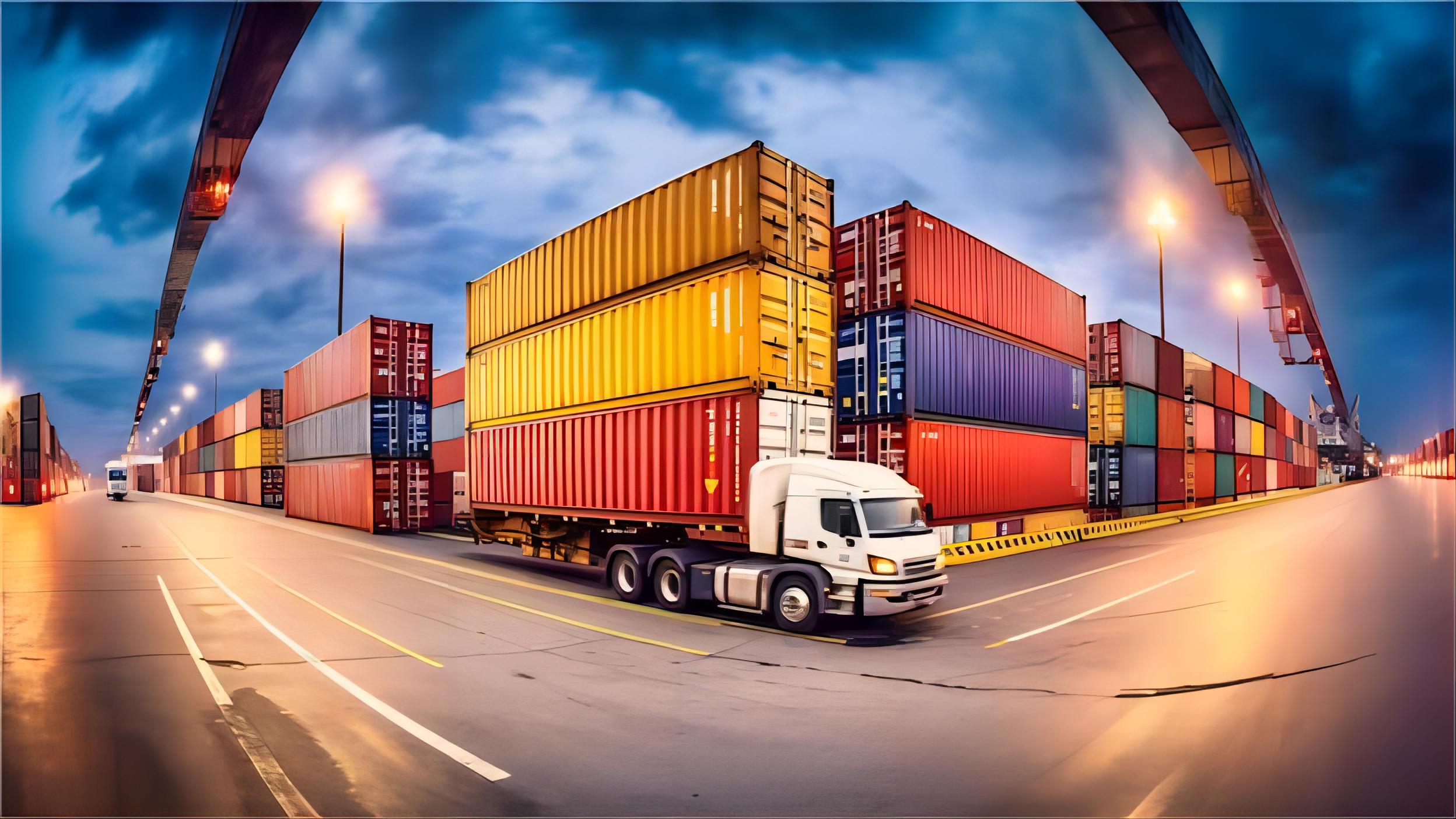
40HQ FCL Shipping Cost for Medical Equipment from China to Miami
Transporting medical equipment from China to Miami requires careful planning and a clear understanding of logistics. Specifically, the 40HQ FCL shipping cost for medical equipment from China to Miami can fluctuate significantly. This guide, brought to you by TJ China Freight, aims to demystify these expenses and provide actionable insights for your supply chain.

What is 40HQ FCL Shipping and Why Choose It for Medical Equipment?
Full Container Load (FCL) shipping means your medical equipment occupies an entire container. This method offers several advantages, particularly for high-value or sensitive cargo.
A 40HQ, or 40-foot High Cube container, provides extra vertical space compared to a standard 40-foot container. Consequently, it is ideal for bulky medical devices or larger quantities of supplies.

Choosing FCL ensures that your medical equipment is not mixed with other shippers’ goods. This minimizes handling risks and significantly reduces the potential for damage during transit.
Moreover, FCL shipping often results in faster transit times compared to Less than Container Load (LCL) options. Direct loading and unloading procedures streamline the entire logistics process, which is crucial for time-sensitive medical supplies.
Ultimately, for businesses importing substantial volumes of medical equipment, FCL provides both security and efficiency. It represents a cost-effective solution when cargo volume justifies a dedicated container.
Key Factors Influencing 40HQ FCL Shipping Cost for Medical Equipment from China to Miami
Several variables contribute to the overall 40HQ FCL shipping cost for medical equipment from China to Miami. Understanding these elements is essential for accurate budgeting and strategic planning.
Firstly, the base ocean freight rate is the primary component. This rate is influenced by global supply and demand for shipping capacity, fuel prices, and carrier competition.
Secondly, various surcharges are applied. These can include Bunker Adjustment Factor (BAF), Currency Adjustment Factor (CAF), Peak Season Surcharge (PSS), and General Rate Increases (GRIs).
Thirdly, port charges at both the origin (China) and destination (Miami) play a significant role. Terminal Handling Charges (THC) are common, covering the cost of moving containers within the port.
Additionally, customs duties and taxes are levied by US Customs and Border Protection. The classification of medical equipment under the Harmonized Tariff Schedule (HTS) code directly impacts these costs.
Finally, inland transportation from the port of discharge in Miami to the final destination adds to the overall cost. This ‘last mile’ delivery can vary based on distance and local infrastructure.
Market Conditions and Seasonal Fluctuations
Freight rates are highly dynamic, responding to global economic shifts and specific industry events. As of Q1 2025, rates have generally stabilized after recent supply chain disruptions, but remain subject to change.
Market data suggests that peak seasons, typically from August to October, often see rate increases of 15-25%. This is due to higher demand leading up to major holidays.
Furthermore, unexpected events like port congestion or geopolitical issues can cause sudden spikes in pricing. Staying informed about logistics trends is therefore critical.
Working with an experienced freight forwarder like TJ China Freight helps navigate these complexities. They can provide timely updates and secure competitive rates even during volatile periods.
Customs Clearance and Documentation for Medical Equipment
Importing medical equipment into the USA involves stringent regulatory compliance, especially with the FDA. Accurate and complete documentation is paramount to avoid delays and penalties.
Required documents typically include a commercial invoice, packing list, bill of lading, and certificate of origin. Furthermore, specific FDA registrations and permits are often necessary.
Misclassification of medical devices can lead to incorrect duty assessments or even seizure of goods. Therefore, expert customs brokerage is invaluable for compliance.
A professional customs broker ensures all necessary paperwork is correctly filed and submitted. They can also advise on potential duty drawback programs or free trade agreements that might reduce costs.
| Document Type | Purpose | Key Information |
|---|---|---|
| Commercial Invoice | Proof of sale, customs valuation | HS codes, value, consignee details |
| Packing List | Details of cargo contents | Quantity, weight, dimensions per package |
| Bill of Lading (BL) | Contract of carriage, title to goods | Shipper, consignee, carrier, port details |
| Certificate of Origin | Confirms country of manufacture | Country of origin, product description |
| FDA Import Permit | Regulatory compliance for medical devices | Product registration, manufacturer details |
Estimating Your 40HQ FCL Shipping Cost: China to Miami (2024-2025)
While exact figures require a specific quote, we can provide realistic ranges for the 40HQ FCL shipping cost for medical equipment from China to Miami. These figures are based on current market rates as of early 2025.
Typically, the ocean freight component for a 40HQ from major Chinese ports (e.g., Shanghai, Ningbo, Shenzhen) to Miami ranges from $4,500 to $6,000. This is for port-to-port service.
Origin charges, including terminal handling, documentation, and drayage to the port, generally add $300-$600. These are typically paid by the shipper.
Destination charges in Miami, covering port fees and drayage from the port, can range from $400-$800. These are usually paid by the consignee.
Customs duties and taxes for medical equipment can vary significantly, from 0% to 10% or more, depending on the specific HTS code and any applicable trade agreements. An estimate of $500-$2,000 is a reasonable starting point, but always verify.
For a comprehensive door-to-door medical equipment delivery, including inland transport in China and the USA, expect total costs to fall within $6,000-$9,500. This includes all the aforementioned components.

How Does FCL Shipping Compare to Other Options for Medical Equipment?
When importing medical equipment, it’s crucial to evaluate various shipping methods. FCL isn’t always the sole solution; alternative approaches might be more suitable depending on your specific needs.
Consider the trade-offs between cost, speed, and cargo volume. Each method presents distinct advantages and limitations that can impact your supply chain logistics.
This comparison will help you determine the most efficient and economical way to transport your medical devices from China to Miami. Understanding these options provides greater flexibility in your import strategy.
Comparison Table: Sea Freight (FCL vs LCL) vs Air Freight
The following table provides a comprehensive overview of the main shipping methods. It outlines their typical cost ranges, transit times, best use cases, and inherent limitations.
This structured comparison assists in making informed decisions about your medical device import costs. It highlights the scenarios where each method truly excels.
| Shipping Method | Cost Range (40HQ equivalent) | Transit Time (China to Miami) | Best For | Limitations |
|---|---|---|---|---|
| Sea Freight (FCL) | $4,500 – $6,000 (ocean freight) | 30-35 days | Large volume, non-urgent, cost-sensitive medical equipment | Long transit time, less flexible schedule |
| Sea Freight (LCL) | $80-$150 per CBM (for <15 CBM) | 35-45 days | Smaller shipments, non-urgent, budget-conscious | More handling, longer transit than FCL, higher risk of damage/delays |
| Air Freight | $15,000 – $25,000 (for ~10-15 CBM equivalent) | 5-7 days | Urgent, high-value, small volume medical supplies | Very high cost, volume/weight restrictions, environmental impact |
Alternative Approaches and Cost-Saving Strategies
For urgent, smaller medical equipment shipments, air freight is an obvious alternative. While significantly more expensive, it dramatically reduces transit times, which can be critical for certain medical devices.
Conversely, for shipments under 15 CBM, Less than Container Load (LCL) sea freight may be more economical than a full container. This helps reduce initial outlay for smaller batches of medical supplies.
Consider optimizing packaging to maximize container space utilization. Efficient packing can prevent the need for an additional container, thereby reducing overall shipping costs from China.
Exploring DDP (Delivered Duty Paid) service options can streamline your import process. This door-to-door service handles all aspects, including customs and duties, offering predictability in total landed cost.
Furthermore, engaging in long-term contracts with freight forwarders can sometimes secure more stable and favorable rates. This is especially true for regular importers of medical devices.
Which Option Should You Choose?
If budget is your primary priority and your medical equipment is not time-sensitive, FCL sea freight is generally the most cost-effective option. It offers the best value for large volumes.
However, if speed is paramount for critical medical supplies or emergency restocking, air freight is the recommended choice. The higher cost is justified by rapid delivery.
For cargo types that are fragile or require minimal handling, FCL offers superior protection. The dedicated container minimizes exposure to potential damage during transit.
Volume thresholds are also key; if your shipment is consistently above 15-20 CBM, FCL becomes more economical than LCL. Conversely, smaller, consolidated shipments suit LCL better.
Real-World Case Studies: Medical Equipment Shipping from China to Miami
Understanding real-world scenarios provides practical insights into the 40HQ FCL shipping cost for medical equipment from China to Miami. These examples illustrate typical costs and timelines.
These case studies reflect common challenges and successful strategies in the complex world of international freight. They offer a glimpse into the logistics for sensitive medical cargo.
Note: Freight rates are subject to change based on fuel costs, carrier capacity, and seasonal demand. Contact us for a current quote tailored to your specific shipment.
Case Study 1: Large Volume Diagnostic Equipment
This client needed to import a substantial quantity of diagnostic imaging equipment for a new clinic in Florida. The cargo was non-urgent but required careful handling.
| Detail | Description |
|---|---|
| Route | Shanghai, China to Miami, USA |
| Cargo | Diagnostic imaging equipment, 60 CBM, 12,000 kg |
| Container | One 40HQ FCL |
| Shipping Details | Carrier: COSCO, Port of Loading: Shanghai, Port of Discharge: Miami, Route Type: Direct |
| Cost Breakdown | Ocean Freight: $5,200, Origin Charges: $450, Destination Charges: $600, Customs & Duties (estimated): $1,800, Total Landed Cost: $8,050 |
| Timeline | Booking to Loading: 5 days, Sea Transit: 32 days, Customs Clearance: 3 days, Total Door-to-Door: 40 days |
| Key Insight | Smooth customs pre-clearance with accurate HTS codes avoided delays, showcasing efficient medical device import costs management. |
Case Study 2: Hospital Bed Inventory Resupply
A healthcare distributor needed to replenish their inventory of adjustable hospital beds. Cost-efficiency was paramount, given the bulk nature of the product.
| Detail | Description |
|---|---|
| Route | Ningbo, China to Miami, USA |
| Cargo | Adjustable hospital beds, 68 CBM, 10,000 kg |
| Container | One 40HQ FCL |
| Shipping Details | Carrier: MSC, Port of Loading: Ningbo, Port of Discharge: Miami, Route Type: Transshipment via Panama |
| Cost Breakdown | Ocean Freight: $4,800, Origin Charges: $400, Destination Charges: $700, Customs & Duties (estimated): $1,500, Total Landed Cost: $7,400 |
| Timeline | Booking to Loading: 7 days, Sea Transit: 35 days, Customs Clearance: 4 days, Total Door-to-Door: 46 days |
| Key Insight | Opting for a slightly longer transit via transshipment saved approximately 10% on ocean freight, optimizing shipping costs from China. |
Case Study 3: Specialized Surgical Instruments
This case involved importing specialized surgical instruments requiring strict temperature control and secure handling. The client prioritized safety and compliance.
| Detail | Description |
|---|---|
| Route | Shenzhen, China to Miami, USA |
| Cargo | Specialized surgical instruments, 55 CBM, 8,000 kg |
| Container | One 40HQ FCL (with reefer capability, though not active cooling) |
| Shipping Details | Carrier: Maersk, Port of Loading: Shenzhen, Port of Discharge: Miami, Route Type: Direct |
| Cost Breakdown | Ocean Freight: $5,500, Origin Charges: $500, Destination Charges: $650, Customs & Duties (estimated): $2,000, Total Landed Cost: $8,650 |
| Timeline | Booking to Loading: 6 days, Sea Transit: 30 days, Customs Clearance: 3 days, Total Door-to-Door: 39 days |
| Key Insight | Pre-shipment inspection medical equipment and robust packaging minimized damage risk, ensuring integrity of sensitive cargo. |
Optimizing Your Supply Chain for Medical Equipment Imports
Efficient supply chain solutions for medical devices are paramount for healthcare providers. Optimizing your logistics can lead to significant cost savings and improved delivery schedules.
Firstly, consolidate your shipments whenever possible. Combining multiple orders into a single 40HQ FCL container maximizes space utilization and reduces per-unit shipping costs.
Secondly, leverage technology for tracking and visibility. Real-time updates on your shipment’s location and estimated arrival time allow for better inventory management and reduce uncertainty.
Thirdly, establish clear communication channels with your suppliers and freight forwarders. Proactive information sharing can prevent issues and expedite problem resolution.
Furthermore, consider the benefits of cargo insurance for medical goods. Given the high value and critical nature of medical equipment, comprehensive insurance provides peace of mind against unforeseen events.
Finally, review your shipping strategy regularly. Market conditions change, and what was optimal last year might not be today. A flexible approach ensures continuous efficiency and cost-effectiveness.
Conclusion: Navigating Your Medical Equipment Imports with Confidence
The 40HQ FCL shipping cost for medical equipment from China to Miami involves numerous components, from base freight rates to customs duties and local charges. Understanding these elements is fundamental for successful and cost-effective imports.
By carefully considering factors like market conditions, documentation requirements, and alternative shipping methods, importers can make informed decisions. Partnering with a reliable freight forwarder like TJ China Freight is crucial for navigating these complexities.
Ultimately, a well-planned logistics strategy ensures your vital medical equipment reaches Miami efficiently and within budget. This allows you to focus on providing essential healthcare services, confident in your supply chain.
Need a tailored shipping solution?
Ready to get a precise quote for your medical equipment shipment? Contact TJ China Freight today for expert assistance with your 40HQ FCL shipping cost for medical equipment from China to Miami. Our team is prepared to offer tailored logistics solutions.
