

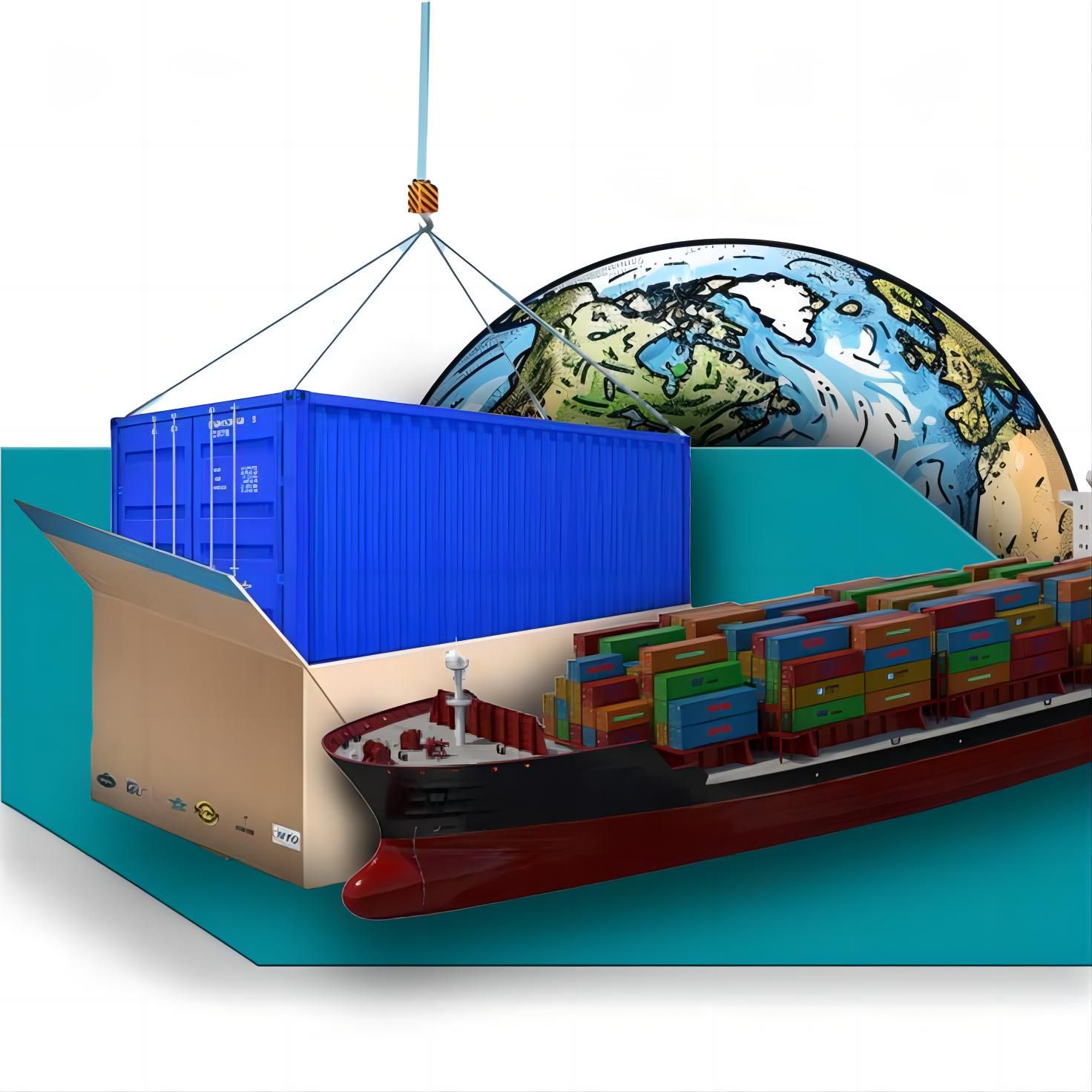
Flat Rack FCL Space for Medical Equipment: China to California
Shipping specialized medical equipment from China to California requires precise planning and execution. Securing reliable Flat Rack FCL space availability for medical equipment from China to California is paramount for safeguarding high-value, oversized cargo. Navigating the complexities of international logistics demands expertise to ensure timely and compliant delivery. Discover how TJ China Freight streamlines this intricate process for your critical healthcare shipments.

Understanding Flat Rack FCL for Medical Equipment
What is a Flat Rack Container?
Flat rack containers are specialized shipping units designed without side walls or a roof. Instead, they feature end walls that can be fixed or collapsible. These unique structures are ideal for cargo that is oversized or unusually shaped, exceeding the dimensions of standard containers. They provide robust support for heavy and bulky items.
Moreover, their open design facilitates easier loading and unloading from the top or sides. Consequently, this makes them indispensable for transporting industrial machinery, vehicles, and indeed, large medical equipment. Therefore, understanding their capabilities is crucial for specialized logistics.

Why Choose Flat Rack FCL for Medical Devices?
Medical equipment, such as MRI machines, CT scanners, or large surgical robots, often has non-standard dimensions. Opting for Flat Rack FCL (Full Container Load) ensures that your specialized cargo occupies an entire container. This dedicated space prevents co-loading risks and minimizes handling during transit, thus enhancing cargo safety.
Furthermore, this method is particularly beneficial for high-value and sensitive medical instruments. It offers superior protection against damage and reduces the likelihood of contamination. Consequently, selecting Flat Rack FCL space availability for medical equipment from China to California is a strategic decision for preserving asset integrity.
Navigating Flat Rack FCL Space Availability from China
Key Factors Influencing Availability
Securing Flat Rack FCL space availability for medical equipment from China to California depends on several dynamic factors. Seasonal demand, for instance, significantly impacts container availability and pricing. Peak shipping seasons, often before major holidays or during Q3, can lead to tighter capacity. Port congestion in major Chinese export hubs like Shanghai or Shenzhen also plays a vital role.
Moreover, global logistics trends, such as vessel capacity and fuel costs, directly affect supply. Carrier relationships are also crucial; established freight forwarders often have preferential access to specialized equipment. Therefore, early booking and flexible scheduling are often key strategies for success.
Booking Strategies for Critical Cargo
To guarantee Flat Rack FCL space for your medical devices, proactive booking is essential. Engage with your freight forwarder well in advance of your desired shipping date, ideally 4-6 weeks out. Providing accurate cargo dimensions and weight upfront helps secure the correct equipment and vessel space. This foresight helps avoid last-minute complications.
Additionally, consider multiple carrier options and be open to slightly adjusted delivery schedules. Exploring diverse port pairs in China and California can also reveal more availability. A reliable partner like TJ China Freight’s sea freight services can leverage their network to find optimal solutions, even during challenging market conditions.
Essential Considerations for Shipping Medical Equipment
Regulatory Compliance and Documentation
Shipping medical equipment from China to California involves stringent regulatory compliance. Importers must adhere to FDA regulations in the U.S., which include proper labeling, registration, and sometimes pre-market approval. Accurate and complete documentation, such as commercial invoices, packing lists, and certificates of origin, is non-negotiable. Missing or incorrect paperwork can cause significant delays.
Furthermore, customs declarations must precisely reflect the nature and value of the medical devices. Engaging expert customs brokerage services is vital to navigate these complex requirements efficiently. This ensures a smooth clearance process and prevents costly penalties.
Specialized Cargo Handling and Securing
Medical equipment often requires specialized handling due to its fragility, high value, and unique dimensions. Proper lashing and securing within the flat rack container are critical to prevent movement and damage during transit. This involves using appropriate dunnage, chocks, and heavy-duty straps. Indeed, inadequate securing can lead to catastrophic damage.
Additionally, consider factors like temperature sensitivity for certain devices. Specialized lifting equipment at both origin and destination ports is often necessary for loading and unloading. Partnering with a freight forwarder experienced in door-to-door logistics for oversized cargo ensures expert supervision throughout the entire journey.

How Does Flat Rack FCL Compare to Other Shipping Options?
When transporting medical equipment from China to California, businesses must weigh various shipping methods. Flat Rack FCL is specifically tailored for oversized or heavy items that do not fit into standard containers. However, other options exist for different types of medical cargo, each with unique cost, speed, and suitability profiles. Evaluating these alternatives is crucial for making an informed decision.
For instance, while Flat Rack FCL offers dedicated space and security for large machinery, standard FCL or LCL might suffice for smaller, palletized medical supplies. Air freight, conversely, provides unparalleled speed for urgent or high-value, low-volume shipments. Rail freight is not applicable for China to California routes. Therefore, understanding the trade-offs is paramount.
Here is a comparison of common shipping methods for medical equipment:
| Shipping Method | Cost Range | Transit Time | Best For | Limitations |
|---|---|---|---|---|
| Flat Rack FCL | $3,500 – $6,000+ | 14 – 25 days | Oversized, heavy, high-value medical equipment | Higher cost, specialized handling required |
| Standard FCL (40HQ) | $2,800 – $4,500 | 14 – 20 days | Standard-sized, high-volume medical supplies/devices | Cargo must fit within container dimensions |
| LCL (Less than Container Load) | $80 – $150/CBM | 18 – 30 days | Smaller, palletized medical goods, lower volume | Increased handling, potential for delays |
| Air Freight | $4 – $8/kg+ | 3 – 7 days | Urgent, high-value, lightweight medical devices | Significantly higher cost, weight/size restrictions |
Cost Factors and Transit Times for China to California Routes
Note: Freight rates are subject to change based on fuel costs, carrier capacity, and seasonal demand. Contact us for a current quote tailored to your specific shipment.
Analyzing Freight Rates
The cost of Flat Rack FCL space availability for medical equipment from China to California varies significantly. Ocean freight charges form the core component, influenced by fuel prices, vessel space, and carrier surcharges. Origin charges, including terminal handling and documentation, also add to the overall expense. Destination charges, such as drayage and port fees in California, complete the picture.
Furthermore, specialized equipment needs, like heavy-lift cranes, will incur additional costs. Customs duties and taxes, based on the medical equipment’s Harmonized System (HS) code and value, are also critical. Consequently, a detailed breakdown from your logistics provider is essential for accurate budgeting.
Typical Transit Schedules
Transit times for Flat Rack FCL shipments from major Chinese ports like Shanghai or Ningbo to California ports such as Los Angeles or Long Beach typically range from 14 to 25 days. This duration primarily covers the sea voyage. However, the total delivery schedule can extend due to various factors. Port congestion at either end can add several days to the journey.
Additionally, customs clearance processes and inland transportation to the final destination will influence the overall door-to-door timeline. Therefore, a realistic estimate should account for potential delays and include buffer time, particularly for critical medical supplies.
Real-World Scenarios: Flat Rack FCL Medical Equipment Shipments
Understanding the practical application of Flat Rack FCL shipping is crucial for medical equipment importers. These case studies illustrate how specialized logistics solutions address unique challenges. They highlight the importance of meticulous planning and expert execution for sensitive and oversized cargo. Such examples provide valuable insights into managing complex international shipments effectively.
Based on Q3 2024 market rates, these scenarios offer a realistic view of costs and timelines. They demonstrate the complexities and successful outcomes when dealing with Flat Rack FCL space availability for medical equipment from China to California.
Case Study 1: Large Diagnostic Imaging System
This case involved a U.S. hospital importing a new diagnostic imaging system. The system’s main console and gantry were too large for standard containers, necessitating a Flat Rack FCL. Precision in planning was key for this high-value, sensitive cargo.
The successful delivery underscored the importance of securing adequate Flat Rack FCL space availability for medical equipment from China to California. It also highlighted expert cargo lashing and customs compliance.
| Detail | Description |
|---|---|
| Route | Shanghai, China -> Los Angeles, USA |
| Cargo | MRI Machine (main gantry and console), 28 CBM, 12,000 kg |
| Container | 40′ Flat Rack FCL |
| Shipping Details | Carrier: MSC, Port of Loading: Shanghai, Port of Discharge: Los Angeles, Route Type: Direct |
| Cost Breakdown | Ocean Freight: $4,800; Origin Charges: $450; Destination Charges: $600; Customs & Duties (estimated): $1,200; Total Landed Cost: $7,050 |
| Timeline | Booking to Loading: 10 days; Sea Transit: 16 days; Customs Clearance: 3 days; Total Door-to-Door: 25 days |
| Key Insight | Early booking secured premium flat rack space. Specialized lashing ensured zero damage. |
Case Study 2: Multiple Operating Room Integration Units
A medical facility in San Francisco required several pre-assembled operating room integration units. These units, while not excessively heavy, were wide and tall, making Flat Rack FCL the only viable option for transport. Coordination between manufacturer, forwarder, and destination site was paramount.
This shipment demonstrated the effectiveness of integrated logistics solutions, including Amazon FBA preparation if the final destination is a fulfillment center, though here it was direct to a hospital. It showcased efficient handling of oversized medical equipment from China.
| Detail | Description |
|---|---|
| Route | Ningbo, China -> Long Beach, USA |
| Cargo | 3 Operating Room Integration Units, 35 CBM, 9,500 kg |
| Container | 40′ Flat Rack FCL |
| Shipping Details | Carrier: COSCO, Port of Loading: Ningbo, Port of Discharge: Long Beach, Route Type: Direct |
| Cost Breakdown | Ocean Freight: $4,500; Origin Charges: $400; Destination Charges: $550; Customs & Duties (estimated): $1,100; Total Landed Cost: $6,550 |
| Timeline | Booking to Loading: 12 days; Sea Transit: 18 days; Customs Clearance: 4 days; Total Door-to-Door: 28 days |
| Key Insight | Careful coordination of port operations and inland transport expedited delivery. |
Optimizing Your Supply Chain for Medical Device Imports
Proactive Planning and Risk Mitigation
An optimized supply chain for importing medical devices from China begins with proactive planning. This involves forecasting demand, aligning production schedules with shipping timelines, and building in contingency plans. Anticipating potential port delays or customs issues can help mitigate disruptions. Regular communication with suppliers and logistics partners is also essential.
Furthermore, diversifying your carrier options and understanding market trends can provide flexibility. For instance, being aware of peak seasons allows for earlier bookings or alternative routing. This strategic foresight is critical for maintaining a resilient supply chain, especially for high-value medical equipment.
Leveraging Expert Logistics Partnerships
Partnering with an experienced freight forwarder specializing in oversized and medical cargo is invaluable. Such a partner can provide expert advice on Flat Rack FCL space availability for medical equipment from China to California. They can also manage complex documentation, customs clearance, and specialized handling requirements. Their network and industry knowledge are crucial assets.
Moreover, a good logistics provider offers transparency and real-time tracking, keeping you informed throughout the shipping process. This partnership minimizes risks and ensures compliance. Consider air freight for urgent components, complementing sea shipments for larger items, to build a robust and flexible logistics strategy.

Which Option Should You Choose for Your Medical Equipment?
Selecting the right shipping method for medical equipment from China to California depends on a clear understanding of your priorities. Different cargo types and business needs necessitate tailored solutions. Therefore, a structured decision framework can guide your choices effectively.
Consider these criteria to determine the best approach for your specific import:
**Budget Priority:** If cost-efficiency is your primary concern, Flat Rack FCL or standard FCL sea freight generally offers the most economical solution for large volumes. However, be prepared for longer transit times. For smaller, less urgent items, LCL can be more cost-effective.
**Speed Priority:** When time is critical, particularly for urgent medical supplies or high-demand diagnostics, air freight is the undisputed choice. While significantly more expensive, it ensures rapid delivery. This option is often chosen for vital components or emergency stock.
**Cargo Type Considerations:** Oversized, heavy, or irregularly shaped medical equipment explicitly requires Flat Rack FCL. Standard containers are suitable for palletized or boxed goods that fit within conventional dimensions. Fragile items benefit from dedicated container space and minimal handling.
**Volume Thresholds for Switching Methods:** For shipments under 15 CBM, LCL might be more economical than a full container. However, for anything larger or requiring dedicated space, FCL (standard or flat rack) becomes more cost-effective. Evaluate your shipment volume to optimize container utilization and freight rates.
Conclusion
Securing Flat Rack FCL space availability for medical equipment from China to California is a complex yet critical aspect of the healthcare supply chain. It demands meticulous planning, adherence to regulations, and specialized handling. By understanding the nuances of flat rack containers, market dynamics, and various shipping alternatives, importers can make informed decisions. Partnering with a knowledgeable freight forwarder ensures efficient, compliant, and secure delivery of your vital medical equipment.
Get Your Shipping Quote Today
Are you ready to secure reliable Flat Rack FCL space availability for medical equipment from China to California? Our team of experts specializes in handling oversized and high-value medical cargo with precision and care. Contact us today to discuss your specific shipping requirements and receive a tailored quote.
Request Quote