

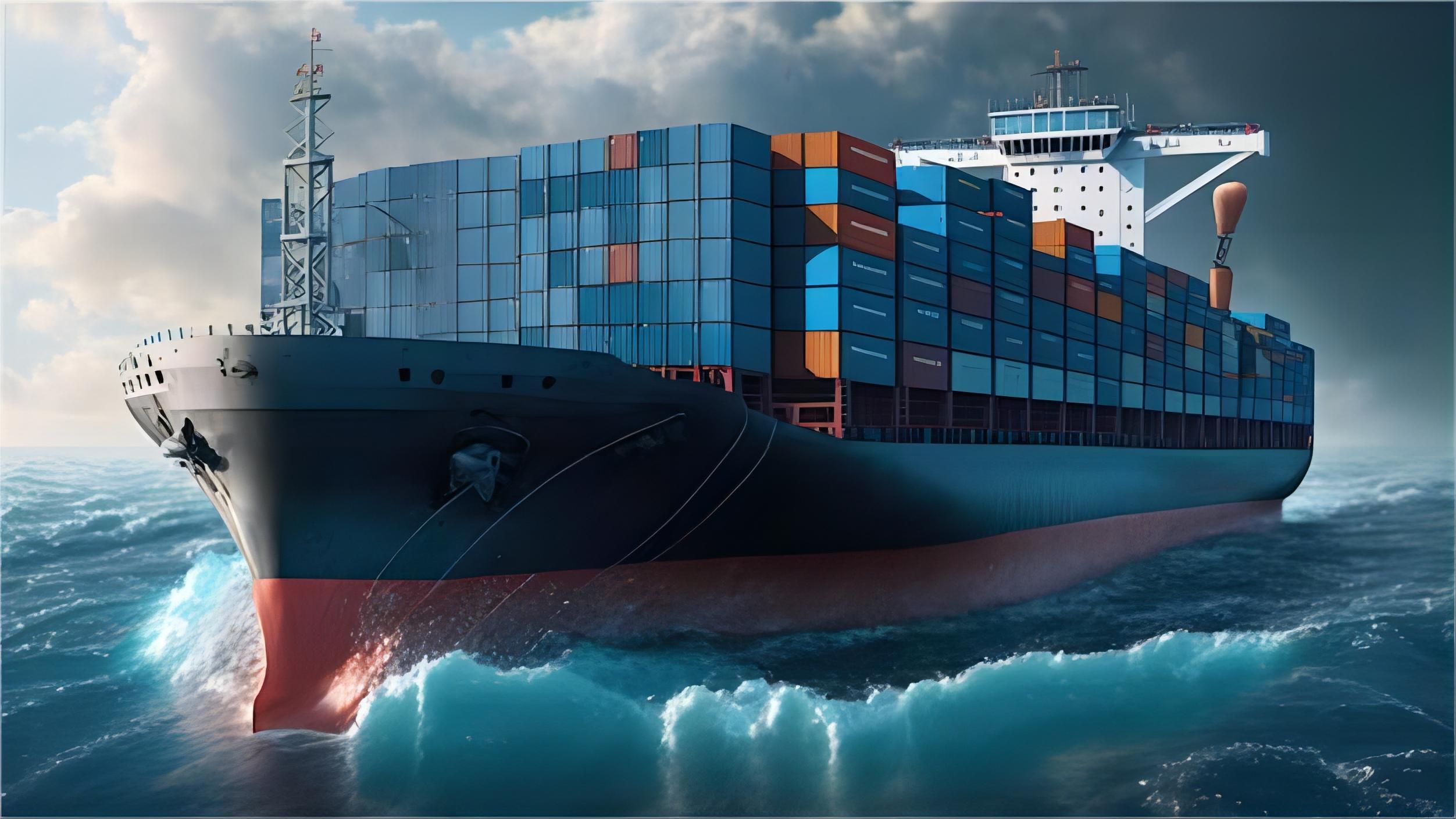
China FCL Container Loading Service to Houston
Need efficient China FCL container loading service to Houston? Navigating international freight can be complex, often fraught with delays and unexpected costs. This comprehensive guide details everything you need to know for smooth, cost-effective full container load shipments from China to the bustling port of Houston, ensuring your cargo arrives safely and on time.
✦
What is FCL Shipping and Why Choose It for Houston?
Full Container Load (FCL) shipping involves booking an entire container exclusively for your cargo. This method is ideal for businesses with substantial shipment volumes, ensuring dedicated space and reduced handling.
Choosing FCL for your China to Houston route offers numerous advantages. Primarily, it provides enhanced security for your goods, as the container remains sealed from origin to destination.
Moreover, it often proves more cost-effective for larger consignments. Consequently, FCL minimizes the risk of damage or loss associated with multiple cargo transfers. It also streamlines the loading and unloading processes, thereby accelerating transit times. Therefore, FCL is a preferred choice for many importers into the Port of Houston.
Consider the typical cargo types benefiting from FCL. These often include electronics, machinery, textiles, and bulk raw materials. For such goods, the dedicated container space is invaluable, protecting against contamination or co-loading issues.
Key Considerations for China FCL Container Loading to Houston
Planning your FCL shipment from China to Houston requires attention to several critical details. Understanding these factors ensures a seamless import process, from booking to final delivery. This preparation is crucial for avoiding costly delays.
First, selecting the correct container type is paramount. Standard options include 20-foot GP (General Purpose), 40-foot GP, and 40-foot HQ (High Cube) containers. Your cargo volume and dimensions will dictate the most suitable choice.
For instance, a 20GP holds approximately 33 CBM, while a 40HQ can accommodate around 76 CBM. Therefore, accurately measuring your goods is essential. Furthermore, consider any special requirements like refrigerated containers for temperature-sensitive items.
Documentation requirements are another vital aspect. These typically include the Bill of Lading, Commercial Invoice, and Packing List. Accurate and complete paperwork is indispensable for smooth customs clearance at the Port of Houston.
Moreover, understanding the various cost components is key to budgeting. These include ocean freight charges, origin charges (e.g., terminal handling, documentation fees), and destination charges (e.g., customs clearance, drayage). Freight rates fluctuate, so obtaining current quotes is always advisable.
| Container Type | Approx. Capacity (CBM) | Max Weight (KG) | Typical Use |
|---|---|---|---|
| 20-foot GP | 33 CBM | 28,000 kg | Heavy, dense cargo; smaller volumes |
| 40-foot GP | 67 CBM | 28,000 kg | Lighter, bulky cargo; larger volumes |
| 40-foot HQ | 76 CBM | 28,000 kg | Very bulky, light cargo; maximum volume |

How Does FCL Shipping Compare to Other Options?
When importing from China to Houston, choosing the right shipping method significantly impacts cost, speed, and efficiency. FCL is just one of several viable options, each with distinct advantages and drawbacks. Therefore, a comprehensive comparison is essential.
Understanding these alternatives helps businesses make informed decisions tailored to their specific supply chain needs. This analysis includes considering factors like cargo volume, urgency, and budget constraints. Ultimately, the best choice depends on your unique requirements.
| Shipping Method | Cost Range (per CBM) | Transit Time (China-Houston) | Best For | Limitations |
|---|---|---|---|---|
| FCL Sea Freight | $50-90 | 30-35 Days | Large volumes, cost-efficiency, security | Slower, requires full container |
| LCL Sea Freight | $80-150 | 35-45 Days | Small to medium volumes, budget-friendly | Longer transit, more handling, less secure |
| Air Freight | $300-600+ | 5-7 Days | Urgent, high-value, perishable goods | Very expensive, weight/dimension limits |
FCL vs. LCL: When to Choose Which
Less than Container Load (LCL) shipping consolidates multiple shippers’ cargo into one container. This method is generally more cost-effective for smaller shipments that don’t fill an entire FCL container. However, LCL often entails longer transit times due to consolidation and deconsolidation processes.
Conversely, FCL offers direct transit, reducing handling and potential delays. For instance, if your cargo exceeds 15-20 CBM, FCL typically becomes more economical than LCL. Moreover, FCL provides greater control over your shipment’s schedule and integrity.
Therefore, if your cargo volume is substantial and time-critical, FCL is the superior choice. For smaller, less urgent shipments, LCL sea freight can be a practical alternative, balancing cost and delivery needs.
FCL vs. Air Freight: Speed vs. Cost
Air freight provides significantly faster transit times, often delivering goods from China to Houston within 5-7 days. This speed is invaluable for urgent shipments, high-value goods, or products with short shelf lives. However, air freight comes at a substantially higher cost per kilogram.
In contrast, FCL ocean freight typically takes 30-35 days to Houston but at a fraction of the cost for heavy or bulky items. For example, air freight costs can be 5-10 times that of sea freight for the same volume. Consequently, businesses must weigh speed against budgetary considerations.
Ultimately, if time is the absolute priority, air freight services are unmatched. However, for most bulk imports to Houston, FCL offers a more sustainable and economically sound solution, balancing delivery expectations with cost efficiency.
Hybrid Solutions and Trade-offs
Sometimes, a hybrid approach can optimize your supply chain. For instance, shipping components via air freight while the main bulk goes via FCL sea freight can balance speed and cost. This strategy is particularly useful for managing production schedules or urgent market demands.
Another consideration is transshipment versus direct routes. Direct FCL routes to Houston are faster but often more expensive. Transshipment via intermediate ports might save costs but adds several days to the transit time. Therefore, carefully evaluate these trade-offs.
Moreover, consider the impact of peak seasons and global events on transit times and freight rates. Flexibility in choosing routes and methods can mitigate potential disruptions. Staying informed about logistics trends is crucial for making timely adjustments.
Which Option Should You Choose?
Your decision framework should prioritize several key factors. If budget is your primary concern and you have ample lead time, FCL is almost always the most economical choice. It offers the lowest cost per unit for high volumes.
However, if speed is paramount for urgent orders or perishable goods, air freight is indispensable. Furthermore, cargo type considerations play a role; fragile or high-value items might benefit from the reduced handling of FCL, or the speed of air freight.
Lastly, volume thresholds are critical. Shipments under 15 CBM often benefit from LCL, while anything larger typically justifies an FCL booking. Consider these criteria carefully to select the optimal shipping solution for your China to Houston imports.
Navigating Customs and Regulations for Houston Imports
Successful importing to Houston hinges on efficient customs clearance. Understanding the specific regulations and required documentation for US Customs and Border Protection (CBP) is essential. Improper preparation can lead to significant delays and penalties.
Consequently, proactive engagement with customs procedures is not merely good practice but a necessity. This includes accurate classification of goods and precise valuation. Therefore, meticulous attention to detail at this stage prevents costly complications.
Essential Documentation for USA Customs
Several key documents are mandatory for customs clearance into the USA. These include the Commercial Invoice, Packing List, Bill of Lading, and potentially a Certificate of Origin. Each document must be accurate and consistent to avoid discrepancies.
Moreover, depending on the cargo type, additional permits or licenses may be required from agencies like the FDA, EPA, or USDA. For instance, food products need FDA prior notice. Therefore, verifying all necessary permits before shipment is crucial.
Failure to provide correct documentation can result in cargo holds, examinations, and even seizure. Consequently, working with experienced professionals who understand these requirements is highly recommended. This ensures compliance and smooth processing.
Understanding Import Duties and Taxes
Import duties and taxes are levied by the US government on goods entering the country. These rates vary significantly based on the Harmonized Tariff Schedule (HTS) code assigned to your product. Accurate HTS classification is therefore critical for calculating correct duties.
Additionally, certain goods may be subject to anti-dumping or countervailing duties, or Section 301 tariffs, particularly on imports from China. These can substantially increase the landed cost of your products. Thus, research these potential costs upfront.
Understanding these financial obligations upfront helps in accurate cost planning and pricing strategies. Failing to account for these can severely impact profitability. Consequently, consulting with a customs expert can clarify these complex financial aspects.
Partnering with a Customs Broker
Engaging a licensed customs brokerage service is highly recommended for importing to Houston. Brokers act as intermediaries, navigating complex regulations, preparing documentation, and ensuring compliance with all CBP requirements. Their expertise minimizes risks and accelerates clearance.
A good customs broker can help classify your goods, calculate duties, and advise on any special import programs or exemptions. They also handle communication with customs officials on your behalf. Therefore, their role is indispensable for efficient and compliant imports.
Furthermore, brokers stay updated on the latest regulatory changes, preventing unforeseen issues. This specialized knowledge protects importers from penalties and delays, making them an invaluable asset to any supply chain. Ultimately, their service ensures peace of mind.
Optimizing Your China FCL Container Loading Process
Optimizing the FCL container loading process in China is crucial for maximizing efficiency and minimizing costs. This involves careful planning and coordination at every stage, from supplier engagement to final container sealing. Proper optimization directly impacts your supply chain’s overall performance.
A well-managed loading process prevents cargo damage, ensures compliance, and reduces potential delays upon arrival in Houston. Consequently, investing time in these preparatory steps yields significant returns. This proactive approach safeguards your investment.
Supplier Coordination and Cargo Consolidation
Effective coordination with your Chinese suppliers is foundational. Ensure they understand packaging requirements, labeling standards, and loading instructions. Clear communication prevents errors and facilitates a smoother process at the origin port.
If you are sourcing from multiple suppliers in China, consider cargo consolidation. This service combines goods from various vendors into a single FCL container, even if they are from different cities. This strategy maximizes container space and reduces overall shipping costs.
Moreover, consolidating cargo under one Bill of Lading simplifies documentation and customs clearance. This not only saves time but also reduces administrative burdens. Therefore, strategic consolidation is a key cost-saving strategy for importers.

Pre-shipment Inspections and Quality Control
Conducting pre-shipment inspections (PSI) is a critical step in quality control. These inspections verify that the goods meet your specifications before they are loaded into the container. Identifying issues at this stage prevents costly returns or rework later.
A PSI can check product quantity, quality, packaging, and labeling. This proactive measure ensures that only compliant goods are shipped, thereby protecting your brand reputation and customer satisfaction. Furthermore, it provides leverage in case of disputes with suppliers.
Indeed, proper quality control extends to the loading process itself. Supervise the loading to ensure cargo is properly stowed, braced, and secured within the container. This prevents shifting and damage during transit, safeguarding your investment.
Choosing the Right Shipping Partner
Selecting a reputable and experienced freight forwarder is paramount for successful China FCL container loading service to Houston. A reliable partner offers expertise in logistics, customs, and local regulations. They act as your eyes and ears on the ground.
Look for a forwarder with a strong network in both China and the USA, particularly around the Port of Houston. Their ability to manage origin services, ocean carriers, and destination logistics is crucial. This comprehensive support simplifies your entire shipping process.
Furthermore, a good partner provides transparent communication and tracking updates. This ensures you are always informed about your shipment’s status, from loading to final delivery. Consequently, choosing wisely minimizes stress and maximizes efficiency.
Realistic Case Studies: China FCL to Houston Successes
To illustrate the practicalities of China FCL container loading service to Houston, let’s examine a few real-world scenarios. These examples highlight typical costs, transit times, and challenges, providing valuable insights for your own imports. These case studies reflect current market conditions.
Based on Q1 2025 market rates, these figures offer a realistic perspective. Note: Freight rates are subject to change based on fuel costs, carrier capacity, and seasonal demand. Contact us for a current quote tailored to your specific shipment.
Case Study 1: Large Volume Electronics Shipment
This case involved a US-based electronics distributor importing consumer electronics. The client required a balance of cost-efficiency and secure transit for their valuable goods. The FCL solution provided the necessary dedicated space and protection.
| Detail | Description |
|---|---|
| Route | Shenzhen, China -> Houston, USA |
| Cargo | Smart Home Devices, 65 CBM, 12,000 kg |
| Container | 1 x 40HQ |
| Carrier/Service | COSCO (Direct Service) |
| Port of Loading | Yantian, Shenzhen |
| Port of Discharge | Port of Houston |
| Route Type | Direct |
| Ocean Freight | $4,800 |
| Origin Charges | $350 (THC, Documentation) |
| Destination Charges | $450 (Drayage, Terminal Fees) |
| Customs & Duties (estimated) | $1,800 |
| Total Landed Cost | $7,400 |
| Booking to Loading | 5 days |
| Sea Transit | 32 days |
| Customs Clearance | 3 days |
| Total Door-to-Door | 40 days |
| Key Insight | Direct service minimized transit time and handling, crucial for electronics. Careful labeling aided customs. |
Case Study 2: Industrial Machinery to Texas
An industrial client needed to import heavy machinery components for a manufacturing plant expansion in Texas. The cargo’s weight and dimensions necessitated careful planning and specialized handling. FCL was the only practical solution for this type of shipment.
| Detail | Description |
|---|---|
| Route | Shanghai, China -> Houston, USA |
| Cargo | CNC Machine Parts, 28 CBM, 20,000 kg |
| Container | 1 x 20GP |
| Carrier/Service | MSC (Transshipment) |
| Port of Loading | Shanghai |
| Port of Discharge | Port of Houston |
| Route Type | Transshipment via Busan, South Korea |
| Ocean Freight | $3,500 |
| Origin Charges | $300 (THC, Documentation) |
| Destination Charges | $400 (Drayage, Terminal Fees) |
| Customs & Duties (estimated) | $1,200 |
| Total Landed Cost | $5,400 |
| Booking to Loading | 7 days |
| Sea Transit | 38 days |
| Customs Clearance | 4 days |
| Total Door-to-Door | 49 days |
| Key Insight | Heavy cargo required specific container bracing. Transshipment offered cost savings at the expense of a few extra days. |
Case Study 3: Retail Goods for Distribution
A retail chain importing seasonal apparel and accessories needed to ensure timely delivery to their Houston distribution center. Volume justified FCL, and the focus was on a reliable delivery schedule to meet store launch dates. This required precise logistics coordination.
| Detail | Description |
|---|---|
| Route | Ningbo, China -> Houston, USA |
| Cargo | Apparel & Accessories, 70 CBM, 8,000 kg |
| Container | 1 x 40HQ |
| Carrier/Service | Maersk (Direct Service) |
| Port of Loading | Ningbo |
| Port of Discharge | Port of Houston |
| Route Type | Direct |
| Ocean Freight | $5,200 |
| Origin Charges | $380 (THC, Documentation) |
| Destination Charges | $470 (Drayage, Terminal Fees) |
| Customs & Duties (estimated) | $1,600 |
| Total Landed Cost | $7,650 |
| Booking to Loading | 6 days |
| Sea Transit | 30 days |
| Customs Clearance | 2 days |
| Total Door-to-Door | 38 days |
| Key Insight | Direct service and strong carrier relationship ensured adherence to tight retail schedules. Efficient warehouse coordination at destination was key. |
Understanding Transit Times and Logistics Trends
Predicting accurate transit times for China FCL container loading service to Houston is vital for inventory management and supply chain planning. Several factors influence how long your cargo spends at sea and in transit. These elements are dynamic and can impact delivery schedules.
Moreover, staying informed about current logistics trends helps mitigate potential disruptions. This proactive approach allows businesses to adjust their strategies accordingly. Consequently, understanding these dynamics leads to more resilient supply chains.
Typical Transit Times to Houston
Generally, FCL sea freight from major Chinese ports like Shanghai, Ningbo, or Shenzhen to Houston takes approximately 30-35 days. This duration primarily accounts for the ocean journey itself. However, this is just one component of the total door-to-door timeline.
This estimate can vary based on the specific carrier, the route taken (direct versus transshipment), and vessel speed. For instance, direct services are faster but often command a premium. Therefore, selecting the right service level impacts delivery speed.
Furthermore, feeder vessel schedules for inland Chinese ports can add a few extra days to the initial leg. Consequently, a comprehensive estimate should include time for origin handling and destination customs clearance, as well as final delivery.
Factors Affecting Delivery Schedules
Numerous variables can impact your FCL delivery schedule. Port congestion in China or Houston is a frequent cause of delays, especially during peak seasons. Weather events, such as typhoons in Asia or hurricanes in the Gulf of Mexico, can also disrupt shipping lanes.
Carrier capacity and vessel sharing agreements (VSAs) also play a role. A fully booked vessel might mean your container rolls over to the next available ship, adding days or weeks. Furthermore, customs inspections or documentation errors can significantly prolong clearance times.
Consequently, building buffer time into your supply chain is a prudent strategy. This allows for unexpected delays without severely impacting your inventory or production schedules. Therefore, realistic planning is crucial for managing expectations effectively.
Current Market Insights and Seasonal Impacts
As of Q1 2025, freight rates from China to North America, specifically the US Gulf Coast, have generally stabilized after recent global supply chain disruptions. However, geopolitical events and regional conflicts can still introduce volatility. For example, Red Sea diversions have impacted global routes.
Seasonal patterns consistently influence both rates and transit times. Rates typically increase 15-25% during the August-October peak season, ahead of holiday shopping. Chinese New Year closures also cause pre-holiday rushes and post-holiday backlogs.
Market data suggests booking FCL shipments well in advance during these periods. This proactive approach helps secure space and avoid premium charges. Moreover, working with a forwarder who offers flexible express service options can be a valuable contingency plan.
The Role of a Reliable Freight Forwarder
A reliable freight forwarder is an indispensable partner for navigating the complexities of China FCL container loading service to Houston. They act as your logistics expert, coordinating all aspects of the shipment from origin to destination. This partnership simplifies international trade.
Their extensive network and industry knowledge are crucial for securing competitive rates and efficient transit. Moreover, they handle the intricate details, allowing you to focus on your core business. Consequently, choosing the right forwarder is a strategic decision.
Furthermore, a good forwarder provides transparency and communication, keeping you informed at every stage. This level of service is vital for managing expectations and proactively addressing any potential issues. Therefore, their value extends far beyond simply booking cargo space.
Your Partner for China FCL Container Loading Service to Houston
At TJ China Freight, we specialize in providing comprehensive and reliable sea freight solutions from China to the USA, including expert China FCL container loading service to Houston. Our deep understanding of both Chinese logistics and US import regulations ensures a smooth process.
We leverage our extensive network and expertise to optimize your supply chain, offering competitive freight rates and efficient transit times. Our dedicated team manages everything from cargo pickup and documentation to customs clearance and final delivery. This commitment to service sets us apart.
Whether you’re shipping general cargo, oversized items, or need specialized handling, we tailor solutions to your specific needs. We also offer integrated door-to-door services, providing a single point of contact for your entire shipment. This holistic approach simplifies your logistics. We can even assist with Amazon FBA preparations for direct delivery.
Conclusion: Master Your China FCL Container Loading Service to Houston
Mastering the process of China FCL container loading service to Houston is fundamental for businesses engaged in international trade. By understanding the intricacies of FCL shipping, comparing it with alternatives, and navigating customs effectively, you can build a resilient and cost-efficient supply chain.
Choosing a knowledgeable freight forwarder is paramount to success. Their expertise in managing documentation, optimizing routes, and mitigating risks ensures your cargo arrives safely and on schedule. Ultimately, a well-executed FCL strategy enhances your competitive edge.
Therefore, invest in thorough planning and partner with experienced professionals to ensure your imports from China to Houston are consistently smooth and profitable. This proactive approach will yield long-term benefits for your business operations.
Ready to streamline your imports from China to Houston? Contact us today for a personalized quote and expert guidance on your next FCL shipment. Our team is prepared to assist you with every step, ensuring a seamless and efficient logistics experience.
Request Quote