

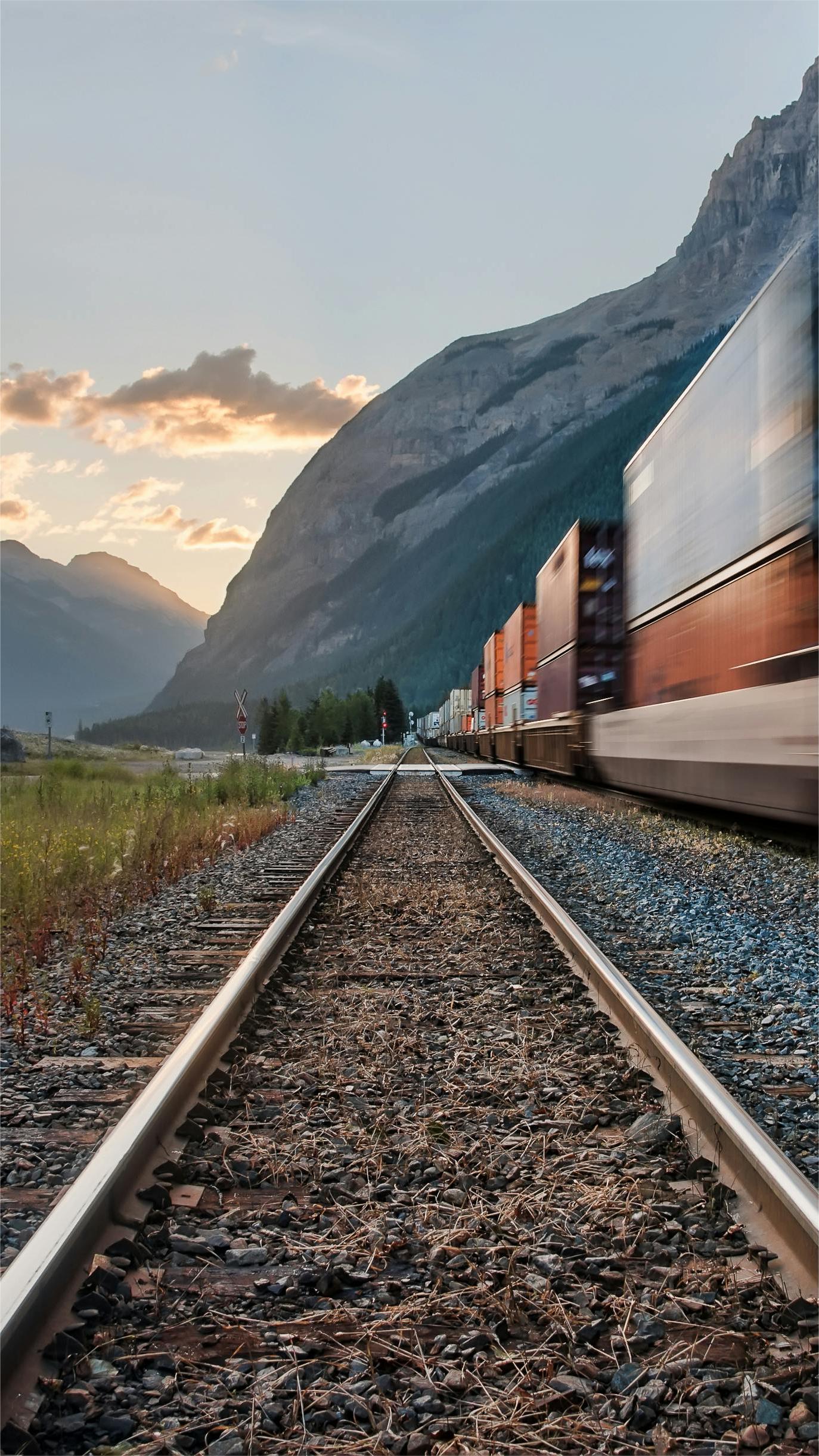
40GP FCL Transit Time for Machinery from China to Denmark
Shipping heavy machinery from China to Denmark requires meticulous planning, especially when considering the 40GP FCL transit time. Understanding the intricacies of ocean freight is crucial for businesses aiming to optimize their supply chain and meet delivery schedules. This comprehensive guide, brought to you by TJ China Freight, will break down the factors influencing shipping duration, costs, and best practices for a smooth import process.

What is a 40GP FCL Container?
A 40GP (General Purpose) container is a standard 40-foot shipping container, approximately 12.19 meters long, 2.44 meters wide, and 2.59 meters high. It offers a substantial volume, making it ideal for shipping heavy equipment China to Denmark.
Conversely, FCL stands for Full Container Load, meaning your cargo occupies the entire container. This method is often preferred for large or high-value machinery, providing enhanced security and a more direct transit without consolidation delays. Therefore, it is a popular choice for industrial equipment shipping.
Typical 40GP FCL Transit Time from China to Denmark
The standard 40GP FCL transit time for machinery from China to Denmark typically ranges from 28 to 35 days port-to-port. This duration can vary based on the specific origin port in China, the destination port in Denmark, and the chosen shipping line’s service route.

Moreover, the overall delivery schedule might extend to 35-45 days door-to-door, accounting for inland transport, customs clearance, and potential port delays. Understanding these timelines is crucial for effective supply chain management. For reliable sea freight services, accurate transit estimates are paramount.
Market data suggests that major Chinese ports like Shanghai, Ningbo, and Shenzhen frequently serve Danish ports such as Aarhus and Copenhagen. The route usually involves direct services or minimal transshipment, impacting the total duration.
| Origin Port (China) | Destination Port (Denmark) | Estimated Transit Time (Days) | Typical Route |
|---|---|---|---|
| Shanghai | Aarhus | 30-35 | Direct / Via Major Hub |
| Ningbo | Copenhagen | 28-33 | Direct / Via Major Hub |
| Shenzhen | Aarhus | 32-38 | Direct / Via Major Hub |
| Qingdao | Copenhagen | 30-36 | Direct / Via Major Hub |

Key Factors Influencing Your Shipping Schedule
Several critical elements can significantly impact the 40GP FCL transit time for machinery from China to Denmark. Therefore, businesses must consider these factors when planning their international logistics. Careful planning helps mitigate unexpected delays and optimize their import/export operations.
Port Congestion and Vessel Schedules
Indeed, port congestion at both origin and destination can add several days to the transit time. High volumes of cargo or labor shortages can lead to delays in loading and unloading vessels. Furthermore, vessel capacity and specific shipping line schedules play a significant role. Choosing a carrier with a reliable schedule is vital for predictable delivery.
Additionally, recent global events and logistics trends have shown that port efficiency is a dynamic factor. Consequently, real-time tracking and flexible planning are increasingly important for managing shipping lead times.
Route and Transshipment Considerations
Generally, direct routes offer the fastest transit times. However, some services may involve transshipment through major European hubs like Hamburg or Rotterdam, which can add 3-7 days to the journey. Selecting the most efficient route is a key decision in optimizing the 40GP FCL transit time for machinery from China to Denmark.
Moreover, understanding the carrier’s network and preferred transshipment points helps in forecasting accurate delivery schedules. This choice directly influences the total time your machinery spends in transit.
Customs Clearance and Documentation
Efficient customs clearance is absolutely essential. Any discrepancies or incomplete documentation can cause significant delays at Danish customs. Therefore, ensuring all paperwork, including commercial invoices, packing lists, and certificates of origin, is accurate and complete beforehand is critical.
Furthermore, adherence to import duties on machinery Denmark regulations and proper classification of goods can expedite the process. Partnering with experienced customs brokerage services can prevent unforeseen issues and streamline your import process.
Seasonal Demands and Peak Seasons
Lastly, seasonal variations, such as Chinese New Year or the peak shipping season (August to October) before holidays, can lead to increased demand and reduced vessel space. As a result, freight rates often rise, and transit times can extend during these periods.
Accordingly, planning your shipments well in advance during these times is highly recommended to avoid delays and higher shipping costs. This proactive approach is crucial for maintaining a stable supply chain.
Cost Implications of 40GP FCL Shipping
The cost of FCL shipping China to Denmark for a 40GP container involves multiple components beyond just the ocean freight rate. Understanding these various charges is crucial for calculating the total landed cost of your machinery.
Based on current market rates as of early 2025, ocean freight for a 40GP container from China to Denmark can range from $2,800 to $4,200. However, this is just one part of the overall shipping costs. Freight rates for 40GP containers Europe fluctuate based on fuel surcharges, demand, and carrier capacity.
| Cost Component | Estimated Range (USD) | Description |
|---|---|---|
| Ocean Freight | $2,800 – $4,200 | Base cost for container transport from port to port. |
| Origin Charges | $300 – $500 | Terminal Handling Charges (THC), documentation, local pickup. |
| Destination Charges | $400 – $700 | THC at destination, local delivery, customs clearance fees. |
| Customs Duties & Taxes | $500 – $1,500+ | Import duties, VAT, and other taxes based on machinery type and value (estimated). |
| Insurance | 0.3% – 0.5% of cargo value | Protects against loss or damage during transit. |

How Does FCL Sea Freight Compare to Other Shipping Options?
While FCL sea freight is often the go-to for large machinery due to its cost-effectiveness, it’s beneficial to compare it with other shipping methods. Each option presents different trade-offs in terms of speed, cost, and capacity. This comparison will help in choosing the best route for shipping large machinery.
For instance, air freight offers speed but at a significantly higher cost. Conversely, rail freight provides a middle ground in terms of both cost and transit time for specific routes. Understanding these distinctions is key to optimizing your logistics.
| Shipping Method | Cost Range (40GP equivalent) | Transit Time | Key Benefits |
|---|---|---|---|
| Sea Freight (FCL) | $2,800 – $4,200 | 28-35 days | Most cost-effective for heavy, bulky cargo; high capacity. |
| Air Freight | $15,000 – $25,000+ | 5-7 days | Fastest option for urgent shipments; high security. Consider air freight for time-sensitive parts. |
| Rail Freight | $8,000 – $12,000 | 18-22 days | Faster than sea, cheaper than air; reliable schedules. Explore rail freight as an alternative. |
Which Shipping Option Should You Choose? A Decision Framework
Selecting the optimal shipping method for your machinery from China to Denmark depends largely on your priorities. Consider these factors to make an informed decision and optimize your supply chain China to Denmark.
Prioritizing Budget
If cost-effectiveness is your primary concern, FCL sea freight is undoubtedly the most economical choice for your 40GP machinery shipment. Despite longer transit times, the significant savings on freight rates make it attractive for non-urgent deliveries. Therefore, budget-conscious importers often favor this method.
Moreover, for shipments under 15 CBM, LCL (Less than Container Load) sea freight might offer further savings, although it introduces potential consolidation delays. However, for full 40GP loads, FCL remains superior.
Prioritizing Speed
Conversely, if time is critical, air freight is the only viable option. While substantially more expensive, it ensures your machinery reaches Denmark within a week. This method is ideal for urgent replacement parts or machinery required for immediate project deadlines.
Alternatively, rail freight presents a faster option than sea without the extreme cost of air. It is a suitable compromise for those needing quicker delivery than sea freight but with budget constraints preventing air transport.
Cargo Type and Volume
For heavy, oversized, or high-volume machinery filling a 40GP container, FCL sea freight is almost always the most practical solution. Its capacity and cost per unit volume are unmatched. This method also minimizes cargo handling, reducing the risk of damage.
In contrast, smaller, lighter, or high-value components might be better suited for air freight, where the speed and reduced risk of damage outweigh the higher cost. Always match the shipping method to the specific characteristics of your cargo.
Real-World Scenarios: 40GP FCL Machinery Shipments
These case studies illustrate typical 40GP FCL transit time for machinery from China to Denmark and associated costs, based on Q3 2024 market rates. They highlight the various factors at play in international logistics for industrial equipment shipping.
Case Study 1: CNC Machine to Aarhus
This scenario demonstrates a standard FCL shipment of a valuable CNC machine, highlighting the typical ocean freight schedule China to Aarhus.
| Detail | Description |
|---|---|
| Route | Shanghai, China -> Aarhus, Denmark |
| Cargo | CNC Machining Center, 28 CBM, 9,500 kg |
| Container | 40GP FCL |
| Shipping Details | |
| – Carrier/Service | COSCO (Major carrier) |
| – Port of Loading | Shanghai |
| – Port of Discharge | Aarhus |
| – Route Type | Direct |
| Cost Breakdown (USD) | |
| – Ocean Freight | $3,500 |
| – Origin Charges (THC, documentation) | $450 |
| – Destination Charges | $600 |
| – Customs & Duties (estimated) | $1,200 |
| – Total Landed Cost | $5,750 |
| Timeline | |
| – Booking to Loading | 5 days |
| – Sea Transit | 32 days |
| – Customs Clearance | 3 days |
| – Total Door-to-Door | 40 days |
| Key Insight | Smooth customs clearance and a direct route contributed to an efficient transit. Tracking FCL shipments China to Europe was seamless. |
Case Study 2: Industrial Robot to Copenhagen
This case study exemplifies a shipment to the capital, showcasing a slightly different transit pattern and cost structure.
| Detail | Description |
|---|---|
| Route | Ningbo, China -> Copenhagen, Denmark |
| Cargo | Industrial Robotic Arm, 25 CBM, 8,000 kg |
| Container | 40GP FCL |
| Shipping Details | |
| – Carrier/Service | Maersk (Major carrier) |
| – Port of Loading | Ningbo |
| – Port of Discharge | Copenhagen |
| – Route Type | Transshipment via Hamburg |
| Cost Breakdown (USD) | |
| – Ocean Freight | $3,800 |
| – Origin Charges (THC, documentation) | $480 |
| – Destination Charges | $650 |
| – Customs & Duties (estimated) | $1,500 |
| – Total Landed Cost | $6,430 |
| Timeline | |
| – Booking to Loading | 4 days |
| – Sea Transit | 36 days |
| – Customs Clearance | 4 days |
| – Total Door-to-Door | 46 days |
| Key Insight | Transshipment added a few days to the sea transit, but competitive freight rates compensated. Documentation was meticulously handled to prevent import duties on machinery Denmark issues. |
Case Study 3: Heavy Duty Compressor to Esbjerg
This example highlights shipping to a smaller Danish port, which might involve different logistics considerations.
| Detail | Description |
|---|---|
| Route | Shenzhen, China -> Esbjerg, Denmark |
| Cargo | Heavy Duty Air Compressor, 22 CBM, 11,000 kg |
| Container | 40GP FCL |
| Shipping Details | |
| – Carrier/Service | MSC (Major carrier) |
| – Port of Loading | Shenzhen |
| – Port of Discharge | Esbjerg (via feeder from Aarhus) |
| – Route Type | Transshipment via Aarhus |
| Cost Breakdown (USD) | |
| – Ocean Freight | $4,100 |
| – Origin Charges (THC, documentation) | $500 |
| – Destination Charges | $700 |
| – Customs & Duties (estimated) | $1,000 |
| – Total Landed Cost | $6,300 |
| Timeline | |
| – Booking to Loading | 6 days |
| – Sea Transit | 38 days |
| – Customs Clearance | 5 days |
| – Total Door-to-Door | 49 days |
| Key Insight | Shipping to a smaller port like Esbjerg often involves an additional feeder vessel, extending total transit time. However, the direct connection from Aarhus made this a viable option for efficient delivery. |
Optimizing Your 40GP FCL Shipment to Denmark
Achieving an efficient and cost-effective 40GP FCL transit time for machinery from China to Denmark involves strategic decisions and expert collaboration. Therefore, focusing on these key areas can significantly enhance your shipping experience.
Partnering with an Experienced Freight Forwarder
Undoubtedly, a reliable freight forwarder China to Denmark is your most valuable asset. They possess the expertise to navigate complex international shipping regulations, negotiate optimal freight rates, and manage all documentation. Furthermore, they can provide real-time updates on your shipment status, which is crucial for managing unexpected delays.
Moreover, an experienced partner can offer insights into logistics trends and help you choose the best routes and carriers for your specific machinery. This guidance is invaluable for reducing shipping delays for machinery.
Leveraging Door-to-Door Services
To simplify your logistics, consider opting for comprehensive door-to-door solutions. This service handles every aspect of the shipment, from pickup at the factory in China to final delivery at your facility in Denmark. Consequently, it minimizes your administrative burden and streamlines the entire process.
Door-to-door services are particularly beneficial for machinery, as they ensure professional cargo handling throughout the journey. This eliminates the need for multiple vendors and ensures accountability from a single point of contact.
Understanding Incoterms
Finally, a clear understanding of Incoterms (International Commercial Terms) is paramount. These globally recognized rules define the responsibilities of buyers and sellers for the delivery of goods, including costs and risks. Selecting the appropriate Incoterm, such as FOB or CIF, impacts who is responsible for different stages of the shipping process.
Properly agreed-upon Incoterms prevent misunderstandings and disputes, ensuring a smoother transaction. Always clarify these terms with your supplier and freight forwarder to avoid unexpected charges or liabilities.
Navigating Your 40GP FCL Machinery Shipment to Denmark
In conclusion, navigating the complexities of 40GP FCL transit time for machinery from China to Denmark requires careful planning and expert support. By understanding key factors, comparing shipping options, and partnering with a reliable logistics provider, businesses can ensure efficient and cost-effective delivery. Let us help you streamline your next international machinery shipment.
Note: Freight rates are subject to change based on fuel costs, carrier capacity, and seasonal demand. Contact us for a current quote tailored to your specific shipment.
Get Your Shipping Quote Today
To streamline your next machinery import and get an accurate 40GP FCL transit time for machinery from China to Denmark, reach out to our experts. We provide tailored logistics solutions designed to meet your specific needs and budget. Get a personalized quote today.
Request Quote