

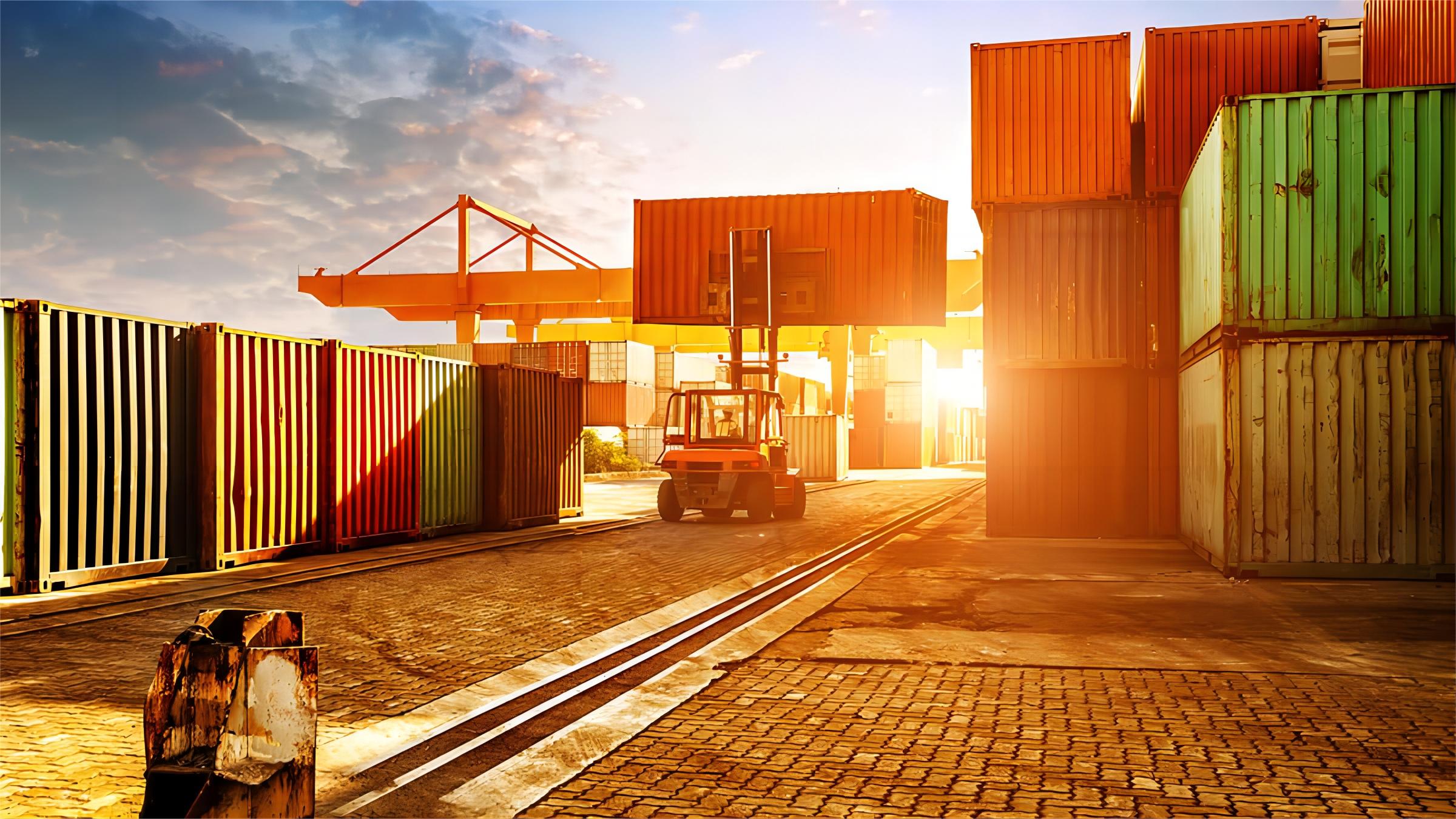
Reefer FCL Booking Process for Medical Equipment from China to USA
Shipping sensitive medical equipment from China to the USA requires meticulous planning, especially when utilizing refrigerated Full Container Load (FCL) services. This specialized logistics process ensures product integrity through strict temperature control. Consequently, understanding each step is vital for avoiding costly delays and maintaining supply chain efficiency.

What is Reefer FCL Shipping for Medical Equipment?
Reefer FCL, or Refrigerated Full Container Load, refers to shipping an entire container dedicated to temperature-sensitive goods. For medical equipment, this means maintaining a precise temperature range throughout the journey. Furthermore, it prevents degradation and ensures product efficacy upon arrival.
This method is crucial for items like diagnostic reagents, certain surgical instruments, and pharmaceutical raw materials. Therefore, selecting a reliable reefer container and experienced freight forwarder is paramount. It guarantees the integrity of your valuable cargo.
Why is Reefer FCL Essential for Medical Devices?
Medical devices often have strict storage requirements, making temperature control non-negotiable. Exposure to extreme heat or cold can compromise functionality, sterility, or chemical stability. Consequently, this leads to significant financial losses and potential patient safety risks.
Moreover, regulatory bodies like the FDA in the USA impose stringent guidelines for the transport of medical products. Reefer FCL shipping helps meet these compliance standards. It provides a controlled environment from the point of origin to the final destination, safeguarding your investment.
Key Steps in the Reefer FCL Booking Process from China to USA
The reefer FCL booking process for medical equipment from China to USA involves several critical stages. Initially, it begins with detailed planning and extends through final delivery. Each step demands careful attention and coordination.

Firstly, shippers must accurately assess the medical equipment’s specific temperature requirements. This includes both the optimal range and any permissible fluctuations. Subsequently, communicating these precise needs to the freight forwarder is essential for proper container selection.
1. Selecting the Right Reefer Container
Different medical products require varying temperature settings and humidity levels. Therefore, choosing between a standard reefer, super freezer, or controlled atmosphere container is crucial. Your freight forwarder assists in this selection, ensuring appropriate specifications.
Indeed, factors like active or passive temperature control systems also play a role. Active systems use mechanical refrigeration, while passive systems rely on insulation and refrigerants. Ultimately, the choice impacts both cost and cargo safety.
2. Documentation and Compliance Preparation
Preparing accurate and complete documentation is a cornerstone of smooth international shipping. This includes commercial invoices, packing lists, and certificates of origin. Moreover, specific medical device documentation, like FDA registration, is mandatory for USA imports.
Furthermore, ensure all temperature monitoring logs and handling instructions are clear. These documents aid customs clearance and demonstrate compliance with international transport regulations. A professional customs brokerage service can streamline this.
3. Booking and Loading Procedures
Once documentation is ready, booking the reefer FCL with a reputable carrier is the next step. Specify the required temperature settings and any pre-cooling instructions. Subsequently, the container is pre-cooled to the desired temperature before loading.
Loading medical equipment into the reefer container must be done swiftly and efficiently. This minimizes temperature excursions and maintains the cold chain. Proper dunnage and securing methods prevent shifting and damage during transit.
4. In-Transit Monitoring and Management
During the ocean voyage, continuous temperature monitoring is vital. Most modern reefer containers feature integrated data loggers that record temperature fluctuations. These logs provide an audit trail for compliance purposes and problem-solving.
Furthermore, some carriers offer remote monitoring capabilities. This allows real-time tracking of container conditions. Consequently, any deviations can be addressed promptly, preventing cargo spoilage.
5. Customs Clearance and Final Delivery in the USA
Upon arrival at a USA port, the medical equipment undergoes rigorous customs inspection. Having all necessary FDA approvals and import permits ready accelerates this process. Any discrepancies can lead to significant delays and penalties.
Finally, after customs clearance, the reefer container is transported for door-to-door delivery. The receiving facility must be prepared to immediately unload and store the temperature-sensitive cargo. This ensures the cold chain remains unbroken until the final destination.
Navigating Regulatory Compliance for Medical Imports to the USA
Importing medical equipment to the USA is subject to strict regulations primarily enforced by the Food and Drug Administration (FDA). Compliance is not optional; it is a legal requirement. Consequently, understanding these rules is paramount for a successful import.
Indeed, before shipping, ensure your medical device is properly classified and registered with the FDA. This often involves submitting premarket notifications (510(k)) or premarket approval (PMA). Moreover, labeling requirements must be met precisely.
Essential Documents for FDA Compliance
Several documents are critical for FDA clearance. These include the FDA registration number, device listing, and proper import declarations. Furthermore, a Certificate of Analysis (COA) or Certificate of Conformance (COC) may be required for certain items.
Additionally, ensure all packaging and labeling comply with FDA guidelines. Mislabeling or incomplete documentation can result in customs holds, rejections, or even destruction of the cargo. Working with a knowledgeable freight forwarder mitigates these risks.
| Document Type | Purpose | Issuing Authority | Notes |
|---|---|---|---|
| Commercial Invoice | Valuation for duties & taxes | Exporter | Must be accurate |
| Packing List | Details of cargo contents | Exporter | Matches invoice |
| Bill of Lading (BOL) | Contract of carriage, title to goods | Carrier | Key shipping document |
| Certificate of Origin | Confirms country of manufacture | Chamber of Commerce | May affect duties |
| FDA Registration/Listing | Mandatory for medical devices | FDA | Pre-approval required |
| Import Security Filing (ISF) | Advance cargo information for CBP | Importer/Agent | Required 24 hrs pre-loading |
Understanding Reefer FCL Shipping Costs from China to USA
The total cost for reefer FCL booking process for medical equipment from China to USA can vary significantly. Many factors influence the final freight rates. These include the specific origin and destination ports, current market conditions, and container type.
As of Q1 2025, freight rates from major Chinese ports to the USA remain dynamic. While some stability has returned, geopolitical events and seasonal demand continue to impact pricing. Therefore, obtaining a current quote is always advisable.
Key Cost Components
Several elements contribute to the overall shipping cost. Ocean freight charges form the largest portion, covering the actual sea transport. This includes base rates, bunker adjustment factors (BAF), and currency adjustment factors (CAF).
Additionally, origin charges cover terminal handling, documentation, and local transport in China. Destination charges include similar fees at the USA port, such as drayage and customs clearance. Furthermore, insurance and customs duties add to the total landed cost.
| Cost Component | Description | Typical Range (USD) | Notes |
|---|---|---|---|
| Ocean Freight (40′ HQ Reefer) | Sea transport from China to USA | $4,500 – $8,000 | Varies by route, season, carrier |
| Origin Charges | THC, documentation, loading in China | $300 – $600 | Per shipment |
| Destination Charges | THC, drayage, unloading in USA | $500 – $1,000 | Per shipment |
| Customs Brokerage Fees | Services for customs clearance | $250 – $450 | Flat fee or percentage |
| Customs Duties & Taxes | Import tariffs based on HTS code | Varies (0-15% of value) | Specific to product and origin |
| Insurance | Cargo protection against loss/damage | 0.3% – 0.7% of cargo value | Highly recommended for medical goods |
How Does Reefer FCL Compare to Other Shipping Options?
When shipping medical equipment, selecting the right mode of transport is critical. While Reefer FCL is often preferred for volume and temperature control, other options exist. Understanding their trade-offs is essential for optimizing your supply chain.
Considerations include urgency, cargo volume, and specific temperature sensitivity. Each method offers distinct advantages and disadvantages. Therefore, a comprehensive comparison helps in making informed decisions.
| Shipping Method | Cost Range (40′ Reefer Equivalent) | Transit Time (China-USA) | Best For | Limitations |
|---|---|---|---|---|
| Reefer FCL (Ocean) | $4,500 – $8,000 | 25-40 days | Large volumes, cost-efficiency, strict temperature control, non-urgent | Long transit times, port congestion risks |
| Reefer LCL (Ocean) | $800 – $1,500 (per CBM) | 30-45 days | Smaller volumes, cost-effective for less than full container, non-urgent | More handling, higher risk of temp excursions, slower |
| Temperature-Controlled Air Freight | $15,000 – $30,000+ | 3-7 days | Urgent shipments, high-value, short shelf-life, small volume | Very high cost, limited capacity for large reefers, stricter size/weight limits |

Reefer FCL vs. Reefer LCL
Reefer FCL dedicates an entire container to one shipper’s cargo, offering maximum control and security. In contrast, Reefer LCL (Less than Container Load) combines multiple shippers’ goods in one refrigerated container. LCL is often more cost-effective for smaller volumes.
However, LCL introduces more handling points and potential for temperature fluctuations due to frequent door openings. For highly sensitive medical equipment, FCL minimizes these risks. It offers a more direct and controlled environment throughout transit.
Reefer FCL vs. Air Freight (Temperature Controlled)
Air freight provides significantly faster transit times, often days instead of weeks. This speed is invaluable for urgent medical supplies or those with very short shelf lives. However, air freight costs are substantially higher than ocean freight.
For example, while sea freight for a 40′ HQ reefer might cost $4,500-$8,000, temperature-controlled air freight for a similar volume could reach $15,000-$30,000 or more. Air cargo capacity for reefers is also more limited. A cost-benefit analysis is crucial here.
Case Studies: Successful Reefer FCL Shipments of Medical Equipment
Examining real-world examples helps illustrate the complexities and successes of the reefer FCL booking process for medical equipment from China to USA. These scenarios highlight practical considerations and effective strategies. They offer valuable insights for your own logistics planning.
Case Study 1: Diagnostic Reagents for a Major Hospital Chain
| Detail | Description |
|---|---|
| Route | Shanghai, China Long Beach, USA |
| Cargo | Diagnostic Reagents (temperature-sensitive), 25 CBM, 12,000 kg |
| Container | 40HQ Reefer, set to +2°C to +8°C |
| Shipping Details | Carrier: COSCO, Port of Loading: Shanghai, Port of Discharge: Long Beach, Route Type: Direct |
| Cost Breakdown | Ocean Freight: $5,800, Origin Charges: $450, Destination Charges: $850, Customs & Duties (estimated): $1,200, Total Landed Cost: $8,300 |
| Timeline | Booking to Loading: 5 days, Sea Transit: 16 days, Customs Clearance: 3 days, Total Door-to-Door: 24 days |
| Key Insight | Proactive FDA documentation and pre-clearance significantly reduced customs delays. Based on Q3 2024 market rates. |
Case Study 2: Surgical Implants for a Specialty Clinic
| Detail | Description |
|---|---|
| Route | Ningbo, China New York, USA |
| Cargo | Sterile Surgical Implants (sensitive to humidity/temp), 20 CBM, 9,000 kg |
| Container | 40GP Reefer, set to +15°C to +25°C, humidity controlled |
| Shipping Details | Carrier: Maersk, Port of Loading: Ningbo, Port of Discharge: New York/New Jersey, Route Type: Transshipment via Busan |
| Cost Breakdown | Ocean Freight: $6,200, Origin Charges: $480, Destination Charges: $920, Customs & Duties (estimated): $1,500, Total Landed Cost: $9,100 |
| Timeline | Booking to Loading: 7 days, Sea Transit: 32 days, Customs Clearance: 4 days, Total Door-to-Door: 45 days |
| Key Insight | Transshipment saved 10% on ocean freight but added 5 days to transit. Effective communication with Amazon FBA for onward delivery was key. Typical rates as of early 2025. |
Case Study 3: Vaccine Raw Materials for Pharmaceutical Production
| Detail | Description |
|---|---|
| Route | Qingdao, China Houston, USA |
| Cargo | Vaccine Raw Materials (deep freeze), 22 CBM, 10,000 kg |
| Container | 40HQ Super Freezer Reefer, set to -20°C |
| Shipping Details | Carrier: MSC, Port of Loading: Qingdao, Port of Discharge: Houston, Route Type: Direct |
| Cost Breakdown | Ocean Freight: $7,500, Origin Charges: $500, Destination Charges: $900, Customs & Duties (estimated): $1,000, Total Landed Cost: $9,900 |
| Timeline | Booking to Loading: 6 days, Sea Transit: 28 days, Customs Clearance: 3 days, Total Door-to-Door: 38 days |
| Key Insight | Specialized super freezer containers have higher costs but are indispensable for critical deep-freeze cargo. Careful pre-cooling was paramount. Based on current market rates. |
Optimizing Your Reefer FCL Logistics Strategy
To ensure efficiency and cost-effectiveness, optimizing your reefer FCL booking process for medical equipment from China to USA is crucial. This involves strategic planning and leveraging expert logistics partners. Ultimately, it minimizes risks and enhances supply chain reliability.
Consider consolidating shipments where possible to maximize container utilization. Furthermore, plan your shipments well in advance to avoid peak season surcharges. Flexibility in port selection can also lead to cost savings and faster transit.
Cost-Saving Strategies and Trade-offs
Opting for longer transit times can sometimes yield lower ocean freight rates. However, this trade-off must be carefully weighed against the shelf life of your medical products. Direct routes are faster but often pricier than transshipment options.
Additionally, negotiating volume contracts with carriers or freight forwarders can secure better rates. Exploring different carriers for the same route might also reveal competitive pricing. Always compare multiple quotes for the best value.
Hybrid Solutions for Enhanced Flexibility
For certain scenarios, a hybrid logistics approach might be beneficial. For example, shipping less critical components by sea freight and urgent, smaller medical devices by air freight. This balances cost and speed effectively.
While not applicable for China-USA, some routes utilize sea-rail combinations for efficiency. For the China-USA route, the focus remains on optimizing sea and air options. This ensures the integrity of temperature-sensitive medical cargo.

Which Option Should You Choose for Your Medical Equipment?
The best shipping strategy depends heavily on your specific needs and priorities. Consider these factors when deciding on the optimal reefer FCL booking process for medical equipment from China to USA. A tailored approach ensures success.
Your decision framework should balance budget, speed, cargo characteristics, and volume. There is no one-size-fits-all solution in international logistics. Hence, a clear understanding of your requirements is vital.
Decision Framework
| Priority | Recommendation | Considerations |
|---|---|---|
| Budget Priority | Reefer FCL (Ocean) | Cost-effective for large volumes, longer transit times (25-40 days) |
| Speed Priority | Temperature-Controlled Air Freight | Fastest option (3-7 days), significantly higher cost |
| Cargo Type (Highly Sensitive) | Reefer FCL (Direct Route) | Minimizes handling, consistent temperature, higher reliability |
| Cargo Type (Less Critical, Small Volume) | Reefer LCL (Ocean) | Economical for smaller shipments, more handling points |
| Volume Thresholds | Below 15 CBM: LCL or Air; Above 15 CBM: FCL | FCL becomes more economical for larger volumes |
Final Thoughts on Reefer FCL Shipping
Mastering the reefer FCL booking process for medical equipment from China to USA is a complex but manageable endeavor. It requires meticulous planning, adherence to strict regulatory standards, and robust cold chain management. Ultimately, the integrity of medical products hinges on these factors.
By understanding the key steps, navigating compliance, and optimizing your logistics strategy, you can ensure successful and compliant shipments. Partnering with a knowledgeable freight forwarder like TJ China Freight can provide the expertise needed to navigate these challenges effectively. This secures your supply chain and protects your valuable medical cargo.
Start Your Shipment
Ready to streamline your reefer FCL booking process for medical equipment from China to USA? Our experienced team specializes in temperature-controlled logistics and FDA compliance. Contact us today for a personalized quote and ensure your sensitive cargo arrives safely and on time. Visit bestchinafreight.com to learn more.
Request Quote